Introduction to the Rogue Naruto Theory
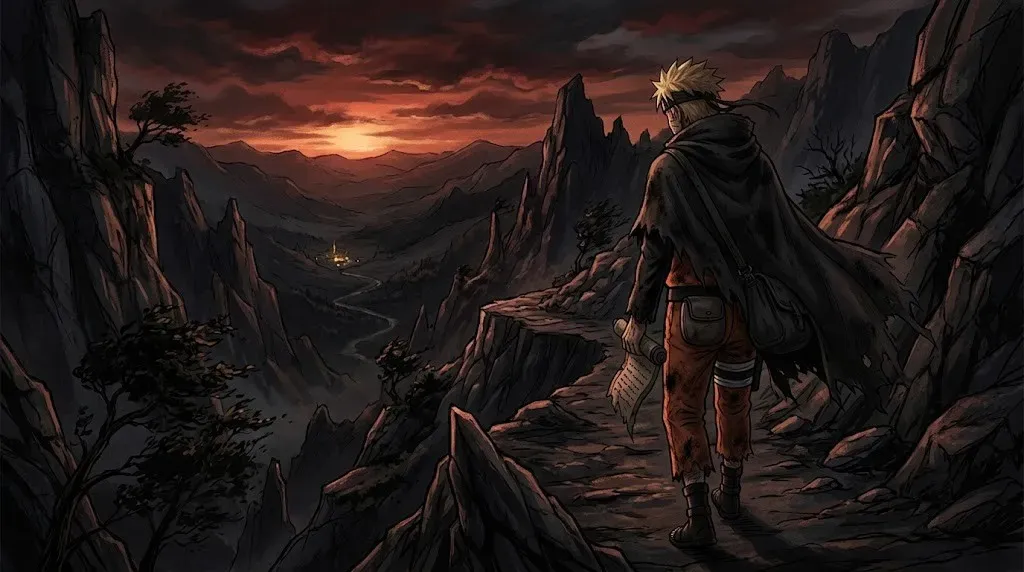
In the vast world of anime "what-if" scenarios, few concepts are as compelling as the Naruto rogue ninja theory. For years, fans of the franchise have debated how the story of the Hidden Leaf’s most boisterous ninja would have changed if he had turned his back on his home. The canonical Naruto is a symbol of perseverance and unwavering loyalty, but the "what if Naruto went rogue" scenario explores a much darker timeline. This theory suggests a version of the Uzumaki hero who, instead of seeking the acknowledgment of the villagers through kindness, decides to find his own way through power and isolation, potentially becoming the greatest threat the shinobi world has ever seen.
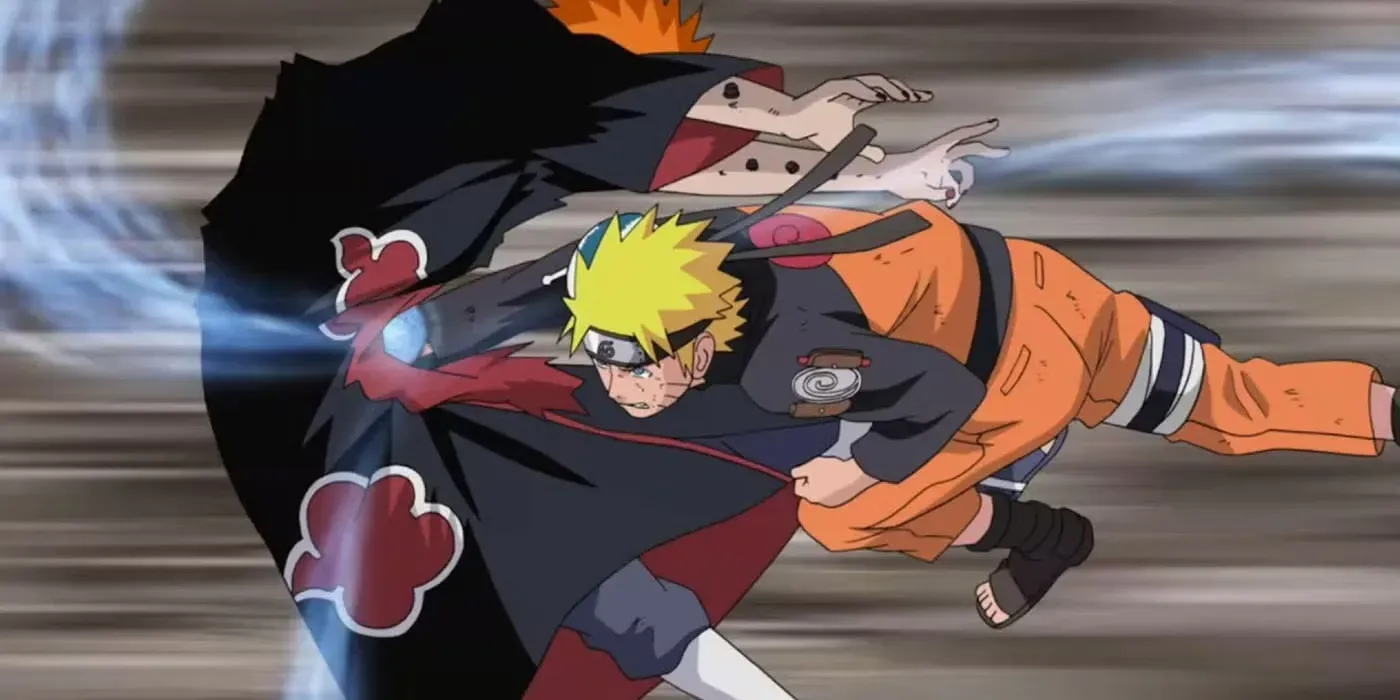 Also ReadNaruto vs Pain: Full Episode Breakdown & Attacks
The Catalyst: What Could Drive Naruto to Leave the Village?
To understand a Naruto dark path analysis, one must look at the immense trauma he endured as a child. In the canon timeline, Naruto’s resolve is iron-clad, but it wouldn't have taken much for that resolve to shatter. A few key catalysts could have triggered his departure from Konoha:
- Extreme Social Isolation: If the villagers' hatred had been even more physical or aggressive during his early years, Naruto might have grown to despise the people he eventually sought to protect.
- The Loss of a Mentor: Had Iruka Umino failed to show Naruto kindness in the first episode, or if Jiraiya had been killed much earlier, Naruto would have lost the emotional anchors keeping him tied to the Leaf.
- Betrayal by the High Command: Discovering the truth about his parentage and the village's decision to turn him into a Jinchuriki against his will could have sparked a deep-seated resentment toward the Hokage and the elders.
Naruto Uzumaki’s Villain Arc and Dark Path Analysis
A Naruto Uzumaki villain arc would likely be characterized by a slow descent rather than an overnight change. Initially, he might have left to seek power, much like Sasuke, but his journey would be fueled by the Kurama’s bubbling rage. In this dark path analysis, we see a Naruto who masters the Nine-Tails’ chakra not through friendship, but through pure dominance. A rogue Naruto would be a terrifying force, utilizing the Shadow Clone technique for espionage and assassination rather than distraction. His "Talk no Jutsu" would be replaced by a cold, calculating philosophy that might mirror Pain’s, where peace is only achievable through overwhelming strength and the elimination of the current shinobi system.
 Also ReadHow Many Seasons Does Naruto Have? Complete Season Breakdown
Key Differences: Rogue Naruto vs. Canon Naruto
The differences between the two versions of the character are stark. While canon Naruto seeks to be the Hokage to be recognized by everyone, the rogue version seeks power to ensure no one can ever hurt him again.
- Motivation: Canon Naruto is driven by love and the "Will of Fire." Rogue Naruto is driven by spite and the need for self-preservation.
- Techniques: While both use Rasengan, a rogue Naruto might infuse it with darker chakra or focus on forbidden jutsu (Kinjutsu) found in scrolls he stole during his desertion.
- Relationships: Instead of building a team of friends, rogue Naruto would likely lead a group of outcasts or even take over the Akatsuki, viewing others only as tools for his ultimate goal.
Popular Naruto Shippuden Fan Theories and Alternate Endings
Many Naruto Shippuden fan theories focus on a rogue Naruto alternate ending where he becomes the final boss of the series. One popular theory suggests that after the failure of the Sasuke Recovery Mission, Naruto realizes that the village is holding him back. In this alternate ending, Naruto joins forces with Orochimaru or even Obito, leading to a climactic battle at the Valley of the End where he actually defeats Sasuke and disappears into the shadows. Another theory posits that Naruto could have formed his own hidden village, a sanctuary for Jinchuriki who were mistreated by their respective nations, creating a third power in the Fourth Shinobi World War.
Impact on the Shinobi World and Hidden Leaf Village
The impact of Naruto leaving would be catastrophic for Konoha. Without their "Greatest Unexpected Ninja," the village would lose its primary deterrent against the Akatsuki. Furthermore, the psychological blow to characters like Sakura, Kakashi, and even Hinata would be immense. The village would likely become more militaristic and paranoid, losing the very heart that Naruto provided. On a global scale, the balance of power would shift, as a rogue Jinchuriki of the Nine-Tails wandering the land would force all other nations to live in constant fear of a sudden, overwhelming attack.
Conclusion: The Legacy of a Rogue Hero
Exploring the "what if Naruto went rogue" scenario serves as a powerful reminder of how fragile his path to heroism truly was. While the canon ending gives us a Hokage who brought world peace, the rogue Naruto theory highlights the darker possibilities of the shinobi system. A Naruto who chose the dark path would not just be a villain; he would be a tragic figure—a hero who was failed by the very people he was meant to lead. Ultimately, whether as a savior or a rogue, the legend of Naruto Uzumaki remains one of the most influential stories in anime history.



















// Comments