
What If Nami's Village Fought Back Against Arlong?
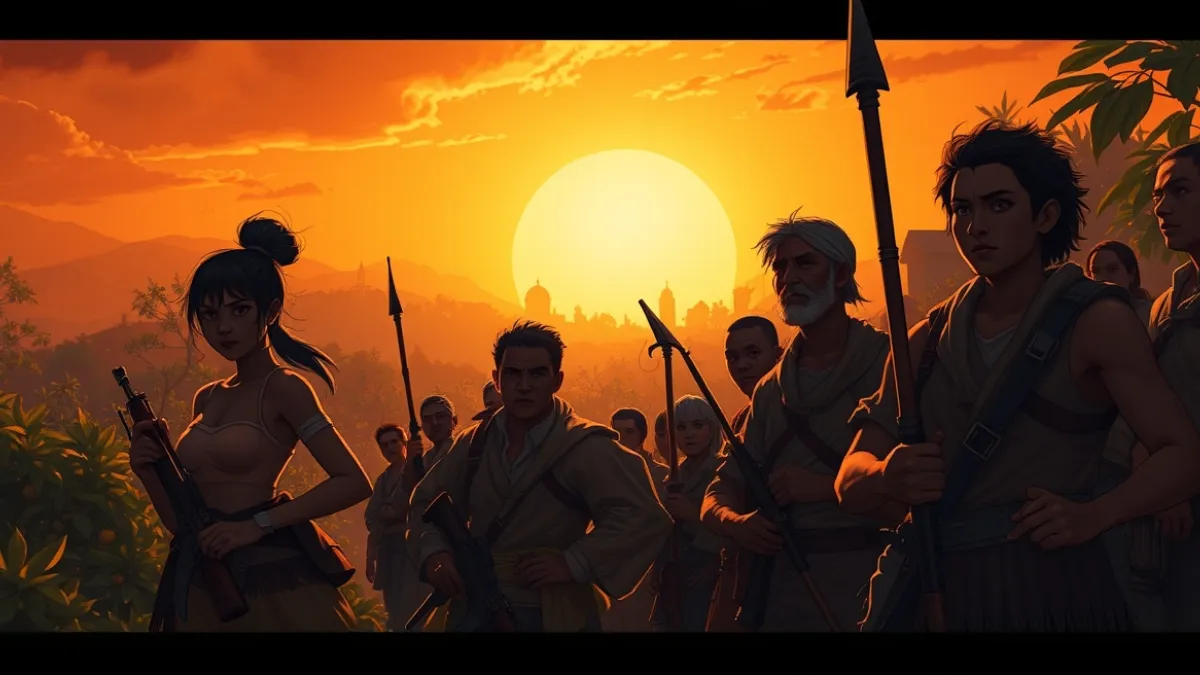
One Piece is basically a giant tapestry of "what ifs." Eiichiro Oda built a world so interconnected that if you pull just one thread, the whole thing starts to reweave itself into something completely different. One of the most heartbreaking and pivotal moments in the early story is the tragedy at Cocoyasi Village. We all know the canon version: Belle-mere sacrifices herself, and a young Nami spends eight years in a living hell, stealing from pirates to buy her village's freedom. But what if that initial fishman invasion didn't go so smoothly? What if the villagers, fueled by desperation and a different kind of tactical spark, managed a successful resistance against Arlong from day one?
It’s a tantalizing scenario because it doesn't just change Nami; it changes the entire power balance of the East Blue and, eventually, the Grand Line. If Arlong is defeated or driven off early, the ripples are massive. The East Blue would look the same on a map—Shells Town and the Baratie are still there—but the people passing through them would carry different scars and different dreams. Let's dive into this alternate timeline and see how a defiant village would reshape the King of the Pirates' journey.
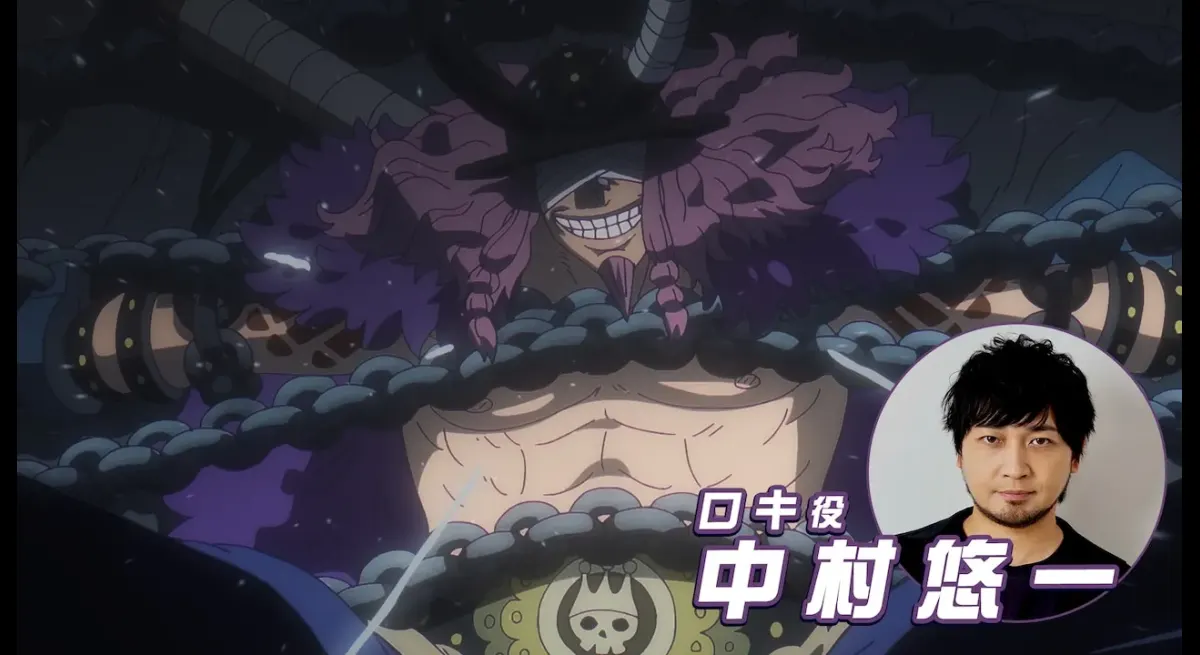 Also ReadYuichi Nakamura as Loki in "ONE PIECE": Elbaf Edition OP by Aina The End
The Bloodshed of a Successful Resistance
In the original story, the villagers of Cocoyasi Village were ready to die, but they stayed quiet for Nami's sake. In this "What If," let's say they don't wait. Maybe Belle-mere’s Marine instincts kick in faster, or Genzo organizes a guerrilla-style defense that actually catches the Arlong Pirates off guard. Fishmen are ten times stronger than humans, so a direct fight is a slaughter—but a resistance based on traps, fire, and knowing the terrain could at least stall them.
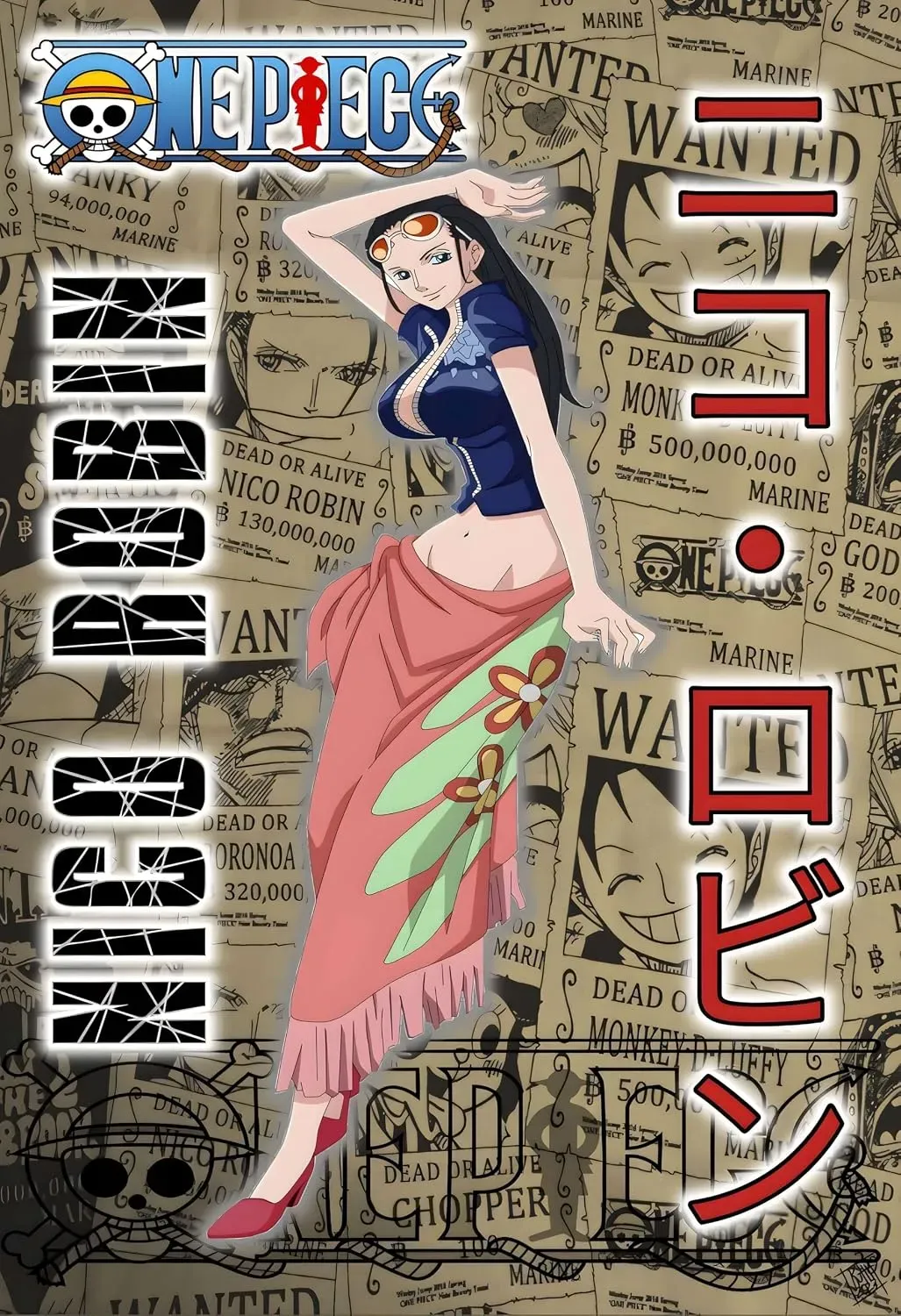
The emotional weight here is heavy. A successful defense probably means Belle-mere lives, but the village would be a war zone. Instead of a girl who hides her pain behind a fake smile and a map, Nami grows up as a child of war. She wouldn't be a thief; she’d be a scout or a tactical genius for her people. Her hatred for pirates wouldn't just be about money—it would be about the physical survival of her home. This version of Nami is much harder, maybe less likely to trust a rubber boy in a straw hat when he eventually rolls into town.
The Ripple Effect: No Nami, No Straw Hats?
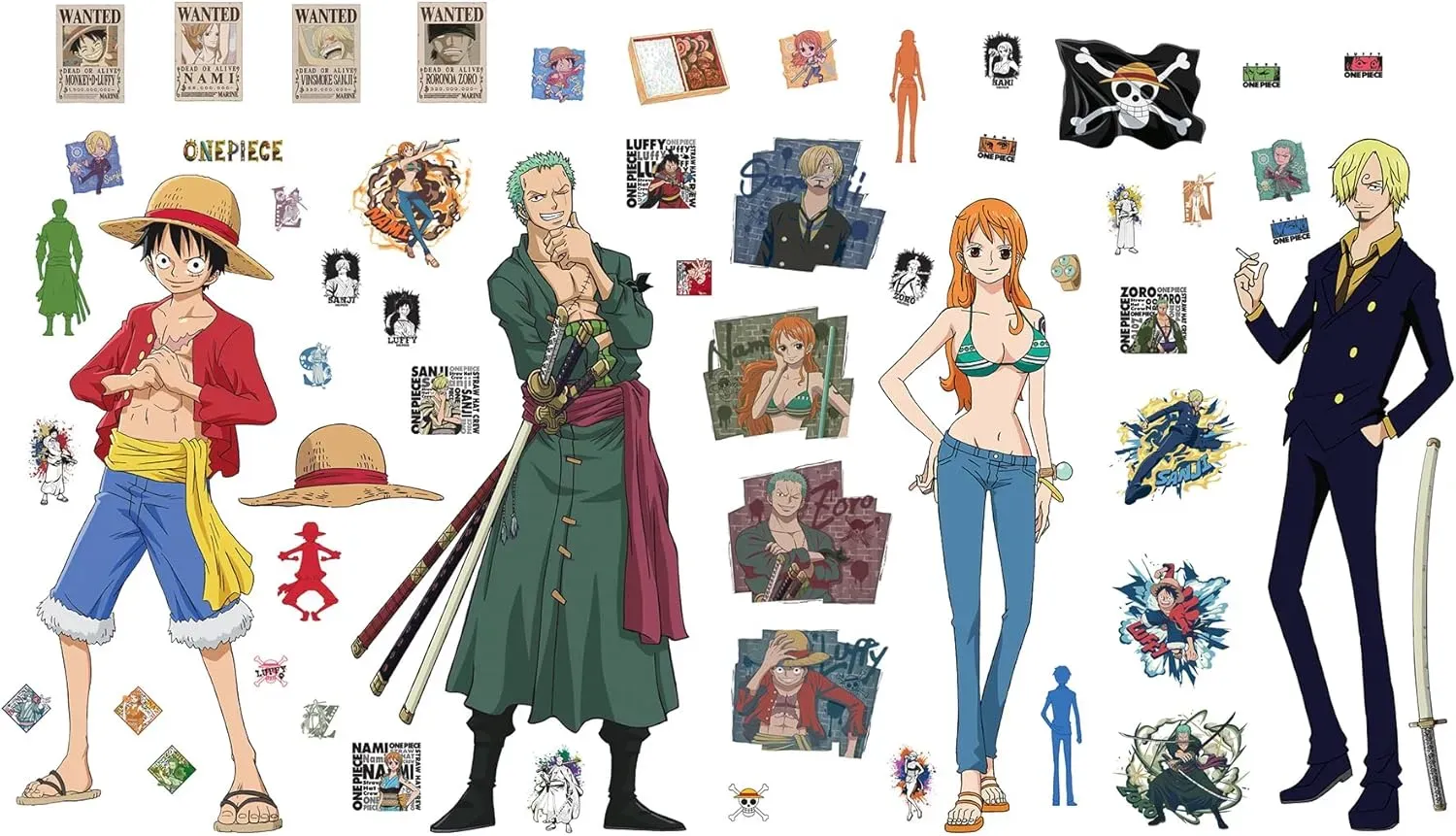
This is where the theory gets wild. If Arlong is defeated early, Nami never needs to leave. She never goes to Orange Town to steal Buggy’s map. Think about that—if Nami isn't there, Luffy and Zoro might have just starved at sea or gotten lost before ever meeting Usopp. Nami is the literal brain of the crew. Without her navigation, the Straw Hats don't just miss the One Piece; they probably don't even make it to the Grand Line.
Even if they do meet later, the dynamic is totally shifted. Luffy’s iconic "Help me" moment at Arlong Park is the emotional foundation of their bond. If Nami saved her own village, that bond never forms. She might just be a talented navigator they hire, rather than a sister they’d die for. It’s a colder world. You can see how this would drastically change our one piece tier list because the crew's synergy would be fundamentally broken. A Straw Hat crew without Nami’s heart is just a group of strong guys wandering into a storm they can't predict.
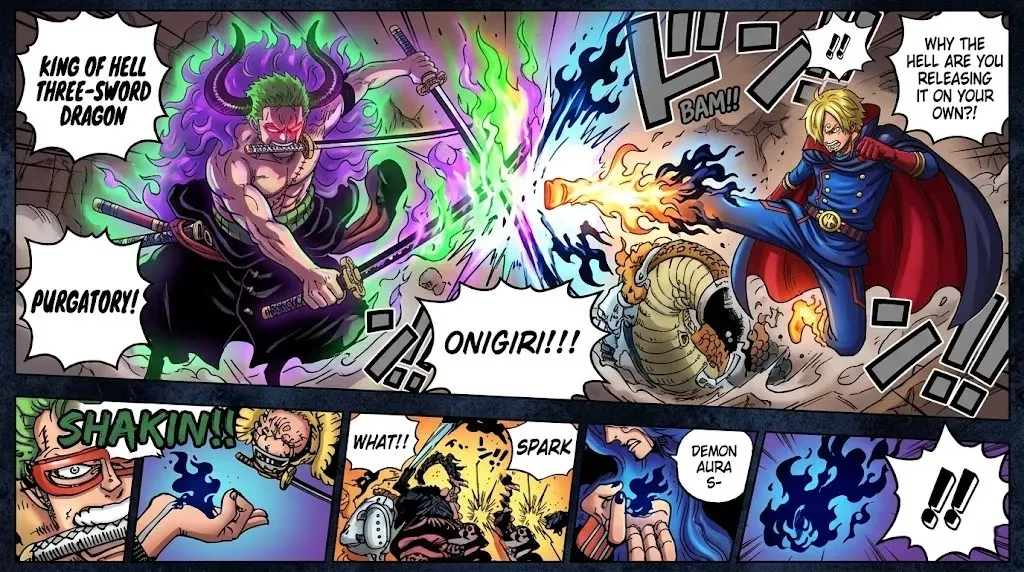
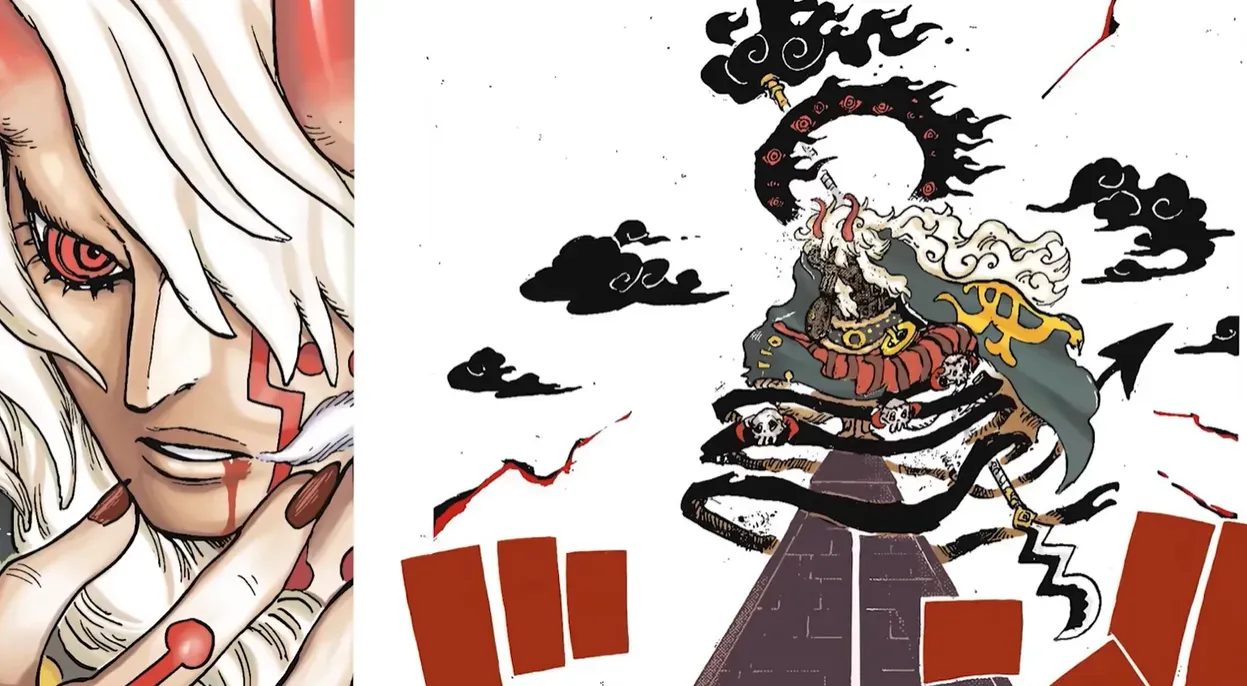 Also ReadOne Piece Chapter 1180 "Omen" Spoilers: Imu's God-Like Power Destroys Zoro & Sanji
The Fate of the East Blue Villains
If Arlong isn't the "Big Bad" of the East Blue because he was humbled by a village of humans, other powers would fill the vacuum. Don Krieg might have actually succeeded in establishing his fleet without the fishman threat keeping certain waters in check. Or perhaps Smoker catches Luffy much earlier because the Straw Hats aren't as tight-knit or capable. The "Worst Generation" would still arrive at Sabaody, but their histories would be reconfigured. Maybe Sanji stays at the Baratie because the crew that came to recruit him didn't have that "spark" of saving a navigator from her past.
Character Psychology: The Burden of Victory
We often talk about the trauma of Nami’s childhood, but the "burden of victory" is a real thing too. If the village fought back and won, they’d be living in constant fear of a Fishman retaliation. They’d become a militarized community. This Nami wouldn't be interested in drawing a map of the world for fun; she’d be drawing maps for defense. The lightheartedness of her character—the greed for berries that we all find funny—might be replaced by a grim pragmatism.
It also changes how the world sees humans. Arlong’s whole philosophy was that humans are "lesser." If a bunch of tangerine farmers beat his crew, his psyche would be destroyed. He might become even more radicalized, or perhaps he’d fade into obscurity, never becoming the catalyst for the Sun Pirates’ complicated legacy with Jinbe. It’s fascinating to think how this one resistance could alter the political landscape of Fishman Island years later.
Conclusion: The Sea Always Finds a Way
At the end of the day, while it would be amazing to see Belle-mere alive and the village free from the start, I think the story would lose its soul. The tragedy of Cocoyasi is what gave Nami her iron will. It’s what taught Luffy how to truly carry someone else’s burden. One Piece is a story about how our scars make us who we are. Even if Nami might get insane final saga powerups later, they mean more because we saw her at her lowest point, crying in the dirt and stabbing her own arm.
A village that fought back might have saved their homes, but they might have lost the "Navigator of the Future King." The currents of history are a funny thing—sometimes the most painful path is the only one that leads to the dawn. I love thinking about these alternate timelines, but man, I wouldn't trade that scene of Luffy putting his hat on Nami’s head for anything. It’s the moment One Piece went from a fun adventure to a masterpiece of human emotion.





// Comments