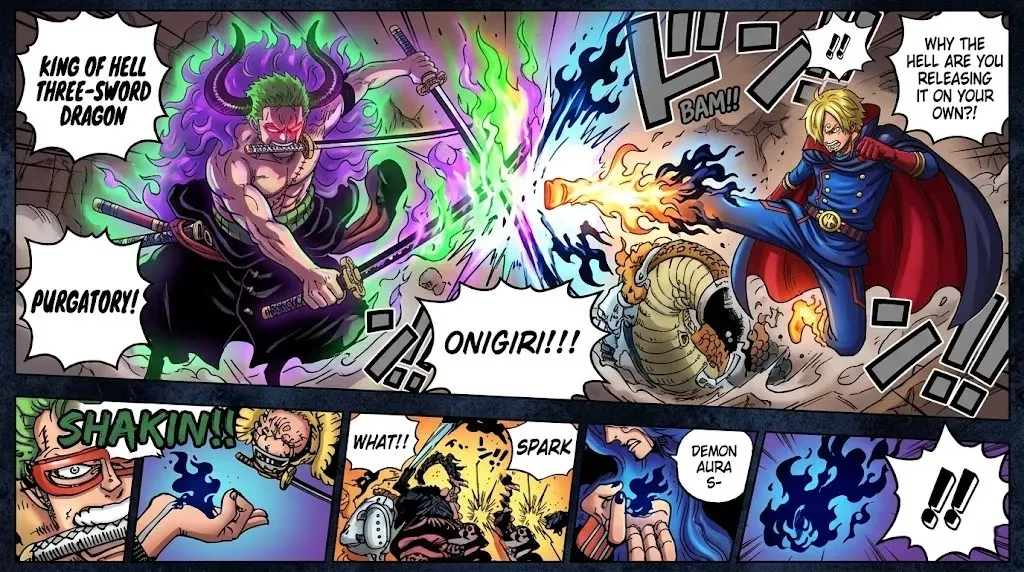

This One Piece Chapter 1180 review comes down to one big idea: Eiichiro Oda has stopped teasing Imu and started using him as a full-scale endgame force. Official chapter listings show that Chapter 1179 was titled “Nerona Imu Descends,” while VIZ’s chapter pages pointed readers to Chapter 1180 for April 19, 2026, and Popverse’s updated schedule lists Chapter 1180 as the newest release in that weekly run. That context matters, because ComicBook’s coverage of Chapter 1179 framed Imu’s arrival and face reveal as one of the story’s biggest turning points in years.
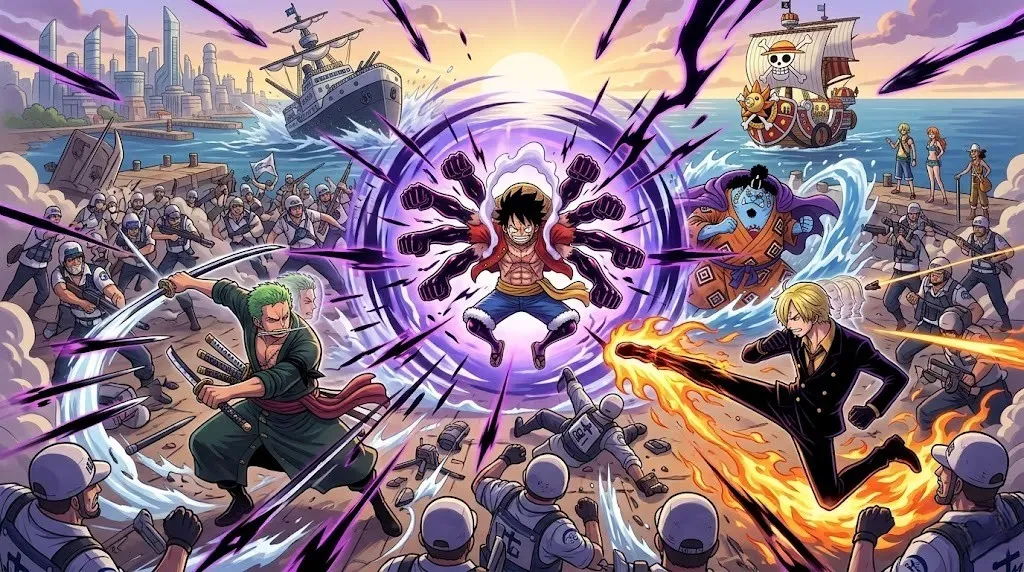
If the One Piece Chapter 1180 spoilers made this installment sound huge, the chapter’s reported structure absolutely supports that reaction. Multiple outlets agree that Chapter 1180 is titled “Omen” and focuses on Saint Nerona Imu overwhelming the battlefield, injuring Gerd, freeing and restoring captured allies, swatting away both Zoro and Sanji, and ending on a loaded Imu vs Loki stare-down. That makes this less of a bridge chapter and more of a villain coronation.
For a fast One Piece Chapter 1180 recap, the chapter’s momentum is ruthless. Imu arrives, imposes control immediately, and never really gives Elbaf’s defenders a chance to settle the fight. Zoro’s resistance does not shift the balance, Sanji’s intervention does not slow the advance, and the larger point becomes obvious: Oda wants readers to understand that this enemy is operating on a completely different level. Post-release commentary backs that up, with GameRant calling the power display worthy of a final antagonist, while CBR has already framed this stretch of the manga as the story’s endgame intensifying on Elbaf.
Why Imu Omen power changes everything
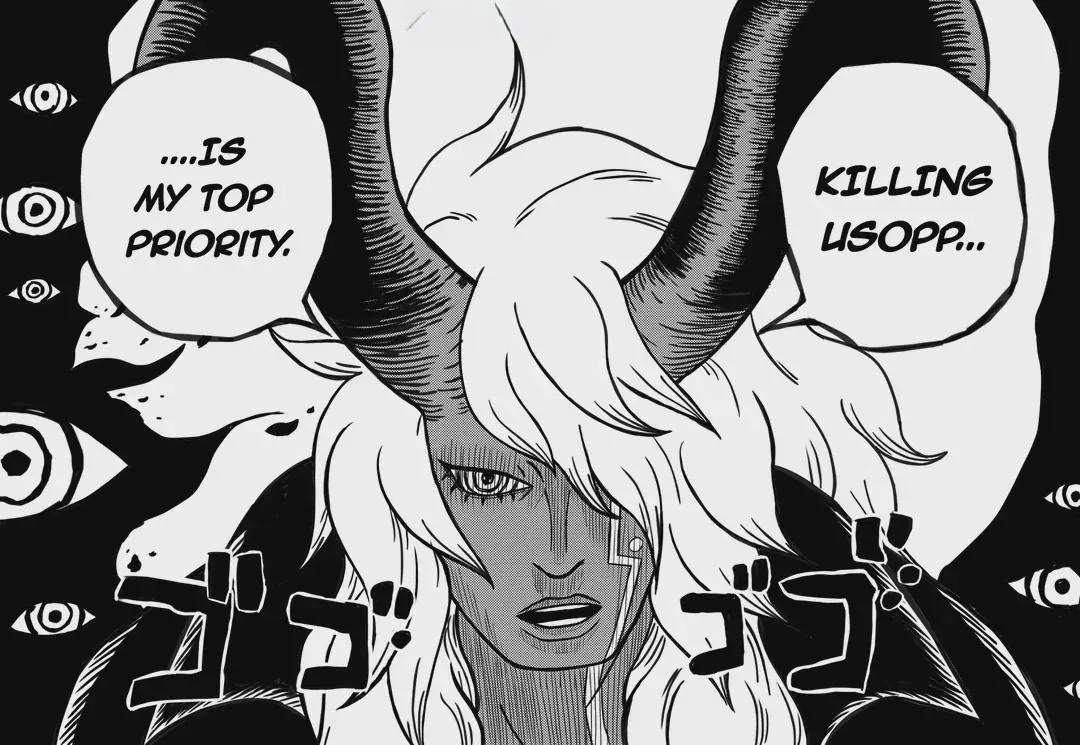
The new Imu Omen power is the chapter’s biggest reveal. FandomWire and SuperHeroHype describe Omen as a black-flame technique tied to both destruction and restoration, while Dexerto reports that Imu uses it after effortlessly stopping Zoro’s attack with his tail. The practical effect is what really matters: Omen does not feel like a normal battle move. It feels like a power that rewrites the terms of the fight by letting Imu hurt opponents, restore subordinates, and keep pressing forward without losing momentum.
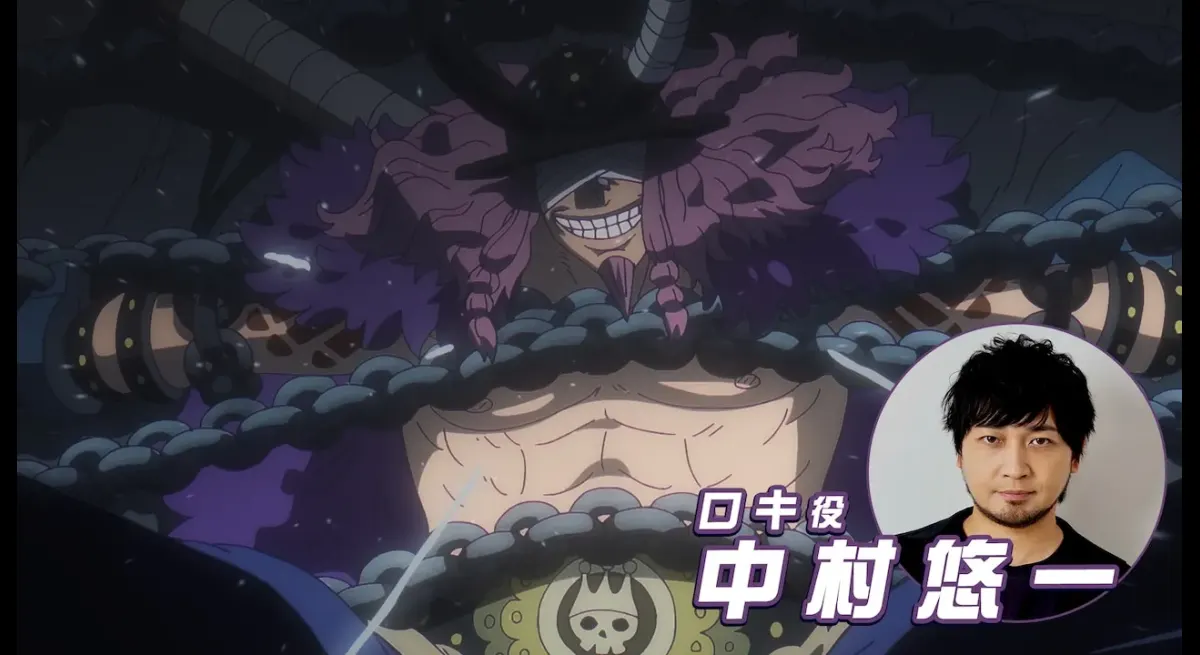 Also ReadYuichi Nakamura as Loki in "ONE PIECE": Elbaf Edition OP by Aina The End
That is why this chapter lands so hard on a review level. Mystery alone never makes a final villain memorable; performance does. Chapter 1180 gives Imu performance. FandomWire’s spoiler coverage describes the power as something that could change how readers think about strength, death, and control in the series, and GameRant’s post-release verdict says the showcase finally reveals Imu’s true strength in a way worthy of a final boss. Even allowing for some early-coverage interpretation, the core takeaway is clear: Imu is no longer terrifying because of secrecy. Imu is terrifying because of execution.
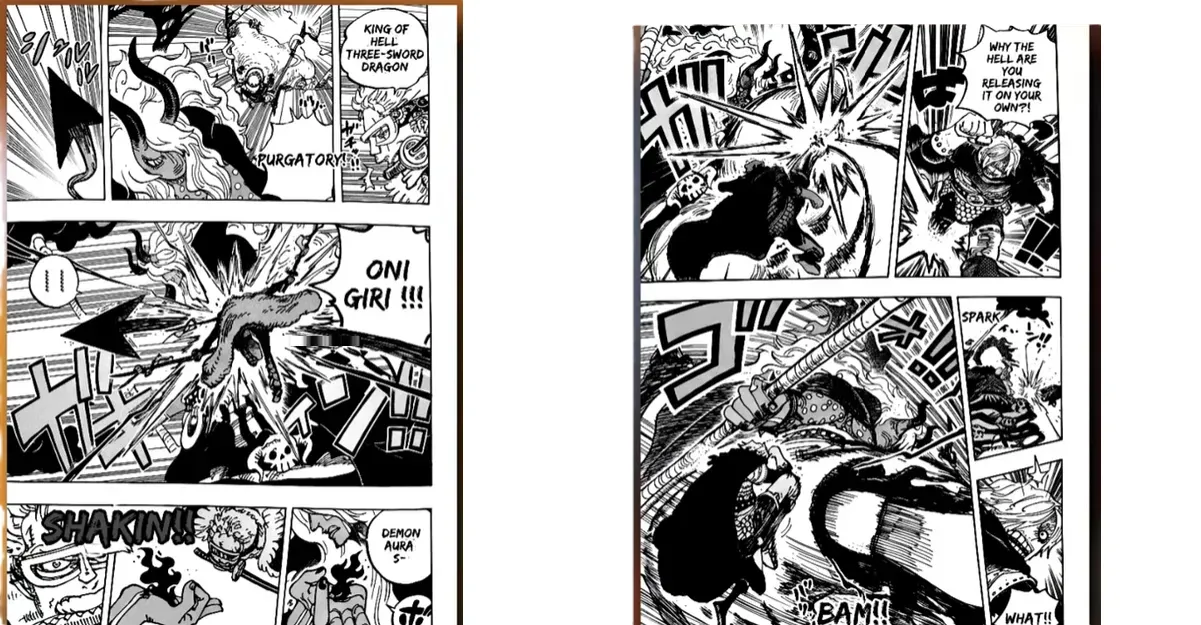
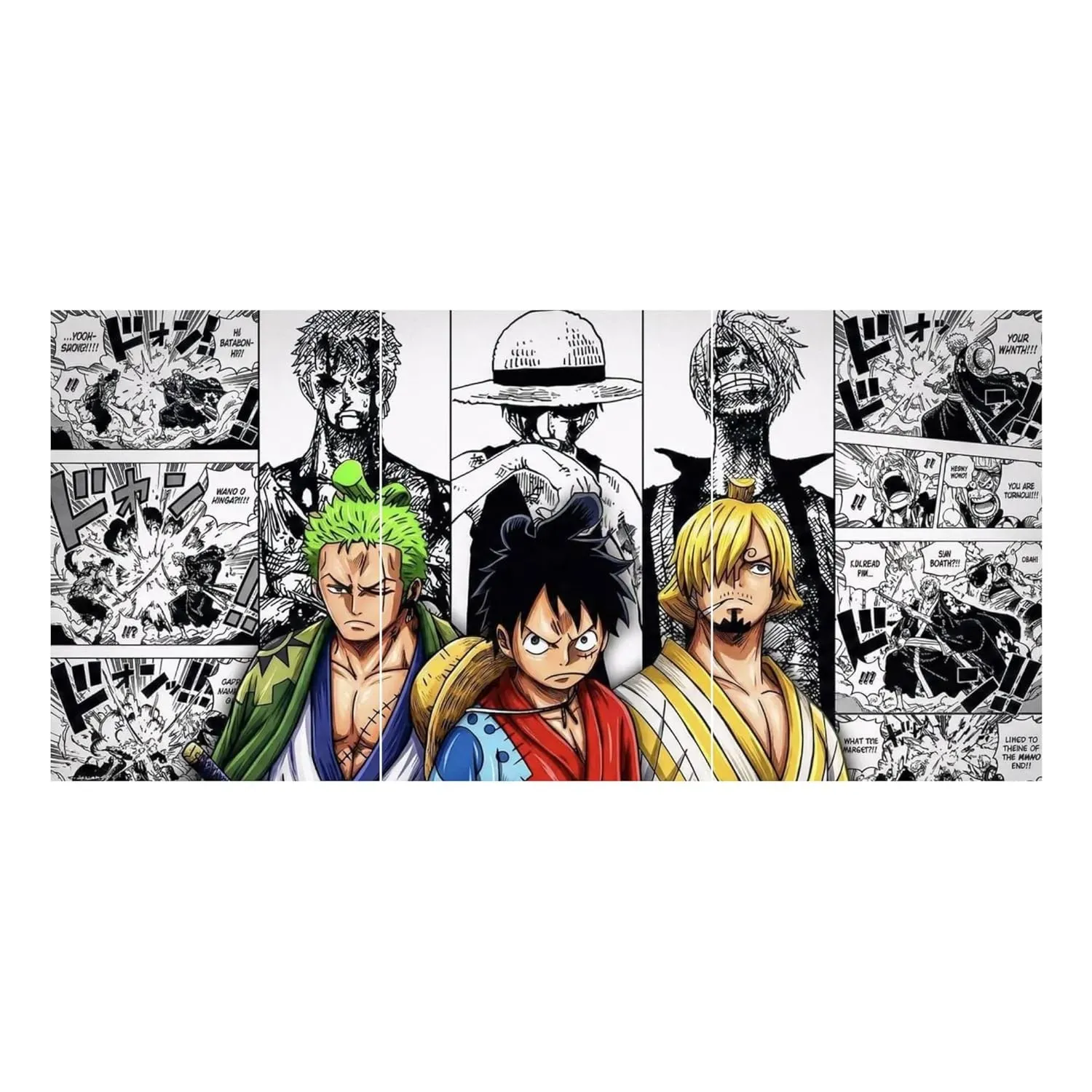
The Zoro vs Imu exchange is short, but that is exactly why it works. Zoro attacks with real intent, only for Imu to shut him down almost casually and answer with Omen. The Sanji vs Imu follow-up uses the same logic. Sanji steps in, Imu blocks, and the counter comes back with black flames and explosive force. In pure review terms, these scenes are not there to embarrass the Straw Hats. They are there to serve as measurement tools. If two of the crew’s most reliable combat answers cannot create space here, readers instantly understand the danger level of the chapter and the broader Elbaf arc.
One Piece 1180 ending explained
The best part of the One Piece 1180 ending explained is that the cliffhanger is not just visual. FandomWire’s ending breakdown says Imu reveals an interest in someone linked to King Harald’s death 14 years earlier, refers to Harald as a servant, and provokes Loki into directly rejecting that framing and identifying himself as the person Imu wants. That turns the chapter ending into more than hype. It gives the conflict motive, memory, and political weight. This is where Imu vs Loki stops being a cool matchup idea and starts looking like the emotional center of the next phase of the Elbaf fight.
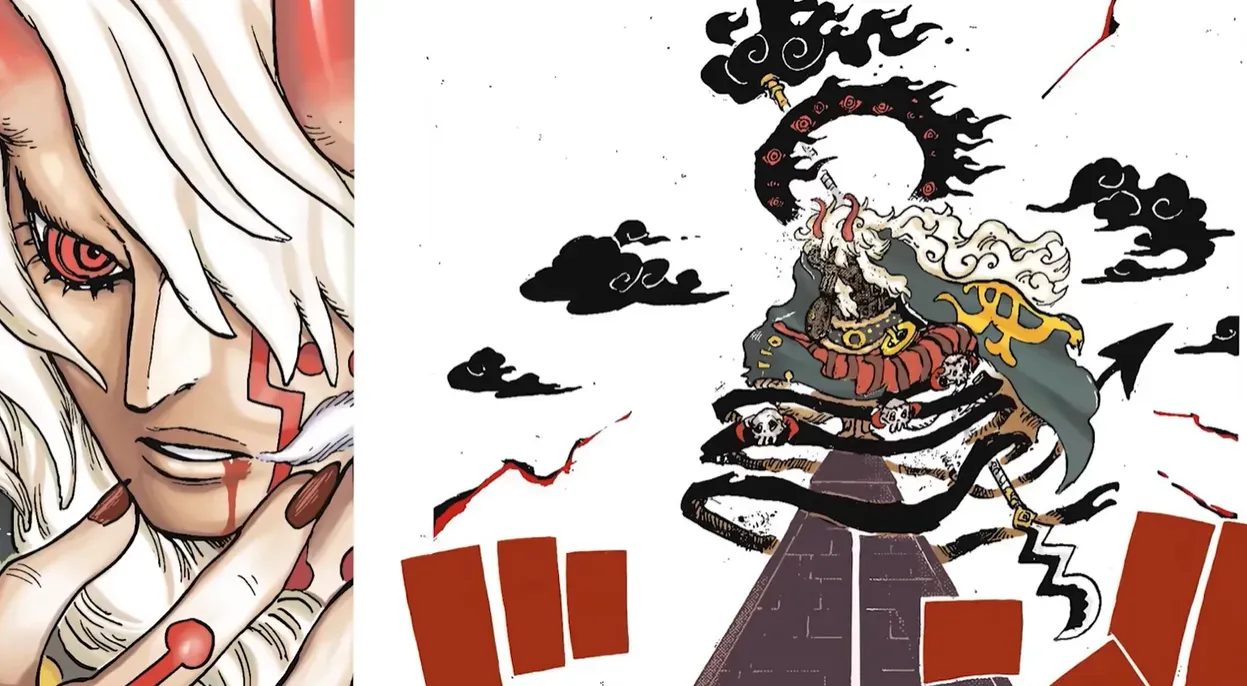 Also ReadOne Piece Chapter 1180 "Omen" Spoilers: Imu's God-Like Power Destroys Zoro & Sanji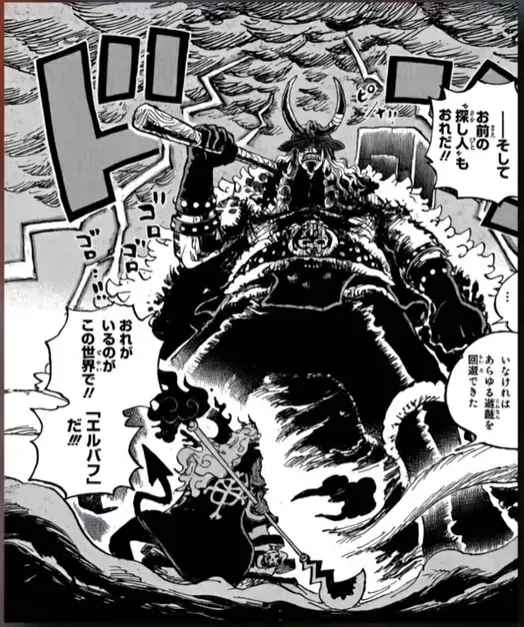
That turn is especially smart for the Elbaf arc because it does not rush immediately into the obvious Luffy-versus-Imu confrontation. Earlier coverage around Chapter 1179 stressed that Imu’s descent into Elbaf changed the tone of the arc, and Chapter 1180 pays that off by giving Loki genuine agency instead of leaving him as background legend. SoapCentral’s spoiler coverage noted that this ending carries extra weight because many readers did not expect Loki to become central so quickly. That surprise helps the chapter. Rather than burning its biggest possible matchup too early, Oda lets Elbaf answer for itself first.
This is also the kind of chapter that benefits from clear reader guidance. Fans looking for the official release should be pointed toward Manga Plus and VIZ’s Shonen Jump pages, while schedule-watchers can use Popverse’s release tracker to follow weekly chapter timing. Those are the most reliable public sources for official access, release windows, and the next-chapter cadence.
My verdict is simple: Chapter 1180 is a high-impact, high-tension villain showcase that earns the noise around it. It works because it does three things at once:
- it proves Saint Nerona Imu is a battlefield monster,
- it makes the Imu Omen power feel like a real system-breaking threat,
- and it gives the Imu vs Loki ending genuine emotional charge.
The only mild drawback is that some readers may find Zoro vs Imu and Sanji vs Imu a little too one-sided on first read. Even so, as a full detail review, this is exactly what a late-saga chapter should do: lower the heroes’ safety margin, raise the villain’s aura, and make the next release feel essential. Dexerto and SuperHeroHype both reported that there is no break after this chapter, which only strengthens the momentum. Overall score: 9/10.



format(webp))


// Comments