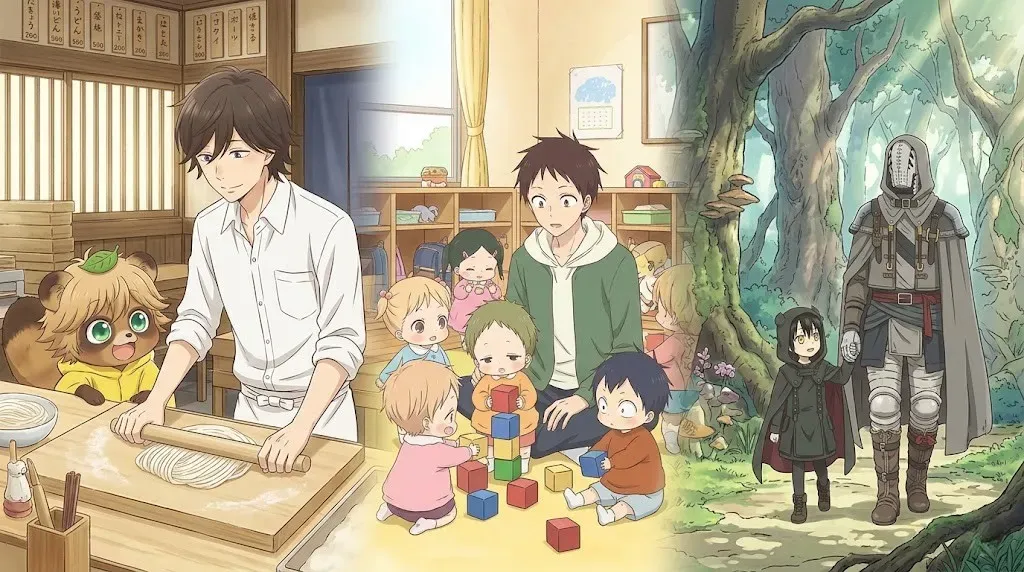
Introduction to Slice-of-Life Anime and Kotaro Lives Alone
The slice-of-life genre has long been a sanctuary for anime fans seeking stories that mirror the complexities of the human experience. Unlike high-octane shonen or speculative sci-fi, these narratives find magic in the mundane, focusing on emotional growth, daily struggles, and the quiet beauty of interpersonal connections. In recent years, the genre has evolved to tackle heavier social issues with a gentle touch, and no series embodies this shift quite like Kotaro Lives Alone.
When the series first premiered, audiences were introduced to Kotaro Sato, a four-year-old boy who moves into an apartment building by himself. While the premise sounds like a whimsical comedy, it quickly reveals itself as a profound exploration of childhood trauma and resilience. This unique blend of adorable aesthetics and gut-wrenching realism created a massive demand for more animes like Kotaro lives alone that can balance tears with smiles.
As we move through 2026, the appetite for "healing" anime—often referred to as iyashikei—remains at an all-time high. Viewers are looking for best slice of life anime that provides more than just escapism; they want stories that validate their emotions while offering hope. Whether you are a seasoned fan or a newcomer, finding an underrated heartwarming anime that captures the essence of a "found family" is a rewarding journey.
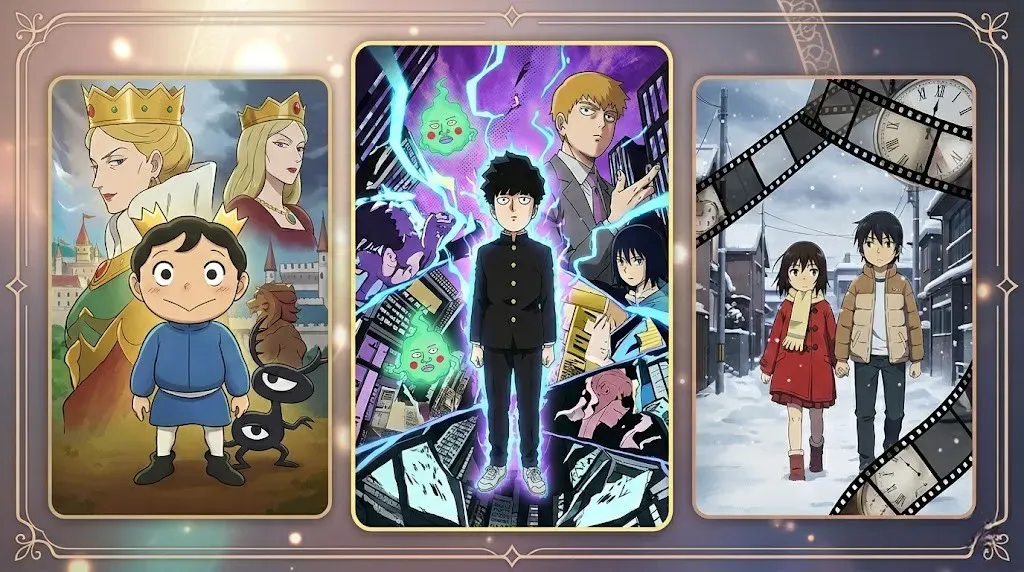 Also Read10 Best Anime With No Fanservice, Ranked
What Makes Kotaro Lives Alone So Unique?
At first glance, the art style of Kotaro Lives Alone is simplistic, almost resembling a children’s picture book. However, this is a deliberate creative choice that contrasts sharply with the mature themes of the narrative. Kotaro’s stoic demeanor, formal speech patterns, and obsession with being "strong" are not just quirks; they are coping mechanisms developed in the wake of severe neglect and domestic instability.
The show succeeds because it refuses to patronize its young protagonist. It treats Kotaro’s situation with the gravity it deserves while highlighting the power of a supportive community. His neighbors—a struggling manga artist, a woman working in a hostess bar, and a man with a rough exterior—slowly transition from curious bystanders to an unofficial protective circle. This transformation is a masterclass in the found family anime tropes that fans adore.
Furthermore, the series utilizes episodic storytelling to peel back layers of Kotaro’s past. Each episode usually presents a small daily task, such as buying tissues or going to a public bath, which triggers a flashback or a realization about his upbringing. This structure makes the show incredibly digestible yet emotionally heavy, setting a high bar for any anime about single parents and children or solitary living.
Key Themes: Childhood, Loneliness, and Community
The primary theme driving these stories is the concept of "found family." Many of the best slice of life anime revolve around characters who, for various reasons, cannot rely on their biological relatives. Instead, they forge deep, meaningful bonds with neighbors, coworkers, or even strangers. In Kotaro’s world, the apartment complex becomes a sanctuary where adults learn as much from a child as he does from them.
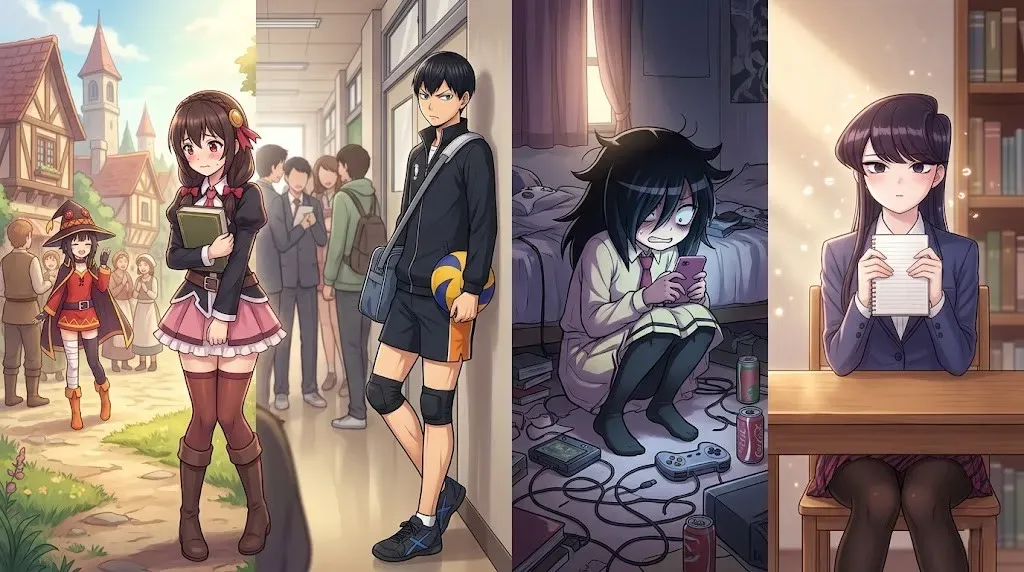 Also Read10 Best Anime Characters With Social Anxiety, Ranked
Loneliness is also portrayed with significant nuance. It isn't just the absence of people; it is the feeling of being misunderstood or abandoned. Kotaro’s loneliness is silent and structured, whereas his neighbor Karino’s loneliness is chaotic and stagnant. By bringing these different forms of isolation together, the genre demonstrates how community acts as a mirror, helping individuals see their own worth through the eyes of others.
Finally, there is the theme of childhood innocence versus adult responsibility. These series often highlight how children observe the world with terrifying clarity. When searching for animes like Kotaro lives alone, viewers often look for that specific "heartbreakingly beautiful" quality where a child’s simple perspective provides a profound lesson for the adults around them, forcing them to grow up and take responsibility for their own lives.
Criteria for Selecting Animes Like Kotaro Lives Alone
To identify the best recommendations, we looked for series that share specific DNA with Kotaro’s story. The first criterion is emotional resonance. Any show on this list must be a "heartbreakingly beautiful anime series" that isn't afraid to explore sadder themes like grief, abandonment, or social anxiety while maintaining an overall wholesome tone.
The second criterion is the presence of a "caretaker" dynamic. Whether it is a single parent, a guardian, or a group of neighbors, the interaction between a vulnerable character and those who step up to support them is crucial. This often involves the best "anime about single parents and children" or those that subvert the traditional family unit through found family dynamics.
Lastly, we prioritized shows with high production value and strong character writing. In 2026, the standards for animation and voice acting are higher than ever. We’ve selected titles that have stood the test of time or emerged as modern classics, ensuring that each recommendation offers a high-quality viewing experience that satisfies the modern search intent for wholesome anime recommendations.
10 Best Slice-of-Life Anime Like Kotaro Lives Alone, Ranked
10. Deaimon: Recipe for Happiness

This underrated heartwarming anime follows Nagomu Irino, a man who returns to his family's traditional sweets shop after a decade in Tokyo. There, he meets Itsuka, a young girl who has been abandoned by her father and taken in by the shop owners. Much like Kotaro, Itsuka is incredibly responsible for her age and skeptical of the adults around her. The slow-burn bond between the whimsical Nagomu and the serious Itsuka is a joy to watch.
9. Gakuen Babysitters

After losing their parents in a plane crash, Ryuuichi and his toddler brother Kotaro (sharing the same name\!) are taken in by a stern academy chairwoman on the condition that Ryuuichi joins the school's babysitting club. While it looks like a cute comedy about babies, it is a deeply emotional look at processing grief. The way the characters support one another through their shared loss makes it one of the best wholesome anime recommendations.
8. Kakushigoto

Kakushi Goto is a single father who writes raunchy manga, but he is terrified that his daughter, Hime, will find out. The series oscillates between hilarious comedy and touching father-daughter moments. However, it is the underlying mystery of Hime’s mother and the flash-forwards to Hime as a teenager that provide the emotional weight, making it a perfect companion for fans of Kotaro’s story.
7. Somali and the Forest Spirit

If you enjoy the "found family" aspect in a more fantastical setting, this is a must-watch. In a world where humans are nearly extinct, a Golem finds a small human girl named Somali. Despite having no emotions or biological connection to her, the Golem travels the world to find her a home. It is a visually stunning exploration of what it means to be a parent, even when you aren't human. You can find more about its production on Wikipedia.
6. The Yakuza's Guide to Babysitting

Kirishima is a violent Yakuza enforcer known as the "Demon of Sakuragi." To curb his violent tendencies, his boss gives him his most difficult assignment yet: babysitting the boss's young daughter, Yaeka. The contrast between Kirishima’s rough lifestyle and Yaeka’s quiet, lonely existence creates a beautiful dynamic where both characters learn to open their hearts.
5. Poco's Udon World

Souta Tawara is a web designer who returns to his hometown after his father's death. In his family’s old udon shop, he finds a small, supernatural boy named Poco. As Souta takes care of Poco, he confronts his regrets regarding his relationship with his late father. It is a poignant look at "single parenting" and moving on from the past, wrapped in a cozy, rural aesthetic.
4. Sweetness and Lightning

Following the death of his wife, Kouhei is struggling to raise his young daughter, Tsumugi. Realizing he has been feeding her pre-packaged meals, he starts learning to cook with the help of one of his students. This series uses food as a medium for healing, focusing on the small victories of daily life. It is widely considered one of the best anime about single parents and children for its realistic portrayal of the challenges of widowhood.
3. March Comes in Like a Lion
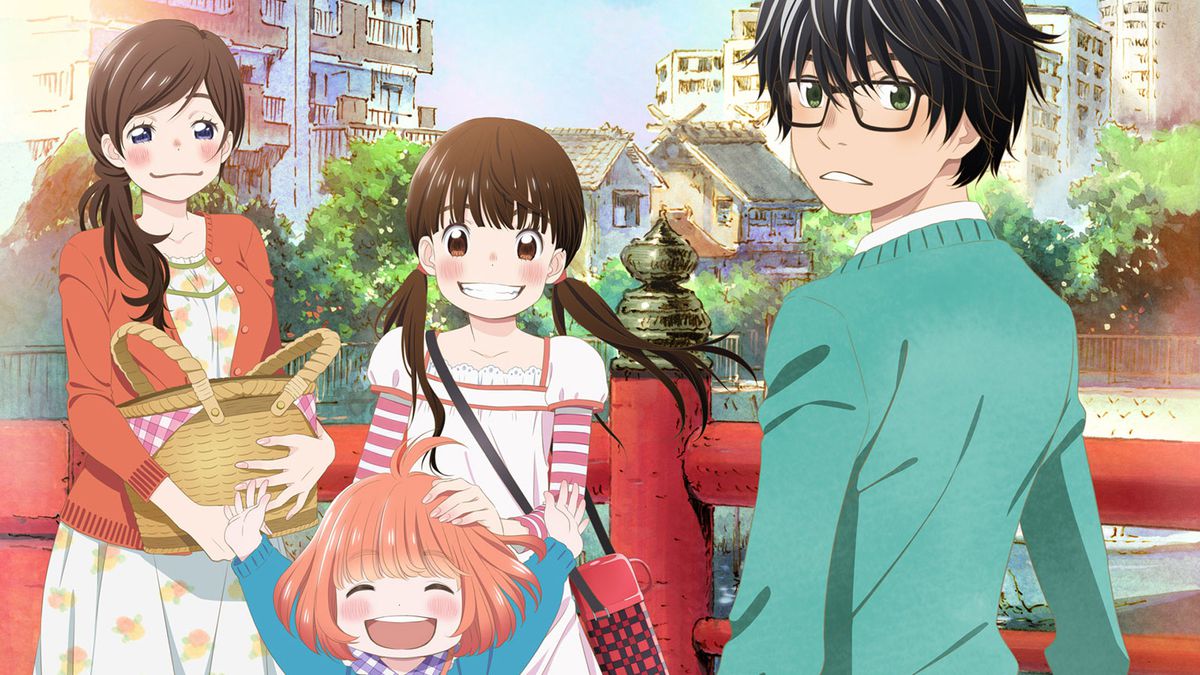
While this series focuses on a teenage shogi player, Rei Kiriyama, it shares the heavy atmosphere of loneliness and the "found family" salvation found in Kotaro. Rei is an orphan living in isolation until he is befriended by the Kawamoto sisters. Their warmth and hospitality provide a stark contrast to his internal depression. It is a masterpiece of character writing and a pillar of the best slice of life anime category.
2. Bunny Drop (Usagi Drop)
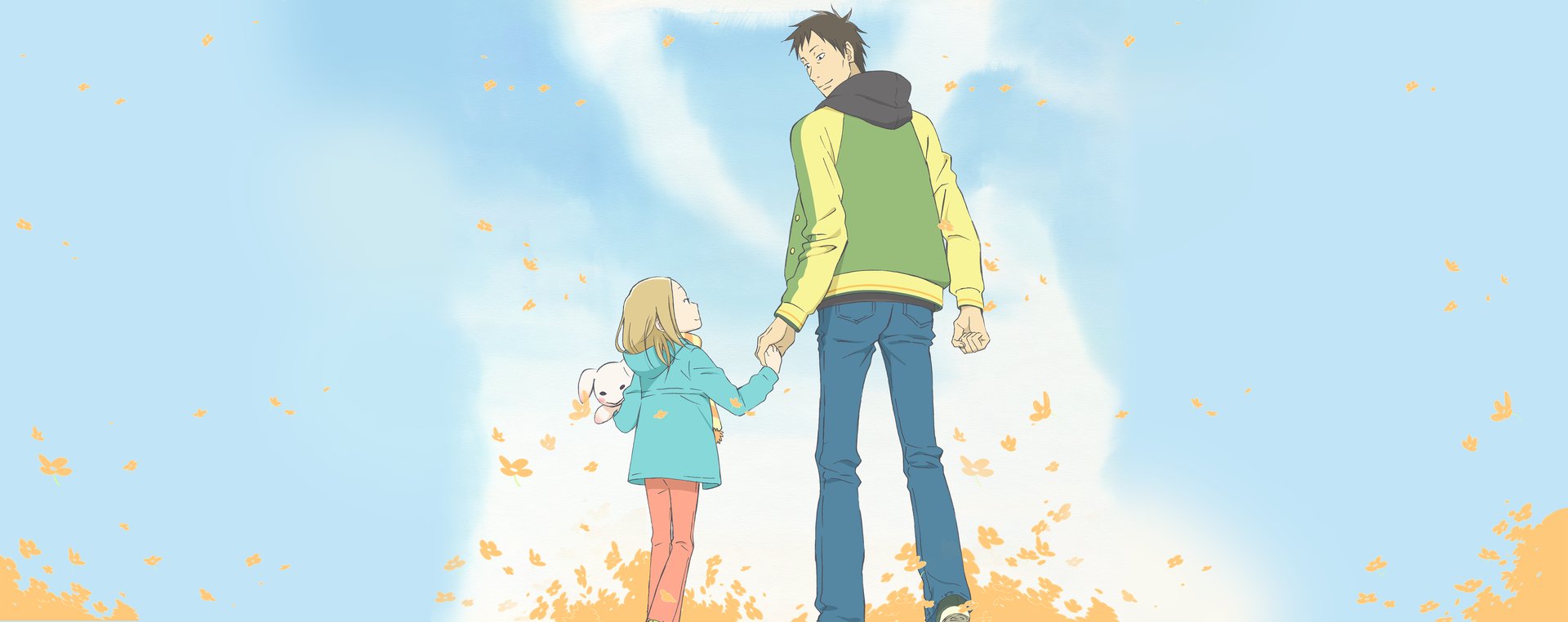
When Daikichi, a 30-year-old bachelor, attends his grandfather's funeral, he discovers that the old man had an illegitimate daughter named Rin. With the rest of the family treating the girl like an outcast, Daikichi decides to take her in. Unlike many other series, Bunny Drop focuses heavily on the practical sacrifices of parenting, from changing work schedules to finding daycare, making it incredibly grounded and relatable.
1. Spy x Family

While it is primarily known for its action and comedy, Spy x Family is, at its heart, the ultimate found family story. Loid (a spy), Yor (an assassin), and Anya (a telepath) all enter a fake marriage for their own hidden agendas. However, Anya’s perspective as a child who just wants a family mirrors Kotaro’s own silent desires. The moments where they inadvertently become a real family are what make this the top-ranked series for fans of the genre.
Honorable Mentions: Other Heartfelt Series to Watch
While the top ten cover the most direct parallels, several other series deserve a mention for those who have finished the main list. Barakamon is a fantastic choice if you want to see a frustrated adult find their spark again through the antics of a spirited village child. It captures the "community" aspect of Kotaro perfectly.
For a more supernatural twist on the caretaker theme, Miss Kobayashi's Dragon Maid offers a surprisingly deep look at what makes a family, despite its comedic exterior. Additionally, Aishiteruze Baby is an older but classic "underrated heartwarming anime" that follows a high school playboy forced to care for his five-year-old cousin after her mother abandons her.
These series might vary in tone—ranging from slapstick humor to quiet contemplation—but they all share the fundamental belief that no one should have to navigate the world's hardships alone. They emphasize that kindness often comes from the most unexpected places.
Where to Stream the Best Slice-of-Life Anime
In 2026, most of these titles are readily available across major streaming platforms. For fans looking for the highest quality library of slice-of-life titles, Crunchyroll remains the industry leader. Their "Slice of Life" category is expertly curated, featuring everything from the latest seasonal hits to classic staples. You can check their current lineup on the Crunchyroll official website.
Netflix is the exclusive home for Kotaro Lives Alone and has been expanding its catalog with other heartfelt series like Spy x Family and various Studio Ghibli films (in certain regions). Hulu and Amazon Prime Video also host several of the titles mentioned, often through partnerships with distributors like Sentai Filmworks or Funimation.
- Crunchyroll: Best for March Comes in Like a Lion, Sweetness and Lightning, and Gakuen Babysitters.
- Netflix: The primary source for Kotaro Lives Alone and Spy x Family.
- Hulu: Often hosts Bunny Drop and Kakushigoto.
Conclusion: The Lasting Impact of Kotaro’s Journey
The success of animes like Kotaro lives alone proves that audiences are hungry for stories with emotional substance. In an age of digital noise, there is something profoundly moving about watching a small child navigate life with dignity and a group of flawed adults finding their purpose by protecting him. These stories remind us that vulnerability is not a weakness and that community is our greatest strength.
Whether you are drawn to the "found family" trope or you are looking for a "heartbreakingly beautiful anime series" to help you process your own feelings, the slice-of-life genre offers a diverse range of experiences. From the competitive shogi halls of March Comes in Like a Lion to the cozy kitchens of Sweetness and Lightning, there is a world of heartwarming content waiting for you.
As you explore these recommendations, remember that the "best" anime is the one that speaks to your current stage of life. Kotaro may live alone, but his story has brought millions of fans together, proving that even the smallest character can leave the largest impact on our hearts.









format(webp))










// Comments