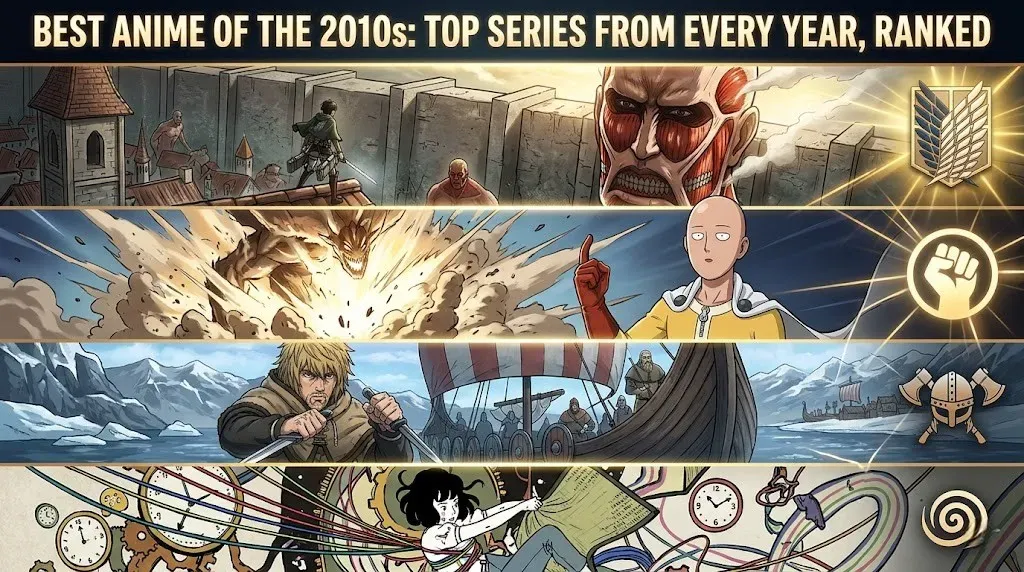
Introduction to the Best Animes of the 2010s
The 2010s represented a transformative period for the global animation industry. Looking back from 2026, it is clear that animes 2010s served as the bridge between niche subculture and mainstream global dominance. This decade was defined by a surge in high-fidelity animation, the rise of dark fantasy, and the deconstruction of long-standing tropes.
From the psychological depth of Steins;Gate to the explosive action of Attack on Titan, the decade offered something for every palate. Fans witnessed the birth of modern classics that continue to top charts today. This era was not just about quantity; it was about a fundamental shift in how stories were told and consumed on a global scale.
In this comprehensive guide, we dive into the greatest anime from the 2010s. We will rank the top series from every year between 2010 and 2019, exploring the shows that shaped the cultural zeitgeist. Whether you are a veteran fan or a newcomer, these 2010s anime rankings every year provide a roadmap to the decade's most essential viewing.
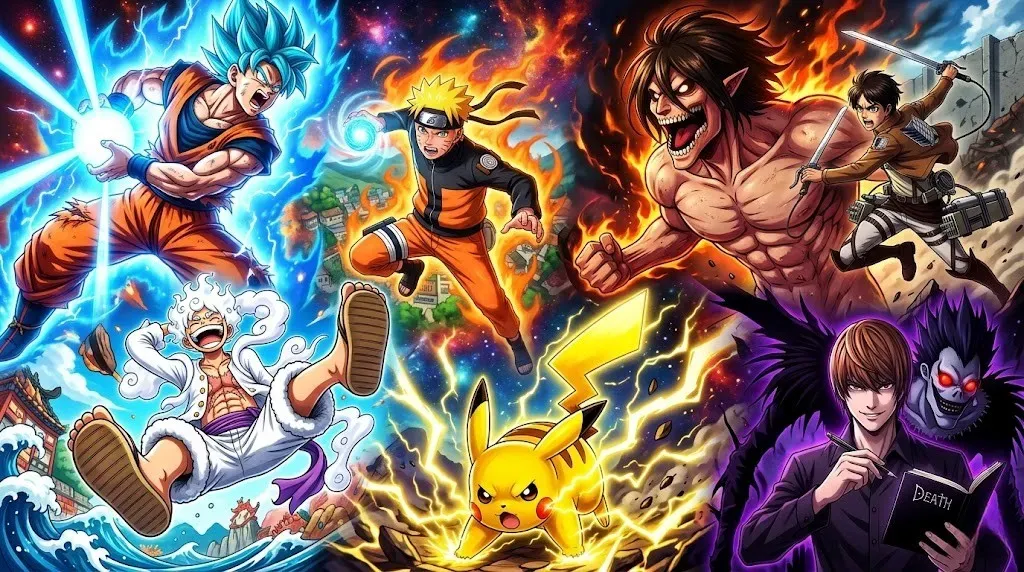 Also ReadMost Viewed Anime of All Time?
Why the 2010s Was a Golden Era for Anime
Many historians and critics refer to this period as a second "Golden Era." The primary reason was the diversification of content. While the 90s were defined by battle shonen and the 2000s by the "Big Three," the 2010s saw the emergence of experimental projects that found massive commercial success.
Technological advancements also played a massive role. Studios like Ufotable and MAPPA pushed the boundaries of what was possible by blending 2D and 3D animation seamlessly. This resulted in visual spectacles that were previously unimaginable, raising the bar for the entire industry.
Furthermore, the 2010s was the decade where "Seasonal Anime" became the standard. This structure allowed for tighter pacing and higher production values compared to the long-running, "infinite" series of previous decades. It created a constant cycle of fresh, must-watch 2010s anime every three months.
Criteria for Ranking the Top Series of the Decade
Ranking a decade’s worth of content requires a balanced approach. Our selection for the best 2010s anime series is based on several critical pillars to ensure the list reflects both quality and impact:
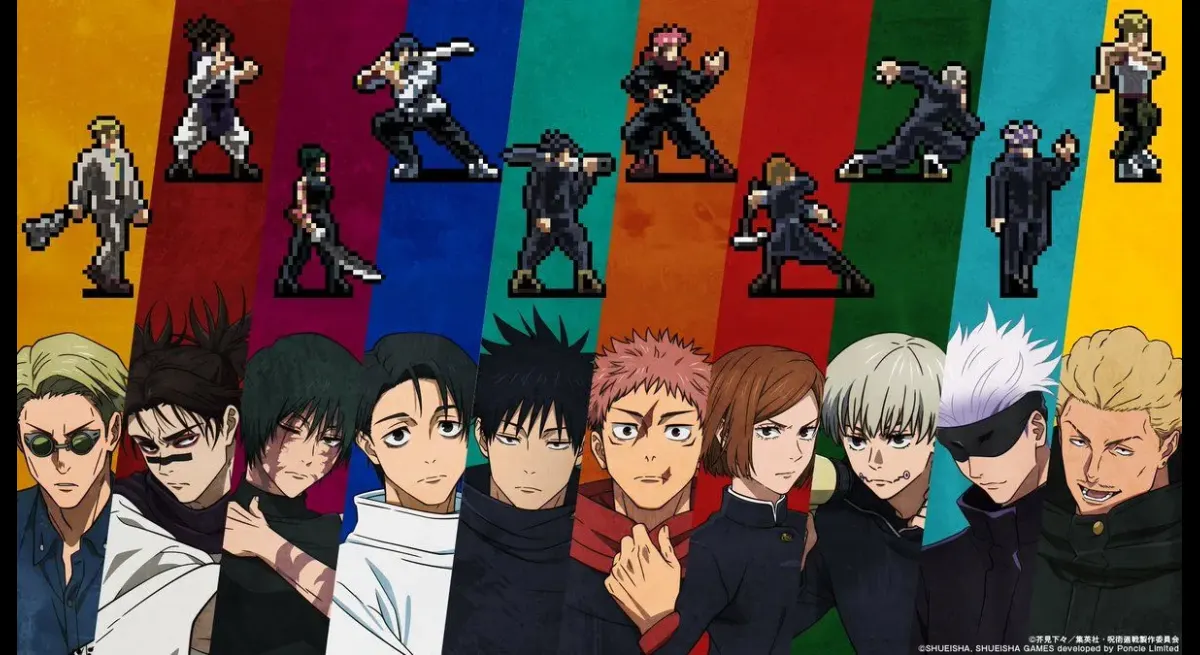
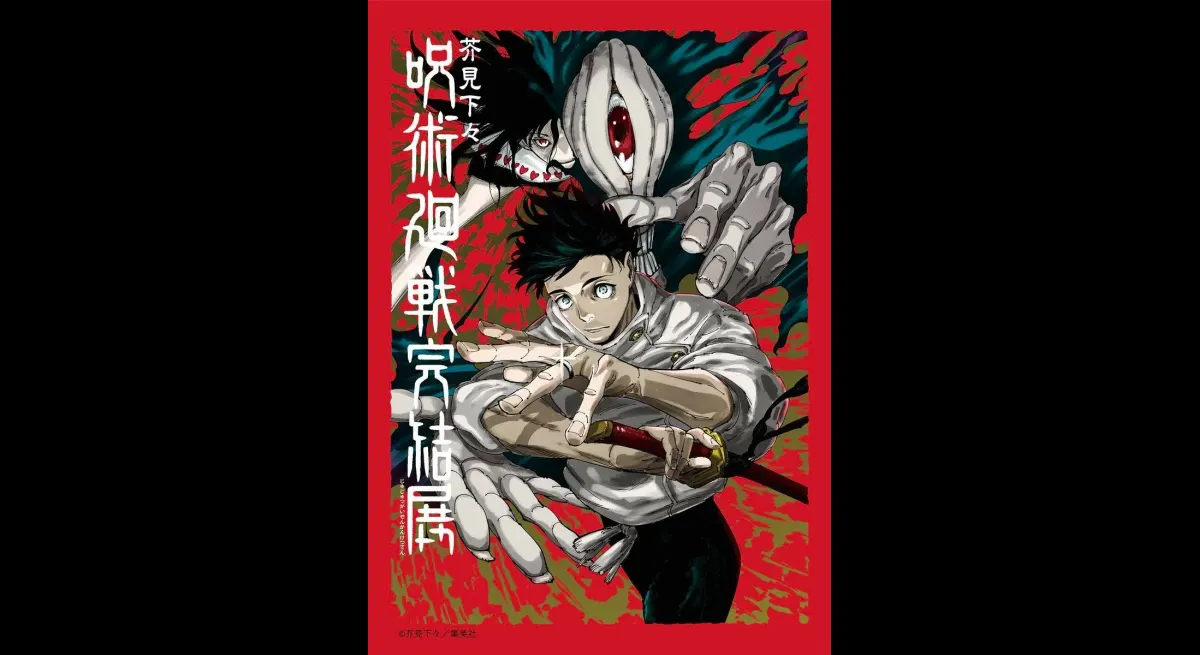 Also ReadGege Akutami Returns for Jujutsu Kaisen Final Exhibition Starting Dec 25
- Cultural Impact: How much did the series influence the medium, fan culture, or even mainstream media?
- Production Quality: We evaluate the consistency of animation, voice acting, and soundtrack throughout the series run.
- Narrative Innovation: Did the show bring something new to its genre or subvert expectations in a meaningful way?
- Longevity: Is the series still discussed, recommended, and rewatched years after its initial conclusion?
By applying these criteria, we can move beyond mere popularity to identify the iconic 2010s anime shows that truly define the era. Every year produced hundreds of titles, but only one can stand at the peak as the representative of its time.
Best Anime of the 2010s: Top Series From Every Year, Ranked
2010: The Tatami Galaxy

2010 was a year of experimentation, but The Tatami Galaxy stands as its crowning achievement. Directed by Masaaki Yuasa, this psychological comedy-drama uses a unique art style to explore the "what ifs" of college life. It is a brilliant, fast-paced exploration of fate and personal choice that remains a top rated anime 2010-2019.
2011: Steins;Gate
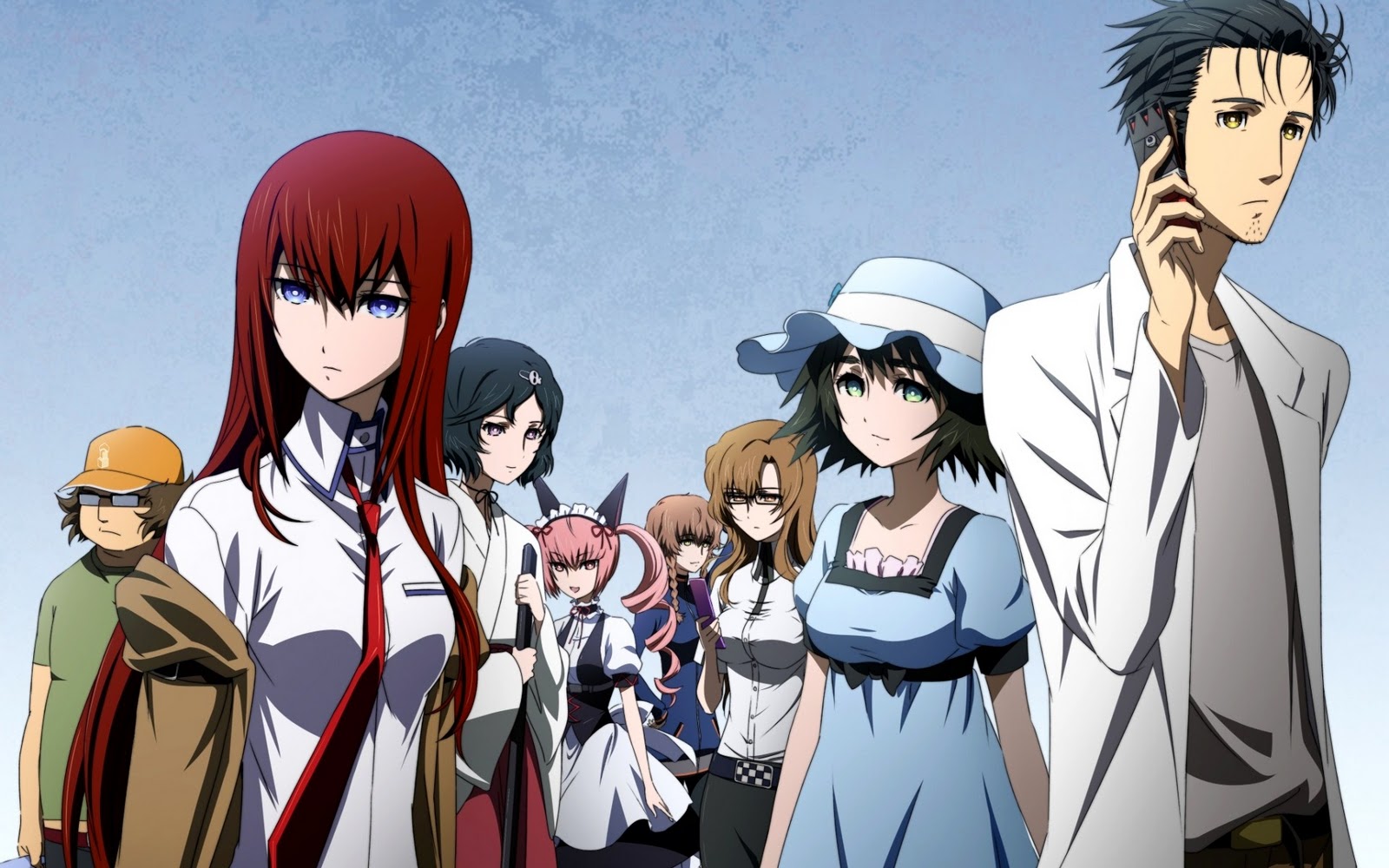
While 2011 gave us the groundbreaking Madoka Magica and Hunter x Hunter, Steins;Gate perfected the sci-fi thriller. Its intricate time-travel plot and deeply human characters made it a global phenomenon. It set the standard for how to adapt a visual novel into a cohesive, heart-wrenching narrative.
2012: Psycho-Pass

In 2012, Gen Urobuchi brought cyberpunk back to the forefront with Psycho-Pass. Exploring themes of free will and systemic justice in a dystopian future, the series challenged viewers intellectually. Its gritty aesthetic and philosophical depth make it one of the must-watch 2010s anime for mature audiences.
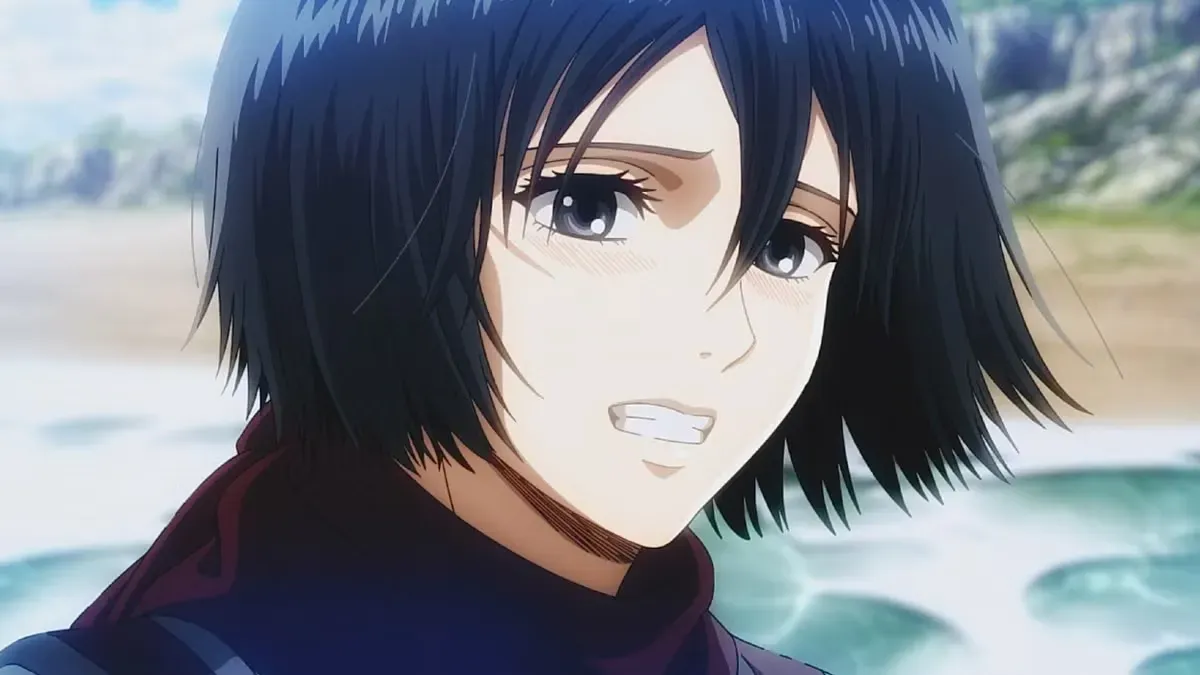
2013: Attack on Titan (Shingeki no Kyojin)
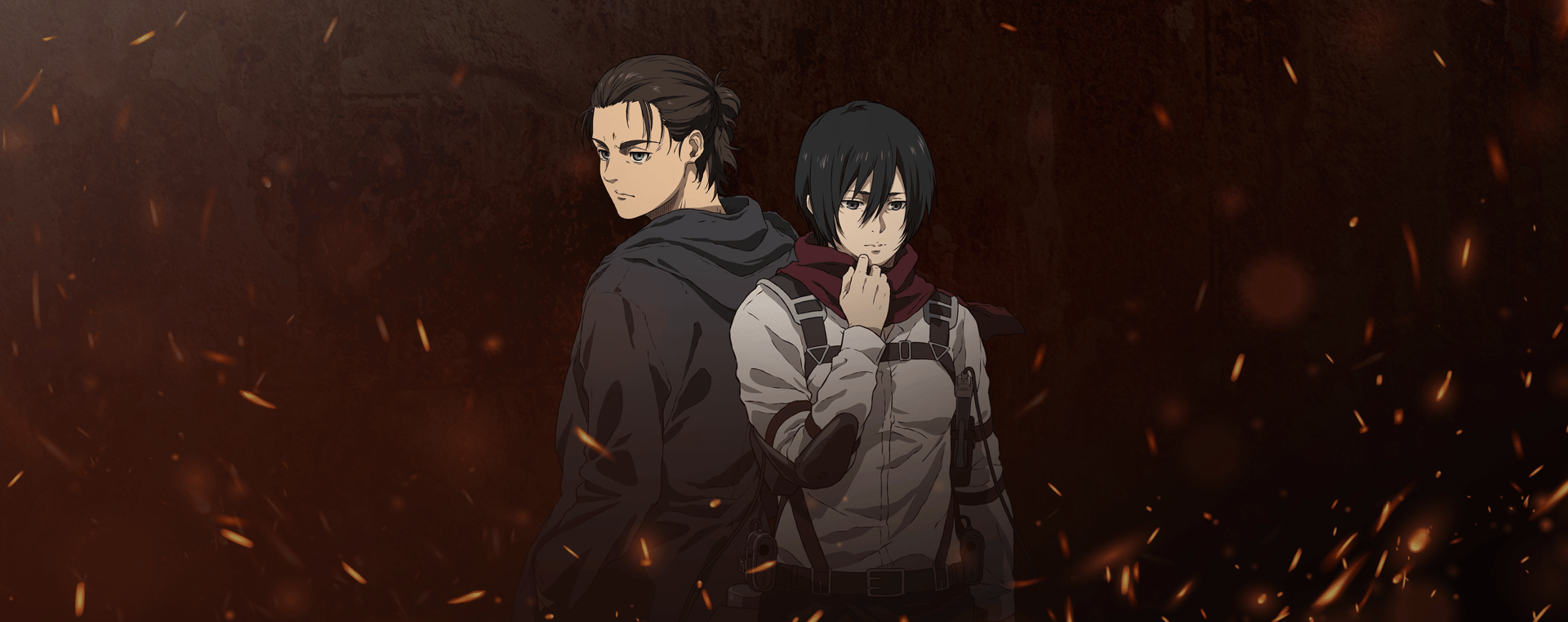
Few shows have had the immediate global impact of Attack on Titan. It shifted the industry toward darker, high-stakes narratives and became the face of animes 2010s for the general public. Its combination of mystery, horror, and high-octane action redefined the shonen genre forever.
2014: Ping Pong the Animation
format(webp))
2014 was a year for sports anime, but Ping Pong the Animation transcended the genre. With its avant-garde art style and deep character studies, it proved that sports are merely a backdrop for human growth. It is a masterclass in visual storytelling and remains one of the greatest anime from the 2010s.
2015: One-Punch Man
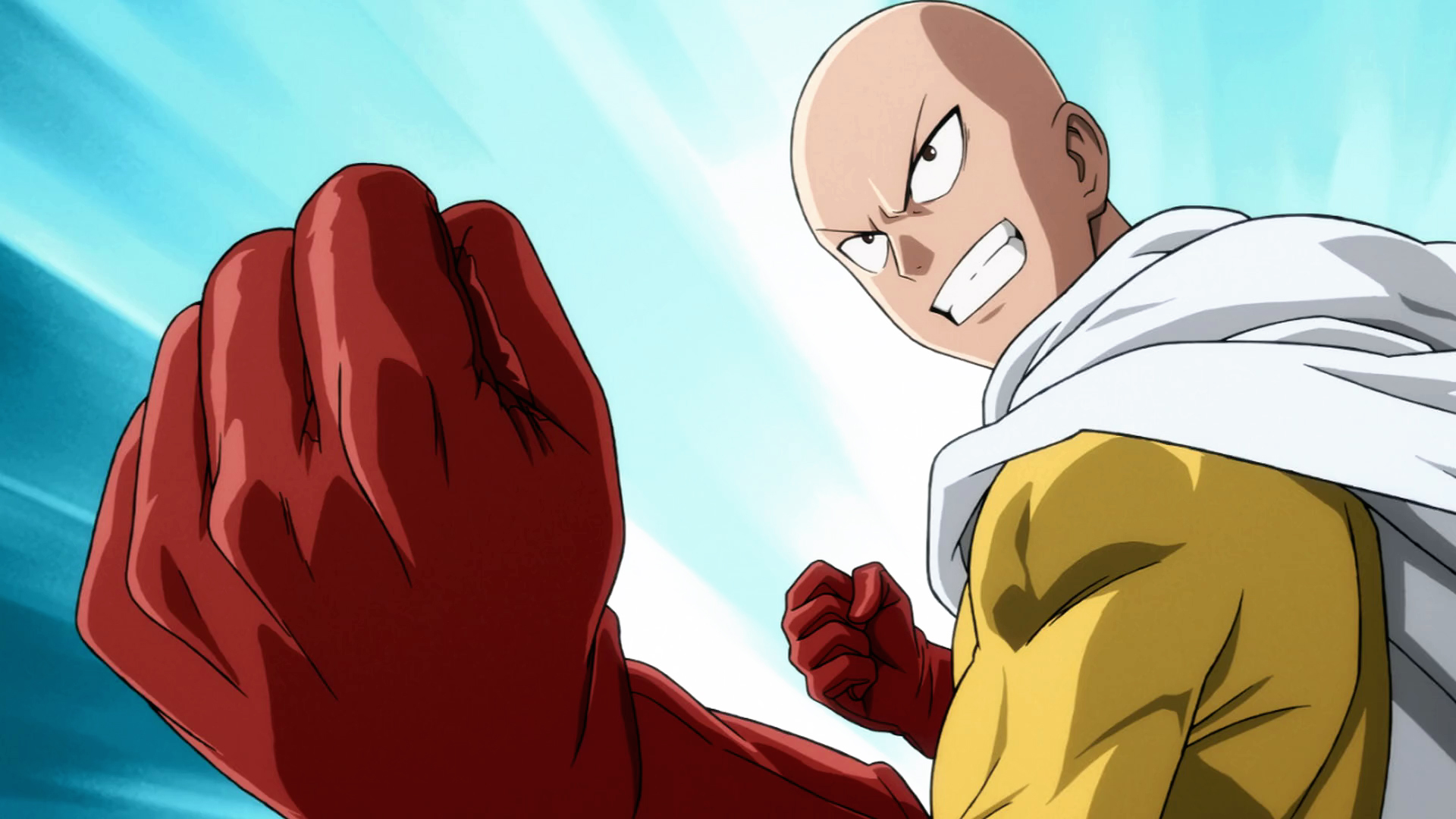
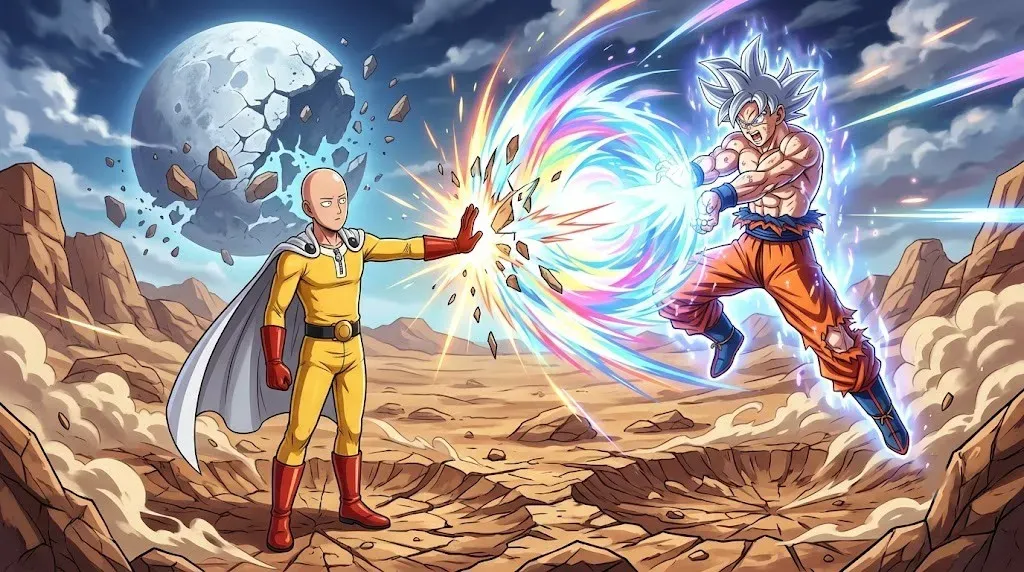
2015 saw the rise of the superhero satire. One-Punch Man combined god-tier animation from Madhouse with a hilarious subversion of battle shonen tropes. Saitama's struggle with boredom despite his absolute power resonated with millions, making it an instant iconic 2010s anime show.
2016: March Comes in Like a Lion (3-gatsu no Lion)

2016 was an incredible year for film (Your Name), but in television, March Comes in Like a Lion stood tallest. This "slice-of-life" drama offers a profound look at depression, loneliness, and the healing power of community. It is widely considered one of the best 2010s anime series for its emotional honesty.
2017: Made in Abyss
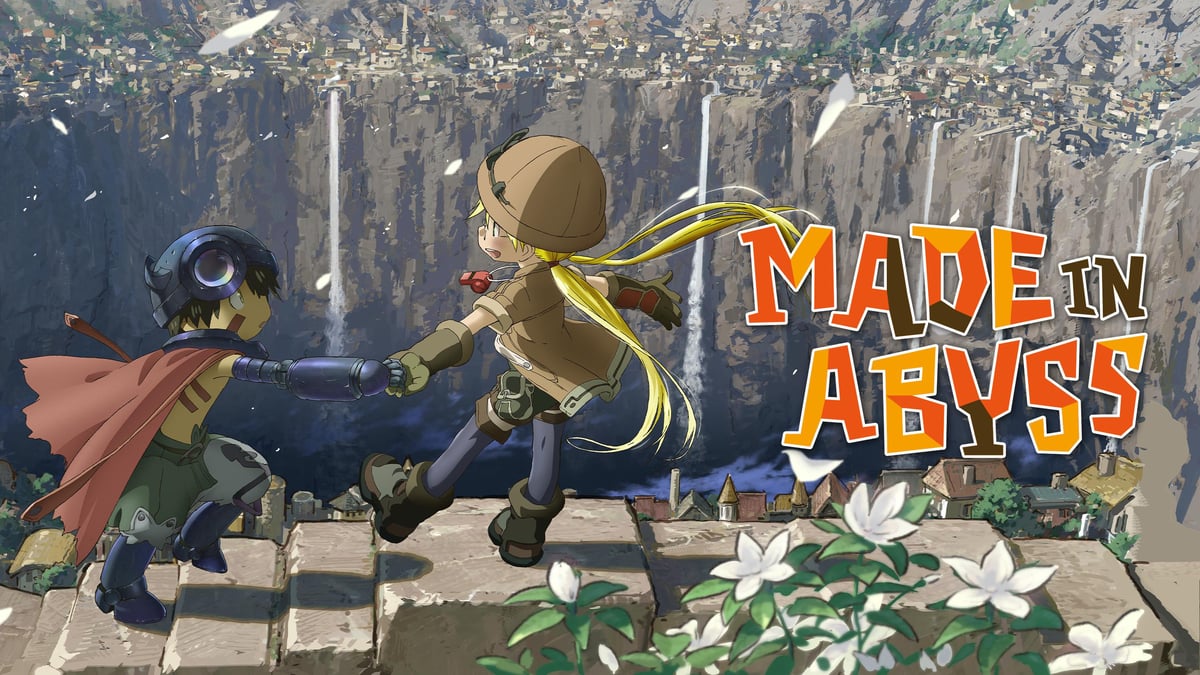
Don't let the cute character designs fool you; 2017's Made in Abyss is a harrowing journey into the unknown. Its world-building is perhaps the best of the decade, creating a sense of wonder and terror in equal measure. It perfectly captured the 2010s trend of "dark fantasy" hidden behind a bright exterior.
2018: Violet Evergarden

Kyoto Animation reached a visual peak in 2018 with Violet Evergarden. The story of an ex-soldier learning to understand human emotions through writing letters is a tear-jerker of the highest order. Its production value is so high that it often feels more like a film than a weekly television series.
2019: Vinland Saga

The decade closed out with a historical masterpiece. Vinland Saga moved away from the typical fantasy tropes to tell a grounded, brutal story of Vikings and revenge. Its first season, focusing on Thorfinn's prologue, is a masterclass in character development and political intrigue.
Impact of Streaming Services on 2010s Anime Global Reach
The accessibility of anime changed forever in the 2010s due to the "Streaming Wars." Platforms like Crunchyroll and Funimation shifted from niche services to major industry players. This allowed fans outside of Japan to watch new episodes mere hours after their Japanese broadcast.
Later in the decade, giants like Netflix and Amazon Prime Video began investing heavily in "Netflix Originals." This influx of capital led to more ambitious projects and helped the medium reach audiences who had never considered watching "cartoons" before. The global reach of animes 2010s would not have been possible without this digital infrastructure.
Simulcasting became the norm, effectively ending the era of heavy reliance on "fansubs." This formalization of the market helped support Japanese studios more directly, leading to the production boom we saw in the latter half of the decade. For more on the history of media distribution, see Wikipedia's overview of streaming media.
Defining Genres: From Dark Fantasy to Slice-of-Life
The 2010s was characterized by the "Isekai" boom, where protagonists were transported to fantasy worlds. While the genre became saturated, it produced gems like Re:Zero and Konosuba that played with and subverted expectations. This genre-defining trend is a hallmark of any 2010s anime rankings every year.
We also saw a resurgence in "Dark Fantasy." Series like Puella Magi Madoka Magica and The Promised Neverland took established, often "safe" genres and infused them with psychological horror and high stakes. This shift catered to an aging audience that had grown up with the more traditional series of the 2000s.
Conversely, the "Iyashikei" (healing) and Slice-of-Life genres reached new levels of sophistication. Shows like Yuru Camp and Non Non Biyori focused on atmosphere and relaxation, providing a much-needed escape for viewers. The decade proved that anime could be just as effective at calming the soul as it was at racing the heart.
Honorable Mentions: Must-Watch Series That Defined the Decade
No list of the best 2010s anime series can be truly complete without acknowledging the "runners-up." These shows were often just as good as the yearly winners but faced stiff competition:
- Hunter x Hunter (2011): Often cited as the perfect battle shonen, it is a massive series that redefined power systems and arc structures.
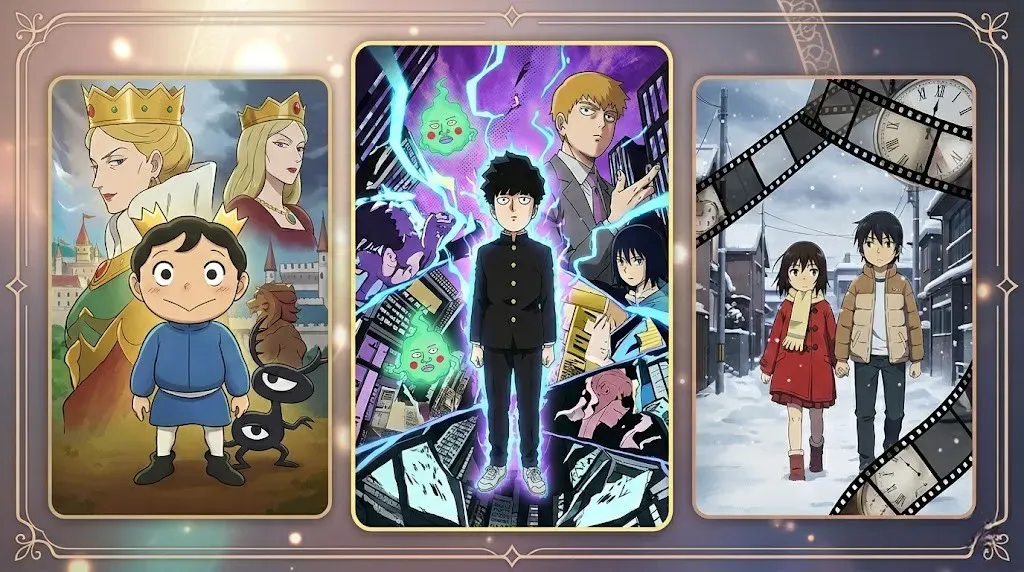
- Mob Psycho 100: A visual marvel with a heart of gold, exploring the growth of a young psychic who just wants to be "normal."
- JoJo’s Bizarre Adventure: The 2012 adaptation finally brought this legendary manga to the screen, sparking a global meme culture.
- Your Lie in April: A musical drama that left an indelible mark on fans for its beautiful performance scenes and tragic ending.
- The Monogatari Series: While it started in 2009, the bulk of its most experimental and acclaimed entries aired throughout the 2010s.
These series contribute to the reputation of the greatest anime from the 2010s, ensuring that even if you finish the "top 10," there is still a wealth of high-quality content to explore.
Conclusion: The Lasting Legacy of 2010s Anime
The 2010s was more than just a collection of great shows; it was the decade where anime became a universal language. The animes 2010s era proved that the medium could handle complex political commentary, deep psychological exploration, and groundbreaking visual art all at once.
As we look forward from 2026, the influence of these shows is visible in every new production. The standards for animation quality set by One-Punch Man and the narrative complexity of Steins;Gate continue to inspire creators. The decade laid the groundwork for the massive, mainstream industry we enjoy today.
Whether you are revisiting these classics or discovering them for the first time, the best 2010s anime series offer a timeless experience. They are a testament to human creativity and the power of animation to cross borders and touch hearts across the world.



format(webp))






// Comments