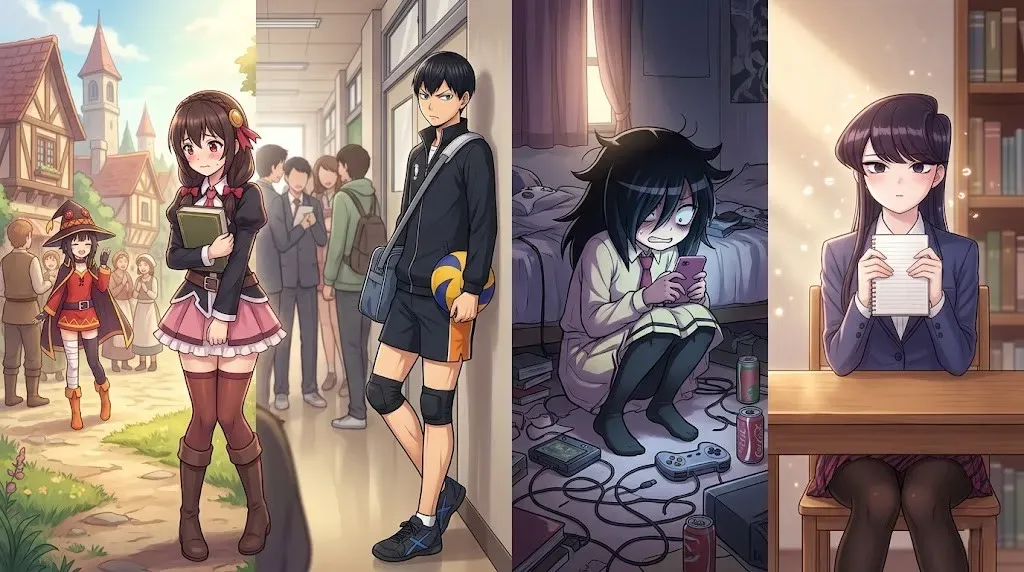
Introduction to Anime Characters with Social Anxiety
The world of anime has always been a sanctuary for those who feel out of place. While many series celebrate the loud, boisterous hero, a growing number of modern masterpieces are turning the spotlight toward anime characters with social anxiety. These stories provide a voice to the quiet observers, the overthinkers, and those for whom a simple "hello" feels like a mountain to climb.
In 2026, the demand for relatable, grounded storytelling has never been higher. Fans are no longer just looking for escapism; they are looking for reflection. By exploring the lives of socially anxious anime leads, creators are tapping into a universal human experience, proving that even those who struggle to speak can have the most profound stories to tell.
Whether it is the paralyzing fear of being judged or the physical exhaustion that comes from social interaction, these characters embody the complexities of the human psyche. This guide ranks the best representations of social anxiety in anime, celebrating the small victories that feel like monumental triumphs for these introverted anime characters.
 Also Read15 Best Shy Anime Girls & Waifus, Ranked
Understanding Social Anxiety in Anime Storytelling
Social anxiety in anime is often more than just a character quirk; it is a central narrative engine. Unlike Western media, which might treat shyness as a comedic beat, anime frequently dives deep into the internal monologues of those bad at socializing. We see the world through their distorted lens, where every gaze feels like a spotlight and every silence feels like a condemnation.
This depth is achieved through unique visual metaphors. We see characters literally shrinking in their seats, turning into stone, or vibrating with nervous energy. According to Wikipedia, social anxiety involves a significant amount of fear in social situations, and anime captures this "performance anxiety" with unparalleled artistic flair.
By centering the story on relatable anime characters with anxiety, studios are able to explore themes of isolation, friendship, and the digital age's impact on human connection. In a world that is increasingly connected yet emotionally distant, these stories resonate with a global audience that finds comfort in seeing their own struggles animated with such empathy.
Common Traits of Socially Anxious Anime Leads
While every character is unique, there are certain hallmarks that define socially anxious anime leads. These traits help viewers identify with the protagonist's journey and provide a realistic framework for their growth. Understanding these patterns is key to appreciating the best anime about social anxiety.
 Also Read10 Best Anime With No Fanservice, Ranked
- Internal Monologues: A significant portion of the screen time is dedicated to the character's thoughts, often contrasting their silent exterior with a chaotic, fast-paced inner world.
- Avoidance Behaviors: From wearing headphones to block out the world to choosing the back seat of a classroom, these characters often seek physical or metaphorical shields.
- Physical Symptoms: Anime excels at showing the physical toll of anxiety, such as stuttering, blushing, sweating, or the "shaking" effect used to denote intense nervousness.
- Over-Preparation: Many characters will script their conversations or simulate social scenarios in their heads multiple times before actually engaging with others.
Criteria for Ranking the Best Anime Characters with Social Anxiety
To determine the 10 best anime characters with social anxiety, we looked at several factors that contribute to a high-quality, impactful portrayal. It is not just about who is the "shiest," but whose struggle feels the most authentic and meaningful to the audience.
Our ranking criteria include:
- Authenticity: Does the character's anxiety feel like a realistic depiction of the disorder rather than a simplified trope?
- Character Development: How does the character navigate their anxiety? We prioritize those whose growth is hard-earned and non-linear.
- Narrative Impact: Does their social anxiety play a pivotal role in the plot and the way they interact with the world?
- Relatability: How well does the character resonate with viewers who experience similar challenges in real life?
Top 10 Best Anime Characters With Social Anxiety, Ranked
1. Hitori "Bocchi" Gotoh (Bocchi the Rock\!)
format(webp))
Bocchi is the current gold standard for anime characters with social anxiety. Her dream of being a rock star is constantly at odds with her inability to make eye contact. The show uses experimental animation to depict her "melting" or "glitching" when overwhelmed, making her the most relatable anime character with anxiety for the modern generation.
2. Shoko Komi (Komi Can’t Communicate)
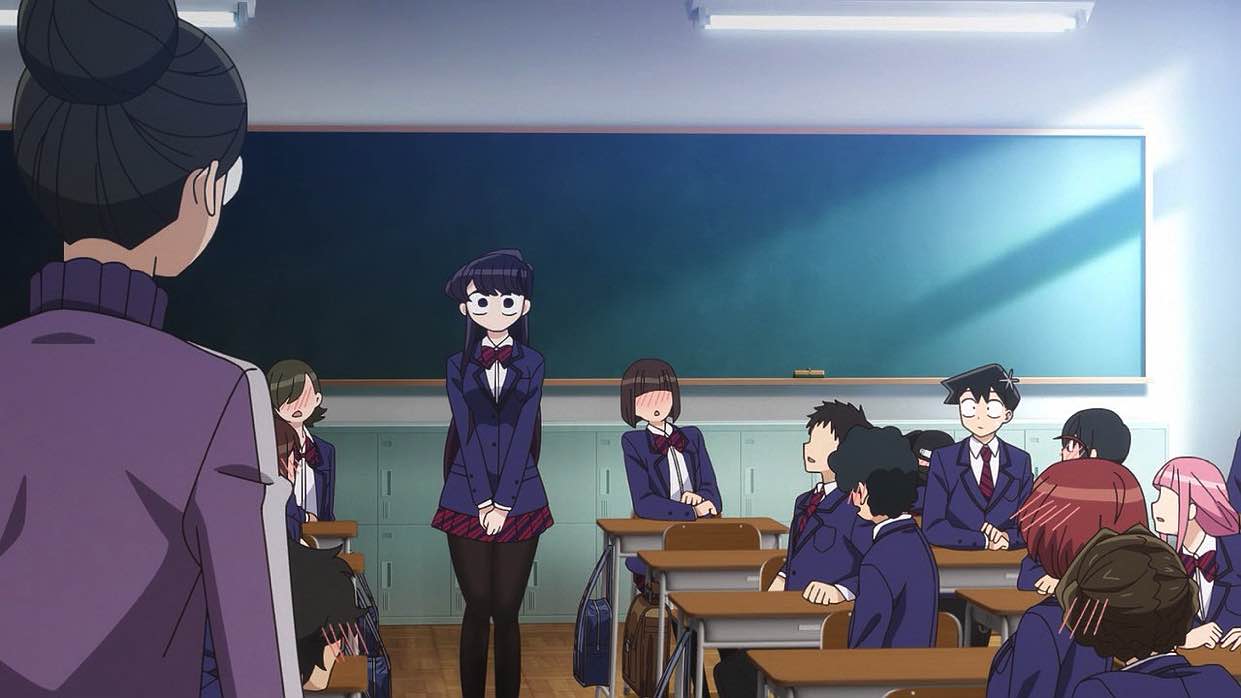
Komi is the "cool, silent beauty" of her school, but the reality is that she suffers from a communication disorder so severe it leaves her frozen. Her journey to make 100 friends is a touching exploration of how introverted anime characters find their own unique ways to connect, often through writing or small gestures.
3. Shinji Ikari (Neon Genesis Evangelion)
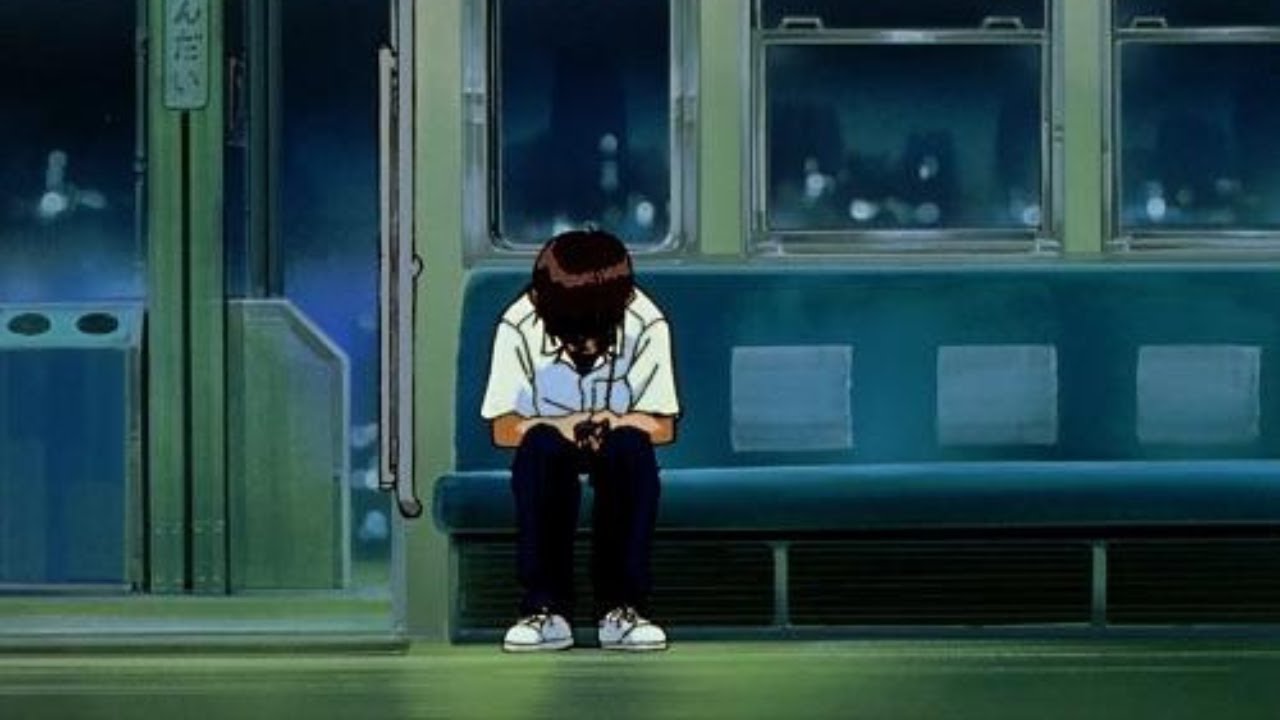
While often discussed in the context of depression, Shinji’s social anxiety is a foundational element of his character. He is an anime character bad at socializing who views human interaction as a source of inevitable pain. His struggle with the "Hedgehog’s Dilemma" remains one of the most profound meditations on the fear of intimacy in media.
4. Sawako Kuronuma (Kimi ni Todoke)
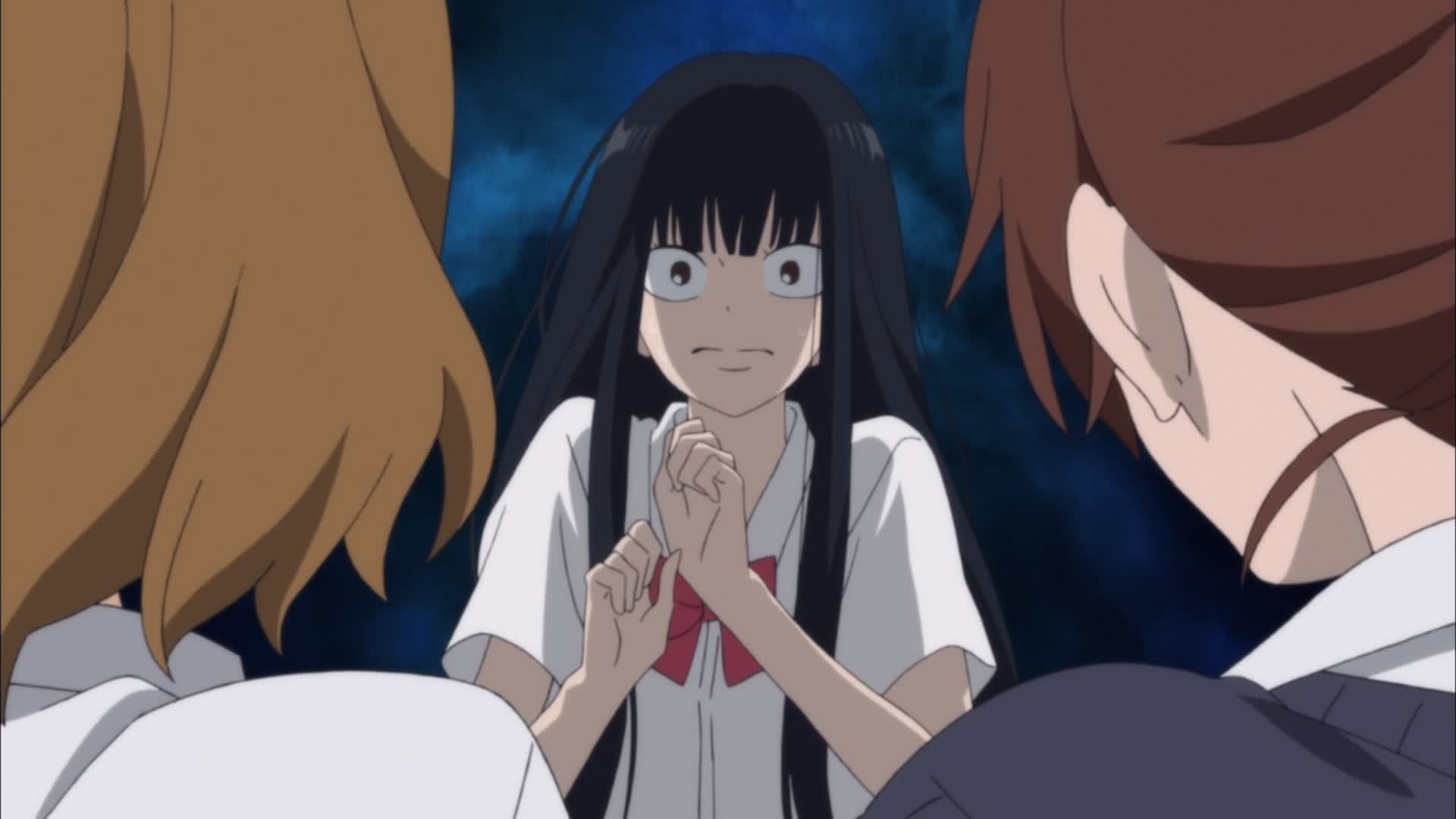
Sawako is a kind-hearted soul whose extreme shyness and resemblance to a horror movie character lead to her being misunderstood. Her story is one of the best anime about social anxiety because it focuses on the internal barriers she must break down to let others see her true self.
5. Shigeo "Mob" Kageyama (Mob Psycho 100)
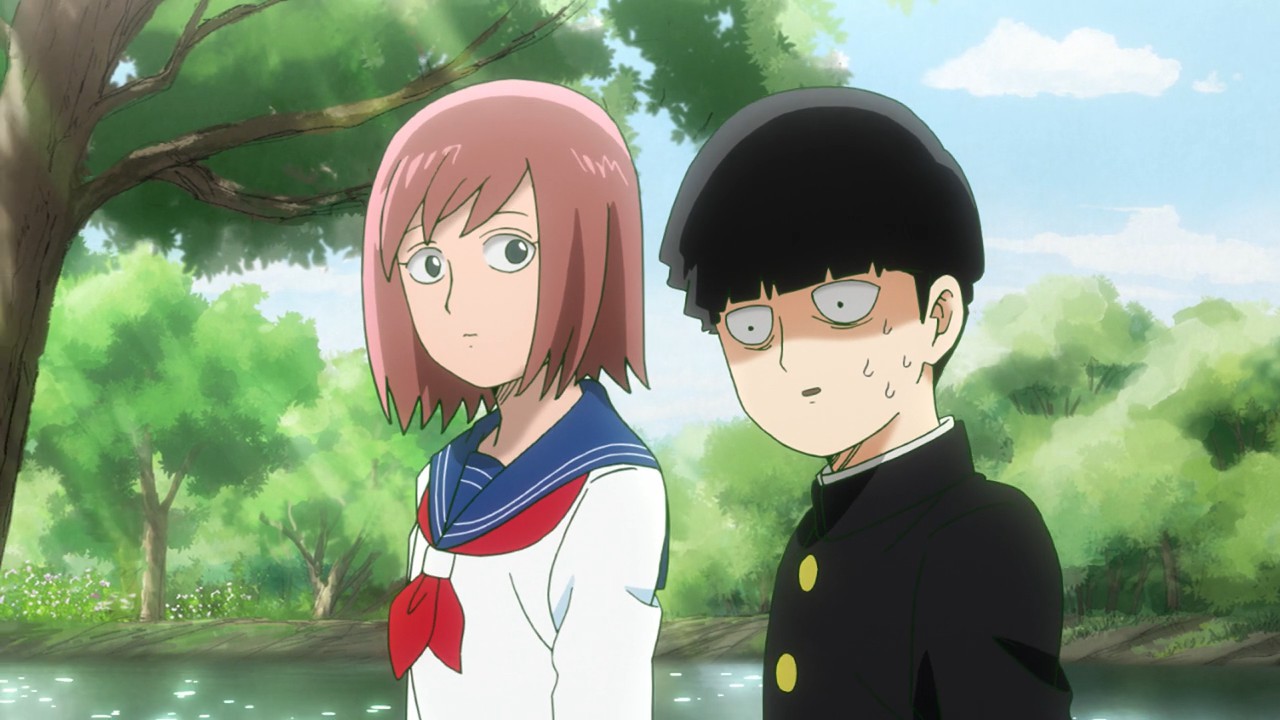
Mob is one of the most powerful psychics in existence, yet his greatest challenge is navigating basic social interactions. He is a socially anxious anime lead who prioritizes emotional intelligence and self-improvement over raw power, making his quiet journey deeply inspiring.
6. Tomoko Kuroki (WataMote)
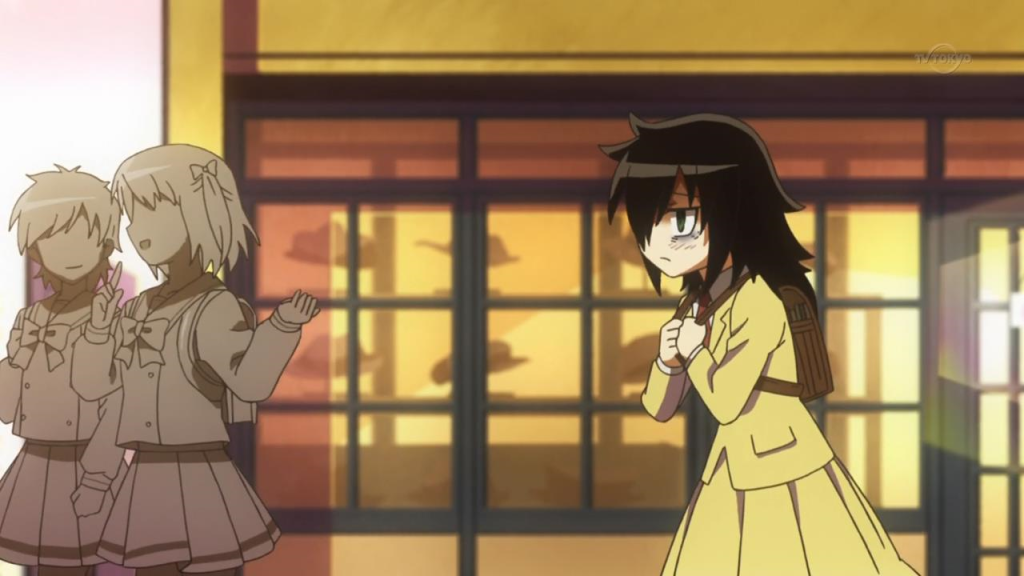
Tomoko offers a raw, sometimes cringeworthy look at social anxiety. Unlike more "polished" portrayals, Tomoko’s struggles are messy and often unsuccessful. She represents the darker, more frustrating side of being bad at socializing, which resonates with many who feel the sting of social failure.
7. Tatsuhiro Satou (Welcome to the N.H.K.)
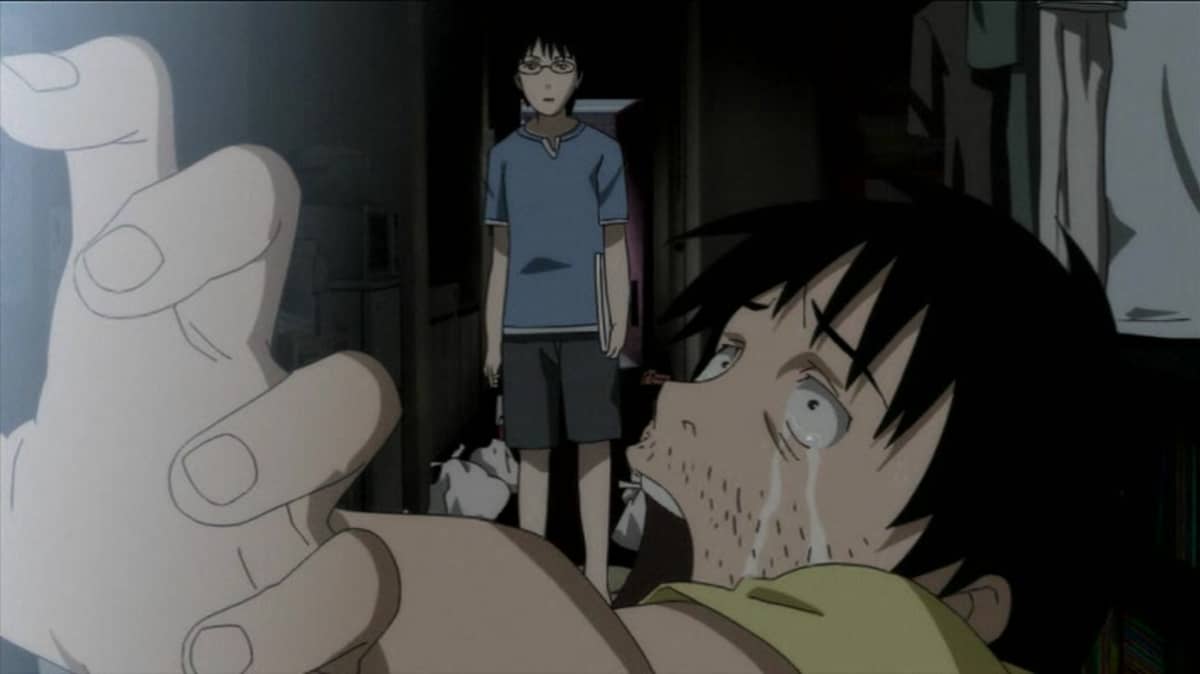
Satou is a hikikomori (shut-in) whose social anxiety has spiraled into full-blown agoraphobia and conspiracy theories. His story is a gritty, realistic look at how introverted anime characters can become lost in their own minds without a support system.
8. Kageyama Tobio (Haikyu\!\!)
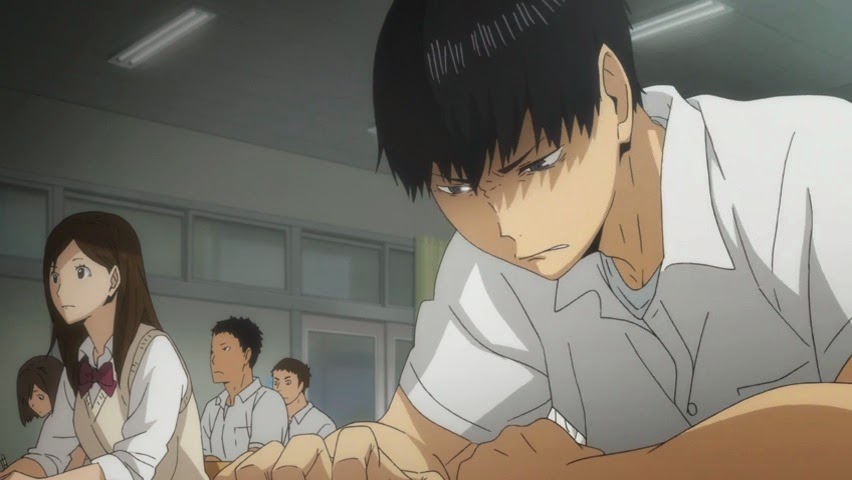
Kageyama’s anxiety manifests as bluntness and social awkwardness. He is a genius on the court but struggles to communicate his needs to his teammates without sounding aggressive. His growth into a socially anxious anime lead who learns to trust others is a highlight of the sports genre.
9. Rei Kiriyama (March Comes in Like a Lion)
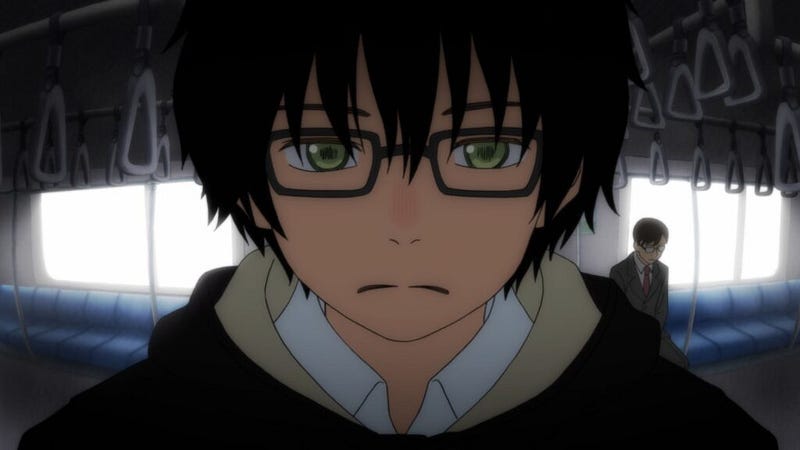
Rei is a professional shogi player who carries the weight of trauma and isolation. His social anxiety is quiet and heavy, depicted through the metaphor of being underwater. The show beautifully illustrates how community can slowly pull someone out of the depths of their own introverted anime character shell.
10. Yunyun (Konosuba)
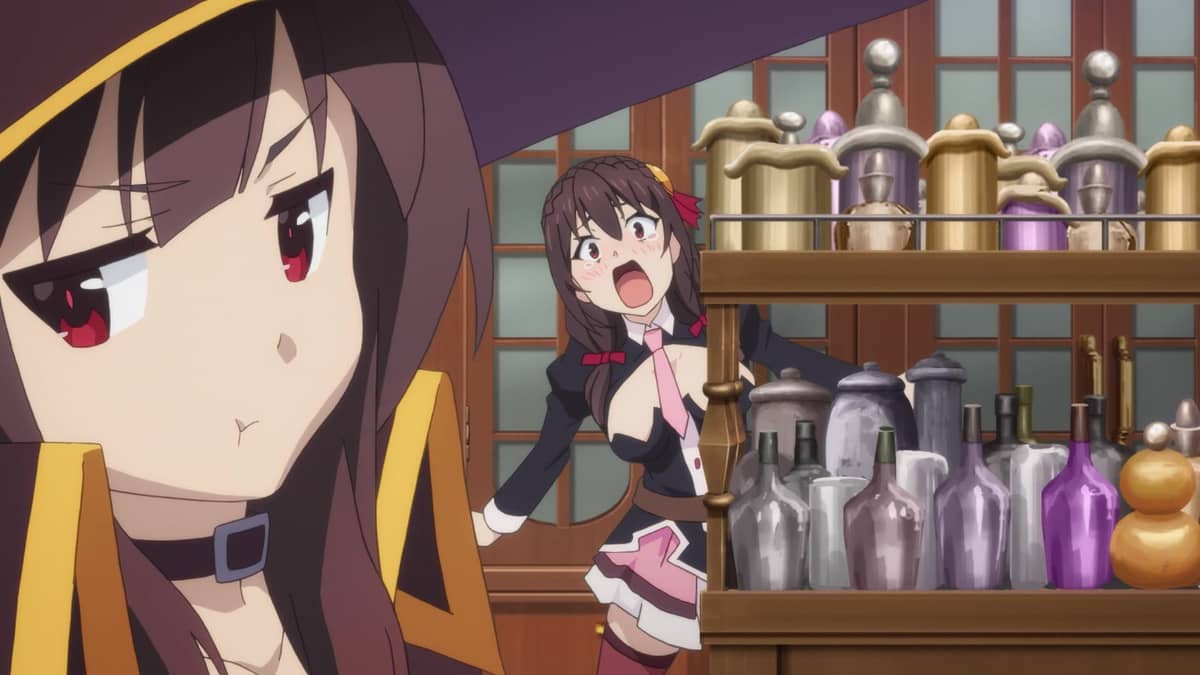
Despite being a highly skilled mage, Yunyun’s desperate desire for friendship often results in her being the butt of the joke. Her social anxiety is portrayed with a comedic touch, but her loneliness is a relatable thread that makes her one of the most beloved characters in the series.
Impact of Relatable Mental Health Representation in Anime
The rise of anime characters with social anxiety marks a significant shift in how mental health is portrayed in global media. For many viewers, these characters provide a "vocabulary" for their own feelings. When a character like Bocchi describes the "social battery" or the fear of a ringing phone, it validates the experiences of millions.
This representation fosters a sense of community. On platforms like Crunchyroll, fans gather to discuss these episodes, sharing their own stories of overcoming social hurdles. Anime has become a bridge that connects people through shared vulnerability, turning what was once a source of shame into a point of connection.
Furthermore, these stories educate those who may not struggle with anxiety. By showing the internal struggle of socially anxious anime leads, the medium encourages empathy and patience. It reminds us that behind a silent exterior often lies a complex, vibrant, and deeply feeling individual who just needs a little more time to find their voice.
Most Iconic Quiet and Introverted Anime Archetypes
Within the world of introverted anime characters, several archetypes have emerged over the decades. These "blueprints" help creators explore different facets of social anxiety, from the purely psychological to the overtly supernatural.
- The "Kuudere": A character who appears cold and cynical but is often just shielding a sensitive heart. Their silence is a defense mechanism.
- The "Dandere": The classic shy character who is silent until they are around the right person. They represent the "selective" nature of social anxiety.
- The "Shut-in" (Hikikomori): Characters who have completely withdrawn from society, often due to a traumatic social failure or overwhelming pressure.
- The "High-Functioning Anxious": Characters who excel in their professional or academic lives (like Kageyama or Rei) but crumble in casual social settings.
How Social Anxiety Shapes Character Growth and Development
Growth for anime characters with social anxiety is rarely about "curing" the anxiety. Instead, it is about expansion. It is the story of a character learning to live alongside their fear rather than being paralyzed by it. This makes their character arcs some of the most rewarding in the medium.
In the best anime about social anxiety, progress is measured in millimeters. It is the first time Bocchi makes eye contact, or the first time Komi speaks on the phone. These moments carry more emotional weight than a typical shonen battle because the stakes are purely internal and deeply personal.
This development often involves finding a "safe space"—a band, a club, or a single trusted friend. By establishing these anchors, socially anxious anime leads can slowly venture further into the world. It is a powerful message to viewers: you don't have to change who you are to find your place; you just have to find the people who hear your silence.
Conclusion: The Importance of Socially Anxious Heroes in Modern Anime
The continued popularity of anime characters with social anxiety proves that there is a massive audience looking for stories of quiet courage. These characters remind us that heroism isn't always about saving the world; sometimes, it's just about showing up, even when every fiber of your being wants to hide.
As we move through 2026, the industry is likely to continue embracing these nuanced portrayals. These introverted anime characters offer a much-needed counterbalance to the frantic pace of modern life. They invite us to slow down, to listen more closely, and to appreciate the strength it takes to be "normal" in an overwhelming world.
Ultimately, the best anime about social anxiety are stories of hope. They show us that while social anxiety may be a part of someone's life, it does not define their entire worth. Whether you are a "Bocchi" or a "Komi," your journey is valid, your voice matters, and you are far from alone in the quiet corners of the world.









// Comments