Introduction to the Concept of Hatred in Anime
In the vast world of Japanese animation, emotions are often dialed up to eleven. While love and friendship are frequently the driving forces behind our favorite heroes, the darker side of the emotional spectrum is equally compelling. The concept of "hatred anime" tropes has become a cornerstone of modern storytelling, creating a dynamic where the intensity of a grudge can be just as powerful as the strength of a bond.
Hatred in anime manifests in two primary ways: the burning animosity characters feel for one another within the story, and the visceral, real-world dislike fans harbor toward specific characters. Whether it is a villain who exists solely to be a "generational hater" or a protagonist whose choices have sparked years of online debate, these figures define the emotional stakes of their respective series.
Understanding these characters requires looking beyond simple "good vs. evil" dynamics. In 2026, anime fans are increasingly fascinated by characters who embrace their spite, making the "hater" archetype a viral sensation. This article explores the most notorious figures who have mastered the art of animosity, ranking them based on their impact, pettiness, and the sheer volume of discourse they generate.
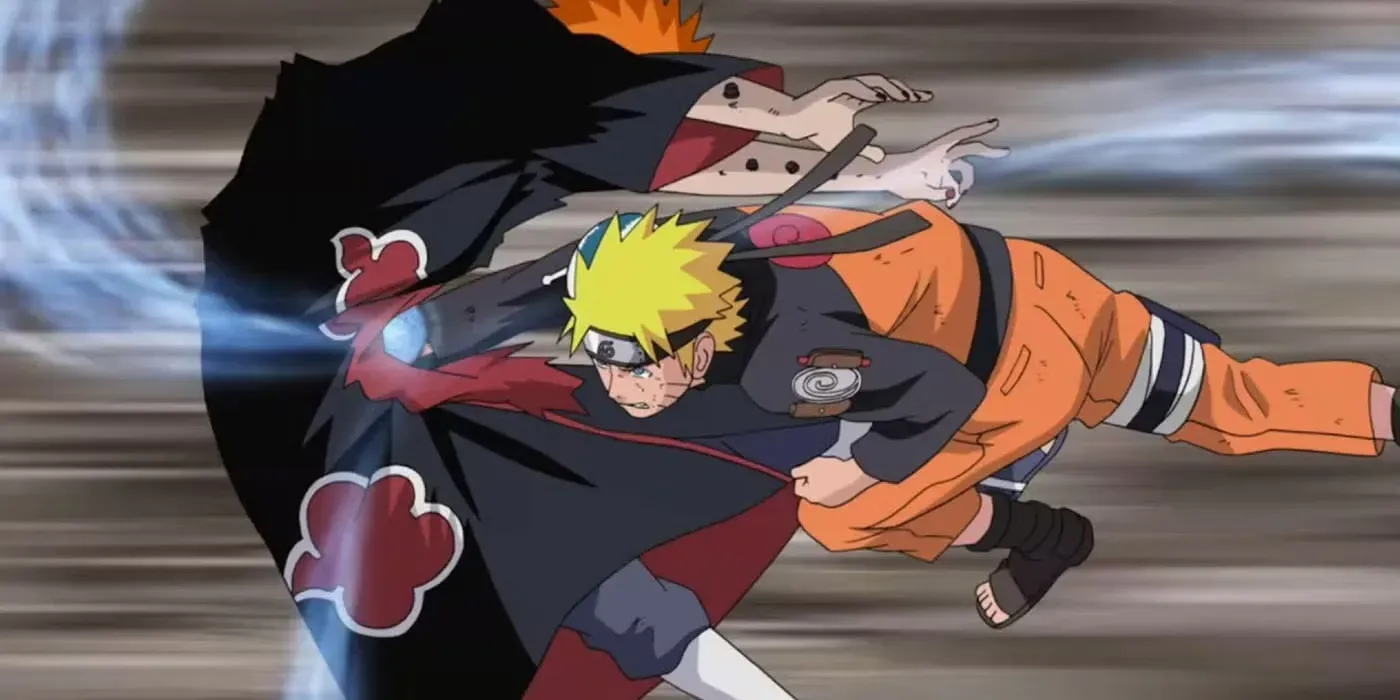 Also ReadNaruto vs Pain: Full Episode Breakdown & Attacks
Psychology of the Biggest Anime Haters
What makes a character a true hater? Psychology plays a massive role in crafting toxic anime villains and divisive figures. Often, the deepest hatred stems from a place of perceived inadequacy, shattered pride, or a fundamental clashing of ideologies. For many, hatred is a survival mechanism—a way to focus their pain outward rather than dealing with internal trauma.
Take, for instance, the "pure spite" hater. These characters don't necessarily want world domination; they just want to see the protagonist suffer. This level of psychological obsession creates a claustrophobic tension that keeps viewers glued to the screen. It is no longer about a grand plan; it is about the personal satisfaction of breaking someone else's spirit.
On the other hand, fan-driven hatred usually stems from a sense of betrayal or frustration with a character's writing. When a character’s actions feel inconsistent or their personality becomes overbearing without sufficient development, they become hateable anime protagonists or side characters. This psychological disconnect between the creator's intent and the audience's perception is where the most heated controversies are born.
Criteria for Ranking Iconic Anime Haters
Ranking the "biggest" haters isn't just about who has the highest body count. To determine who truly reigns supreme in the realm of hatred anime, we evaluate them based on the following criteria:
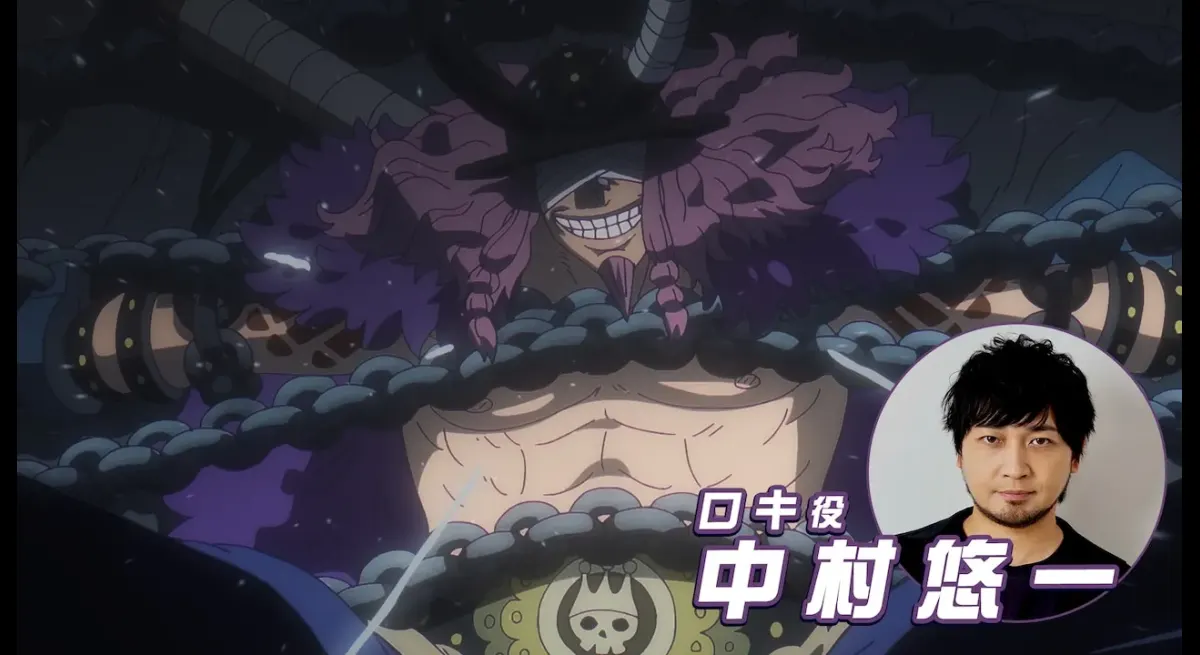 Also ReadYuichi Nakamura as Loki in "ONE PIECE": Elbaf Edition OP by Aina The End
- Narrative Impact: How much does their hatred drive the central plot?
- Level of Spite: Are they willing to sacrifice their own goals just to ruin someone else's day?
- Fan Reception: Is the character universally loathed by the audience, or is their hatred a legendary part of their charm?
- Longevity: Has their reputation as a hater stood the test of time across different generations of fans?
- Pettiness: Do they go out of their way to perform small, cruel acts that serve no purpose other than being a nuisance?
Top 10 Biggest Anime Haters of All Time, Ranked
1. DIO (JoJo’s Bizarre Adventure)
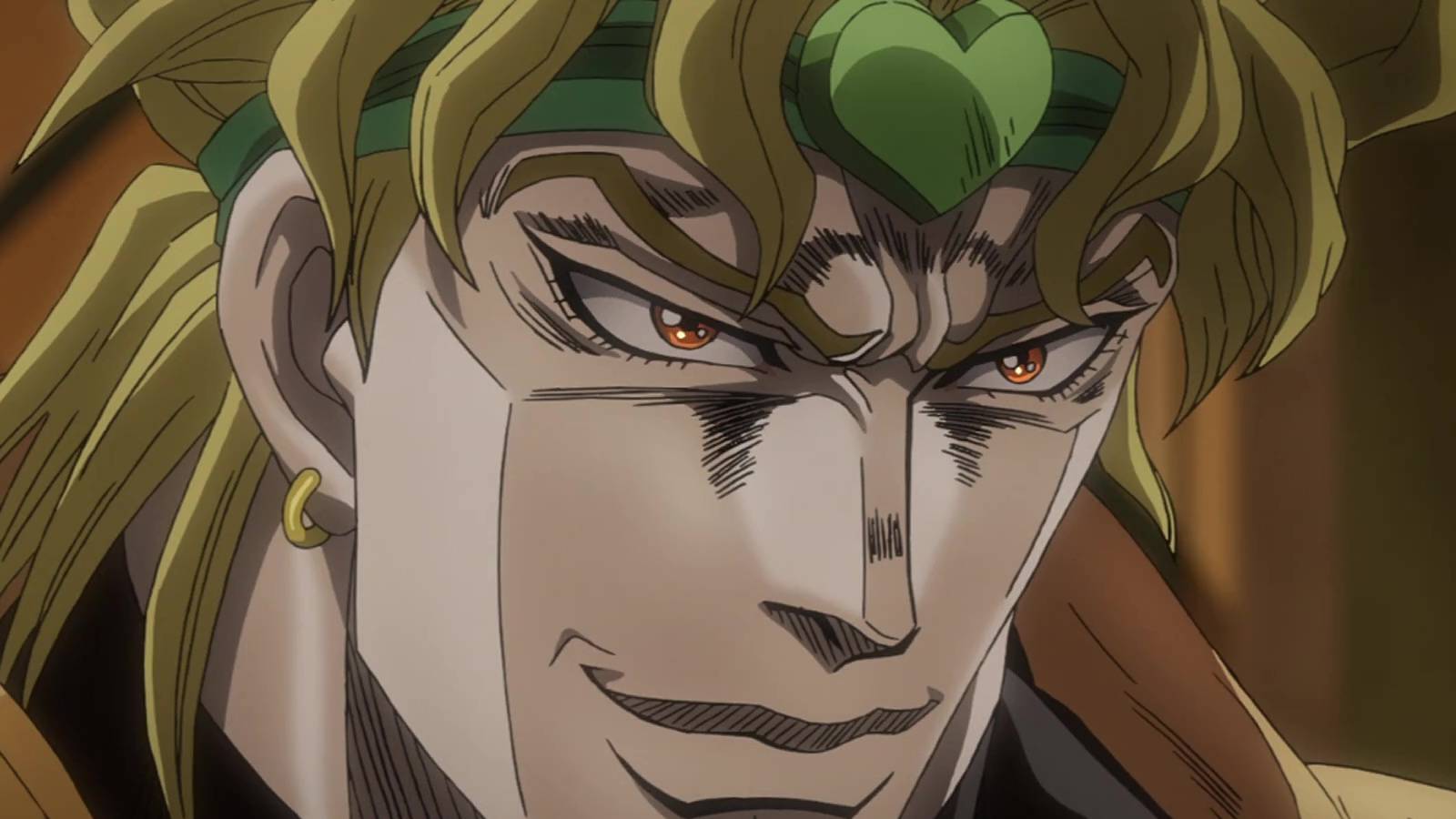
DIO is the definitive "generational hater." His animosity toward the Joestar bloodline spans over a century and multiple continents. From stealing Jonathan’s first kiss with Erina just to be petty, to literally stealing Jonathan’s body to survive, DIO’s entire existence is a masterclass in spite. He doesn't just want to rule the world; he wants to ensure no Joestar ever finds peace.
2. Shou Tucker (Fullmetal Alchemist)
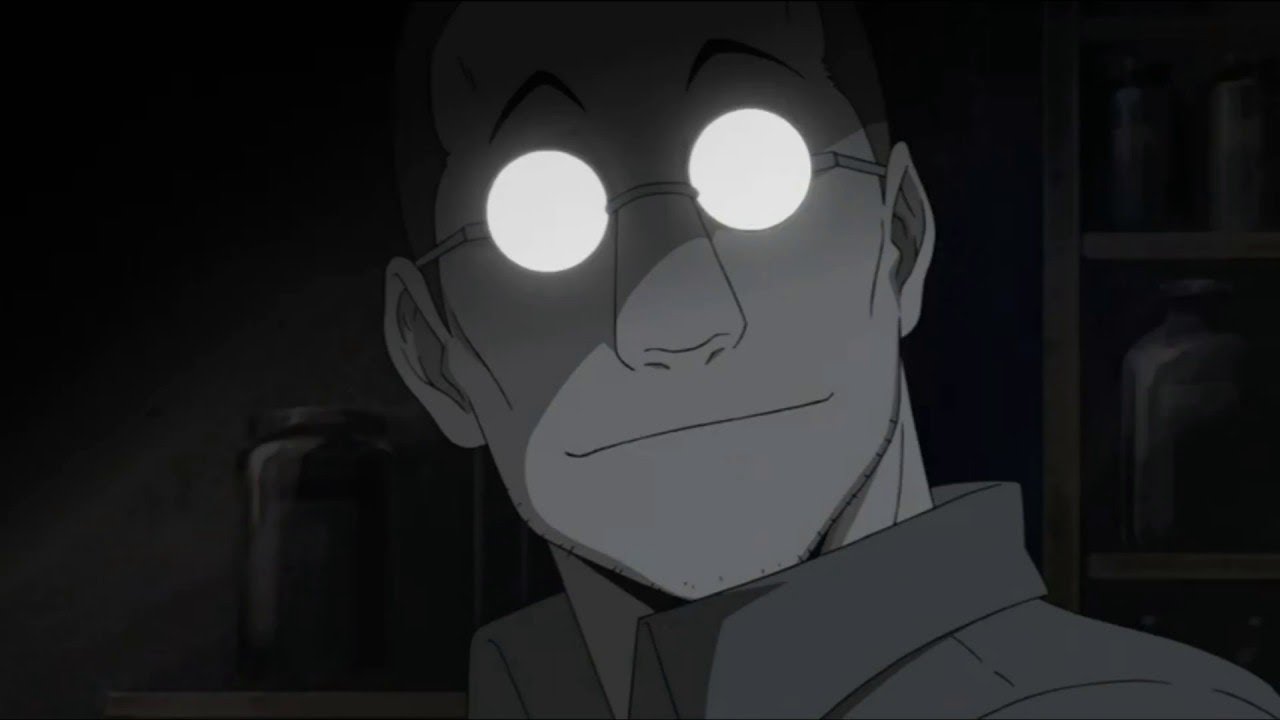
The Shou Tucker controversy remains one of the most painful memories for the global anime community. Unlike villains who seek power, Tucker’s "hatred" is more of a cold, clinical disregard for human life, including his own daughter. He is arguably the most hated character by fans because his actions feel so personal and irredeemable, cementing him as the peak of human scum in the medium.
3. Sukuna (Jujutsu Kaisen)

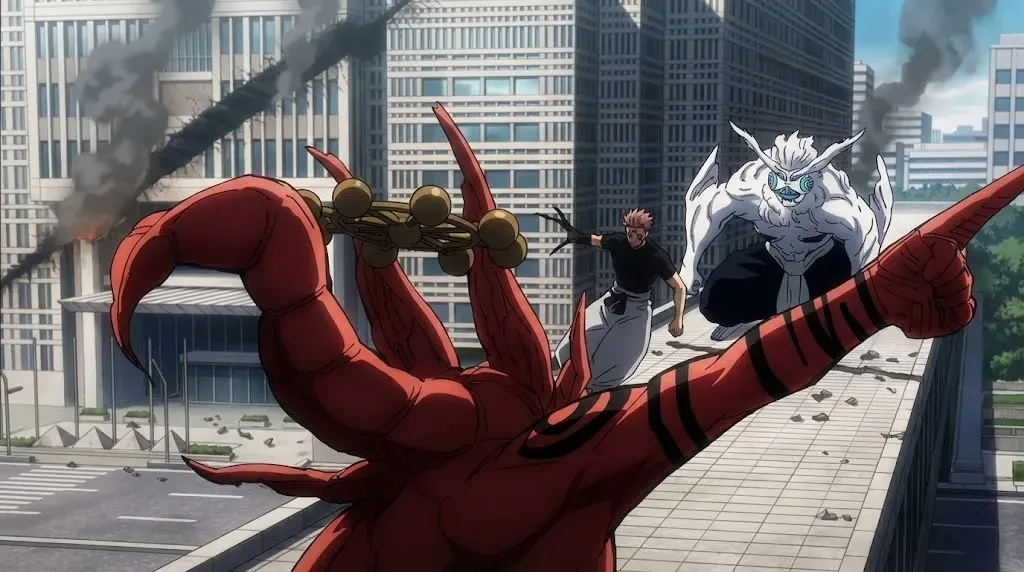
Sukuna has redefined the modern hater. His specific, targeted bullying of Yuji Itadori is legendary. Sukuna doesn't just want to escape his vessel; he wants to mentally and emotionally dismantle Yuji at every possible turn. In 2026, he is frequently cited as a "professional hater" for how much joy he takes in Yuji’s despair.
4. Malty Melromarc (The Rising of the Shield Hero)

Commonly known by her adventurer name Myne, Malty is a character designed to be loathed. Her false accusations against Naofumi nearly destroyed his life before his journey even truly began. Her commitment to lying and manipulation makes her one of the most controversial anime figures for how effectively she triggers the audience’s sense of injustice.
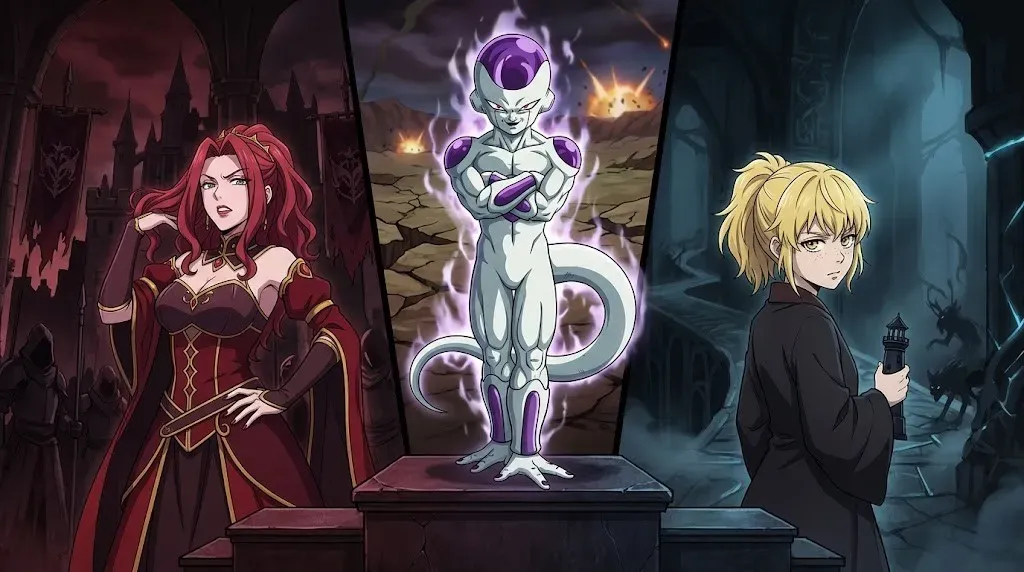
5. Frieza (Dragon Ball Z/Super)
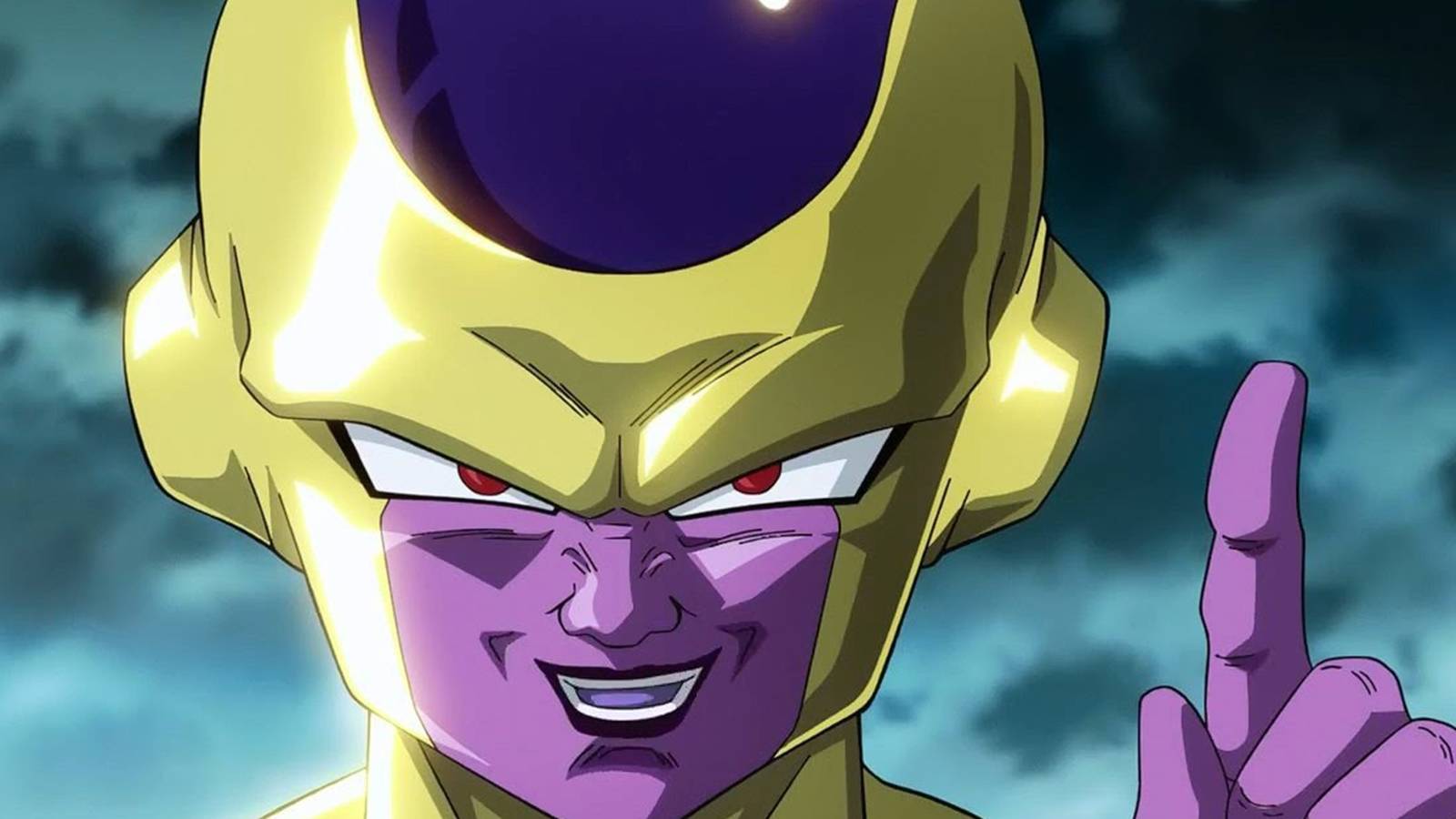
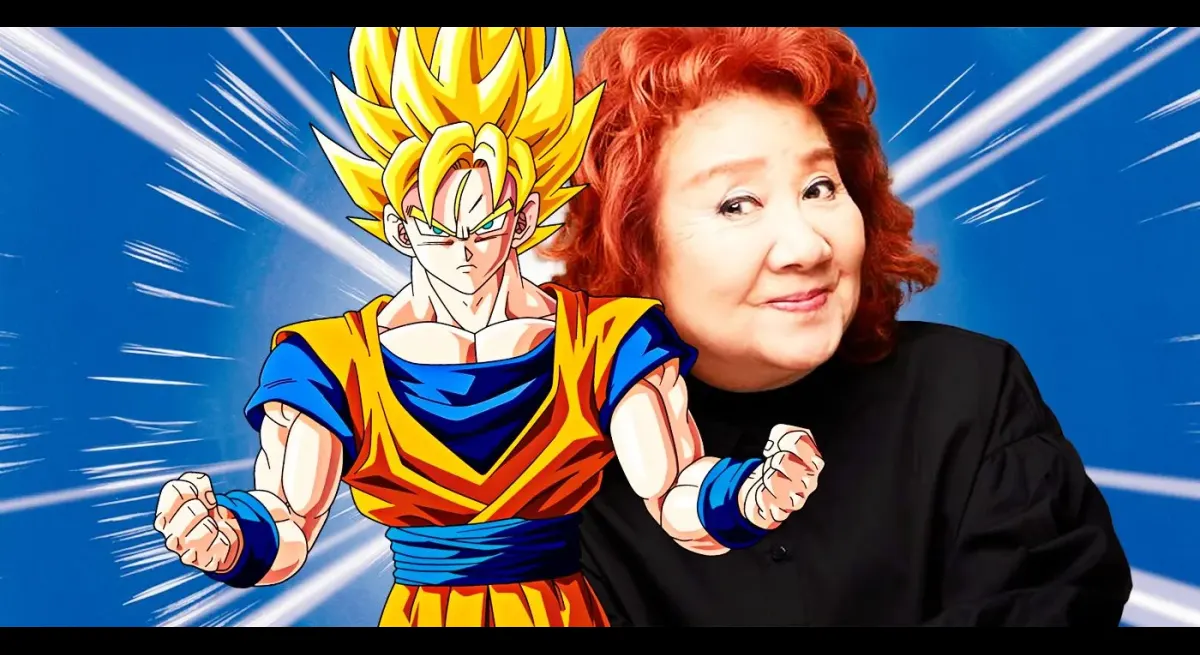
Frieza’s hatred for the Saiyan race is his defining trait. Even when faced with gods and multiversal threats, his mind always returns to his "filthy monkeys." Frieza’s pettiness is so great that he has come back from the dead multiple times just for another chance to insult or kill Goku and Vegeta.
6. Dabi (My Hero Academia)

Dabi is a hater fueled by domestic trauma. His entire villainous career is a long-form "burn" aimed at his father, Endeavor. Dabi is the ultimate example of someone who is willing to burn their entire life to the ground as long as the person they hate has to smell the smoke.
7. Sakura Haruno (Naruto)
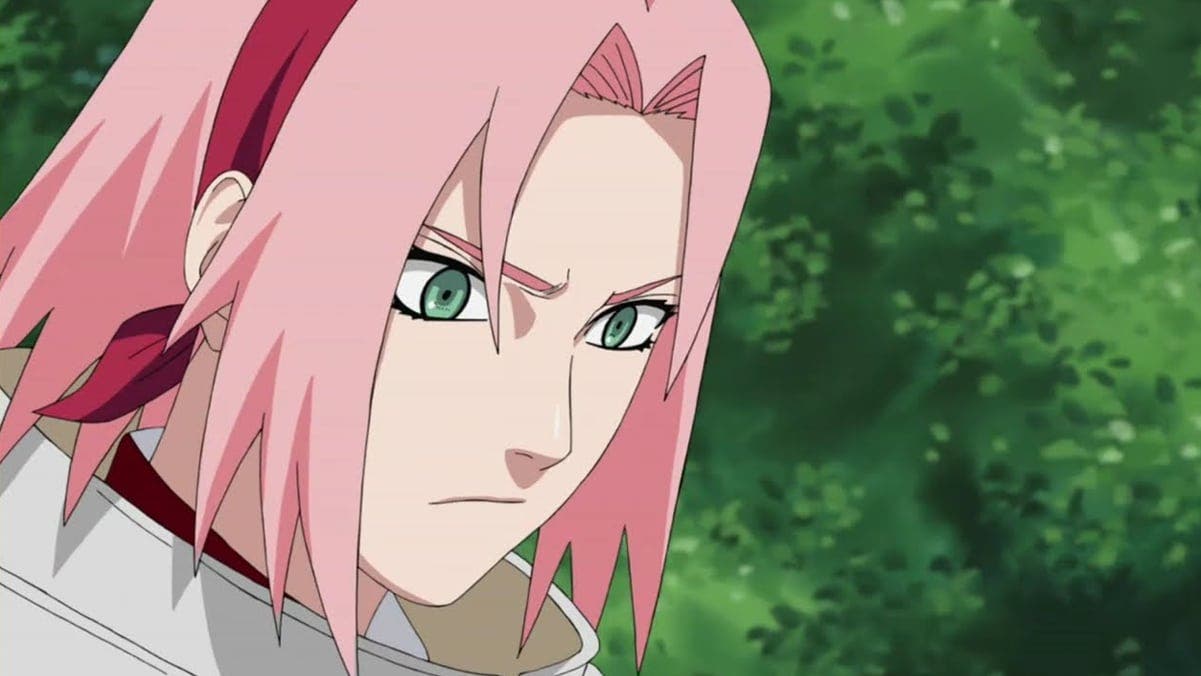
The discussion surrounding why fans hate Sakura Haruno is one of the longest-running debates in anime history. While not a villain, she often ranks high on lists of most hated anime characters due to her early-series treatment of Naruto and her perceived lack of utility compared to her peers. While she grows immensely, the "hater" energy from the fandom remains a legacy of the series.
8. Rachel (Tower of God)
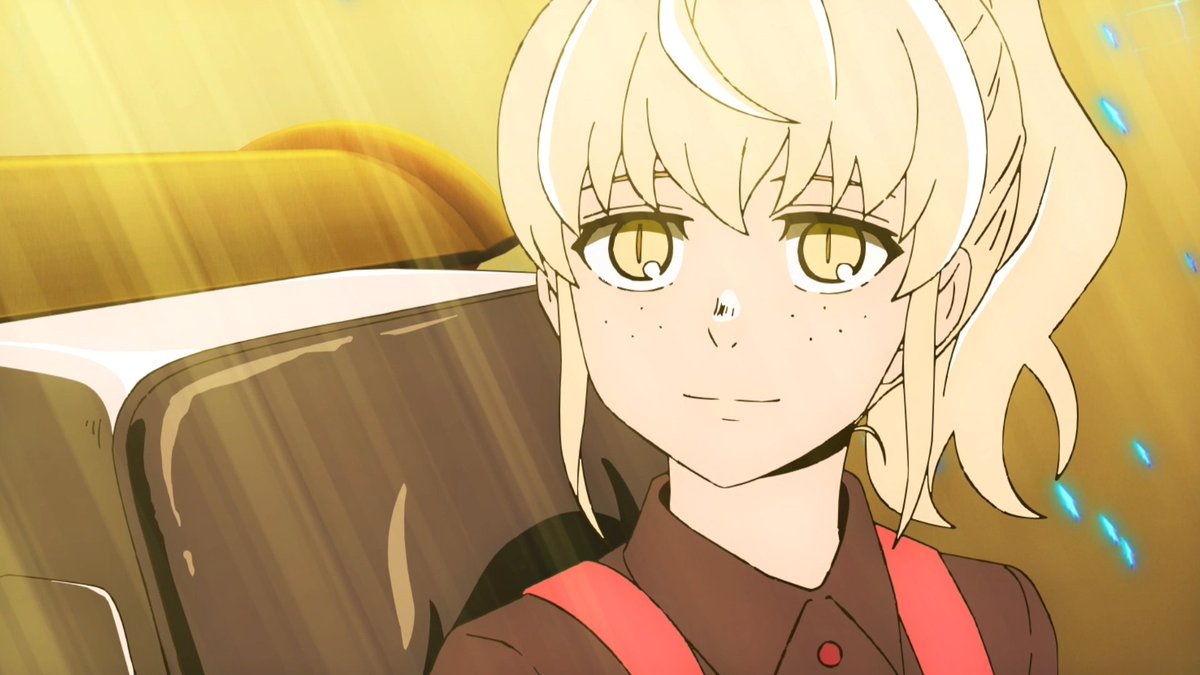
Rachel proves that you don't need superpowers to be a massive hater. Her betrayal of Bam, a boy who literally lived for her, shocked the community. Her hatred is born of envy—she hates that Bam is the "chosen one" while she is just an ordinary girl, leading her to commit heinous acts to steal his spotlight.
9. Zamasu (Dragon Ball Super)
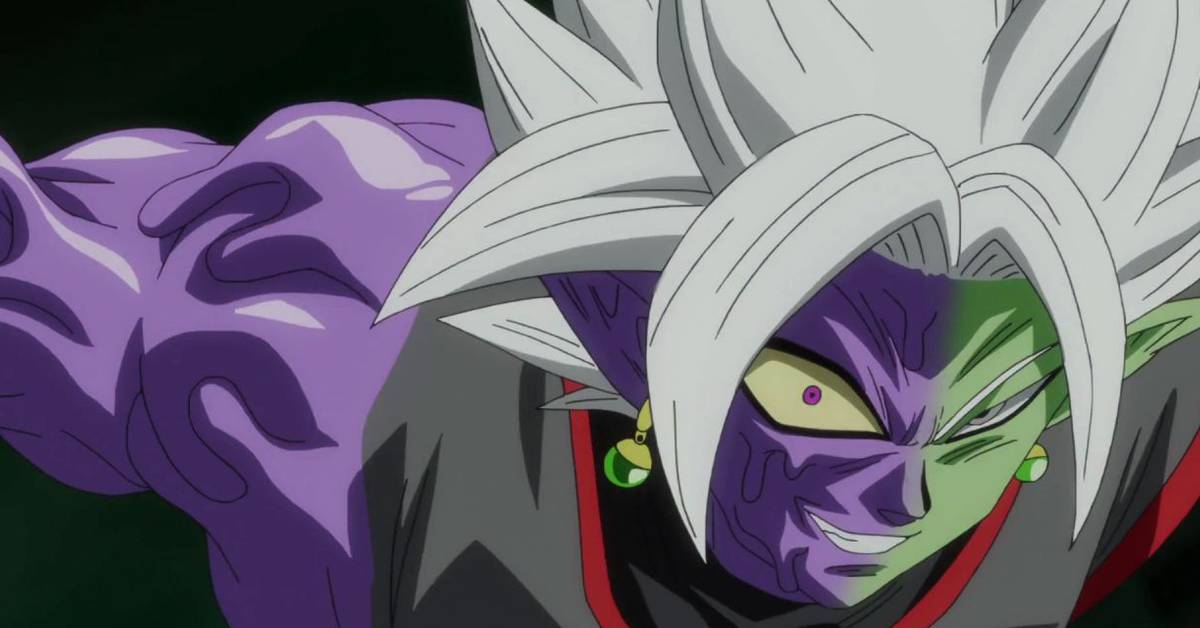
Zamasu is a "philosophical hater." He hates mortals so much that he decided the only logical solution was the "Zero Mortals Plan." His hatred is so absolute that he even grew to hate himself for inhabiting a mortal body, leading to a complex, narcissistic spiral of divine spite.
10. Akainu (One Piece)
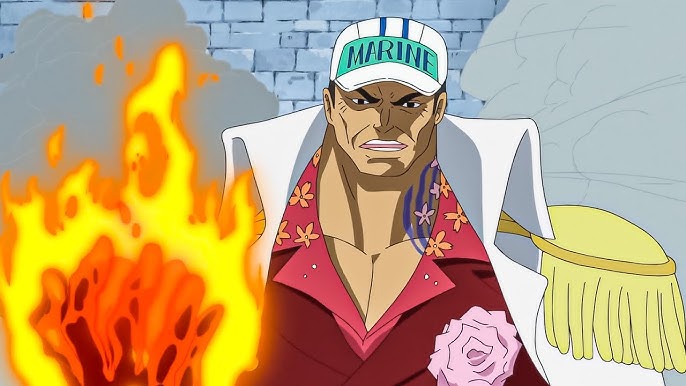
Akainu represents the hatred of "Absolute Justice." His refusal to see any nuance in piracy led him to kill Portgas D. Ace, an act that made him an eternal enemy of the fans. He doesn't hate individuals as much as he hates the concept of lawlessness, making him a terrifyingly rigid antagonist.
Most Intense Rivalries Fueled by Hatred
While some characters hate the world, the most iconic hatred anime moments come from one-on-one rivalries. These pairings aren't just about fighting; they are about two souls who fundamentally cannot exist in the same space. The rivalry between Goku and Frieza is perhaps the most famous, built on a foundation of genocide and bruised royal ego.
In more modern series, the animosity between characters like Thorfinn and Askeladd in Vinland Saga (initially) shows how hatred can become a person's entire reason for living. When your life’s purpose is to kill one specific person, the line between the hater and the hated begins to blur. These rivalries often end in tragedy, as the hater finds themselves empty once their target is finally gone.
Even in the superhero genre, the clash between All For One and All Might in My Hero Academia showcases a "generational hate" similar to the Joestars. All For One didn't just want power; he wanted to destroy the legacy of every person who held the One For All quirk before him, making his hatred a historical crusade.
Redemption Arcs vs. Eternal Grudges
Can a hater ever change? Anime is famous for its redemption arcs, but some characters are better left in the darkness. The Shou Tucker controversy is a prime example of a character who can never be redeemed. His actions were so fundamentally "wrong" that any attempt at an apology would be an insult to the viewers.
Contrast this with a character like Endeavor from My Hero Academia. While he was a "hater" of his own limitations and took it out on his family, his slow, painful path toward atonement is considered one of the best written in the medium. It explores the idea that while the damage can't be undone, the person who caused it can change their nature.
However, there is a special joy in characters who refuse to change. DIO died a hater, lived a hater, and returned as a hater. There is a narrative purity to a villain who looks at the hero’s kindness and chooses to spit in their face anyway. These "eternal grudges" often provide the most satisfying conclusions because they allow the hero to strike down an absolute evil.
Impact of Character Hatred on Plot Development
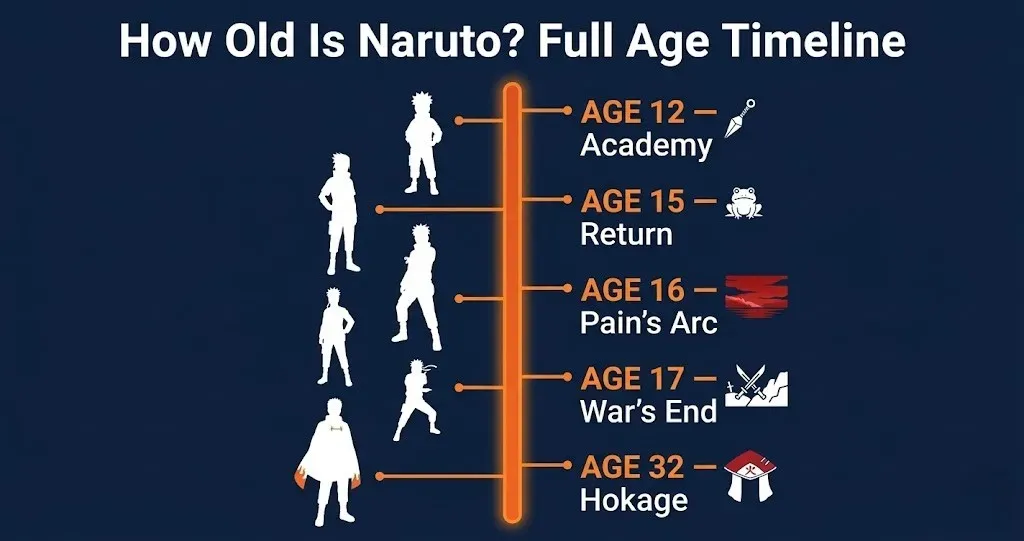
Hatred is the fuel that runs the engine of many series. Without the intense hatred anime villains feel, there would be no call to adventure. Hatred creates the friction necessary for growth. For example, Naruto's journey was largely defined by the village's hatred toward him, and his success was measured by how he turned that hate into love.
From a writing perspective, giving a villain a specific reason to hate the hero makes the conflict feel more urgent. It shifts the story from a generic "save the world" quest to a personal duel. This is why toxic anime villains are often more memorable than "god-like" beings who just want to reset the universe; personal stakes always resonate more than abstract ones.
Furthermore, fan hatred can actually influence how a series is written. While authors usually have a plan, the overwhelming backlash against certain controversial anime figures has historically led to characters being sidelined or given sudden "pity" backstories to soften the audience's heart. You can read more about character archetypes and their reception on high-authority databases like Wikipedia.
Legacy of the Most Infamous Anime Antagonists
The legacy of these "haters" is found in the DNA of modern shonen and seinen. Characters like Sukuna and Dabi wouldn't exist without the foundations laid by DIO and Frieza. They have taught creators that being "likable" isn't a requirement for being a "great" character. In fact, being the most loathed person in the room can be a badge of honor.
These characters also foster a unique kind of community engagement. "Hate-watching" or joining "anti-fan" groups for characters like Sakura Haruno or Gabi Braun from Attack on Titan has become a way for fans to bond. While it can sometimes become toxic, it shows just how much these fictional people affect our real-world emotions.
The cultural footprint of the "hater" is even visible in 2026 internet memes. Terms like "generational hater" or "professional spite" have moved from niche anime circles into mainstream slang, proving that the archetypes found in hatred anime have a universal appeal. For more deep dives into character legacies, check out resources on Crunchyroll.
Conclusion: How Hatred Defines Great Anime Villains
Ultimately, hatred is a mirror. It reflects the values of the hero and the limits of the human (or inhuman) spirit. The biggest haters in anime history are more than just obstacles; they are the shadows that allow the heroes' lights to shine the brightest. Whether they are loathed for their pettiness or feared for their obsession, they remain some of the most vital components of the medium.
As we continue to see new series emerge in 2026 and beyond, the "hater" will undoubtedly evolve. However, the core truth remains: a villain who hates with their whole heart is far more terrifying—and entertaining—than one who doesn't care at all. By mastering the art of the grudge, these characters have earned their place in the hall of infamy, reminding us that in the world of anime, sometimes it’s good to be bad.







// Comments