Connect with us

Anime Reviews

Naruto Uzumaki: Breaking Down His Age Through the Series

Published

on


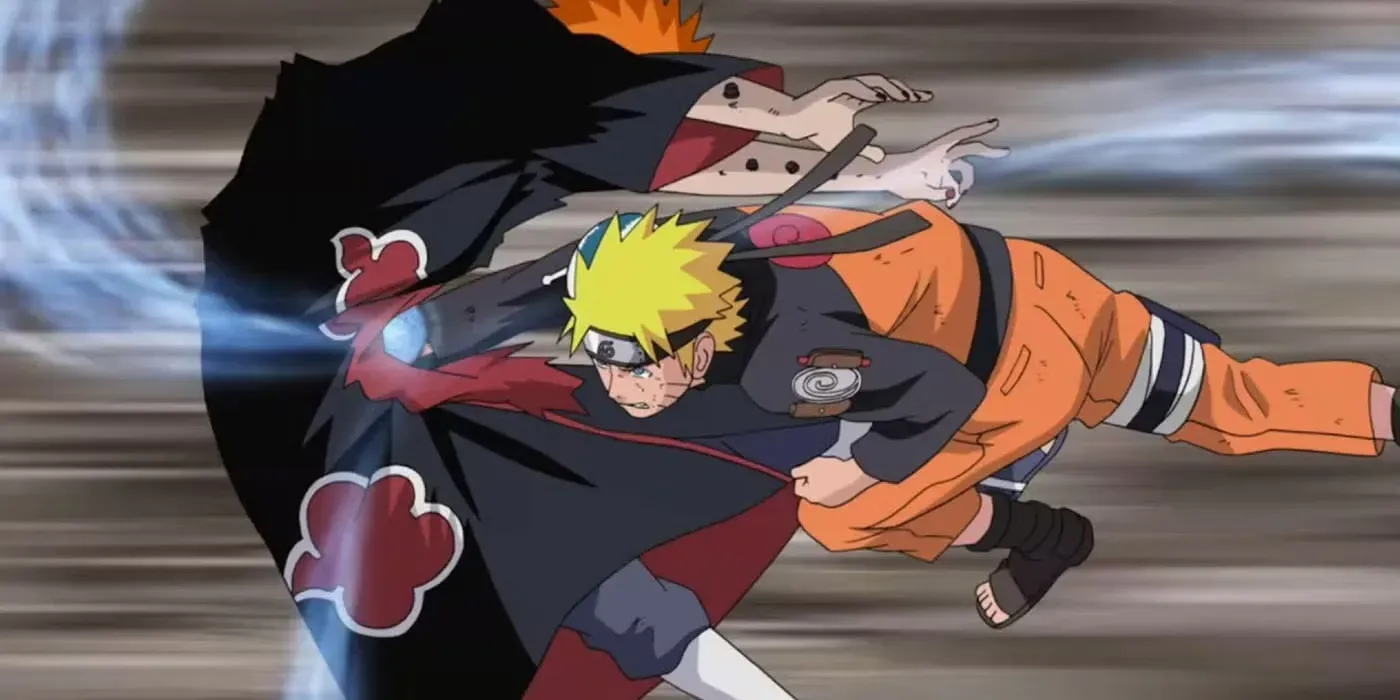
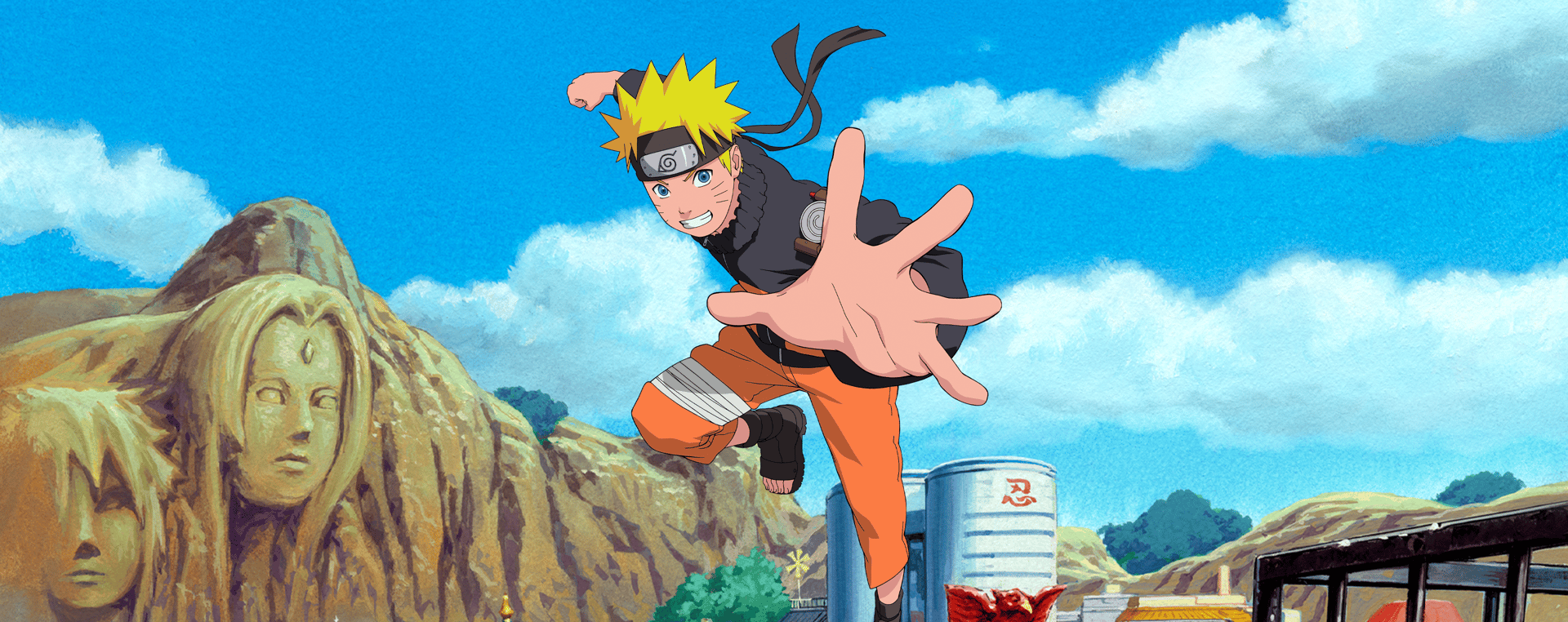
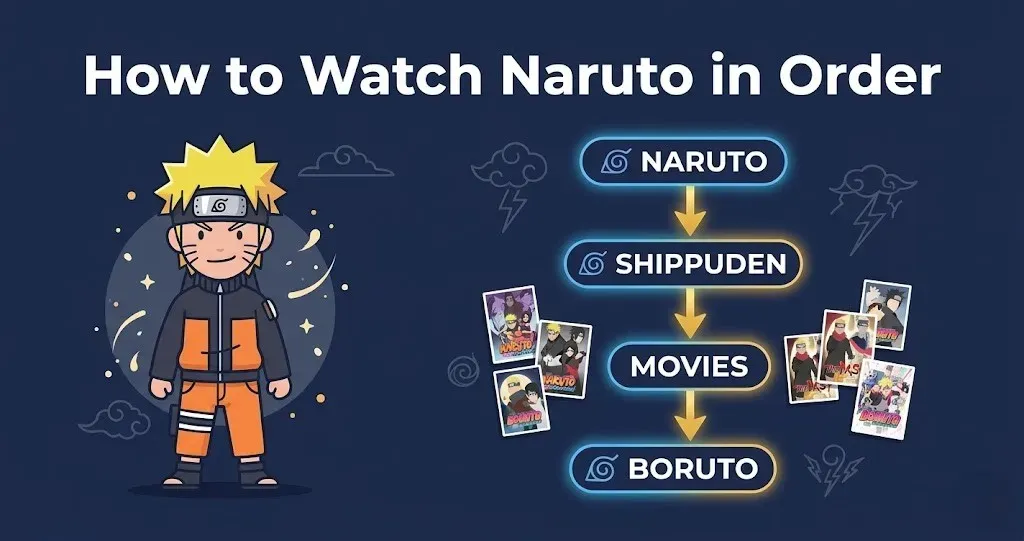
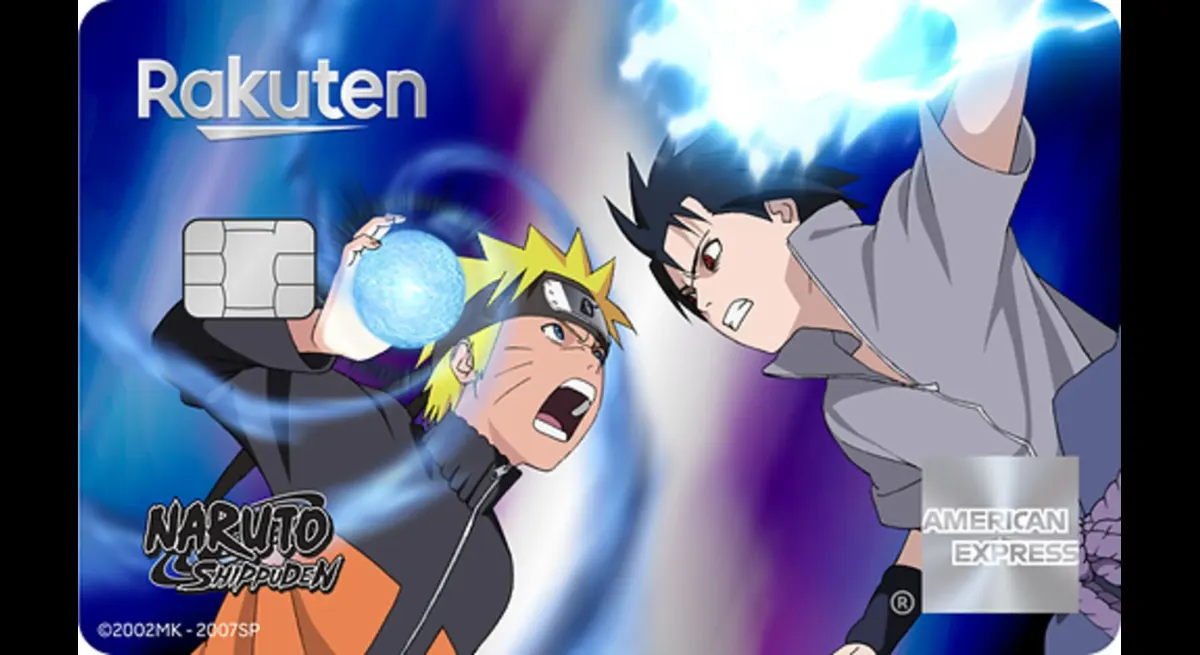
Naruto Uzumaki, the titular character of Masashi Kishimoto’s beloved manga and anime series "Naruto," has made a significant impact on popular culture since his introduction. From his humble beginnings as a young, orphaned ninja to becoming a hero of the Hidden Leaf Village, Naruto’s age and growth are crucial elements in his character development. This article explores Naruto‘s age throughout the series, highlighting key stages in his life and the narrative implications of his growth.

Advertisement

Young Ninja: Ages 12-16

The Early Years: Age 12

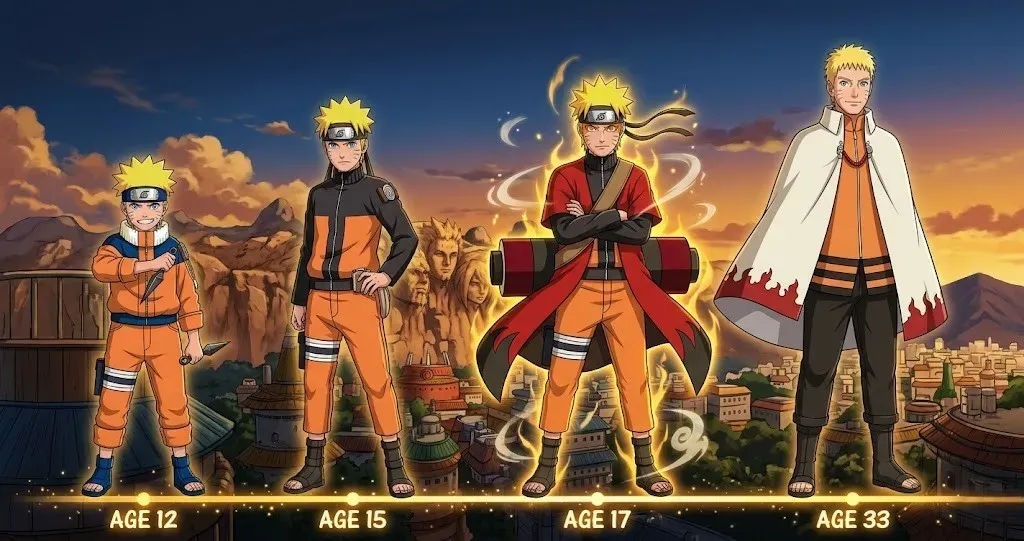
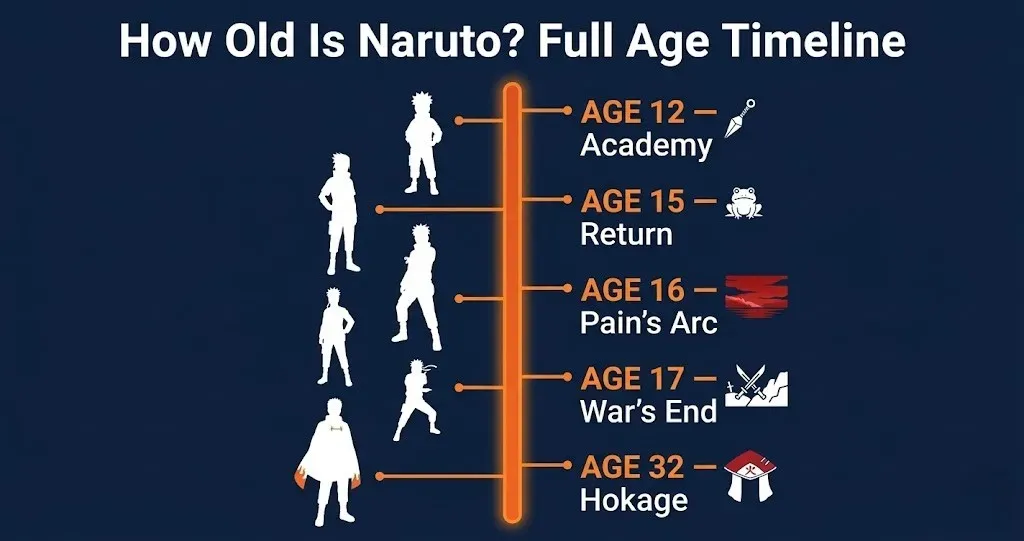
The series kicks off when Naruto is just 12 years old, a brash and determined young ninja eager to prove his worth. As a member of Team 7, alongside Sasuke Uchiha and Sakura Haruno, Naruto begins his journey to earn recognition and respect from his peers. His age during these formative years sets the stage for his character development, showcasing his immaturity, ambition, and desire for companionship.

Advertisement

The Chunin Exams: Age 12-13

During the Chunin Exams arc, Naruto is still 12 years old but exhibits significant growth, battling powerful foes like Neji Hyuga and ultimately confronting Sasuke in a pivotal moment of rivalry. This arc highlights Naruto‘s evolution from an inexperienced ninja to someone who can take on formidable challenges, emphasizing his resolve and growth mindset.

Advertisement

The Search for Sasuke: Age 13-14

By the time of the "Sasuke Retrieval" arc, Naruto is approximately 13 years old. His age during this saga reflects his emotional maturation as he grapples with the responsibility of protecting his friends and the toll of loss and rivalry. These experiences shape his identity, showcasing his determination to bring Sasuke back to the village.

Advertisement

The Time Skip: Age 16

The original series concludes with a time skip to Naruto at age 16, coinciding with the events leading up to the Fourth Great Ninja War. This phase represents a culmination of his training and experiences, as Naruto grows into a more confident and capable ninja. His evolution is marked by deeper understanding, enhanced abilities, and solidified friendships.

Advertisement

Adult Life: Ages 17-20

The Fourth Great Ninja War: Age 17-18

Advertisement

Following the time skip, Naruto takes on a leadership role in the Fourth Great Ninja War. Now 17, he faces unprecedented challenges and responsibilities that test his resolve and maturity. This period is significant as it showcases his transformation into a true hero, one who fights for not just himself but for the entire ninja world.

The Conclusion: Age 20

Advertisement

The series concludes with Naruto at age 20, where he transitions from a teenager into adulthood. He becomes a pivotal figure in the peace-building efforts among various ninja clans and ultimately fulfills his dream of becoming the Seventh Hokage. His age at this stage emphasizes the journey from youth to maturity, underscoring themes of perseverance, friendship, and leadership.

Boruto: Next Generations: Age 29

Advertisement

The Adult Era: Age 29

In the sequel series "Boruto: Naruto Next Generations," Naruto is depicted as a 29-year-old Hokage. The shift in age reflects not only his physical growth but also his responsibilities as a leader and father. As he navigates the challenges of parenting Boruto, he serves as a mentor to the next generation while facing threats to the peace he helped establish.

Advertisement

Conclusion

Naruto Uzumaki’s age throughout the series is not merely a number; it serves as a vital narrative tool that reflects his growth, experiences, and evolution as a character. Each stage of his life presents unique challenges that shape his personality, relationships, and aspirations. From a reckless 12-year-old to a wise and responsible Hokage, Naruto‘s journey is a testament to the struggles, triumphs, and lessons learned along the way. As he continues to inspire both in the series and in the hearts of fans, Naruto’s age remains an essential aspect of his story—one that echoes the universal themes of growth and the pursuit of dreams.

Advertisement
Advertisement
Click to comment

Leave a Reply

Your email address will not be published. Required fields are marked *

Anime recommendations

Dandadan Season 3: 2027 Release – Disappointing?

Published

on

Dandadan Season 3: A Lengthy Wait Until 2027

The announcement of Dandadan Season 3 has been met with mixed reactions, primarily due to its scheduled release date in 2027. While confirmation of the season’s production is welcome news, the extended timeframe between seasons has left many fans expressing disappointment. This delay prompts consideration of factors influencing anime production schedules and the potential reasons behind such a substantial gap.

Understanding Anime Production Timelines

Anime production is a complex process, involving numerous stages from pre-production to post-production. Each phase requires significant time and resources. Pre-production includes scriptwriting, character design, storyboarding, and securing funding. Animation production itself is labor-intensive, demanding the skills of animators, colorists, and background artists. Post-production encompasses editing, voice acting, sound design, and music composition. All these elements contribute to the overall timeline.

Several factors can further influence the duration of production. These include:

Advertisement
  • Source Material Availability: Adaptations rely heavily on the source material. If the manga is still ongoing, the anime production might need to wait for sufficient content to adapt, preventing divergence from the original storyline.
  • Studio Capacity: Production studios often have multiple projects in development concurrently. The studio’s capacity and the prioritization of projects can impact the schedule of a particular series.
  • Creative Vision: Achieving the desired level of visual quality and storytelling depth can require more time. A commitment to excellence may necessitate a more deliberate and extended production schedule.
  • Funding and Investment: Adequate financial backing is crucial. Delays in securing funding or unexpected budget constraints can push back the release date.

Potential Reasons for the Dandadan Delay

While the specific reasons for the 2027 release date of Dandadan Season 3 remain undisclosed, some possibilities can be considered. The source manga may require further development to provide ample material for adaptation. The production studio could be managing a heavy workload with other high-profile projects. Ensuring a high level of animation quality and remaining faithful to the source material might necessitate a more extended production timeline.

Another contributing factor might involve securing the necessary talent and resources. Coordinating voice actors, animators, and other key personnel can be challenging, and delays in any area can affect the overall schedule. Contractual negotiations and rights clearances can also add to the complexity and potentially extend the production timeline.

The Impact on the Fandom

The announcement of a distant release date naturally evokes mixed emotions within the fan community. While excitement for the continuation of the story persists, the extended wait can lead to frustration and impatience. Fans may express their feelings through online forums, social media, and fan communities, sharing their anticipation and hoping for updates during the intervening years.

The delay also provides an opportunity for fans to revisit the previous seasons, engage with the manga, and explore fan-created content. This continued engagement can help maintain interest and excitement leading up to the release of Season 3. The anticipation might also increase as the release date draws nearer, potentially generating even more buzz and excitement for the new season.

Advertisement

Looking Ahead

Despite the long wait, the confirmation of Dandadan Season 3 is positive news. Fans can anticipate a continuation of the captivating story and engaging characters. In the meantime, staying informed about production updates and engaging with the broader Dandadan community can help ease the wait. The extended timeline underscores the complexities of anime production and the dedication required to deliver high-quality content.

Continue Reading

Anime recommendations

One Piece Deaths: 10 Characters at Risk in 2026

Published

on

Predicting Character Fates: Mortality in One Piece’s Final Saga

The One Piece narrative, nearing its culmination, has reached a point where significant character developments, including potential deaths, are becoming increasingly plausible. As the story advances towards its final saga, speculating which characters face the highest likelihood of meeting their end adds an element of suspense and anticipation for the series’ dedicated fanbase. This analysis considers narrative roles, established character arcs, and the overall trajectory of the storyline to assess potential candidates.

Key Factors Influencing Character Mortality

Several factors contribute to the likelihood of a character’s demise in a story as complex as One Piece. These include:

  • Narrative Significance: Characters whose deaths would significantly impact the plot or character development of others are prime candidates.
  • Fulfilled Purpose: Characters who have largely completed their individual arcs and served their role in the broader narrative might be nearing their end.
  • Increased Risk Exposure: Characters consistently placed in situations of extreme danger face a higher probability of not surviving.
  • Thematic Resonance: Deaths that reinforce the core themes of the story, such as freedom, sacrifice, and the pursuit of dreams, are more likely to occur.

Potential Candidates Facing Mortality

Identifying specific characters with a high probability of death is subjective. However, certain figures present compelling cases based on the established criteria.

Characters Protecting Others

Characters known for their unwavering loyalty and willingness to sacrifice themselves for the greater good, or for the sake of their comrades, are always at high risk. These characters often embody selflessness, and their demise would serve as a powerful emotional catalyst for other characters.

Advertisement

Characters at the Center of Conflicts

Characters deeply embroiled in the central conflicts of the final saga, particularly those opposing formidable adversaries, also face substantial danger. Their involvement places them directly in harm’s way, increasing their vulnerability.

Characters Burdened by Prophecy

Characters connected to prophecies or significant historical events are also susceptible to tragic fates. Their roles in fulfilling or defying destiny often come at a great personal cost.

Analyzing Character Vulnerabilities

The series presents numerous characters with vulnerabilities that could make them potential candidates. It’s important to note that this is speculative, and the author may choose to subvert expectations. However, analyzing these vulnerabilities helps to understand potential narrative outcomes.

Advertisement

For example, characters with terminal illnesses or debilitating injuries, despite their strength, may succumb to their conditions. Similarly, characters with powerful enemies actively seeking their demise are consistently at risk. The narrative impact of these deaths would likely be significant, fueling the protagonists’ resolve.

The Impact of Death in One Piece

Death in One Piece is not treated lightly. It carries significant weight, often serving as a catalyst for character growth and plot advancement. The loss of a character can inspire others to strive harder, reshape alliances, and alter the course of the story. The deaths of beloved figures are not merely plot devices; they are integral to the emotional core of the narrative.

The anticipation surrounding potential character deaths underscores the emotional investment that fans have in the series. As the final saga unfolds, the choices made regarding character fates will undoubtedly leave a lasting impact on the One Piece universe.

Advertisement
Continue Reading

Anime recommendations

Kaguya-sama: Love Is War – Crunchyroll News!

Published

on

Crunchyroll Adds New Kaguya-sama: Love Is War Episodes

Fans of the popular anime series, Kaguya-sama: Love Is War, have new content available for streaming. Crunchyroll has added the latest episodes to its platform, providing viewers with access to the continuing story of the romantic comedy. This addition expands the library of available content for subscribers who follow the series.

Expanding Access to Anime Content

The availability of new episodes on streaming services is a key factor in how anime reaches audiences globally. Crunchyroll’s acquisition of these episodes ensures that fans can readily access the latest installments in the Kaguya-sama: Love Is War saga. This benefits both dedicated followers of the series and newcomers interested in exploring the show.

About Kaguya-sama: Love Is War

Kaguya-sama: Love Is War is based on the manga series written and illustrated by Aka Akasaka. The story revolves around two brilliant students, Kaguya Shinomiya and Miyuki Shirogane, who are deeply in love but too proud to confess their feelings. Instead, they engage in elaborate schemes to make the other person confess, leading to comedic and strategic battles of wit. The series has gained popularity for its unique premise, well-developed characters, and humorous depiction of romance and social dynamics.

Advertisement

The Appeal of Romantic Comedy Anime

Romantic comedy, often shortened to “rom-com,” is a popular genre in anime, attracting a broad demographic. These series typically combine elements of humor with romantic storylines, exploring the complexities of relationships and human connection. Kaguya-sama: Love Is War distinguishes itself within this genre through its focus on psychological warfare and the characters’ intellectual competitiveness, offering a fresh perspective on the classic rom-com formula.

Streaming Services and Anime Distribution

The digital distribution of anime through streaming platforms has transformed the industry. Previously, access to anime was often limited by geographical location and availability of physical media. Streaming services like Crunchyroll have eliminated these barriers, allowing viewers worldwide to watch anime legally and conveniently. This increased accessibility has contributed to the growing popularity of anime and its widespread cultural impact.

Factors Contributing to Anime’s Global Popularity

Several factors have contributed to the increasing global appeal of anime. The diverse range of genres caters to a wide variety of interests, from action and adventure to slice-of-life and fantasy. The distinctive art style and animation techniques of anime are also visually appealing. Furthermore, the storytelling in many anime series often explores universal themes such as friendship, perseverance, and overcoming adversity, which resonate with audiences from different backgrounds.

Advertisement

Future of Anime Streaming

The future of anime streaming is likely to involve further expansion and innovation. As the demand for anime content continues to grow, streaming services will likely invest in acquiring more licenses and producing original anime series. The integration of new technologies, such as virtual reality and augmented reality, may also offer new ways for viewers to experience anime. The competitive landscape of streaming services suggests that access to popular anime titles, such as Kaguya-sama: Love Is War, will remain a key factor in attracting and retaining subscribers.

Continue Reading
Advertisement

Recommendations

Advertisement
Advertisement

Copyright © 2024 MyAnimeThoughts- Unleash Your Inner Otaku