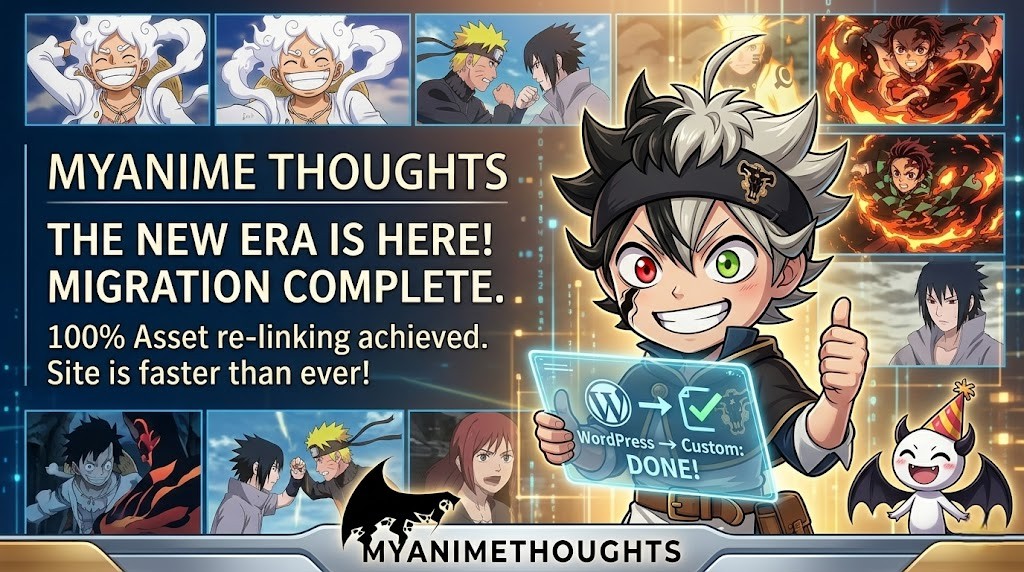
Introduction to High-Quality Anime Art
The world of Japanese animation has evolved far beyond simple televised entertainment, blossoming into a sophisticated realm of visual mastery. Central to this evolution is the rise of the high-quality anime art gallery, where fans and collectors alike can immerse themselves in the intricate details of their favorite series. This art form blends traditional Japanese aesthetic sensibilities with cutting-edge digital technology, resulting in visuals that are as emotionally resonant as they are technically impressive. Whether it is the soft glow of a sunset over a futuristic cityscape or the intense expression of a warrior in the heat of battle, high-quality anime art serves as a testament to the skill and passion of the creators behind the screen.
Exploring Stunning Anime Illustrations and Digital Collections
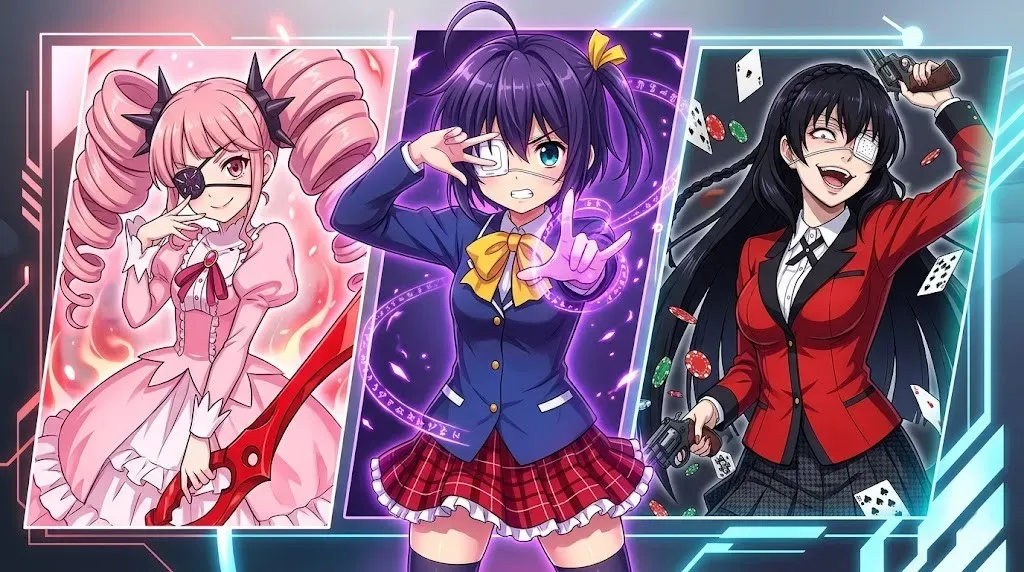
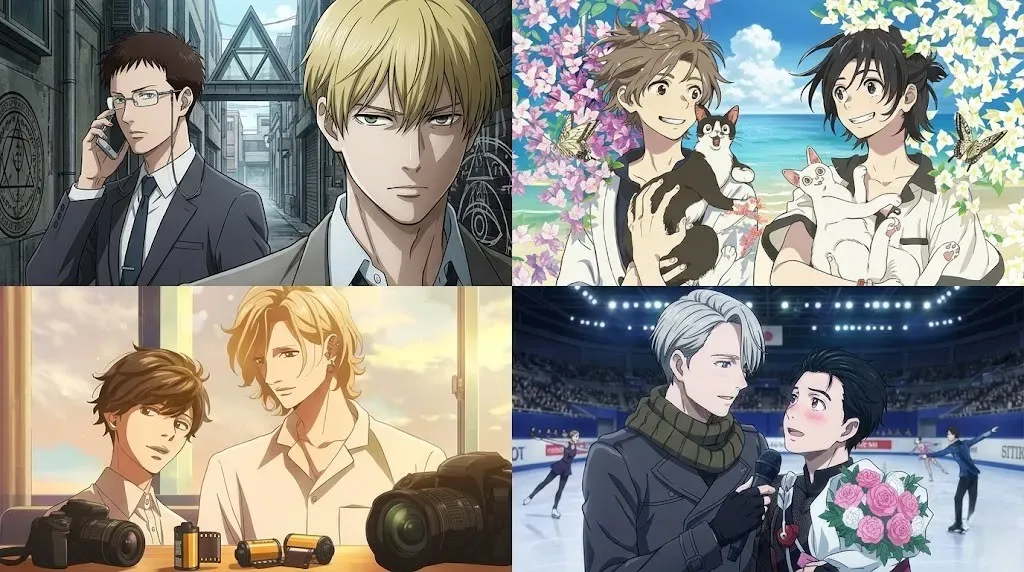
Today’s digital age has made it easier than ever to access and curate a personal anime digital art collection. Artists from around the globe utilize platforms like Pixiv and ArtStation to showcase stunning anime illustrations that often rival the original production art in detail and creativity. These collections aren't just static images; they represent a vibrant community where fan-art and official character designs coexist. Within a professional anime digital art collection, you will find a diverse range of styles—from the hyper-realistic to the abstract and experimental. Exploring these digital spaces allows fans to see their beloved characters in new lights, often exploring themes or settings that the original series may have only hinted at, further deepening the connection between the audience and the art.
Features of Professional Anime Artwork
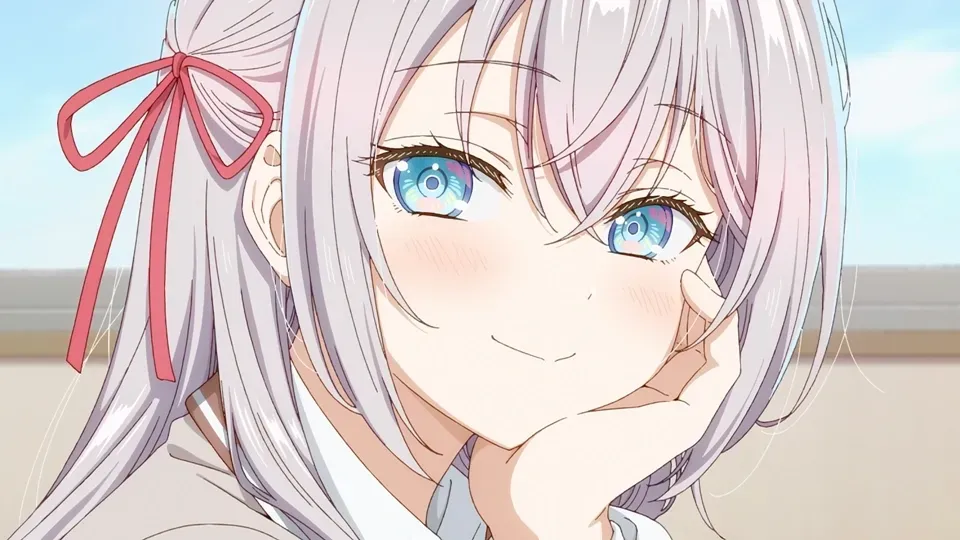
What separates professional anime artwork from amateur sketches is a combination of technical precision and narrative depth. Professional artists pay close attention to several key features that define the genre:
- Dynamic Composition: Using leading lines and the rule of thirds to create a sense of movement and energy within a still frame.
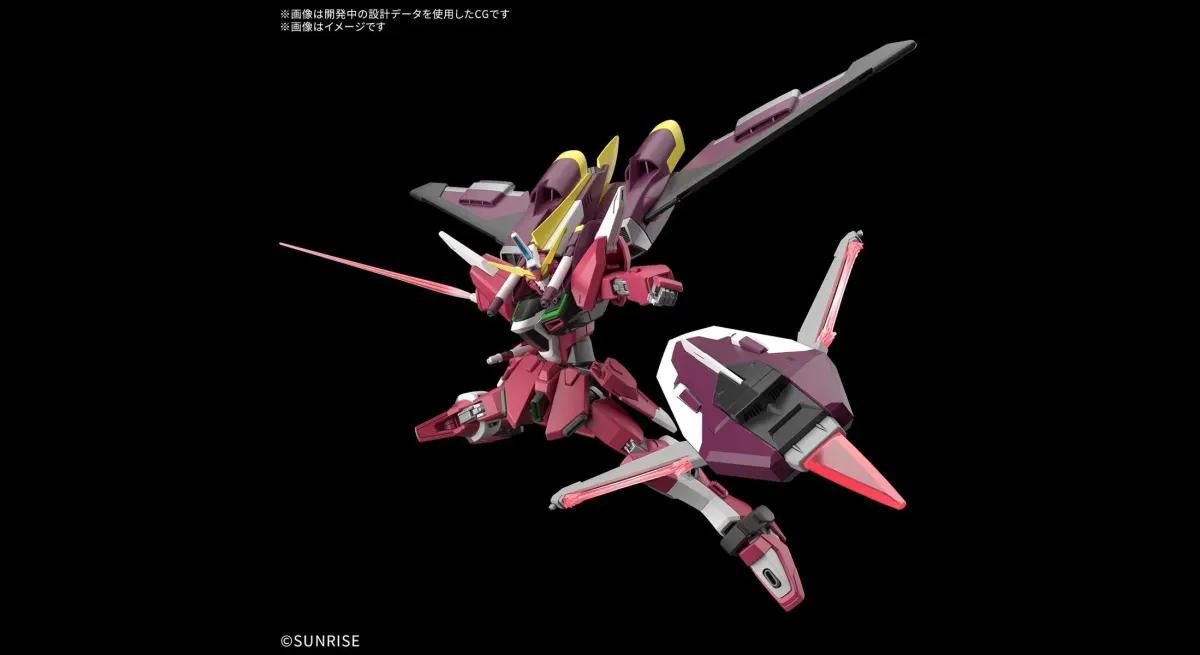
- Advanced Lighting and Shading: Utilizing techniques like rim lighting and subsurface scattering to give characters a three-dimensional feel and a grounded presence in their environment.
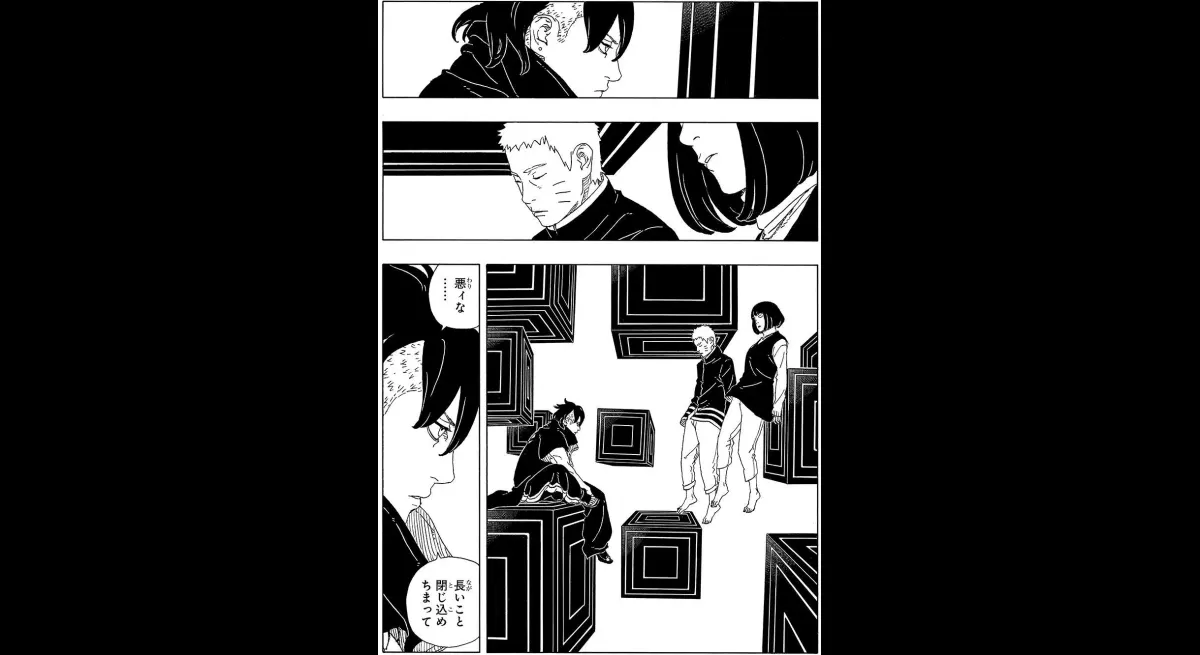
- Intricate Backgrounds: Often, the setting is just as important as the character, with hand-painted or digitally rendered landscapes that provide essential context and mood.
- Color Theory: A deliberate use of color palettes to evoke specific emotions, whether it’s the vibrant neons of a cyberpunk city or the muted earth tones of a historical drama.
These elements work in harmony to ensure that every piece of professional anime artwork tells a story, capturing a specific moment in time that resonates with the viewer on a visceral level.
Best Anime Wallpapers for Fans
For many enthusiasts, the easiest way to appreciate this medium daily is by sourcing the best anime wallpapers for their devices. A high-resolution wallpaper does more than just decorate a screen; it acts as a digital window into another world. When searching for the best anime wallpapers, fans often look for "scenery" shots—vast, sprawling vistas of clouds, stars, or lush forests—or "character-centric" pieces that highlight a specific hero or villain. The demand for 4K and 8K resolutions has driven artists to produce even more detailed work, ensuring that even on the largest monitors, the brushstrokes and textures remain crisp and clear. These wallpapers serve as a constant source of inspiration and a badge of fandom for the community.
Navigating the Anime Art Gallery Details
When you dive deep into the anime art gallery details, you begin to understand the technical specifications that go into high-end production. These details often include information on the software used, such as Clip Studio Paint or Adobe Photoshop, and the specific brushes or layers employed to achieve a certain look. Navigating these anime art gallery details also involves looking at the metadata of the images—understanding the resolution, the color profile, and the artist’s notes. For collectors, these details are vital for verifying the authenticity and quality of a piece. By paying attention to these fine points, one can truly appreciate the labor-intensive process that transforms a simple concept into a masterpiece of digital illustration.
Conclusion and Final Gallery Highlights
High-quality anime art is a bridge between reality and the limitless possibilities of the imagination. From the curated rooms of a high-quality anime art gallery to the personal folders of an anime digital art collection, the impact of these visuals is undeniable. We have seen how stunning anime illustrations can capture the essence of a story, how professional anime artwork sets the standard for the industry, and how the best anime wallpapers bring a touch of that magic into our everyday lives. By understanding the anime art gallery details, fans can foster a deeper respect for the medium. As technology continues to advance, we can only expect this art form to become even more breathtaking, continuing to inspire generations of fans and artists alike.


format(webp))




// Comments