
What If Garp Had Arrested Roger Instead of Letting Him Go?
History in the One Piece world is not a straight line—it's an ocean, with currents that can shift based on the smallest change in wind direction. We’ve all spent late nights wondering about the "what ifs" of Oda’s masterpiece. But the scenario where Garp actually arrests Roger instead of letting him turn himself in? That’s not just a small ripple; it’s a massive tidal wave that reshapes the entire era. In the canon story, Roger’s surrender was his final, brilliant move to spark the Great Pirate Era. But if the Fist of the Marines had caught him by force, the legendary Pirate King wouldn't have had his platform at Loguetown.
The Roger element is the crux of the matter. In the original story, this element follows a specific trajectory. Here, that trajectory bends. The bend is small initially but becomes enormous over time, the way a degree of deviation from a compass heading means nothing over a mile and everything over a thousand. Without that iconic "My fortune? It’s yours if you can find it" speech, the motivation for thousands of pirates to set sail simply vanishes. The world doesn't ignite; it smolders under the heavy thumb of the World Government.
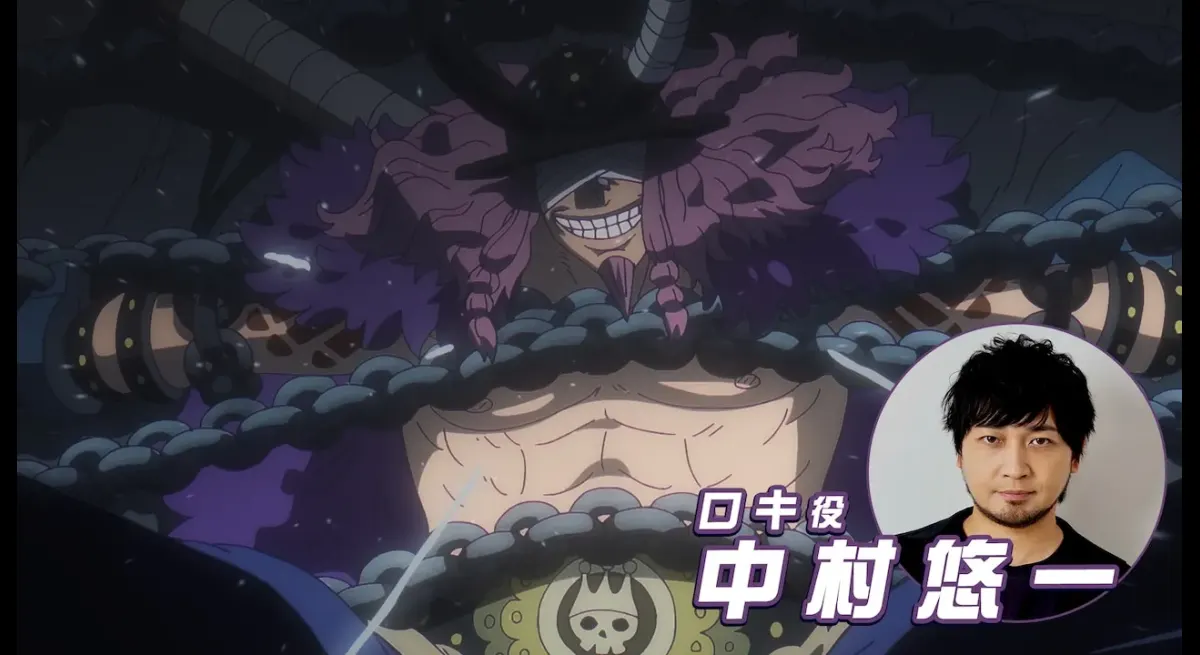 Also ReadYuichi Nakamura as Loki in "ONE PIECE": Elbaf Edition OP by Aina The End
The Psychological Toll on the Hero of the Marines
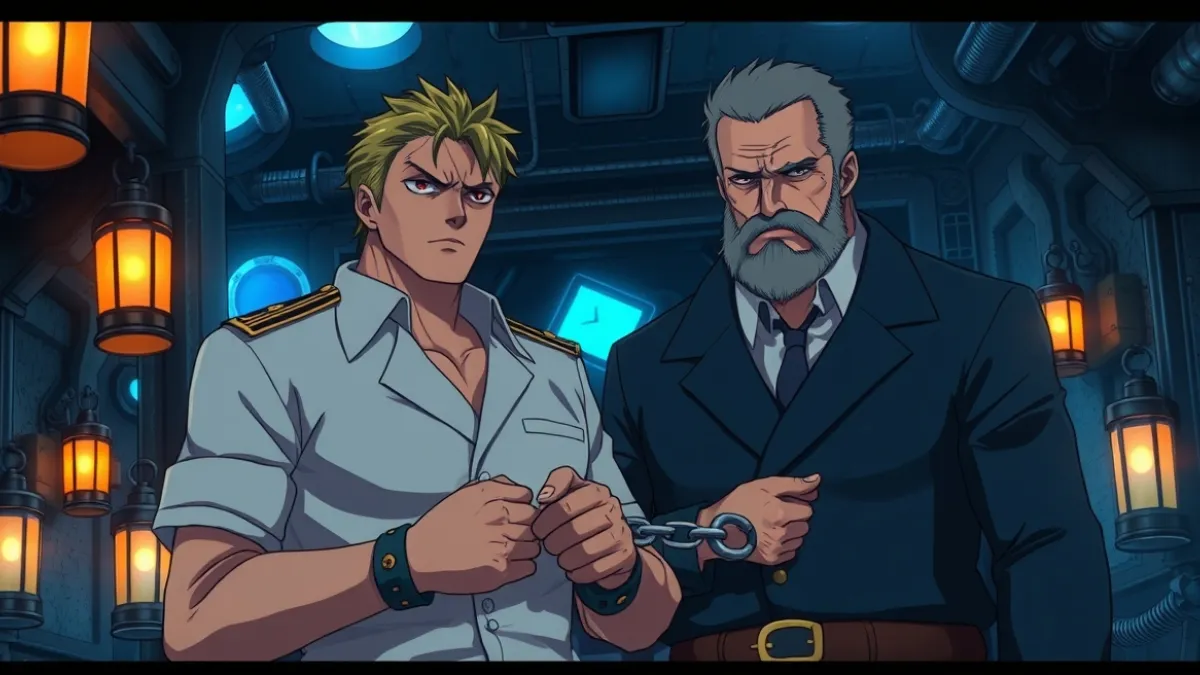
We know Garp and Roger had a relationship that transcended the typical "cop and robber" dynamic. They nearly killed each other countless times, but they also respected each other more than anyone else. If Garp had officially arrested Roger, the emotional weight would have been crushing. Imagine the scene: Roger is captured, chained in Seastone, and thrown into the dark depths of Impel Down without the dignity of his final plan. Garp wouldn't be celebrating a promotion; he’d be mourning a friend he was forced to break.
This changes Garp’s entire outlook on the Marines. In the canon, he’s already cynical about the Celestial Dragons, but Roger’s "voluntary" death gave him a weird sense of closure. If he had to drag Roger to the gallows against his will, Garp might have quit the Marines decades earlier. This ripples down to his family. Would he still try to force Luffy and Ace into being Marines? Or would his bitterness toward the "Justice" he served make him encourage them to find a different path? It’s a darker, more somber version of the Hero we love, and it would definitely shift his placement on any One Piece tier list regarding influence and legacy.
The Void Left by the Great Pirate Era
Nature abhors a vacuum, and so does a good adventure. Without the Great Pirate Era, the Pirate King title becomes a myth of the past rather than a goal for the future. The sea remains dangerous, sure, but it’s not overflowing with "Dreamers." The balance of power shifts entirely to the World Government. Without the influx of new pirates, the Four Emperors might never have established such ironclad territories in the New World. Whitebeard might have just stayed a family man on the move, and Kaido/Big Mom would have lacked the constant "rookie" challenges that kept them active.
Think about the Straw Hat crew in this stagnant world. Without the inspiration of Roger’s execution:
- Shanks: He might never have visited Foosha Village. He might have stayed a bitter remnant of a fallen crew, or perhaps he becomes a rogue element without the "bet" he placed on the next generation.
- Zoro: He’d still be a bounty hunter, but his targets would be low-level thugs instead of the world-class pirates that pushed him to his limits.
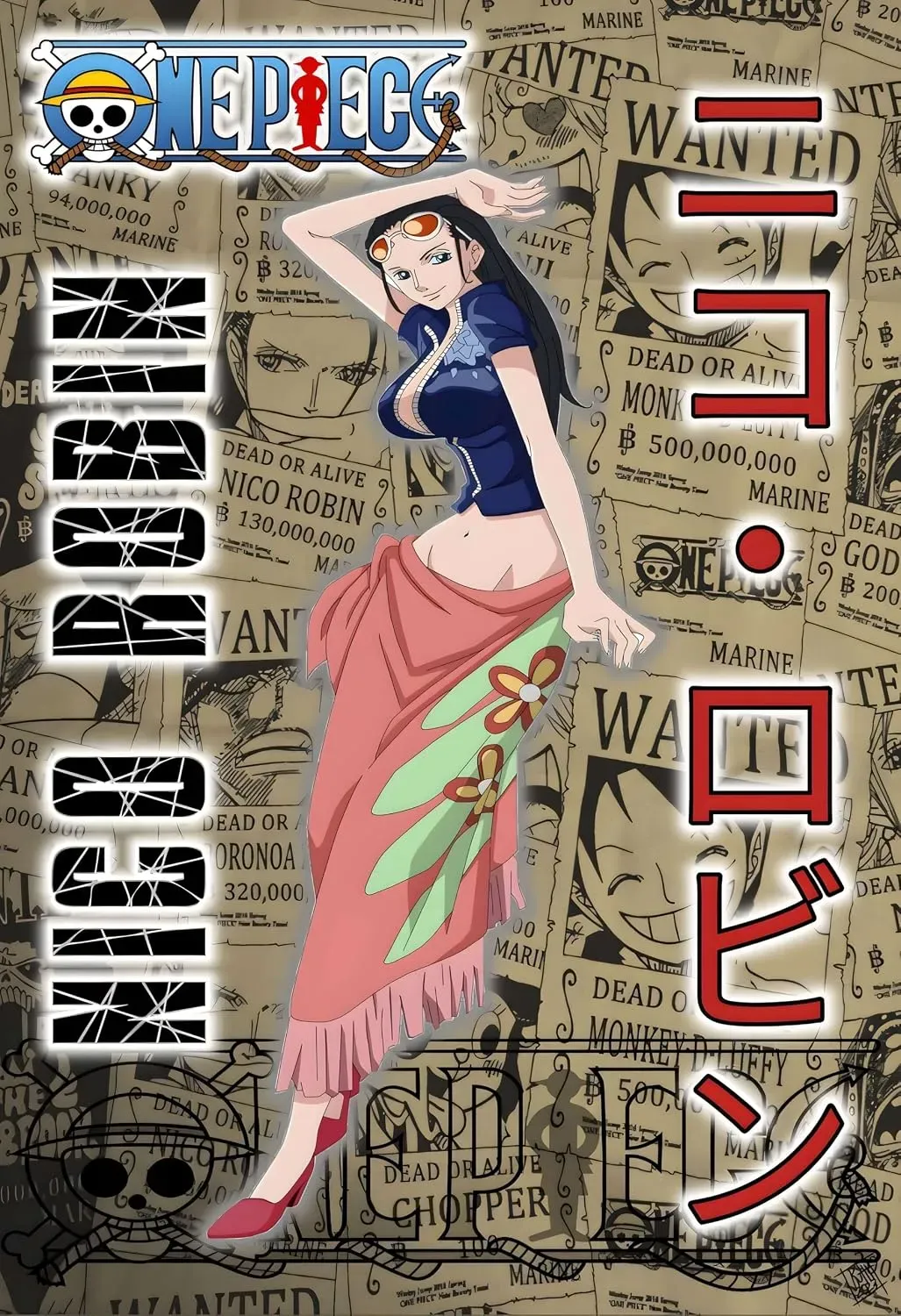
- Robin: Without the chaotic cover of the Pirate Era, the World Government’s hunt for her would be much more focused and efficient. She might never have found a crew brave enough to stand against the world for her.
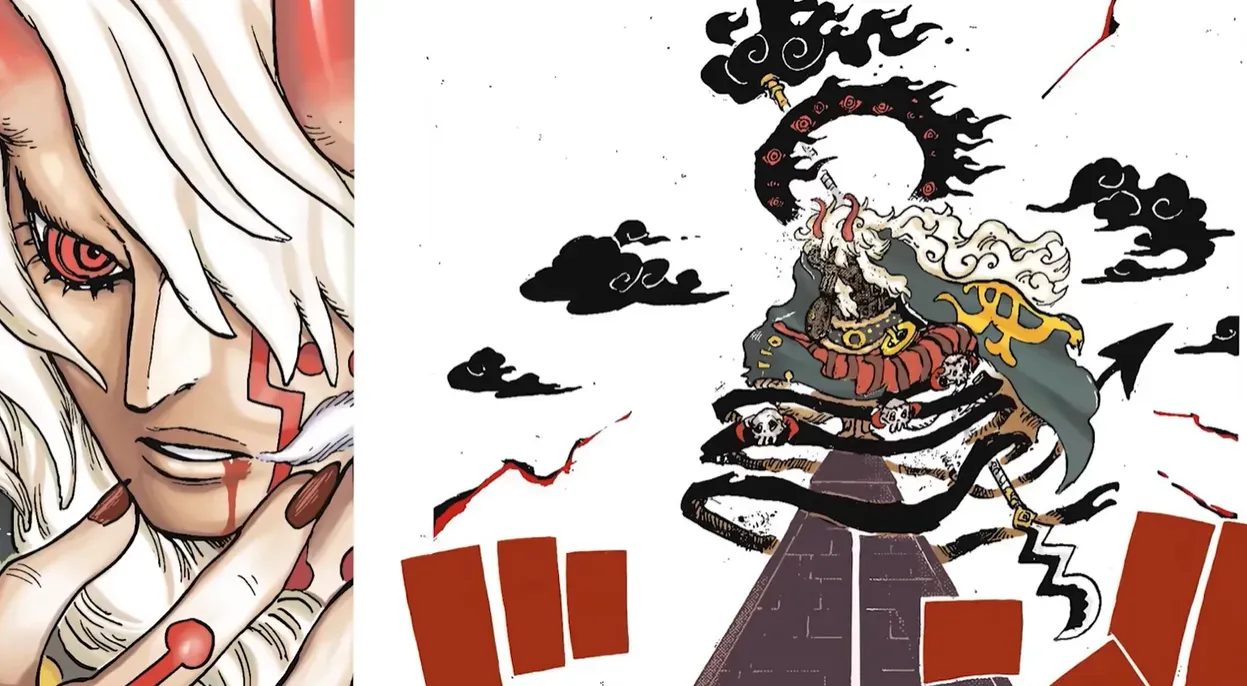 Also ReadOne Piece Chapter 1180 "Omen" Spoilers: Imu's God-Like Power Destroys Zoro & Sanji
Luffy’s Journey: A Different Flavor of Adventure
Pirates talk about fate a lot. Luffy dismisses it entirely—he goes where he wants and does what he wants and the universe adapts to him, not the other way around. But even Luffy operates within a web of circumstances he didn't choose. If Roger is just a criminal who got caught, does Luffy still dream of the One Piece? Maybe he still wants freedom, but the "Pirate King" goal wouldn't have the same weight. He’d be chasing a ghost rather than a legacy.
His battles would require different solutions. In a world where the Marines are more organized and less distracted by a "Great Era," Luffy would be labeled a high-level threat much sooner. We might see every Straw Hat pirate powerup in the final saga happening much earlier out of pure survival necessity. The World Government, which has always played a long game measured in centuries, doesn't find its core strategy disrupted—the Poneglyphs remain, the Ancient Weapons stay hidden, but the "trigger" for the final war is missing. The world is quieter, but it's the silence of a tomb.
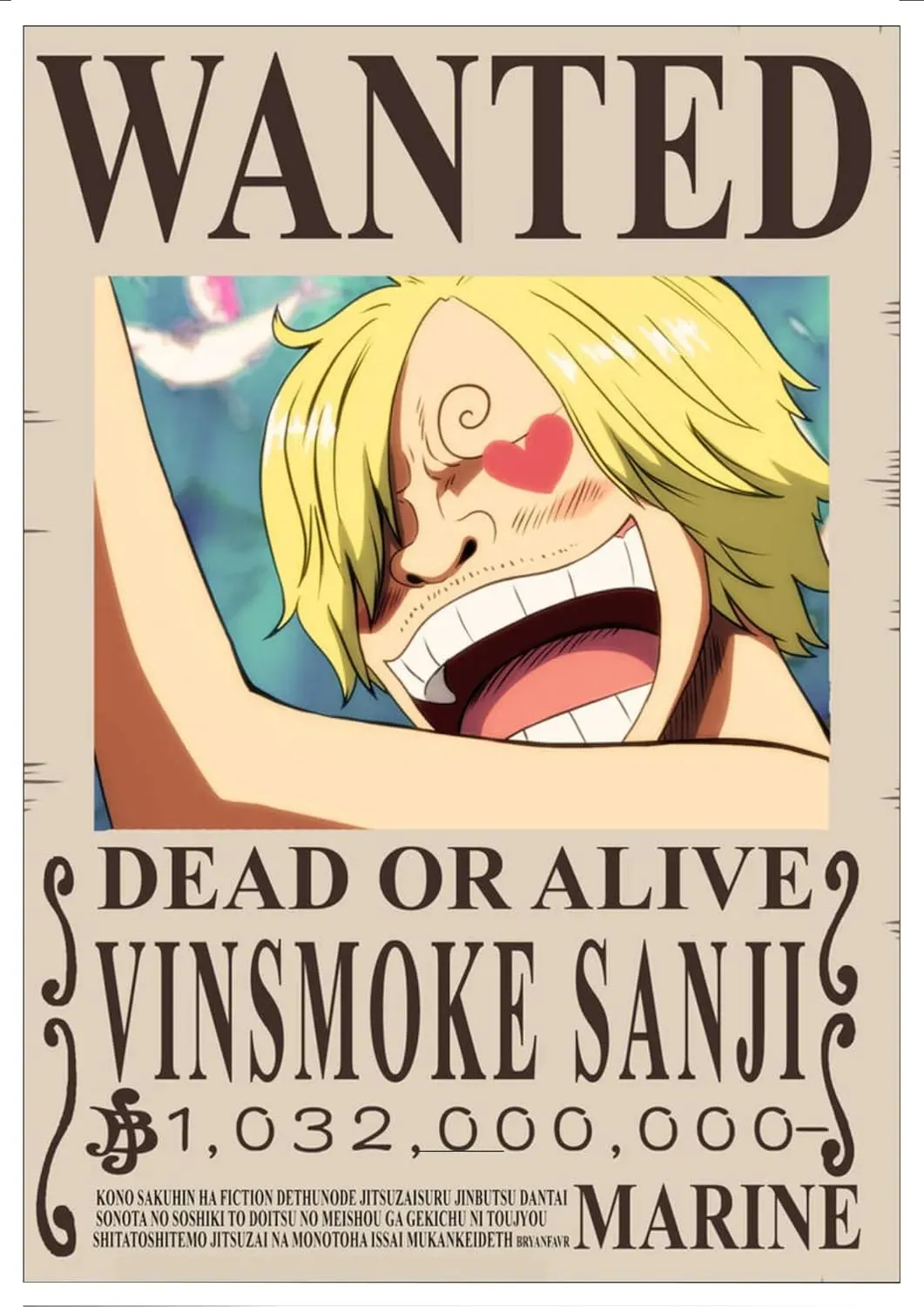
The arrest factor changes the texture of day-to-day life. Small moments become critical pivot points. Usopp might never leave his village because there’s no "grand call" to the sea. Sanji might stay at Baratie forever, waiting for a dream that feels impossible in a closed-off world. It’s a timeline where the "Will of D" is suppressed by the sheer efficiency of a Marine force that actually did its job too well.
Conclusion: The Tragedy of Perfect Justice
At the end of the day, this "What If" shows us just how vital Roger's agency was. By "letting him go" (in the sense of allowing his plan to unfold), Garp unintentionally saved the spirit of the world. If Garp had chosen duty over his bond and ROGER had been arrested like any other pirate, the flame of revolution would have been snuffed out before it ever caught a spark. The One Piece would still be sitting on Laughtale, but there would be no one left with enough "romance" in their soul to go looking for it.
It’s a reminder that in One Piece, the "Bad Guys" (Pirates) are often the ones keeping the world’s heart beating, while the "Good Guys" (Marines) are accidentally trying to stop it. Garp’s greatest act of heroism wasn't his many captures—it was the moment he let his rival win the long game. Because a world without a Pirate King is a world where the sun never truly rises on a new era.








// Comments