

What Are Cover Stories?
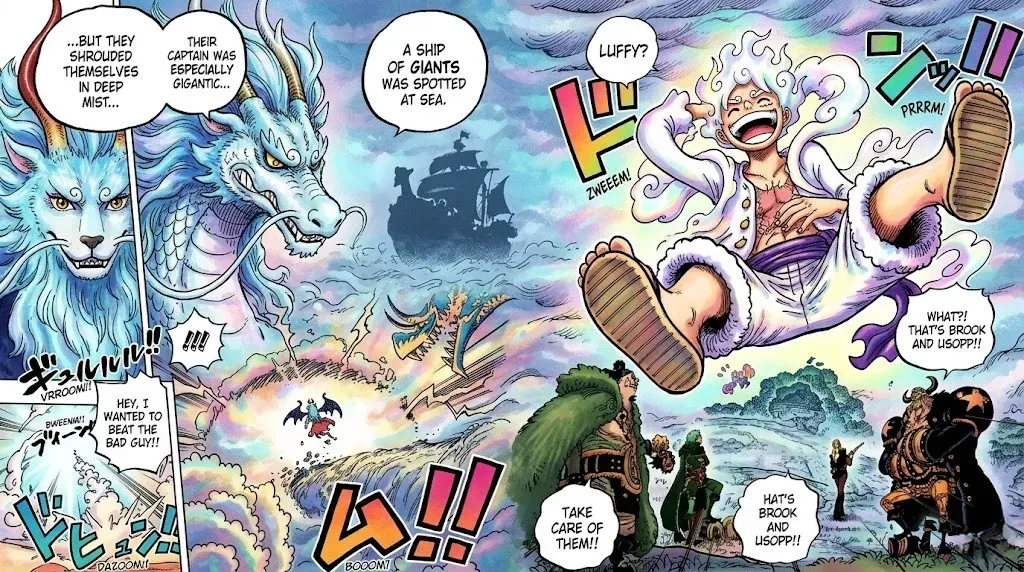
In the world of manga, the front page of a chapter is often used for simple illustrations or fan requests. However, One Piece creator Eiichiro Oda utilizes this space for something far more significant: One Piece cover stories. These are short, multi-part serials told through a single panel on the title page of nearly every manga chapter. Unlike the "filler" often found in anime adaptations, these cover story arcs are 100% canon. They provide essential updates on characters who have left the main spotlight, showing their journeys, power-ups, and new alliances that eventually loop back into the primary narrative.
For readers, paying attention to these manga covers is vital for understanding the broader world-building of the series. While the Straw Hat Pirates move from one island to the next, the rest of the world continues to evolve, and these mini-arcs are the primary vehicle for that off-screen progression.
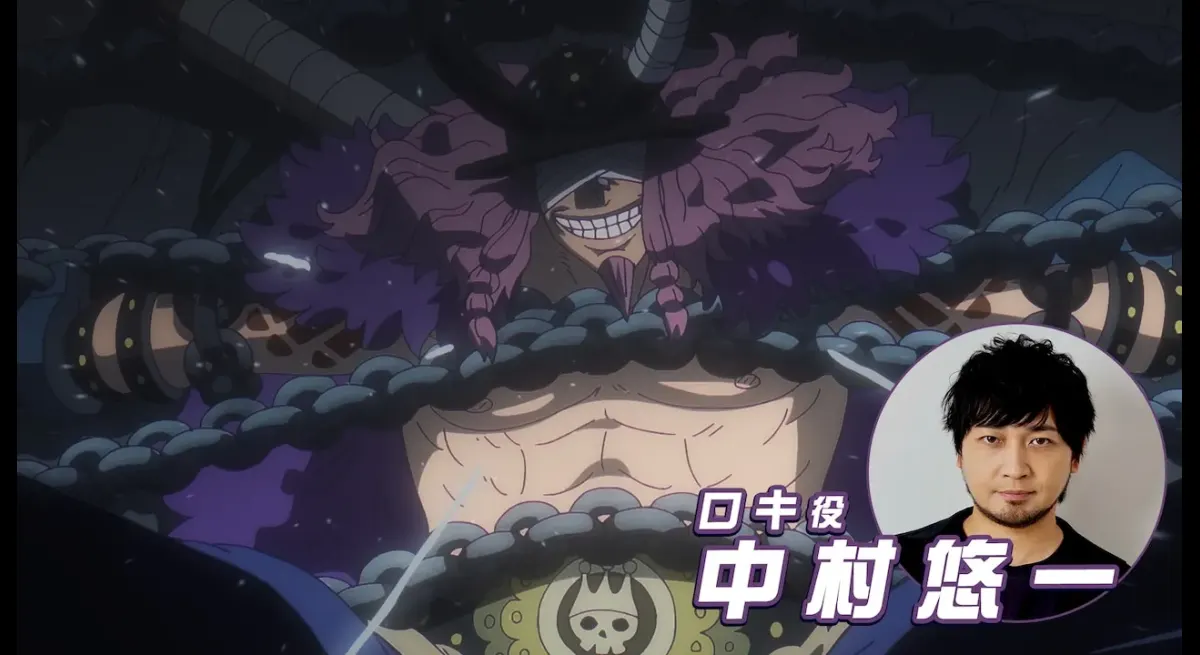 Also ReadYuichi Nakamura as Loki in "ONE PIECE": Elbaf Edition OP by Aina The End
Complete List
Since the series began, there have been dozens of One Piece cover stories. Here is a chronological list of the major serialized arcs found on the manga covers:
- Buggy's Crew Adventure Chronicles
- Diary of Koby-Meppo
- Jango's Dance Paradise
- Hatchan's Sea-Floor Stroll
- Wapol's Omnivorous Hurrah
- Ace's Great Blackbeard Search
- Gedatsu's Accidental Blue-Sea Life
- Miss Goldenweek's "Operation: Meet Baroque Works"
- Enel's Great Space Operations
- CP9's Independent Report
- Straw Hat's Separation Serial
- From the Decks of the World
- Caribou's Kehihihihi in the New World
- Solo Journey of Jinbe, Knight of the Sea
- The Stories of the Self-Proclaimed Straw Hat Grand Fleet
- "Gang" Bege's Oh My Family
- Germa 66's Ahh... An Emotionless Excursion
Most Important Cover Stories
While all One Piece cover stories are canon, some have a much larger impact on the main plot than others. For example, "Diary of Koby-Meppo" explained how Koby and Helmeppo became disciples of Monkey D. Garp, transforming them from weaklings into formidable Marines. Without this context, their reappearance at Water 7 would have felt jarring. Similarly, "Miss Goldenweek's Operation" explains how several Baroque Works agents escaped prison, leading to their roles in the Impel Down and Marineford arcs.
These cover story arcs serve as the connective tissue between major sagas, ensuring that characters don't just disappear after their initial defeat, but instead continue to grow and influence the world's power balance.
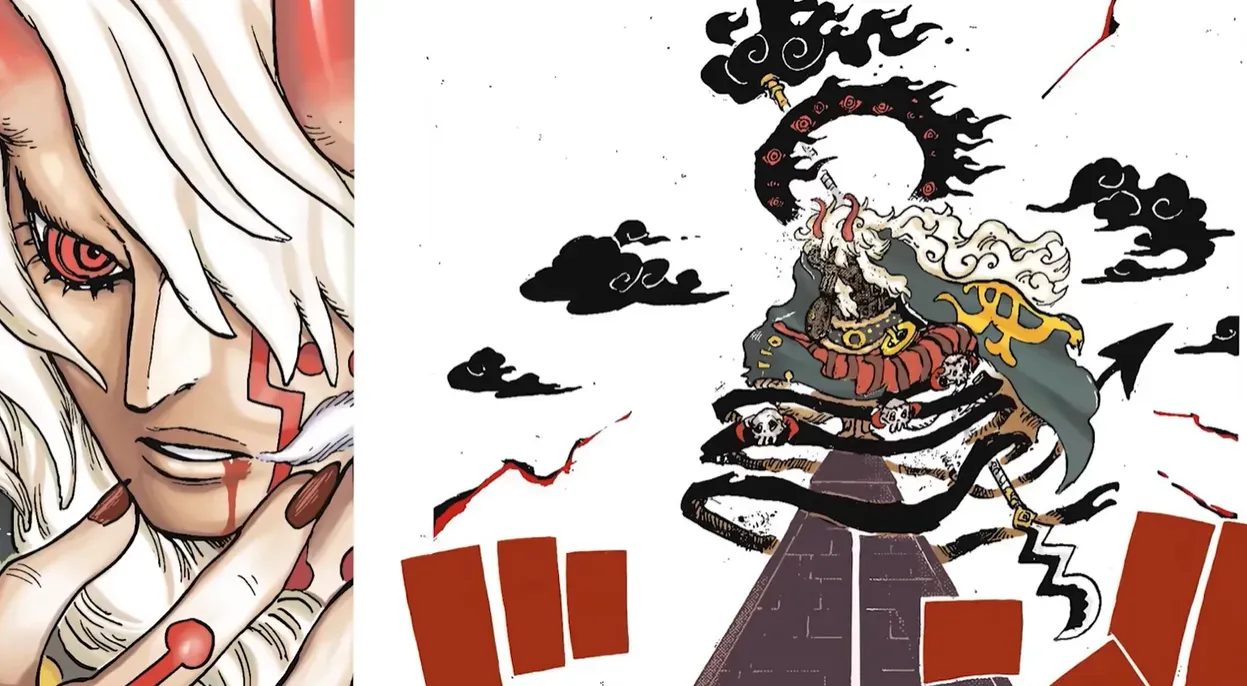 Also ReadOne Piece Chapter 1180 "Omen" Spoilers: Imu's God-Like Power Destroys Zoro & Sanji
Enel's Space Adventure
Perhaps the most famous and bizarre of all cover story arcs is "Enel's Great Space Operations." After his defeat in Skypiea, the self-proclaimed God Enel took his flying ship, Maxim, to the "Fairly Vearth"—which turned out to be the Moon. On the moon, Enel discovered ancient ruins, fought space pirates, and awakened an army of robotic soldiers known as Automata.
This story is highly scrutinized by theorists because it reveals the history of the Skypieans, Birkans, and Shandians, suggesting their ancestors originated from the moon. It is widely believed that the lore established on these manga covers will play a massive role in the series' endgame, specifically regarding the Ancient Weapons and the Void Century.
Caribou's Story
"Caribou's Kehihihihi in the New World" is another essential read. It follows the swamp-man Caribou after the Fish-Man Island arc. He ends up on a winter island that was a favorite of Kaido's, where he is mistaken for a revolutionary hero. This arc is critical because it explains how Caribou eventually ended up as a prisoner in Wano’s Udon prison, where he later assisted Luffy. More importantly, it highlights Caribou's knowledge of the Ancient Weapons Pluton and Poseidon, information he intends to give to a "certain person," making his journey one of the most dangerous subplots in the series.
FAQ
Are One Piece cover stories adapted into the anime?
Only the earliest ones, like Koby’s and Buggy’s, were fully adapted. Most others are either briefly mentioned or skipped entirely, which is why anime-only fans are often confused when characters return with new powers or status.
How long does a cover story usually last?
A typical cover story arc runs for about 20 to 40 chapters, with each chapter featuring one panel of the story.
Where can I read the cover stories?
They are found on the first page of the manga chapters. Most fansites and wikis also compile the images into a single gallery for easier reading.




// Comments