
Why Laughs Are Unique
In the vast world of One Piece, Eiichiro Oda has created a signature trope that sets his characters apart: the highly personalized laughter style. Unlike traditional anime where a standard "Hahaha" suffices, One Piece laughs are distinctive, phonetic identifiers that often reflect a character's personality, devil fruit powers, or physical traits. These unique laughs serve as more than just a vocal quirk; they are a fundamental part of the series' charm and character building, making every introduction in the Grand Line memorable. Whether it is a deep, rumbling cackle or a high-pitched squeak, these sounds help define the "aura" of a character before they even throw a punch.
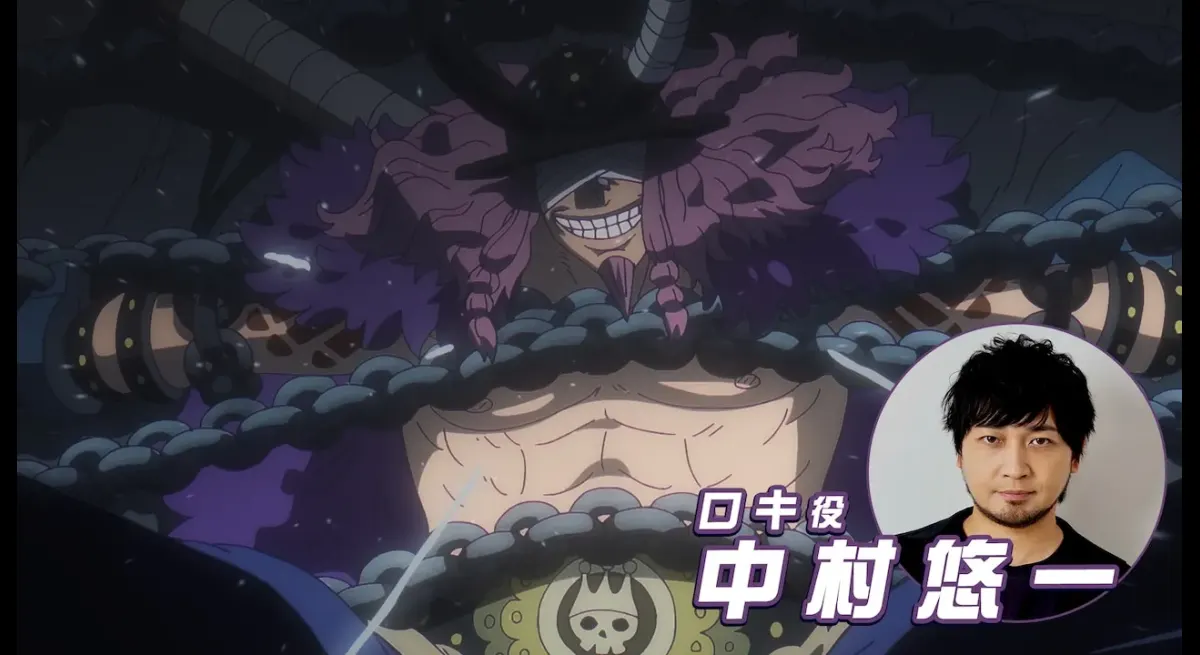 Also ReadYuichi Nakamura as Loki in "ONE PIECE": Elbaf Edition OP by Aina The End
Straw Hat Laughs
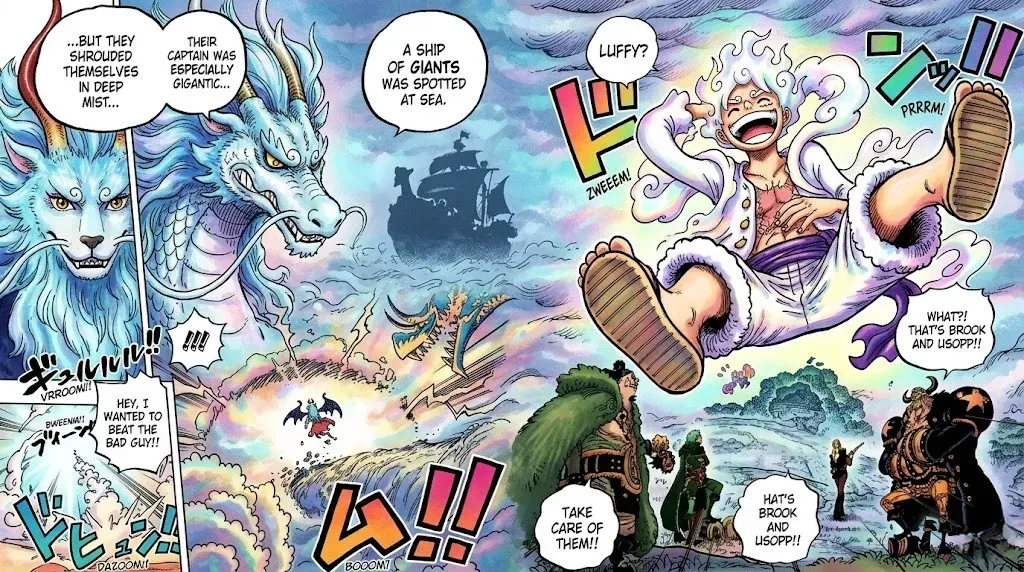
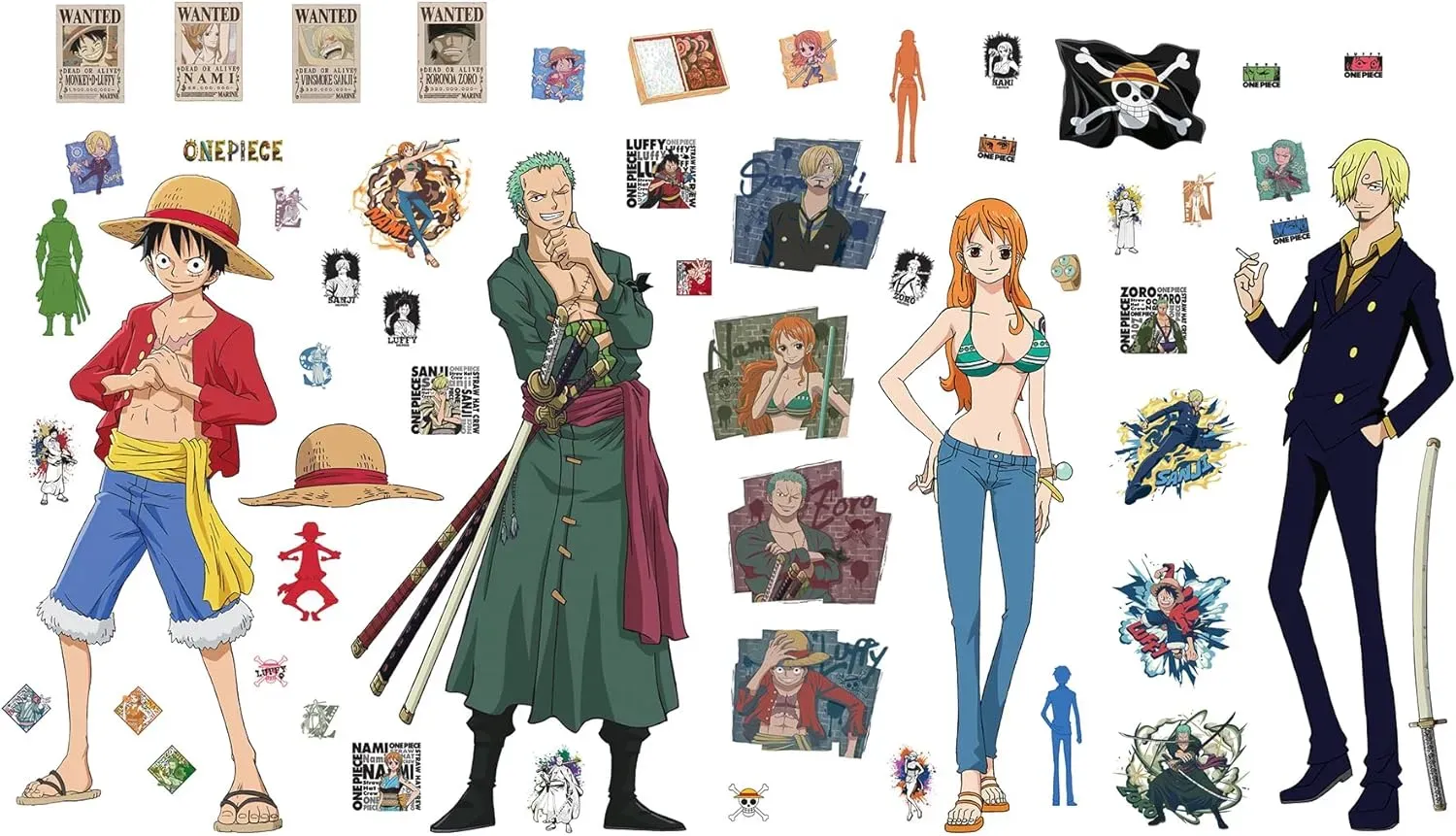
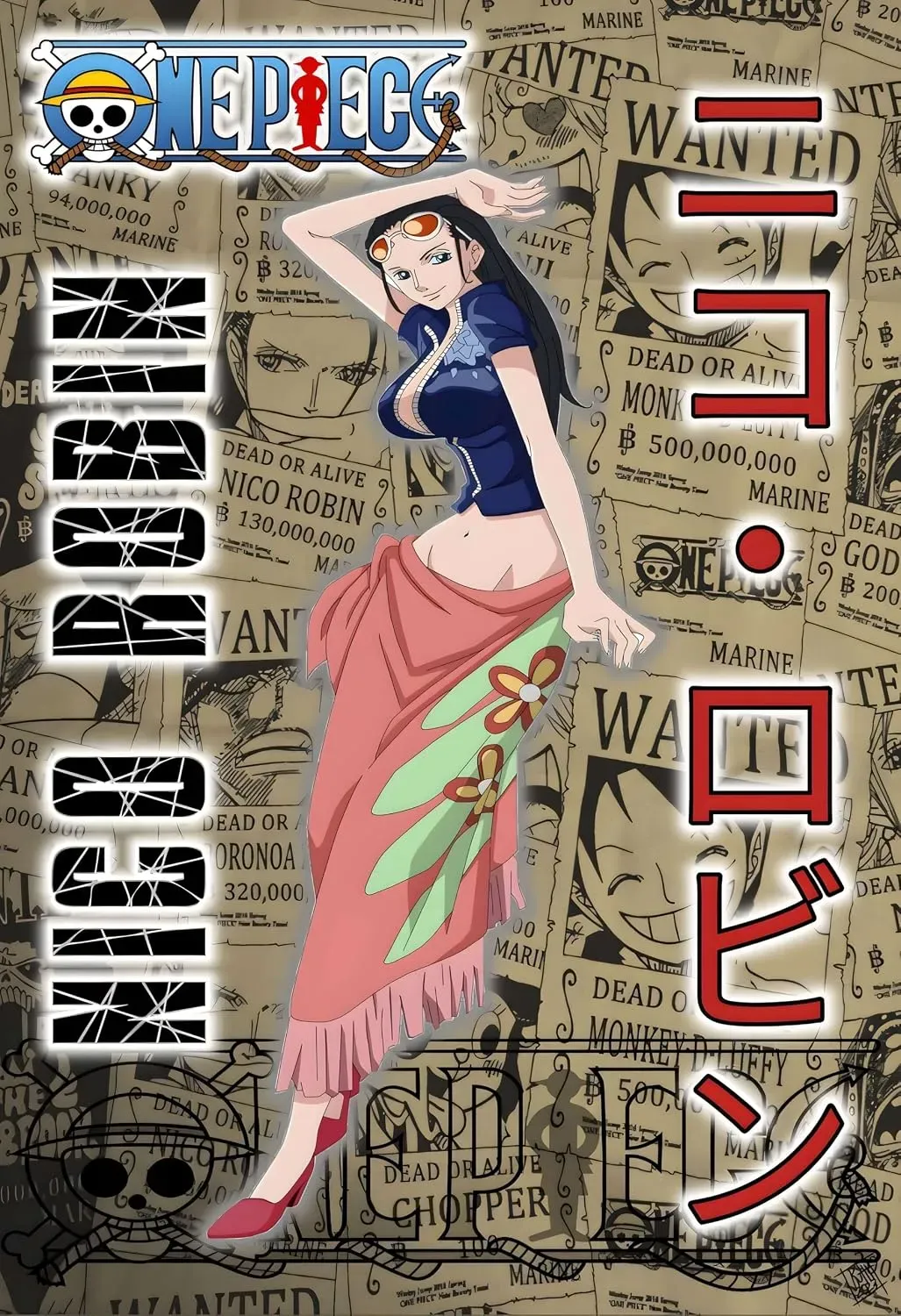
The protagonists of the series are not exempt from this eccentric naming convention. While some members of the crew have relatively standard laughs, others possess iconic vocalizations that fans have come to love. The most famous among the Straw Hat Pirates is undoubtedly Brook, whose "Yohohohoho" is a direct nod to classic pirate sea shanties like "Dead Man's Chest." This laugh perfectly encapsulates his role as the crew's musician and his skeletal, undead status. Monkey D. Luffy himself often uses a cheerful "Shishishishi," which mirrors his rubbery, bouncy nature. Even Nico Robin, usually reserved, briefly adopted the "Dereshishishi" laugh during her tragic childhood on Ohara—a heartwarming yet heartbreaking sound taught to her by the giant Jaguar D. Saul.
Villain Laughs
Antagonists in One Piece often have the most exaggerated and intimidating unique laughs. These vocalizations frequently tie directly into their Devil Fruit abilities or their overall theme. For instance, the former Yonko Whitebeard (Edward Newgate) utilized a "Gurararara" laugh, which phonetically mimics the "Gura Gura no Mi" (Tremor-Tremor Fruit) power he commanded. Similarly, Marshall D. Teach, also known as Blackbeard, is known for his deep "Zehahahaha," which has become synonymous with his treacherous rise to power. Other notable villainous laughs include Donquixote Doflamingo’s sinister "Fuffuffuffuffu" and Caesar Clown’s gaseous "Shurorororo," both of which heighten the eerie and eccentric presence these characters have on screen.
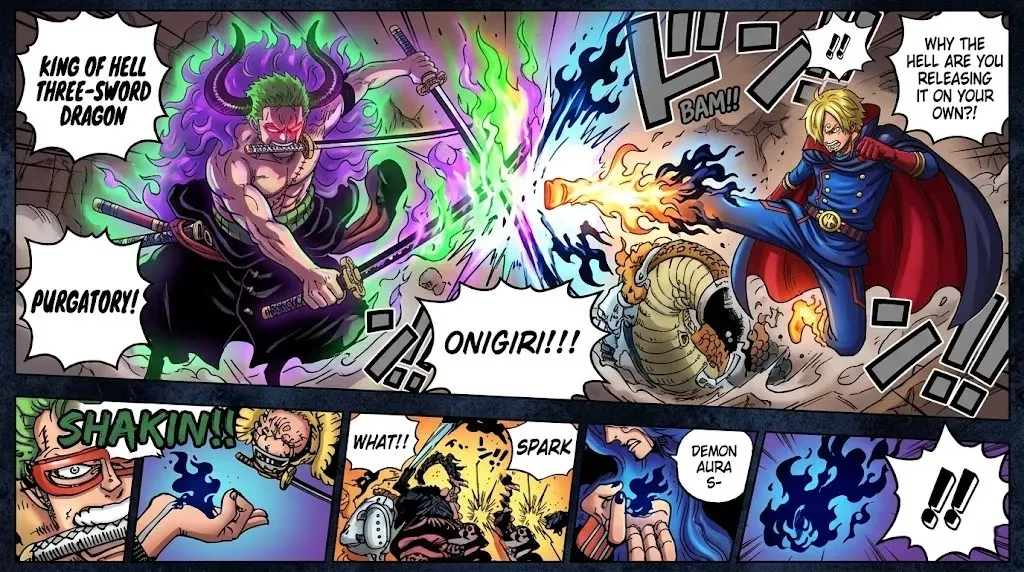
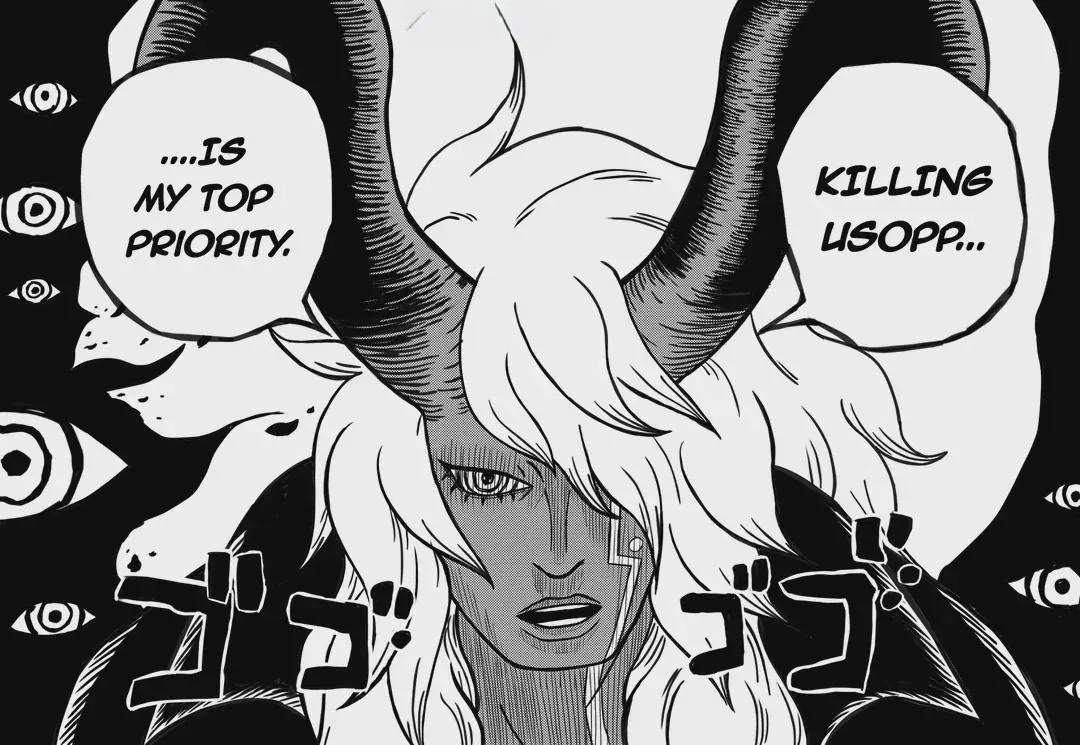
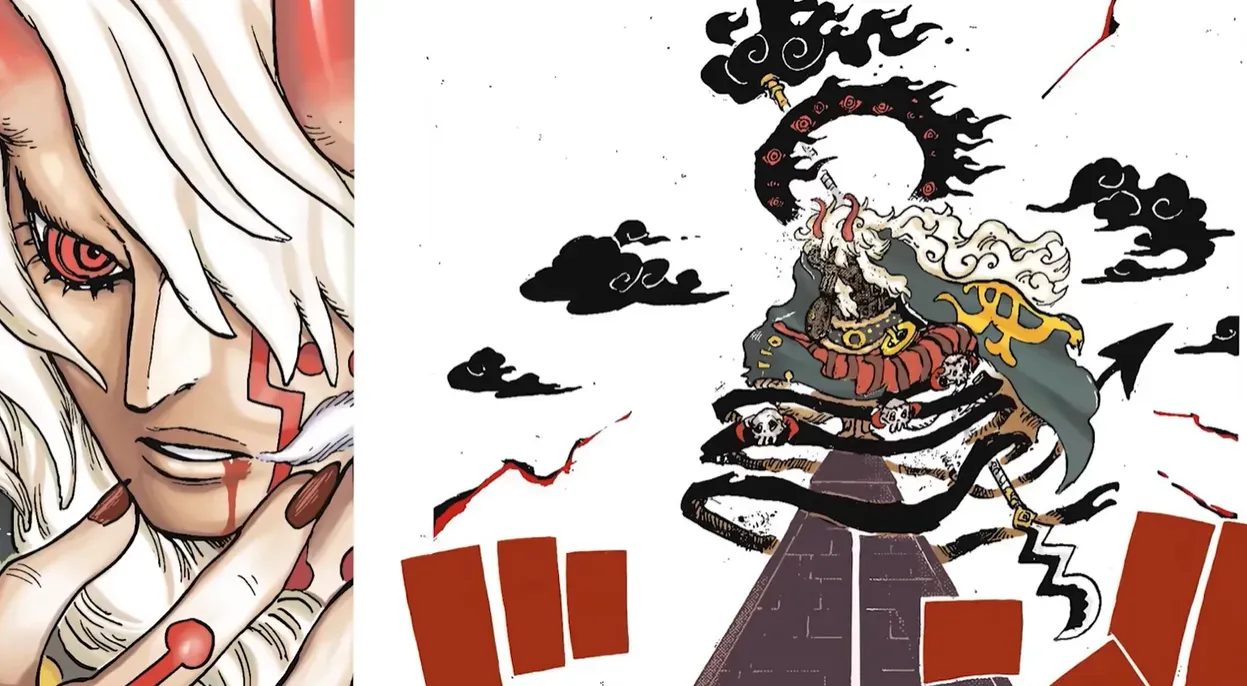 Also ReadOne Piece Chapter 1180 "Omen" Spoilers: Imu's God-Like Power Destroys Zoro & Sanji
Complete Laugh List
To understand the sheer variety of One Piece laughs, one must look at the extensive character laughs list found throughout the series. Here are some of the most prominent examples from across the Grand Line and the New World:
- Jaguar D. Saul: Dereshishishi
- Perona: Horohorohoro (A reference to her Horo Horo no Mi)
- Gecko Moria: Kishishishi
- Arlong: Shahahaha
- Dr. Hogback: Fosfosfos
- Big Mom (Charlotte Linlin): Mamamama
- Kaido: Worororo
- Buggy the Clown: Gyahahaha
- Emporio Ivankov: Mmmfufufu
- Foxy: Fefefe
- Dorry: Gegyagyagyagya
- Brogy: Gabababababa
- Vander Decken IX: Bahohoho
- Trebol: Behehehe
Funniest Laughs
While some laughs are meant to be scary, many are designed for pure comedic effect. The "funniest" laugh is often subjective, but fans frequently point to Pica of the Donquixote Pirates. Despite his massive, hulking stone physique, Pica possesses a shockingly high-pitched voice and a squeaky "Pikkya-pikkya-pikkyarara" laugh that famously caused Luffy to burst into uncontrollable laughter. Another fan favorite is the "Gedododo" of the Skypiea priest Satori, or the "Chapapapa" of CP9’s Fukuro, who uses his laugh like a verbal punctuation mark. These ridiculous sounds provide much-needed levity in a series that often deals with heavy themes of war and oppression.
FAQ
Why do One Piece characters have unique laughs?
Eiichiro Oda uses unique laughs to give characters distinct personalities and to make them more memorable. It is a creative way to distinguish the hundreds of characters in the series and often provides a hint about their abilities or backstory.
What is the most iconic laugh in One Piece?
While Brook’s "Yohohohoho" and Blackbeard’s "Zehahahaha" are top contenders, many fans consider Jaguar D. Saul’s "Dereshishishi" to be the most iconic because of its emotional significance to Nico Robin’s character arc.
Do the laughs change in different languages?
Generally, the phonetic style of the laugh remains the same in the manga and the original Japanese anime. However, some English dubs or localized manga translations may slightly adjust the spelling to better convey the intended sound to local readers.
Are the laughs related to Devil Fruits?
In many cases, yes. Characters like Whitebeard (Gurararara), Perona (Horohorohoro), and Edward Newgate (Gurararara) have laughs that directly reference the names or sounds of their Devil Fruit powers.




// Comments