
Introduction to the Anime License Holy Grail
In the vast world of Japanese animation, certain titles transcend mere popularity to become something much more elusive: an anime license holy grail. These are the series and films that, for various reasons, have slipped through the cracks of international distribution, leaving fans with no legal way to stream or purchase them. Whether it is a classic from the 1980s that never left Japan or a modern masterpiece caught in "licensing jail," the pursuit of these titles defines the dedication of the global anime community. Tracking down these rare anime licenses is more than just a hobby; it is a quest to preserve the history of the medium and ensure that iconic stories are not lost to time.
Defining Rare Anime Licenses and Their Value
What exactly makes a title qualify as a rare anime license? Typically, the value of an anime license holy grail is determined by its scarcity and the complexity of its legal status. Some series are tied up in "limbo" because the original production studio no longer exists, while others face "FUBAR" rights issues where multiple stakeholders cannot agree on international terms. The value to collectors and fans is immense, often leading to a thriving secondary market for out-of-print (OOP) DVDs and Blu-rays. For many, the ultimate goal is seeing these titles rescued by modern distributors like Discotek Media or Crunchyroll, providing a bridge between the past and the current digital era.
The Most Wanted Anime Licensing Titles
The list of most wanted anime licensing titles is constantly evolving as older gems are rescued and new ones enter the "unlicensed" category. Historically, fans have clamored for legal access to several legendary works that remain difficult to find. Some of the most frequently cited "grails" include:
- Angel's Egg: A hauntingly beautiful film by Mamoru Oshii that remains one of the most sought-after licenses due to its complex rights status.
- Zambot 3: A classic mecha series that represents a significant gap in the English-speaking market for fans of the genre’s history.
- Betterman: A Dark Transforming Hero series that has been in and out of licensing availability, making it a constant point of discussion for collectors.
- The Rest of Lodoss: While the main Record of Lodoss War series is available, spin-offs like Legend of Crystania remain elusive.
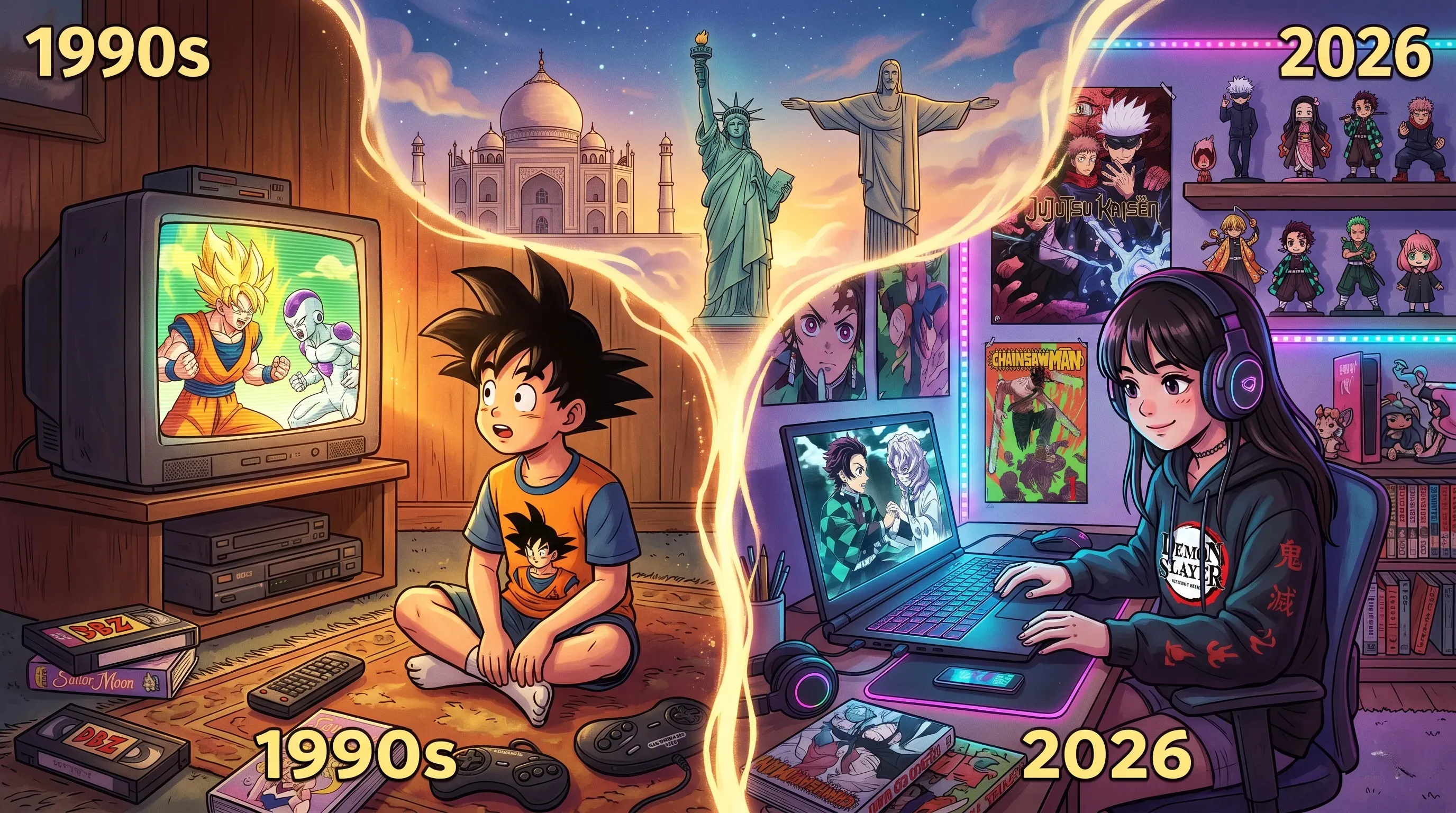 Also ReadHow Anime Is Changing Generations Worldwide in 2026
Ultimate Holy Grail Anime Collection Highlights
Building a holy grail anime collection often requires looking beyond standard streaming platforms. Collectors often scour second-hand Japanese stores like Surugaya or use proxy services to find physical copies of series that never made it West. A true holy grail collection might feature rare 80s OVA DVDs, limited edition Laserdiscs, or even lost media like the 1973 Doraemon series, of which only fragments remain. These pieces are not just entertainment; they are historical artifacts. For many fans, the ultimate holy grail is owning a piece of "Aniplex jail" history—titles that were licensed briefly and then tucked away, becoming nearly impossible to acquire legally once the initial run ended.
Comprehensive Anime Licensing Guide for Fans
For fans looking to navigate this complex landscape, a basic anime licensing guide is essential. Understanding how licenses work can help explain why your favorite show isn't on Netflix. Generally, a "production committee" in Japan holds the rights. International distributors must negotiate with this committee to secure streaming or home video rights. If a show has music rights issues (common in series like Macross) or if the committee is unsatisfied with the bid, the title stays in Japan. Fans can support the industry by using official channels and letting distributors know which "unreleased anime series" they want to see rescued through social media and surveys.
Exploring Unreleased Anime Series and Future Prospects
While the history of anime is full of missing links, the future for unreleased anime series looks brighter than ever. With the rise of streaming giants like Netflix and the expansion of niche services like HIDIVE, more money is being poured into "license rescues." We are currently seeing a renaissance where titles once thought lost—like Yokohama Kaidashi Kikou or the works of Naoki Urasawa—are finally receiving official English releases. Additionally, new partnerships between studios like MAPPA and global platforms ensure that modern hits are licensed almost instantly, preventing a new generation of "lost" series from forming.
Conclusion: The Legacy of Anime Licensing Discovery
The search for the anime license holy grail is a testament to the passion of fans who refuse to let great art be forgotten. From tracking down rare anime licenses in dusty garage sales to advocating for the release of unreleased anime series on modern platforms, this collective effort keeps the spirit of the medium alive. As we continue to bridge the gap between Japanese creators and global audiences, the list of "lost" treasures grows shorter, proving that no masterpiece is truly out of reach if the community remains dedicated to its discovery.












// Comments