Introduction to the Nah Id Win Meme
In the vibrant and fast-paced world of digital culture, few things capture the collective imagination like anime memes. Among the most pervasive and recognizable in recent years is the "Nah, I'd Win" meme. Featuring the legendary Satoru Gojo from the hit series Jujutsu Kaisen, this simple phrase and accompanying image have transcended the boundaries of the manga and anime community. What began as a single panel of dialogue has evolved into a versatile symbol of supreme confidence, irony, and even tragic foreshadowing. Whether you are a die-hard JJK fan or just a casual scroller on social media, understanding the context of this Gojo meme is essential to navigating modern internet humor.
 Also ReadSukuna's World-Cutting Slash Explained
Origins in Jujutsu Kaisen Chapter 221
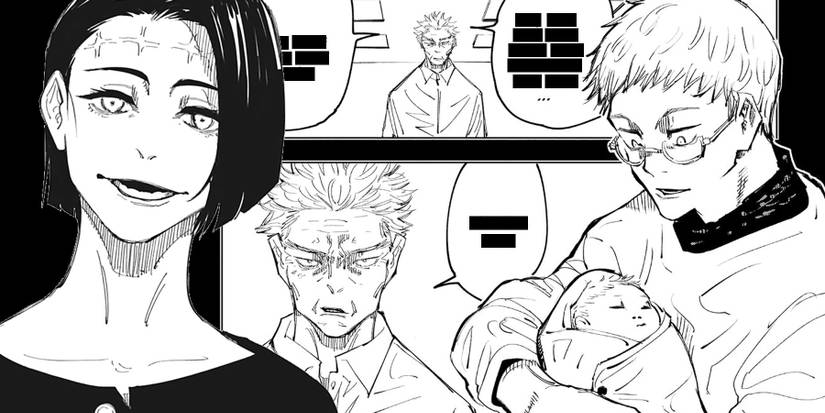
The "Nah, I'd Win" meme trace its roots back to JJK chapter 221, a pivotal moment in the series' narrative. After being sealed away in the Prison Realm for a significant amount of time, Satoru Gojo is finally unsealed. Upon his release, he is immediately confronted by Kenjaku and Ryomen Sukuna. In this high-tension scene, a flashback recalls a conversation from the very beginning of the series where Yuji Itadori asks Gojo if he could beat Sukuna at full power. Gojo’s response in chapter 221 mirrors his earlier statement with absolute certainty: "Nah, I'd win."
This specific panel, showing Gojo’s face in a close-up with a determined yet calm expression, became the definitive source for the meme. The release of JJK chapter 221 was a massive event for the fandom, and the sheer bravado displayed by the "strongest sorcerer" provided the perfect template for fans to celebrate his return. However, the meme truly exploded in popularity as the subsequent "Shinjuku Showdown" arc progressed, taking on new layers of meaning as the battle between Gojo and Sukuna unfolded.
Satoru Gojo’s Iconic Confidence
At the heart of the "Nah, I'd Win" meme is the character of Satoru Gojo himself. Known for his overwhelming power, striking appearance, and playful yet arrogant personality, Gojo is the personification of "unmatched." His confidence isn't just for show; throughout the series, he has consistently backed up his claims. This specific Gojo meme works so well because it encapsulates his entire philosophy: he is the honored one, and to him, victory is an objective fact rather than a possibility.
The appeal of the meme lies in this absolute self-assurance. Fans often use it to represent:
 Also ReadThe Mahoraga Ritual Rules Explained
- Unwavering belief in one's own abilities, even against impossible odds.
- The "aura" of a character who knows they are the strongest in the room.
- A humorous way to respond to a challenge or a difficult situation in daily life.
How the Meme Went Viral Beyond JJK
While it started within the Jujutsu Kaisen fandom, the "Nah, I'd win meme" quickly broke containment. The simplicity of the text and the iconic nature of the image made it easy to replicate and adapt. Soon, the internet was flooded with "edit" versions where Gojo's face was replaced with other characters from different franchises, celebrities, or even historical figures. If a character had even a shred of confidence, they were likely given the "Nah, I'd Win" treatment.
The meme’s viral nature was fueled by platforms like X (formerly Twitter), TikTok, and Reddit. It became a shorthand for any situation involving a predicted victory, often used ironically when the person in question was clearly about to lose. This ironic usage intensified following the shocking events of later chapters, turning a statement of fact into a bittersweet joke. The meme became so ubiquitous that it started appearing in non-anime contexts, proving that the visual language of anime memes can have a massive global reach.
Impact on the Anime Meme Community
The "Nah, I'd Win" meme has left a lasting impact on the anime meme community, setting a standard for how manga panels can be repurposed for viral content. It sparked a wave of "lobotomy kaisen" content—a term used by fans to describe the increasingly surreal and repetitive humor that emerged during manga breaks. This meme was the spearhead of that movement, demonstrating how a single line of dialogue can sustain a community's engagement for months.
Furthermore, it highlighted the deep connection between manga readers and the real-time release of chapters. The meme evolved week-to-week as new plot points were revealed, showing that anime memes are not static; they are living reflections of the story's progression. It has solidified Satoru Gojo's status not just as a popular character, but as a permanent fixture in internet history.
Conclusion
The "Nah, I'd Win" meme is more than just a funny picture; it is a cultural phenomenon that captures the essence of Satoru Gojo and the chaotic energy of the JJK fandom. From its humble beginnings in JJK chapter 221 to its status as a global internet staple, it represents the power of character-driven humor. Whether used to express genuine confidence or to poke fun at a spectacular failure, the meme remains a testament to the enduring influence of Jujutsu Kaisen on modern pop culture. As long as there are challenges to face and "strongest" characters to celebrate, the spirit of "Nah, I'd win" will continue to live on in our feeds.






// Comments