
Chapter Number Significance
Eiichiro Oda is legendary for his meticulous planning, and nowhere is this more evident than in the chapter numbers of One Piece. Fans have long analyzed how specific milestones in the story align with mathematically significant numbers. For instance, Chapter 100, titled "The Legend Begins," marked the crew's entry into the Grand Line, while Chapter 1000, "Straw Hat Luffy," showcased Luffy finally reaching the roof of Onigashima to face the Yonko. These are not mere coincidences; Oda often uses these milestones to mirror past events or fulfill long-standing foreshadowing. The use of One Piece numbers to create "parallels"—such as Chapter 1 coinciding with themes in Chapter 1000—demonstrates a level of narrative symmetry rarely seen in long-running manga.
 Also ReadYuichi Nakamura as Loki in "ONE PIECE": Elbaf Edition OP by Aina The End
Character Birthdays
One of the most charming ways Oda numerical patterns manifest is through character birthdays. Unlike many authors who choose dates at random, Oda almost exclusively uses "Goroawase," a Japanese system of numerical wordplay. For example, Monkey D. Luffy’s birthday is May 5th (05/05), which is Children's Day in Japan, fitting his youthful spirit. Tony Tony Chopper’s birthday is December 24th, referencing his reindeer nature and Christmas. More complex examples include Nico Robin, whose birthday is February 6th (02/06), derived from "Ni" (2) and "Ro" (6). This tradition has become so popular that fans regularly submit suggested birthdays to the SBS (Question and Answer) columns based on these hidden numbers, most of which Oda officially adopts.
Bounty Patterns
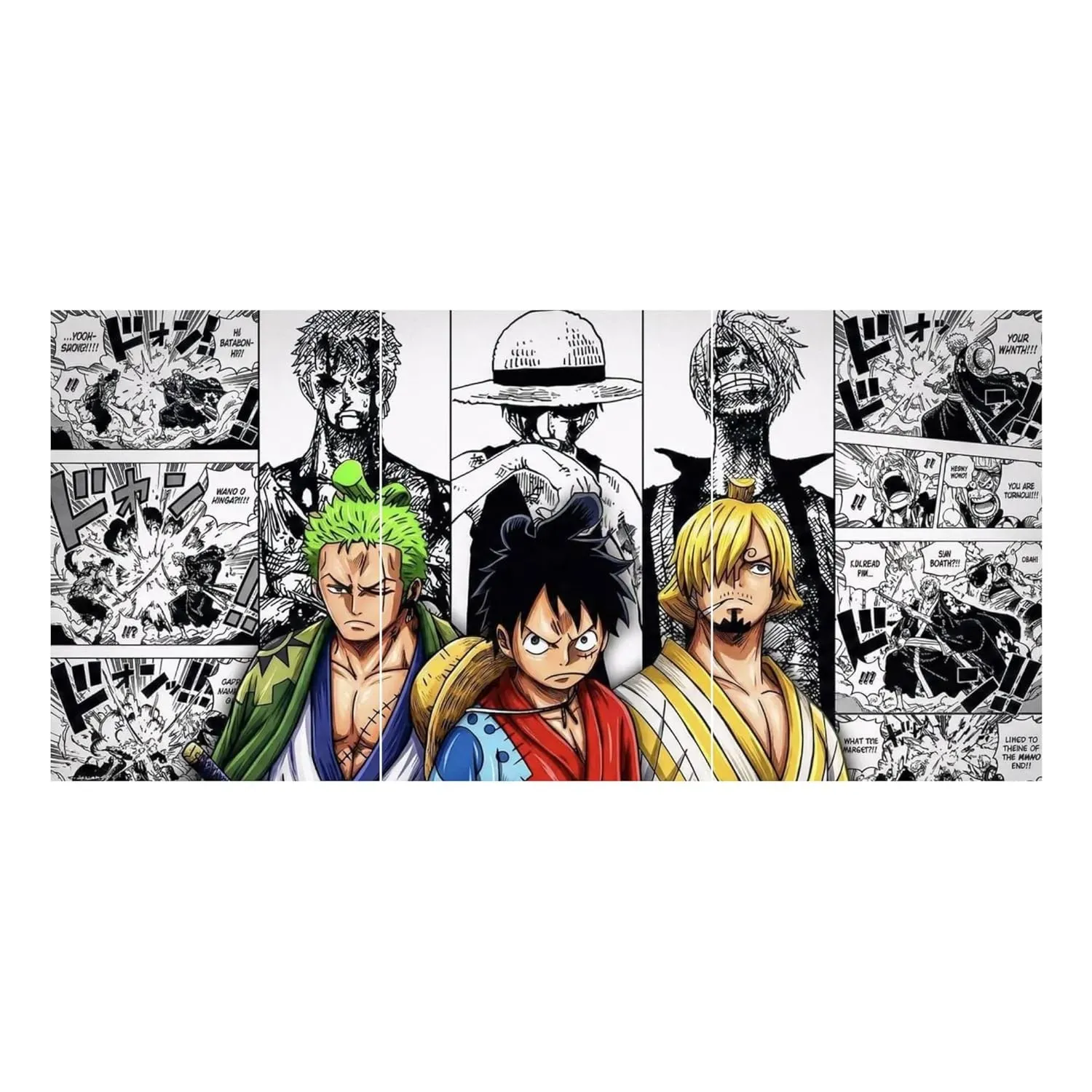
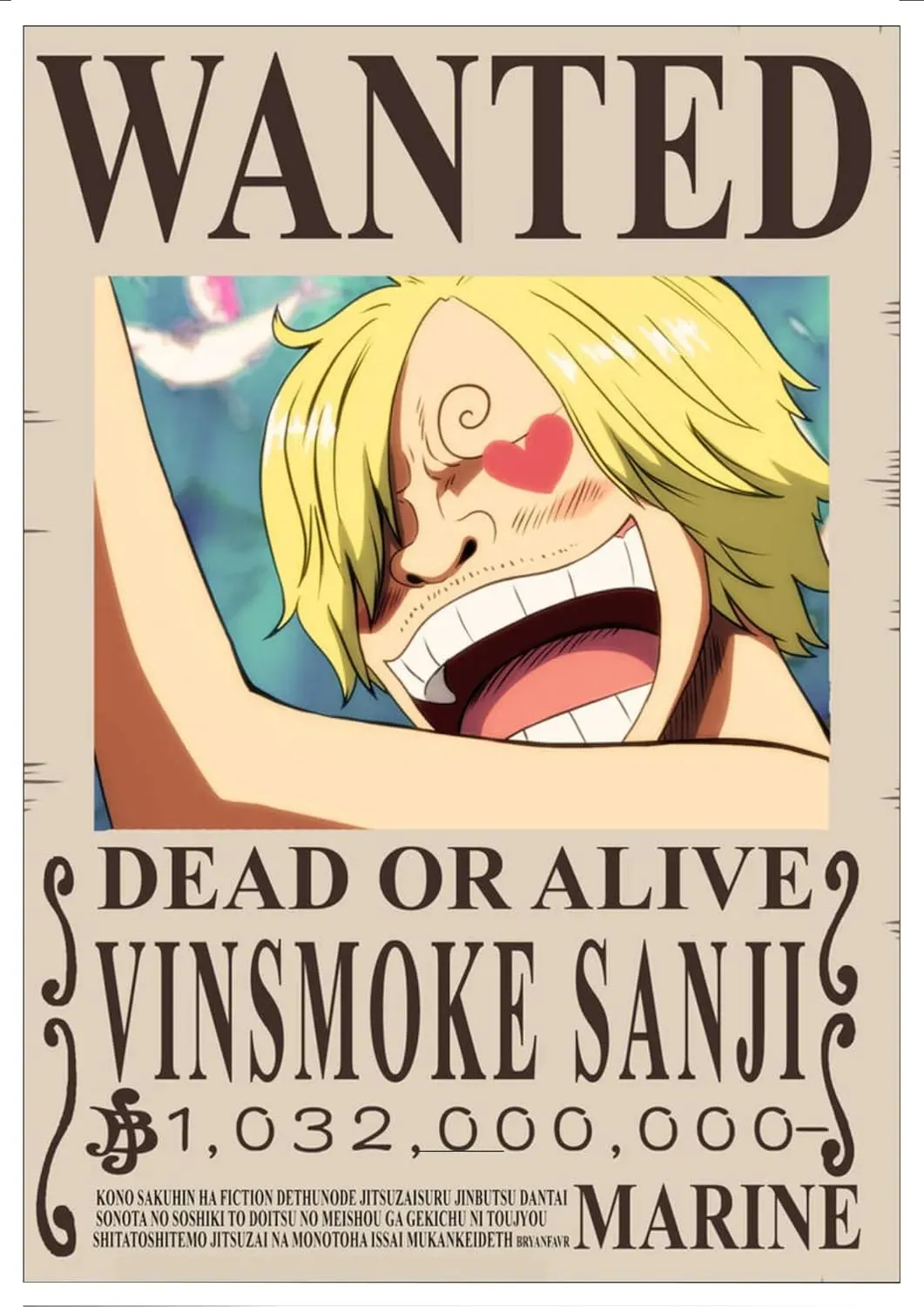
Bounties in the One Piece world are more than just power levels; they are often encoded with hidden numbers that reveal a character's history or personality. A prime example is the Straw Hat crew’s bounties after the Wano Country arc. Sanji’s bounty often contains "32" (San-ji), while Zoro’s bounty frequently incorporates "2" (Zu/Zoro). More significantly, the bounties of the Yonko often feature wordplay related to their Devil Fruits or titles. Kaido’s bounty of 4,611,100,000 contains "111" which can be read as "Triple King," and Big Mom’s 4,388,000,000 uses "88" (Haha), the Japanese word for mother. These Oda numerical patterns reward observant readers with deeper insights into the characters' standing in the world.
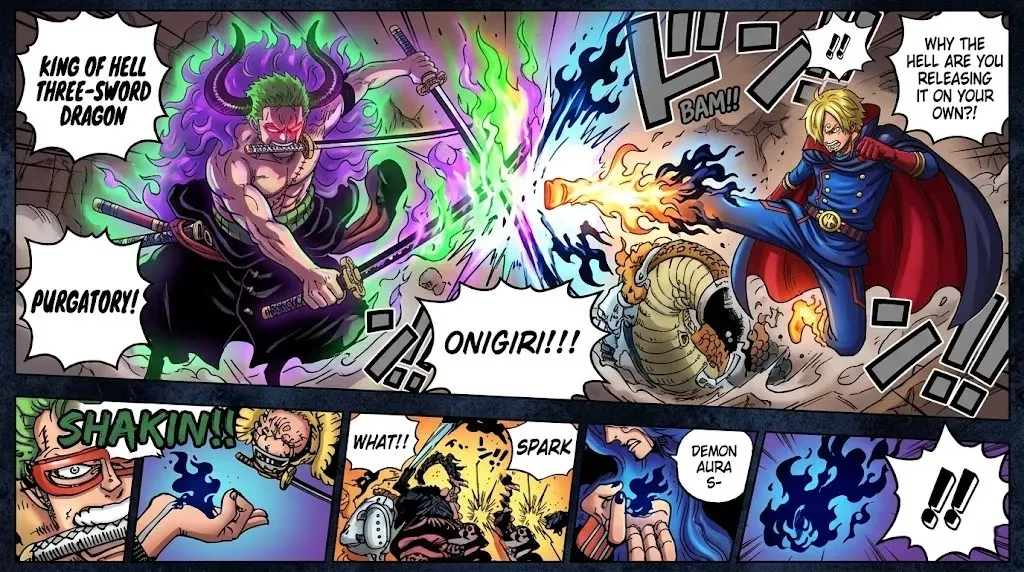
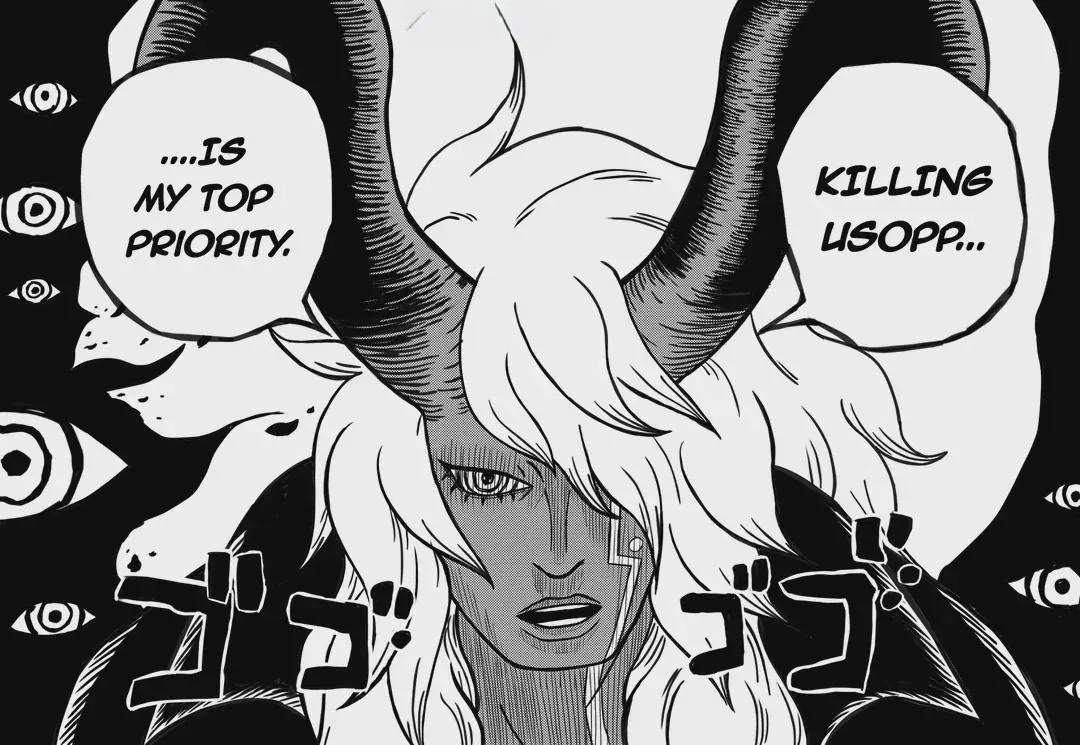
 Also ReadOne Piece Chapter 1180 "Omen" Spoilers: Imu's God-Like Power Destroys Zoro & Sanji
Volume Covers
The One Piece numbers game extends even to the physical volumes of the manga. Fans have noted striking similarities between the covers of Volume 25 and Volume 105. Both covers feature the same four characters—Luffy, Blackbeard, Shanks, and Buggy—who were the focal points of the "Four Emperors" era at those respective points in time. By mirroring the composition of a volume released twenty years prior, Oda uses the volume numbering to signal a major shift in the world's power balance. This visual and numerical echoing reinforces the idea that the story is moving toward a predetermined conclusion where history repeats itself in new and exciting ways.
SBS Numerical Clues
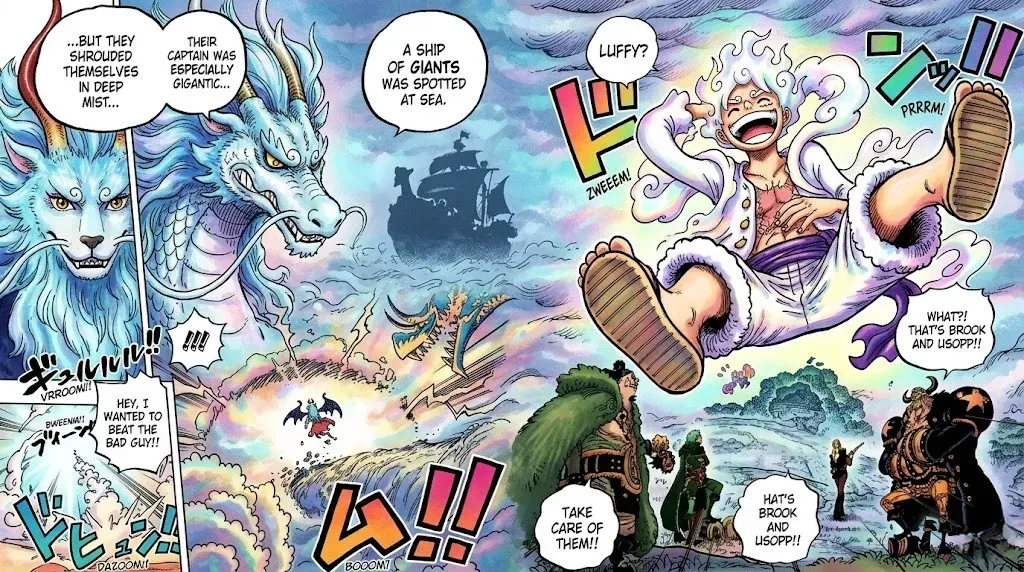
The SBS columns are a goldmine for anyone hunting for hidden numbers. Oda once confirmed a famous fan theory regarding the Devil Fruits of the Straw Hat crew. The Japanese names for the fruits eaten by Luffy (Go-mu), Chopper (Hi-to), Robin (Ha-na), and Brook (Yo-mi) correspond to the numbers 1-10, with only two numbers missing: 2 and 9. This led to years of speculation that the next crew member would have a fruit related to "Ni" (2) and "Kyū" (9), such as the Nikyu Nikyu no Mi. While Gear 5 changed the context of Luffy's fruit, the fact remains that Oda actively engages with his audience through these Oda numerical patterns, encouraging a culture of theorists who look for meaning in every digit.
FAQ
What is Goroawase in One Piece?
Goroawase is a Japanese form of wordplay where numbers are assigned sounds to create words. Oda uses this to determine birthdays, bounties, and even specific plot points involving One Piece numbers.
Do the chapter numbers actually predict the ending?
While no one knows the ending, many theorists believe the final chapter number will be a significant numerical pun or a mirror to Chapter 1, given Oda's history with hidden numbers.
Why are bounties so specific?
Bounties are rarely round numbers because they usually contain Oda numerical patterns that reference the character's name, their Devil Fruit power, or a specific historical feat they achieved.








// Comments