JoJo’s Bizarre Adventure occupies a very strange space in the anime world: it is undeniably a global titan, yet it rarely feels part of the "General Anime Discussion" in the same way the "Big Three" (Naruto, One Piece, Bleach) or modern hits like Jujutsu Kaisen do.
The reason for this "JoJo Silence" is a combination of its unique structure, its release strategy, and the specific type of culture it fosters.
1. The "Anthology" Problem
Most "Big Shonen" series are one continuous journey. If you talk about One Piece, you are talking about Luffy's 25-year trek. This creates a massive, consistent snowball of discussion.
 Also ReadYuichi Nakamura as Loki in "ONE PIECE": Elbaf Edition OP by Aina The End
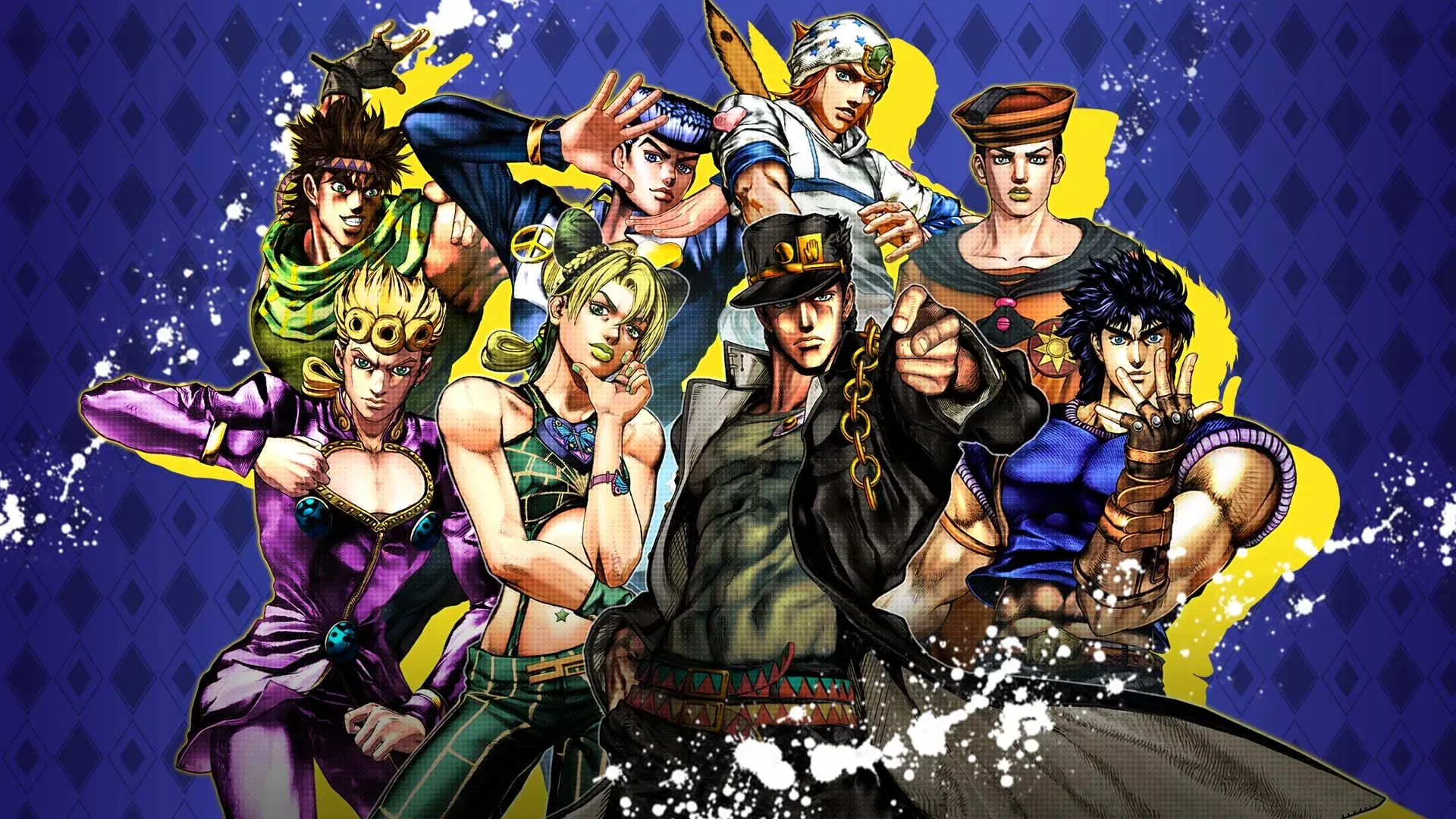
JoJo is an anthology. Every few years, the protagonist, setting, and supporting cast change entirely.
- Segmented Fandoms: Someone might love the 1930s New York vibes of Part 2 but dislike the Italian mob drama of Part 5.
- Lack of "Legacy" Spoilers: In Naruto, a plot point from Chapter 10 might pay off in Chapter 600. In JoJo, once a Part ends, those characters rarely return. This limits the long-term "theory crafting" that keeps other fandoms buzzing.
2. The "Netflix Jail" Effect
This is perhaps the biggest reason for the recent decline in JoJo’s "active" discussion.
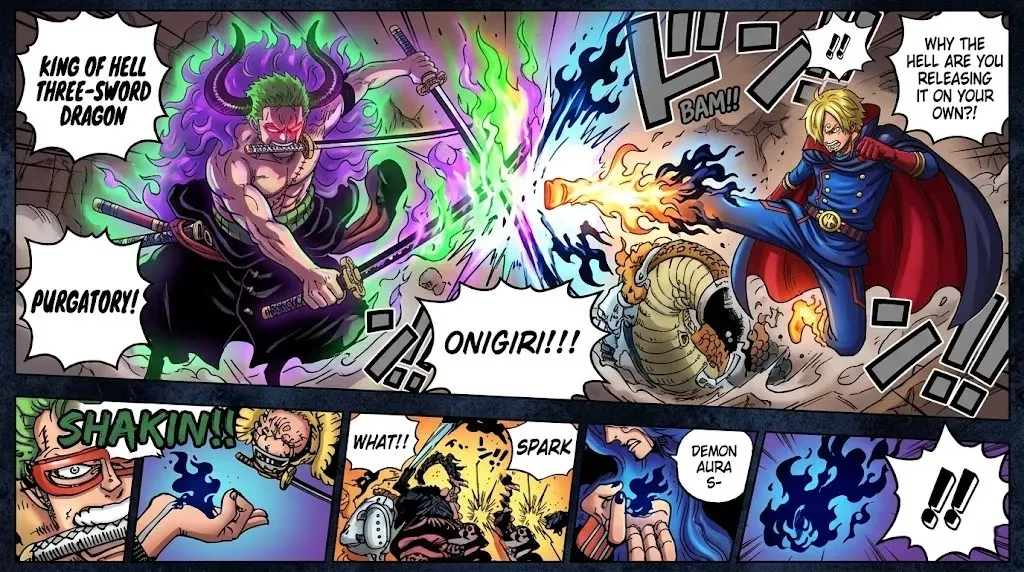
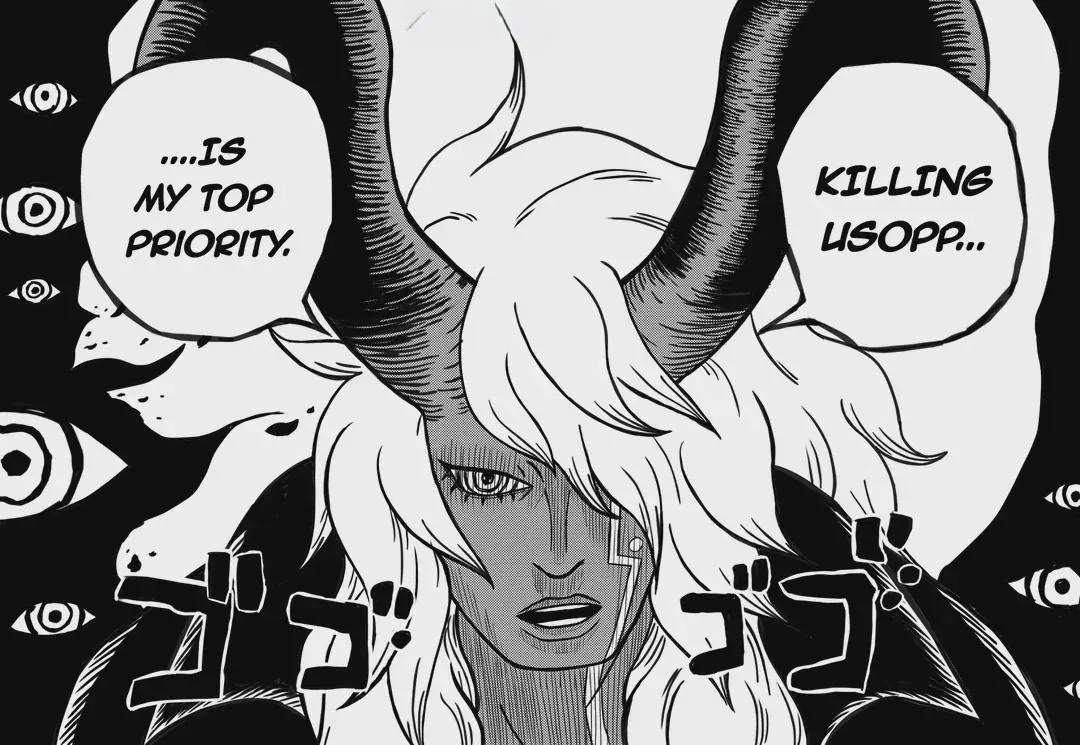
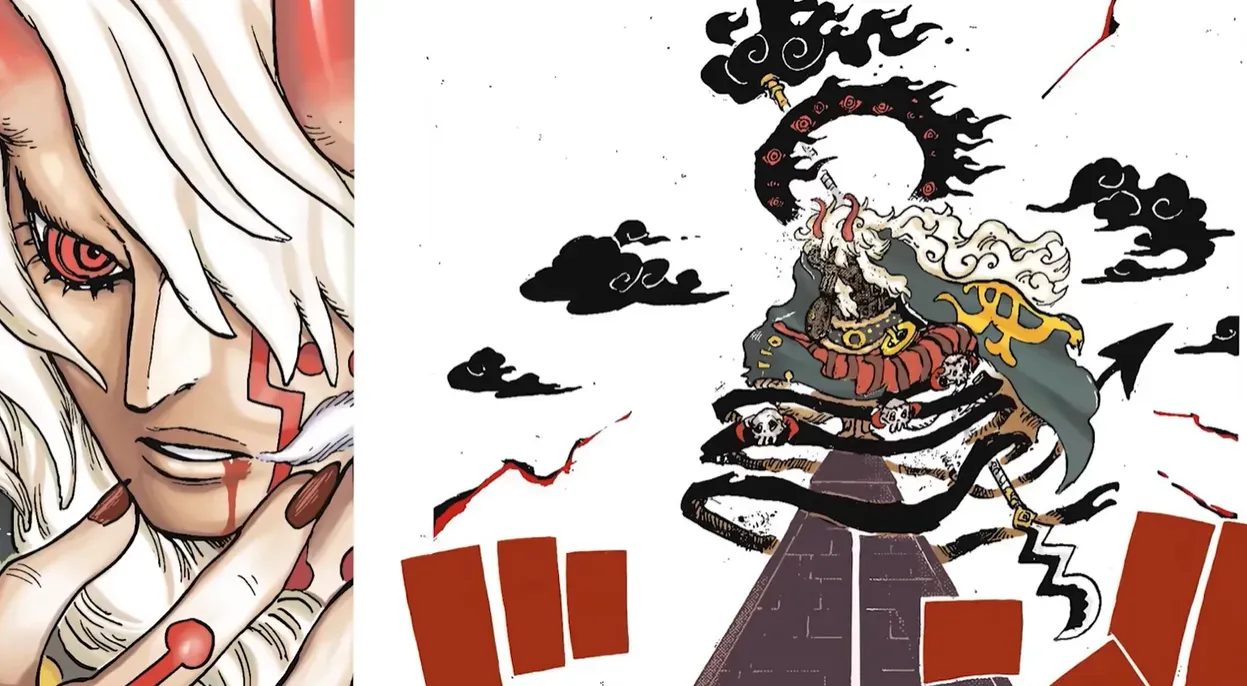 Also ReadOne Piece Chapter 1180 "Omen" Spoilers: Imu's God-Like Power Destroys Zoro & Sanji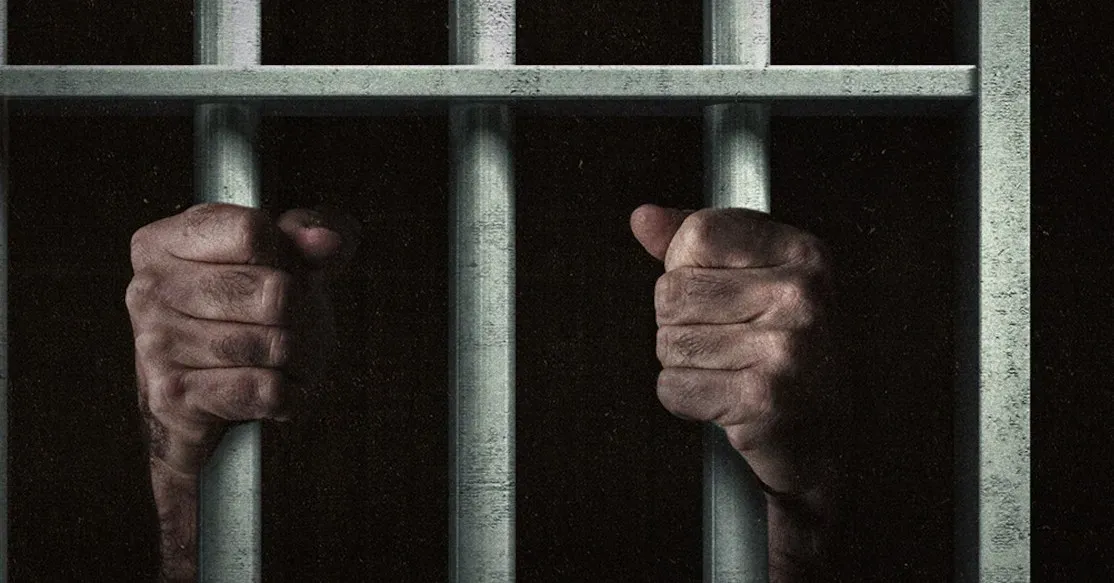
- Weekly vs. Batch: Most popular anime thrive on the Weekly Discussion Thread. Everyone watches the same episode on Saturday and talks about it for six days.
- The Stone Ocean Disaster: When Netflix released Part 6 (Stone Ocean) in large batches months apart, it effectively killed the "hype cycle." People binged it in a weekend, talked about it for three days, and then the conversation went dead for six months.
3. JoJo-Ism: The "Meme" Barrier
JoJo has a very specific "flavor" that creates a barrier to entry for the general public:
- The Meme Stigma: For a long time, the JoJo fandom was so loud and meme-heavy ("Is that a JoJo reference?") that many casual fans felt alienated or "over" the series before even watching it.
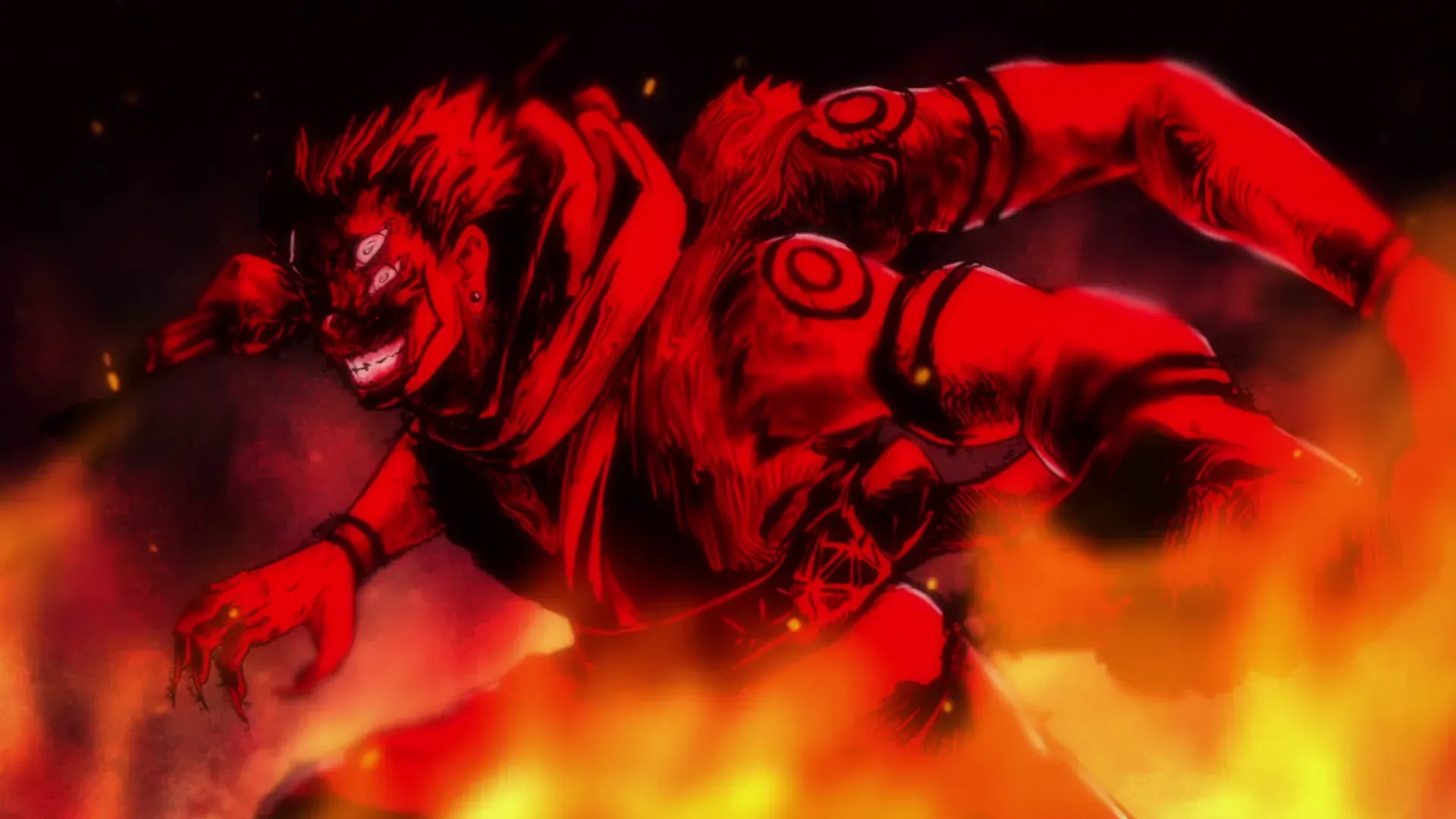
- The "Weird" Factor: The art style and the "Bizarre" nature of the fights (which are more like high-stakes puzzles than traditional brawls) don't always appeal to the average Dragon Ball or Naruto fan who wants straightforward power-scaling.
4. Genre Defiance
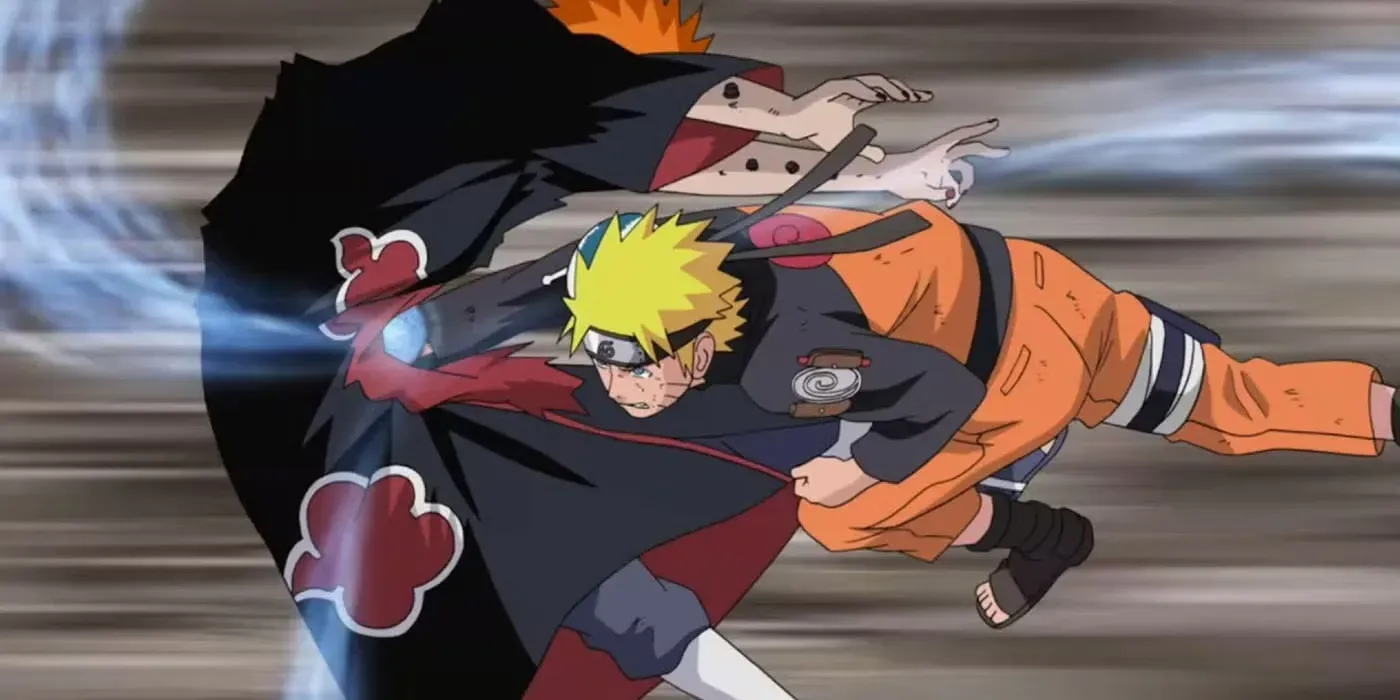
Naruto and One Piece are the blueprints for the "Battle Shonen" genre. JoJo is the outlier. It focuses on:
- Fashion and Aesthetics: It's more influenced by Versace and Gucci than by traditional ninja or pirate tropes.
- Intellectual Battles: Stands are often about specific, niche rules (e.g., "If I lose a game of Rock-Paper-Scissors, I lose my soul"). This makes it harder to have the "Who would win in a fight?" debates that fuel 90% of anime Twitter.
Comparison: Community Presence
|
Feature |
Naruto / One Piece |
JoJo’s Bizarre Adventure |
|
Narrative |
Linear / Continuous |
Cyclical / Anthology |
|
Hype Cycle |
Weekly (Constant) |
Batch/Seasonal (Bursts) |
|
Discussion Focus |
Power Scaling / Theory |
Aesthetic / Strategy / Memes |
|
Barrier to Entry |
Episode Count |
Art Style / "Weirdness" |
Conclusion
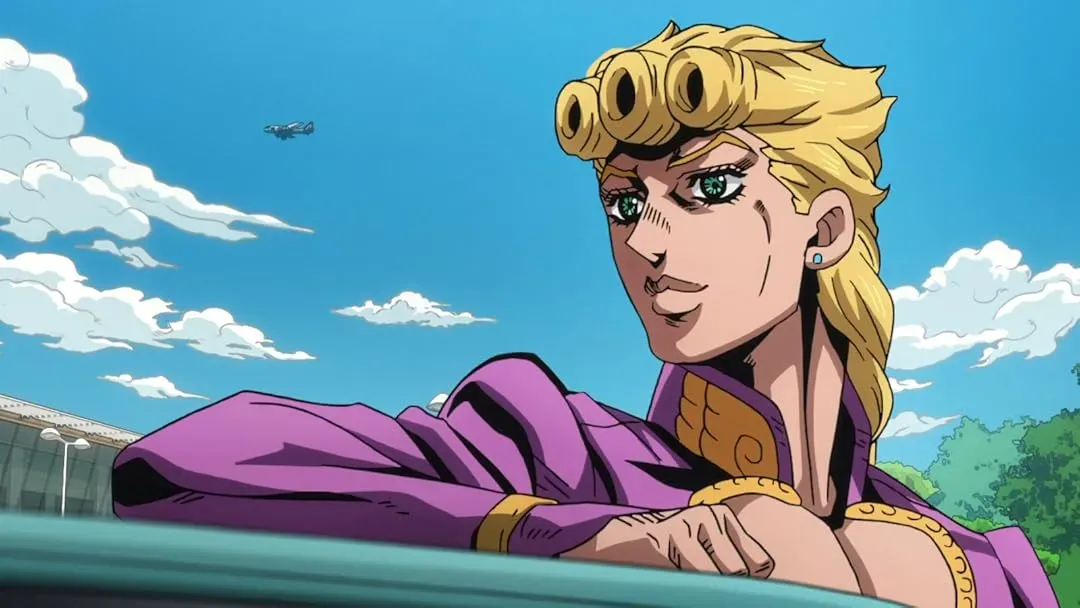
JoJo isn't talked about less because it's less popular; it's talked about less because it’s harder to talk about casually. You don't "keep up" with JoJo; you "experience" a Part and then wait years for the next one. It’s a "Cult Classic" that just happens to have millions of fans.





// Comments