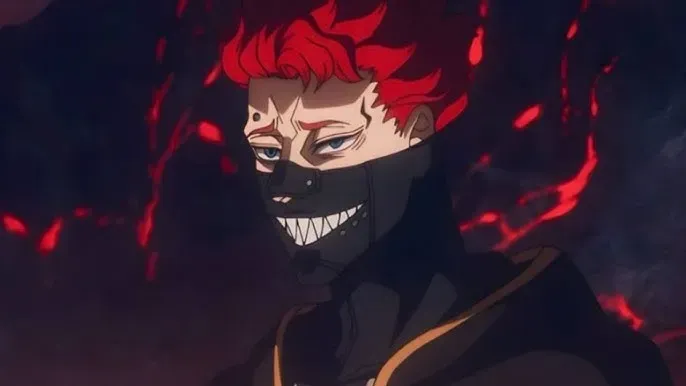
Introduction to Zora Ideale
In the world of Black Clover, where noble status and immense mana reserves usually define a hero, Zora Ideale stands as a striking contradiction. Initially introduced as a cynical and seemingly villainous figure during the Royal Knights Selection Exam, Zora quickly became a fan favorite. His character serves as a personification of the systemic flaws within the Clover Kingdom. Unlike the idealistic Asta, Zora approaches the world with a biting wit and a deep-seated disdain for the status quo. His presence in the series marks a shift toward addressing the darker side of the magical military, making the Zora Ideale character arc one of the most grounded and emotionally resonant journeys in the entire story.
 Also ReadHow Many Episodes of Black Clover? Full Episode Guide 2024
The Legacy of Zara Ideale
To understand Zora, one must understand his father, Zara Ideale. Zara was a pioneer—the first peasant to ever be accepted into the Magic Knights. He was a man of immense kindness and integrity who believed that the duty of a knight was to protect the people, regardless of their social standing. Zara developed unique Trap Magic to compensate for his lower mana levels, proving that ingenuity could rival raw power. However, his life was cut short not by a villain, but by his own teammates. These "noble" knights murdered him from behind, unable to accept a peasant standing among them. This betrayal is the foundational trauma that fuels Zora's motivations and his lifelong quest to purge Magic Knight corruption.
Roots of the Peasant Rebellion
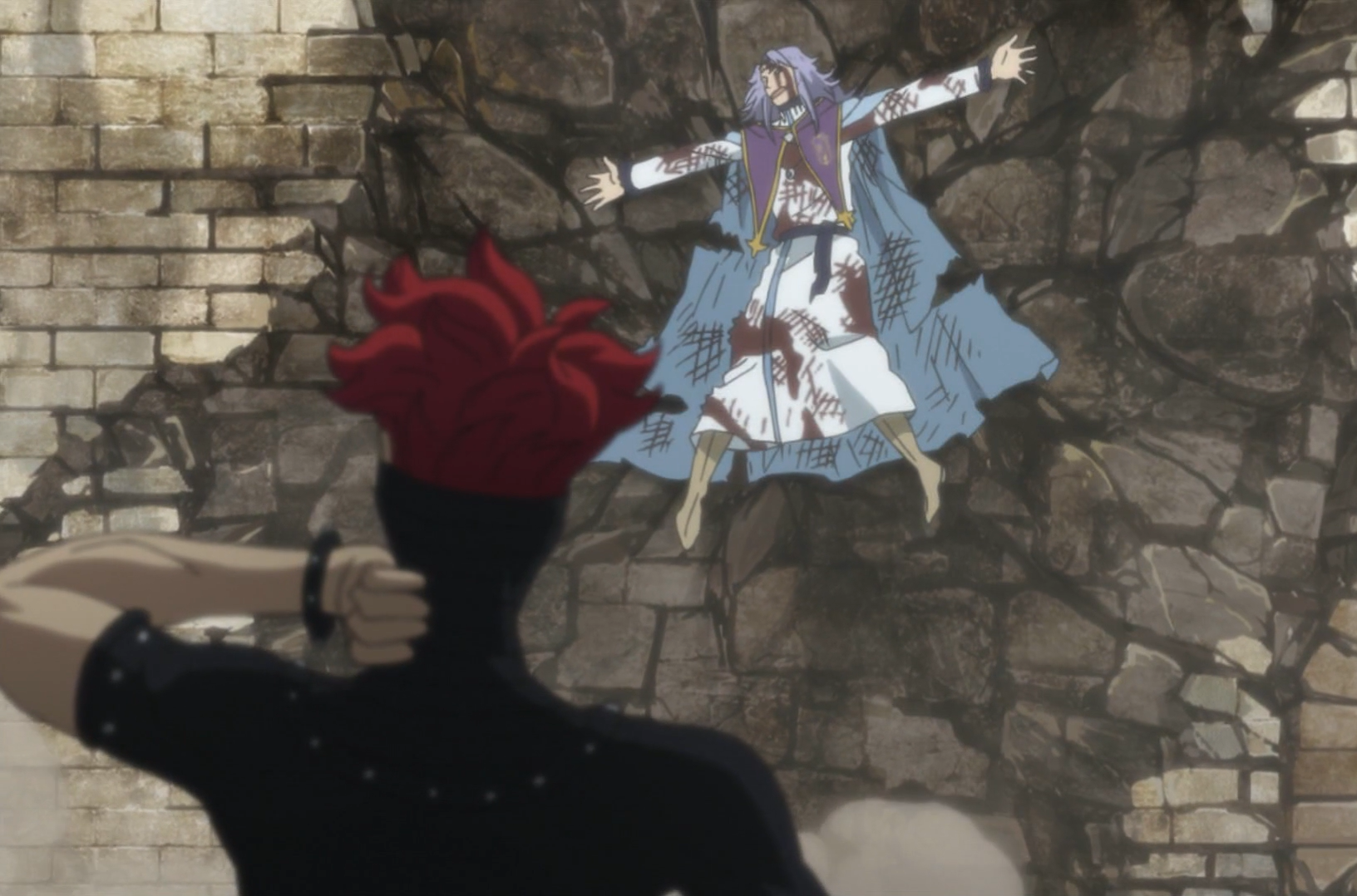
Zora’s personal "rebellion" is not an organized political movement, but a one-man war against an unfair system. Growing up in the shadow of his father’s murder, Zora witnessed how the Clover Kingdom’s elite used their positions to look down upon and exploit those in the Forsaken and Common Realms. This systemic inequality created the perfect breeding ground for resentment. Zora’s rebellion is a symbolic one; by donning his mask and assuming the identity of a rogue, he represents the voice of every commoner who was ever stepped on by a Royal or Noble. He rejects the traditional path of the Magic Knights, choosing instead to act as a vigilante who judges the judges.
 Also Read15 Best Shy Anime Girls & Waifus, Ranked
Identifying Magic Knight Corruption
The core of the Zora Ideale character arc is his relentless pursuit of those who tarnish the title of Magic Knight. Zora spent years traveling the kingdom, identifying knights who were arrogant, lazy, or abusive of their power. He didn't just fight them; he humiliated them. By targeting these individuals, Zora highlighted the pervasive Magic Knight corruption that the Wizard King and the captains often overlooked. He exposed the reality that many knights cared more about their prestige and comfort than the safety of the citizens. His actions forced the characters—and the audience—to realize that wearing a squad robe does not automatically make one a hero.
Zora's Trap Magic and Strategy

Zora’s combat style is a direct reflection of his philosophy. Because he lacks the overwhelming mana of the nobility, he relies on Trap Magic—a complex, time-consuming, and highly strategic form of magic. His abilities include:
- Double Return Traps: Drawing circles that can absorb an opponent's spell and fire it back with twice the power.
- Setting Invisible Snares: Placing magical traps on the ground or even on his own body to catch arrogant opponents off guard.
- Psychological Warfare: Using insults and provocations to lure enemies into making reckless mistakes.
This reliance on strategy over brute force is his ultimate middle finger to the nobility. It proves that a peasant’s mind and preparation can systematically dismantle the most "superior" elemental magic.
Key Moments in the Character Arc
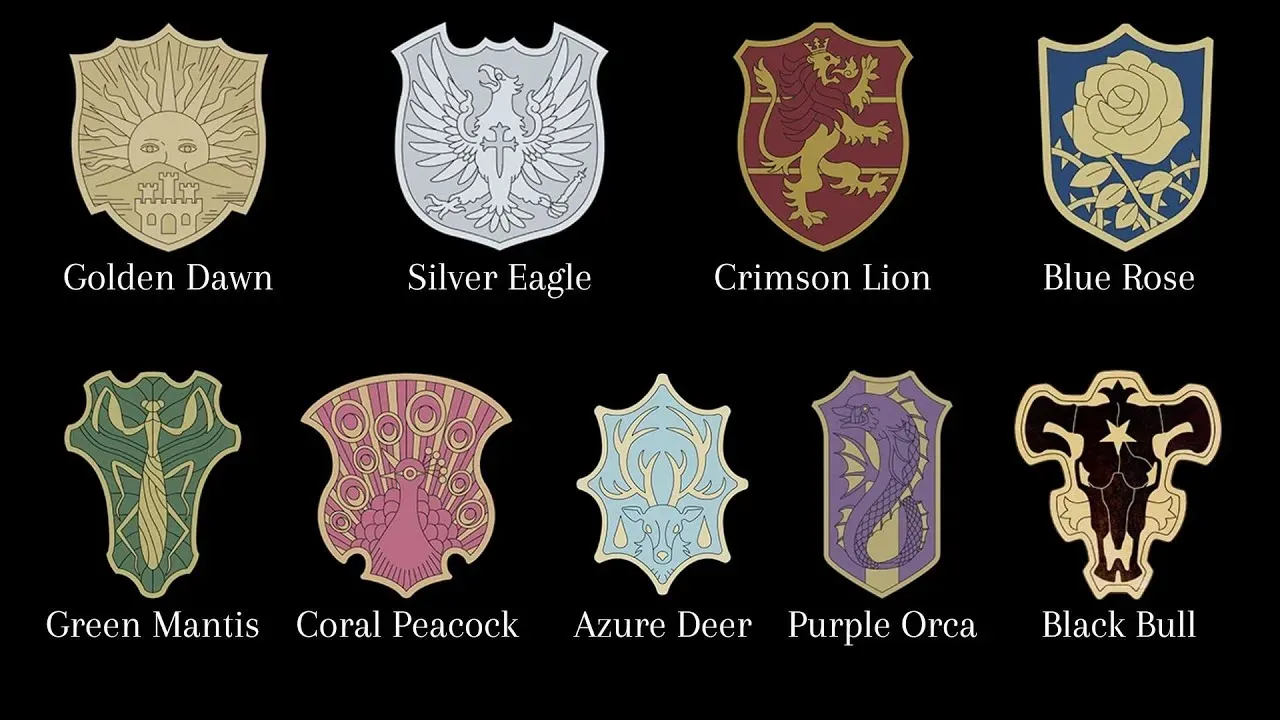
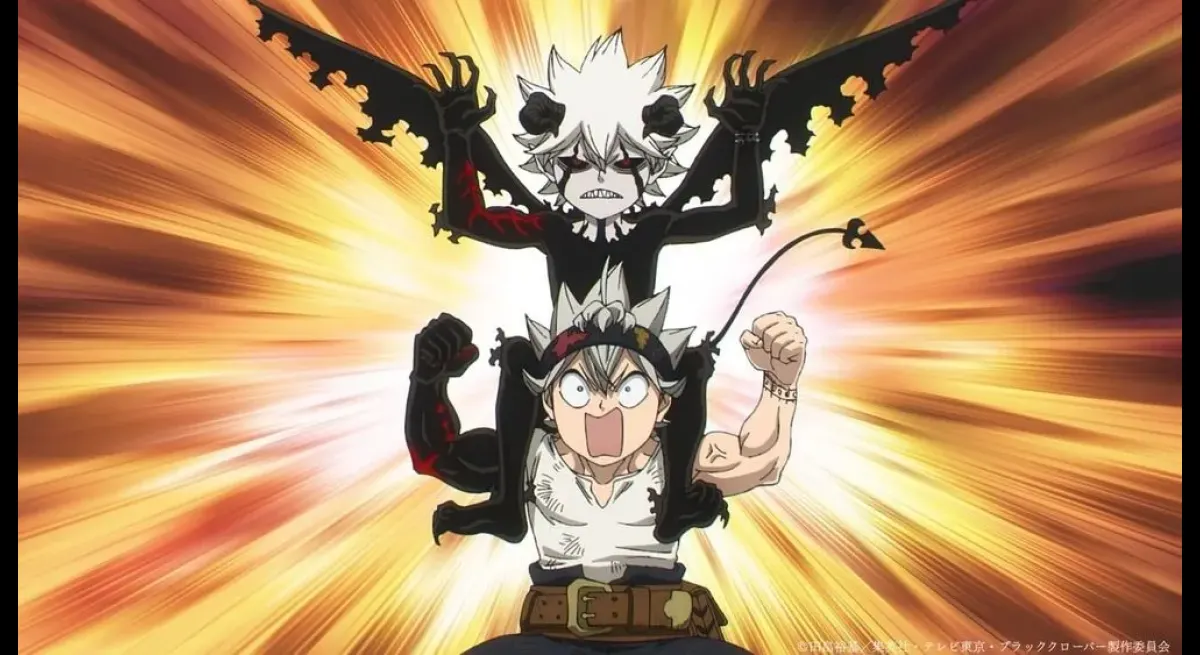
The Zora Ideale character arc reaches its turning point when he encounters Asta and the Black Bulls. During the Royal Knights exam, Zora is forced to confront the fact that not all knights are corrupt. Watching Asta’s unwavering determination and Yami’s unorthodox leadership begins to melt his icy exterior. A pivotal moment occurs when Zora realizes that Asta carries the same spirit as his father, Zara. This leads Zora to officially join the Black Bulls, transitioning from a lone vigilante to a teammate. His growth is solidified during the Elf Reincarnation arc, where he uses his traps to protect the very kingdom he once despised, finally honoring his father’s true legacy.
Impact on the Clover Kingdom
Zora’s influence on the Clover Kingdom is profound. He served as the necessary "bad cop" who forced the Magic Knights to look in the mirror. His presence encouraged other commoners and peasants to strive for more, proving that they could hold the elite accountable. Furthermore, his inclusion in the Royal Knights and the Black Bulls helped shift the culture of the squads toward a more meritocratic system. By exposing Magic Knight corruption, he cleared the way for a new generation of knights who, like Asta and Noelle, value heart and hard work over lineage.
Conclusion
Zora Ideale’s journey from a grieving son to a cynical vigilante, and finally to a respected Magic Knight, is a testament to the power of transformation. He didn't change the system by following its rules; he changed it by challenging its soul. Through the Zora Ideale character arc, Black Clover explores the themes of classism, justice, and the true meaning of heroism. By confronting Magic Knight corruption head-on, Zora ensured that his father’s sacrifice was not in vain, ultimately becoming the very hero he once believed didn't exist.
















// Comments