Introduction to Disappointing Anime Battles
The world of Japanese animation is built on the foundation of epic confrontations. From the early days of high-stakes martial arts to the modern era of planet-shattering supernatural powers, fans live for the moment two legendary rivals finally clash. However, the higher the hype, the harder the fall. In 2026, as production cycles become more demanding and fan expectations reach an all-time high, the phenomenon of the anime disappointed community has become a frequent topic of discussion. When a battle that has been teased for hundreds of episodes ends in a whimper, it leaves a lasting scar on the series' legacy.
Disappointing anime battles aren't just about who wins or loses; they are about the failed promise of a narrative payoff. Whether it is a result of a dwindling animation budget, a rushed script, or a controversial creative choice, these moments represent a significant disconnect between what the audience was led to expect and what was delivered on screen. In this deep dive, we explore the fights that left us wanting more, ranking the most underwhelming anime fights based on their impact and the level of frustration they caused within the fandom.
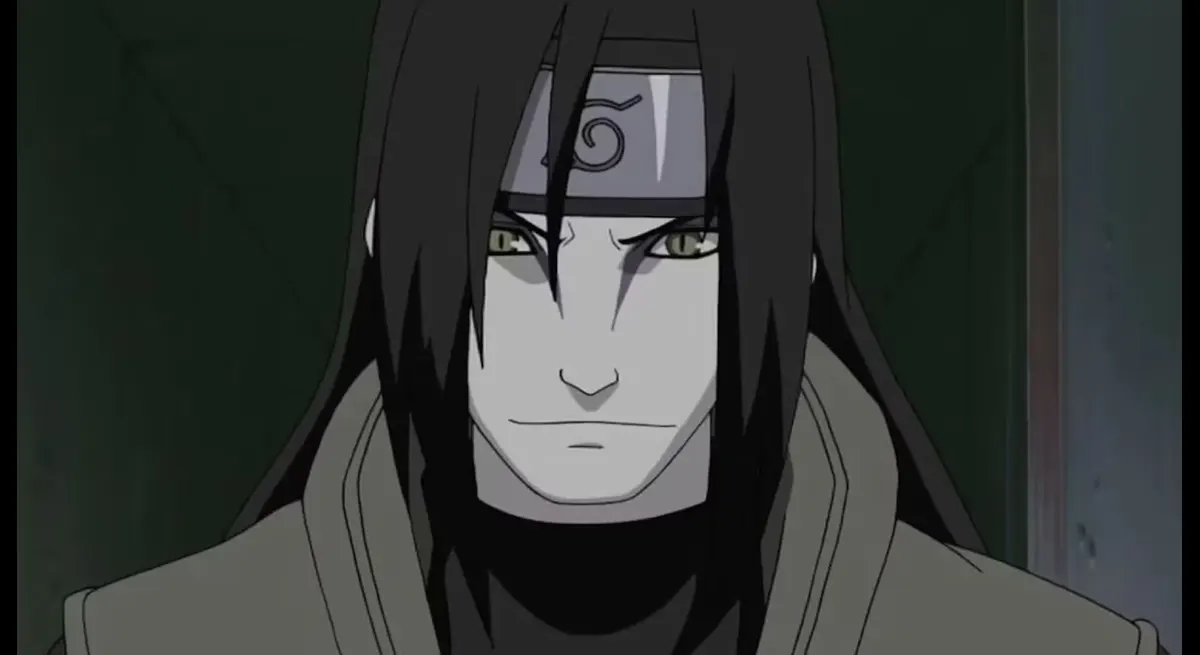
 Also ReadNaruto vs Pain: Full Episode Breakdown & Attacks
Why Some Highly Anticipated Fights Fail
Understanding why some of the most disappointing anime moments occur requires looking behind the scenes of the industry. Often, the primary culprit is production fatigue. When a long-running series reaches its climax, the staff may be overworked, leading to a noticeable dip in visual quality. Underwhelming anime fights frequently suffer from "still-frame syndrome," where the action is replaced by panning shots of static images and heavy dialogue to save on the animation budget.
Narrative pacing also plays a massive role. Some weakest anime showdowns fail because the protagonist becomes so overpowered that the struggle feels artificial. Conversely, some battles are ruined by "Deus Ex Machina" moments where an established set of rules is thrown out the window just to secure a victory. When the internal logic of a world breaks, the tension evaporates, leading to anticlimactic anime battles that feel unearned. According to industry insights often discussed on platforms like Crunchyroll, the balance between schedule and creative vision is the thinnest line in production.
Criteria for Ranking Weak Anime Confrontations
To rank these anime fight scene letdowns, we have established several key criteria to ensure a fair assessment. It is not enough for a fight to just be "bad"; it must have failed to meet a specific standard of expectation. Our ranking factors include:
- Hype-to-Execution Ratio: How long was the battle teased, and did the final product justify the wait?
- Animation Quality: Did the visual presentation enhance the action or distract from it through poor CGI or low frame rates?
- Narrative Integrity: Did the conclusion of the fight make sense within the context of the story, or did it rely on tropes like the "power of friendship" to resolve a complex conflict?
- Fan Reception: How did the global community react? Did it spark widespread memes or genuine anger?
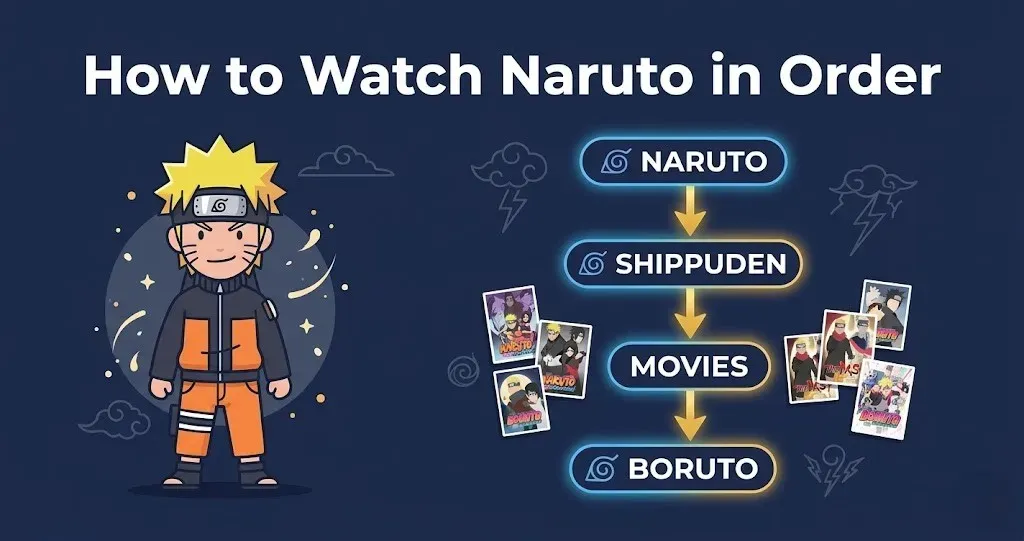
 Also ReadHow Many Seasons Does Naruto Have? Complete Season Breakdown
10 Most Disappointing Anime Battles, Ranked
10. Deku vs. Shigaraki (Final War Arc - Initial Phase)
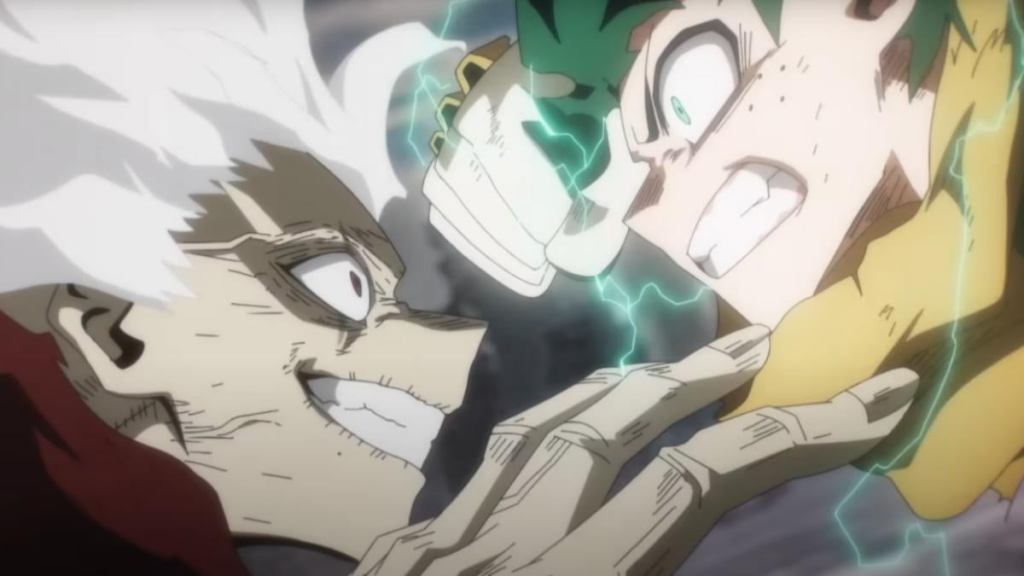
While My Hero Academia has delivered some of the most stunning animation in history, some segments of the final war felt like a letdown. Fans were expecting a consistent high-octane sakuga fest, but certain chapters were adapted with excessive flashbacks and internal monologues that killed the momentum. It remains a prime example of how pacing can make even a world-ending clash feel like a series of anime fight scene letdowns.
9. Gray vs. Silver (Fairy Tail)

Fairy Tail is often criticized for its reliance on emotional beats over tactical combat. The fight between Gray and his father, Silver, was emotionally heavy but mechanically underwhelming. After years of build-up regarding Gray's Ice Shell and his potential, the fight ended with a simplistic resolution that many fans felt lacked the grit required for such a personal confrontation.
8. Meliodas vs. Escanor (The Seven Deadly Sins)
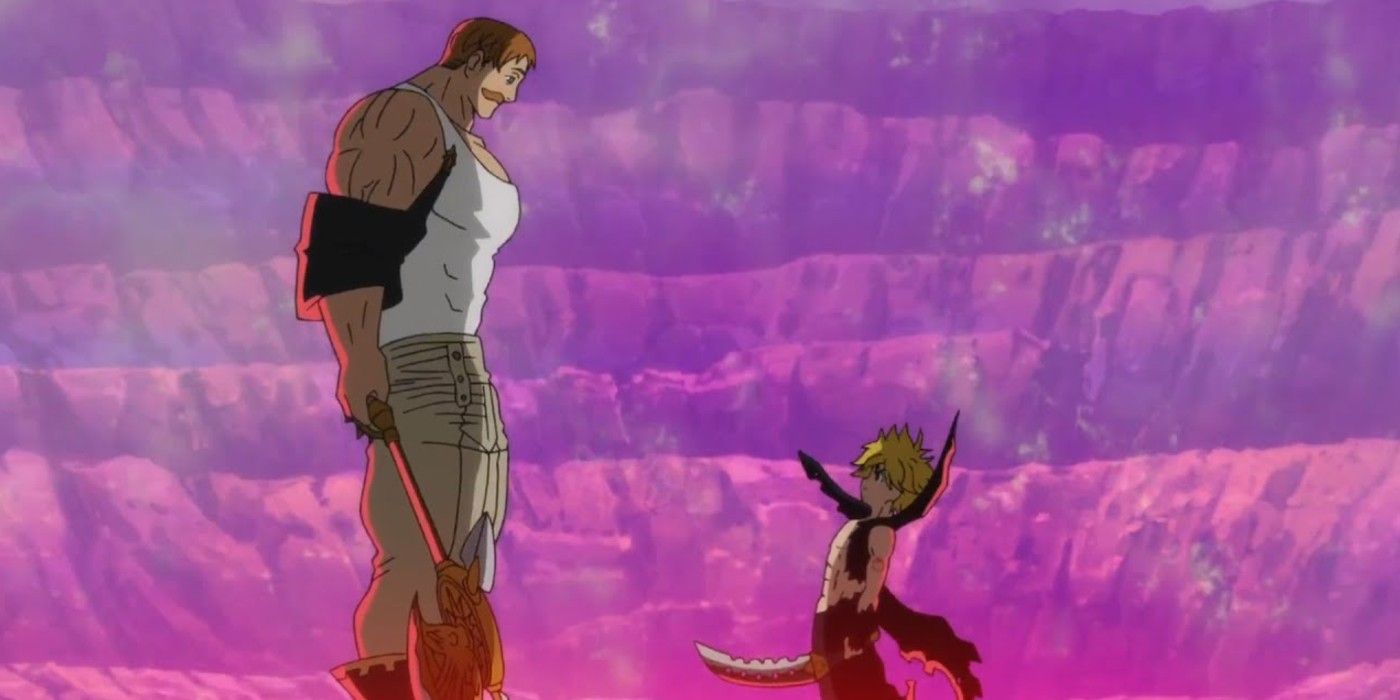
This is perhaps the most infamous entry in the "anime disappointed" category. The clash between the Dragon's Sin of Wrath and the Lion's Sin of Pride was meant to be the pinnacle of the series. Instead, fans were greeted with distorted character models, lack of fluid movement, and a complete lack of impact. It proved that even the best writing cannot save a battle if the animation quality is subpar.
7. Saitama vs. Orochi (One-Punch Man Season 2)
Following the legendary first season produced by Madhouse, Season 2 faced an uphill battle. The fight against the Monster King Orochi was a masterpiece in the manga, featuring intricate detail. The anime version, however, felt flat and lacked the cinematic scale. The use of digital blurring and lackluster textures made one of the series' biggest threats feel like a minor speed bump, leading to significant fan disappointment.
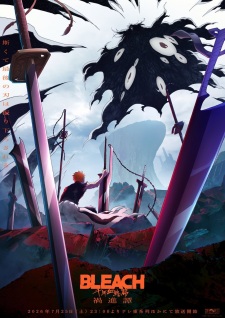
6. Ichigo vs. Aizen (The Final Battle)

The build-up to Ichigo’s final confrontation with Aizen lasted for hundreds of episodes. While the "Mugetsu" form was visually striking, the actual combat was incredibly brief. Ichigo essentially stood still, tanked a few hits, and then ended the strongest villain in the series with a single swing. While narratively symbolic of Ichigo's growth, many viewers felt robbed of a complex, strategic struggle after years of anticipation.
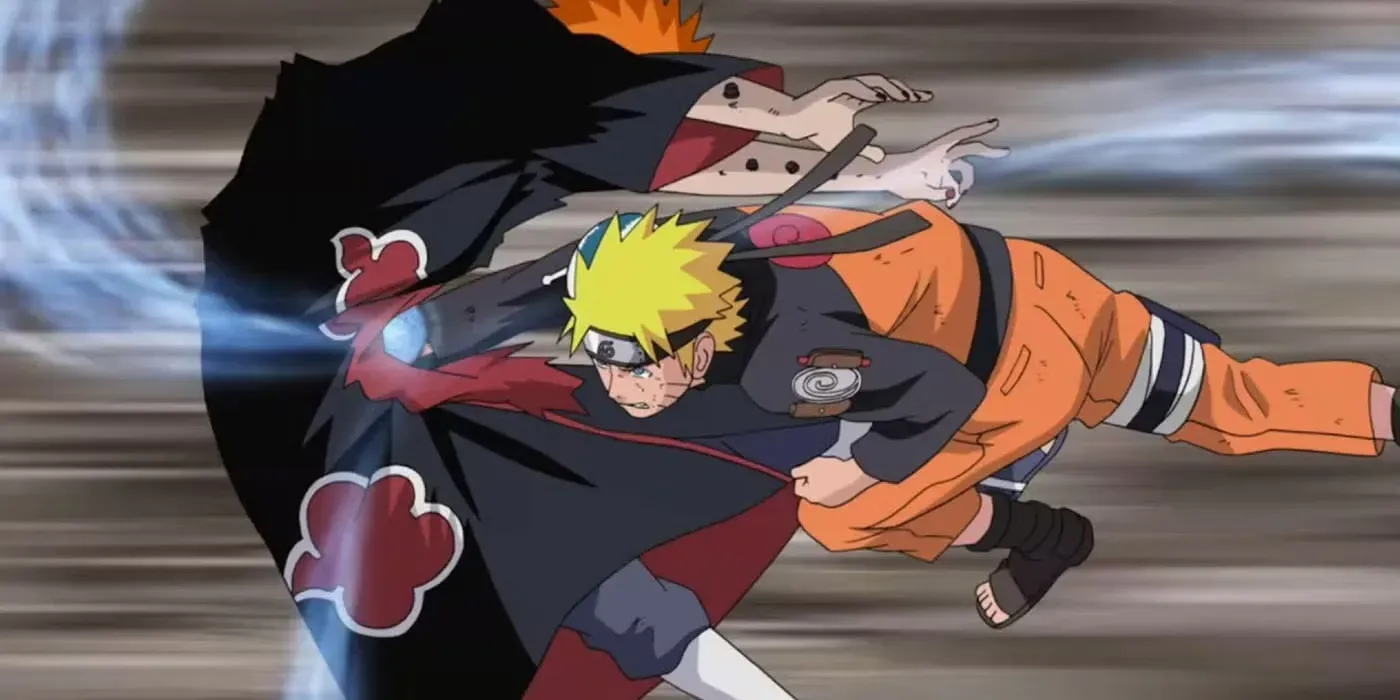
5. Naruto vs. Pain (The Animation Shift)
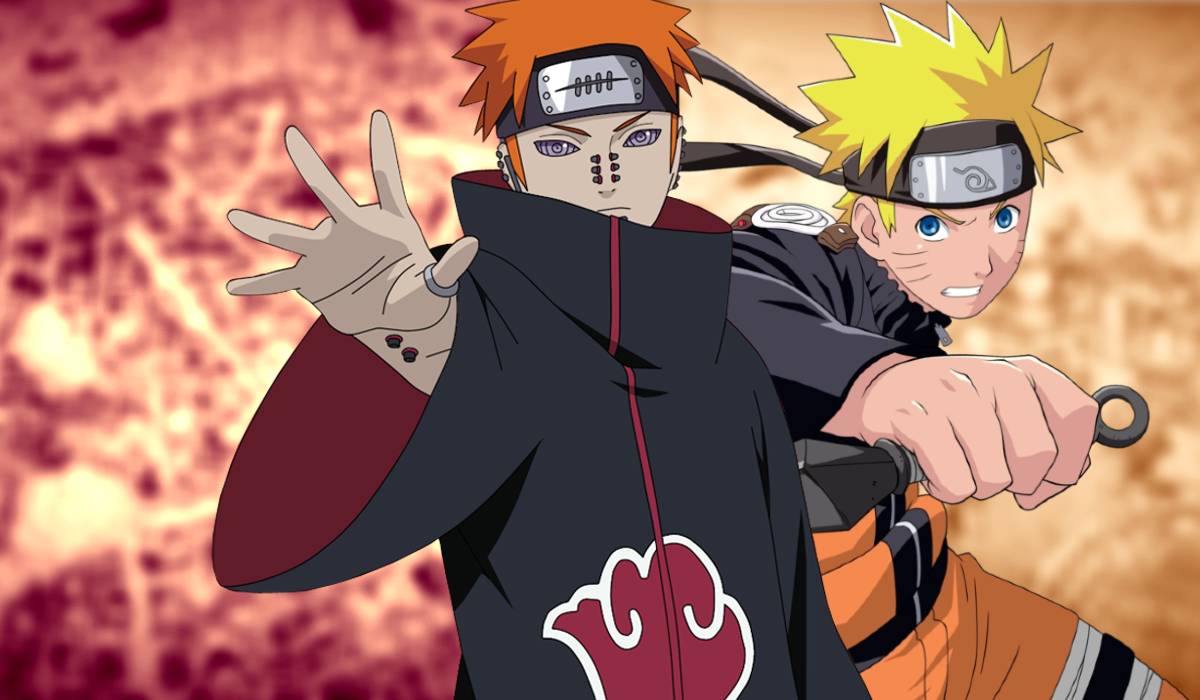
This battle is a polarizing one. While the emotional stakes were at an all-time high, the animation during the "Six Paths" segment shifted into a fluid, almost "Looney Tunes" style. Pain’s face deforming under the pressure of combat became a meme rather than a moment of terror. For those seeking a serious, high-stakes ninja battle, the experimental animation felt like one of the most disappointing anime moments in the franchise.
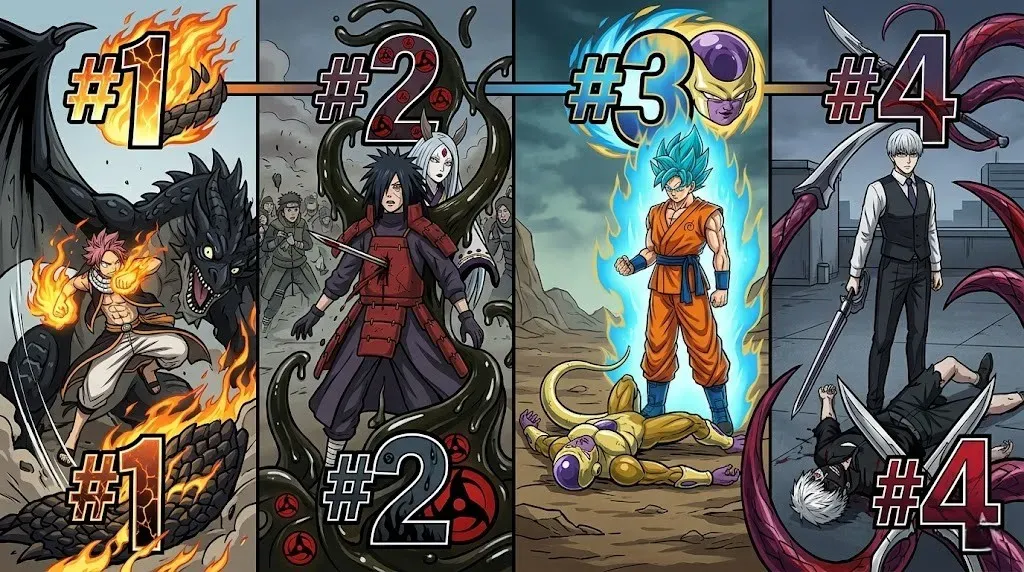
4. Goku vs. Golden Frieza (Dragon Ball Super Movie/Arc)
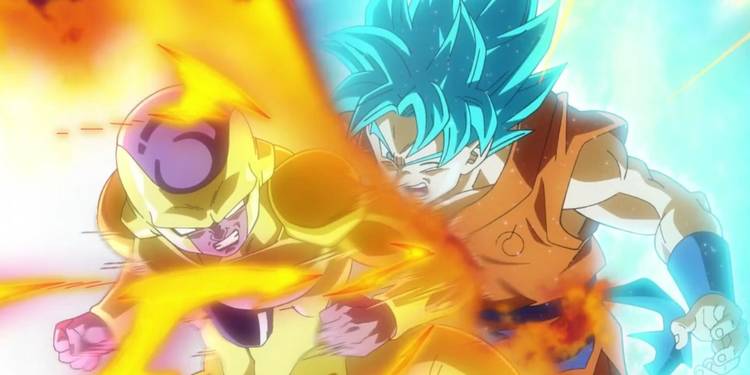
The return of Frieza was a massive event, but the initial TV adaptation in Dragon Ball Super was plagued by inconsistent art and stiff choreography. The fight lacked the weight of their original encounter on Namek. Between the odd power scaling and the "reverse time" ending, the stakes felt non-existent, leaving many longtime followers of the series feeling like they had seen a weaker version of a classic.
3. Kaneki vs. Arima (Tokyo Ghoul Root A)
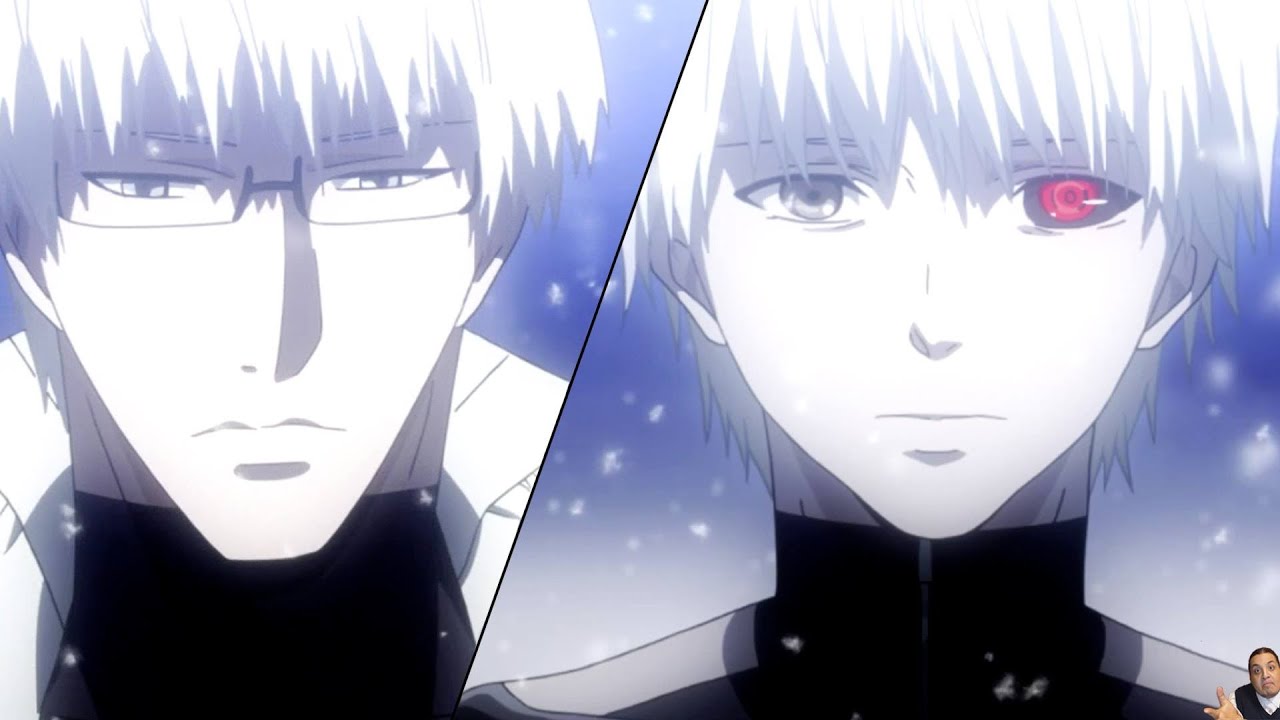
Tokyo Ghoul fans are no strangers to being disappointed by adaptations, but the Root A finale was particularly stinging. The much-anticipated clash between the One-Eyed King and the CCG's Reaper was largely skipped or handled through symbolic imagery. By deviating from the manga's visceral and detailed combat, the anime left viewers confused and unsatisfied, marking a low point for the series.
2. Natsu vs. Acnologia (The Final Fight)

Acnologia was built up as the ultimate "Dragon of Magic" that could destroy the world. The final battle against him was resolved by Natsu receiving a boost from the "power of friendship" and hitting him once with a rainbow-colored fist. For a villain of that magnitude, the lack of a prolonged, strategic, or even difficult fight made the conclusion feel like one of the weakest anime showdowns ever recorded.
1. Madara Uchiha vs. The Shinobi Alliance (The Kaguya Twist)

Madara Uchiha was the perfect antagonist. He was powerful, charismatic, and had a personal connection to the lore. However, right as his battle reached its zenith, he was unceremoniously backstabbed to introduce Kaguya Otsutsuki. This narrative pivot is widely considered the most anticlimactic anime battle in history. It threw away years of character development for a final boss that had no previous presence, leaving the global anime community utterly disappointed.
Impact of Poor Animation on Climactic Moments
Animation is the soul of anime. When a fight is well-animated, it can elevate mediocre writing to legendary status. Conversely, poor animation can ruin the best scripts. In the case of the "anime disappointed" community, the visual failures of shows like The Seven Deadly Sins highlight how much fans value "Sakuga"—moments of high-quality, hand-drawn animation. When frames are skipped or CGI is used poorly, the immersion is broken.
In 2026, fans are more educated on the animation process than ever before. They understand the difference between a "creative choice" and a "budget cut." When a climactic moment is handled with low effort, it sends a message to the audience that the production committee does not value the source material. This leads to a loss of trust that can result in lower Blu-ray sales and dwindling viewership for future seasons. More information on the history of animation techniques can be found on Wikipedia.
How Narrative Letdowns Affect Fan Reception
The emotional investment of a fan is a currency that studios must spend wisely. When a series spends years building up a rivalry, the fans are "buying in" to that eventual payoff. A narrative letdown, such as the Madara/Kaguya switch, feels like a breach of contract. This often results in toxic discourse online, where the focus shifts from celebrating the show to deconstructing its failures.
Furthermore, these letdowns often lead to the "manga-only" movement, where fans abandon the anime entirely in favor of the source material. While this supports the original creator, it hurts the anime industry's ability to sustain long-term projects. A single disappointing battle can change the entire "vibe" of a community, turning a hit show into a cautionary tale of what happens when creators lose sight of the fans' journey.
Lessons Learned from the Most Disappointing Fights
The industry has begun to take note of these failures. One of the biggest lessons learned is the importance of "seasonal" releases over "continuous" ones. By moving away from the 52-episode-a-year model, studios like MAPPA and Ufotable have shown that giving animators time leads to fewer underwhelming anime fights. Quality over quantity has become the new mantra for successful franchises.
Another lesson is the value of sticking to the source material’s internal logic. Fans are generally forgiving of changes if they improve the story, but "shonen tropes" used as a crutch for poor writing are no longer acceptable. The rise of "Seinen-lite" storytelling in 2026 shows that audiences want consequences, strategy, and earned victories rather than convenient plot armor.
Future Trends in Anime Action Choreography
As we look toward the future of anime action, several exciting trends are emerging. The integration of 3D backgrounds with 2D character models is becoming more seamless, allowing for more dynamic camera angles without sacrificing the traditional "anime look." We are also seeing a resurgence in tactical combat, where the environment and specific power interactions matter more than just "who has the bigger laser."
AI-assisted animation is also starting to play a role in 2026, helping to fill in "in-between" frames to maintain fluidity during high-speed movements. This could potentially eliminate the "still-frame" issues that led to many disappointing anime battles in the past. If used correctly, these technologies will allow studios to deliver the high-octane experiences fans crave without the traditional production bottlenecks.
Conclusion: The Legacy of Anime Disappointed Fans Still Discuss
The 10 most disappointing anime battles serve as a reminder of the delicate balance required to make a masterpiece. A great fight requires a perfect storm of narrative stakes, visual excellence, and a satisfying conclusion. When any of these pillars crumble, the entire experience is compromised. From the animation struggles of Meliodas to the narrative robbery of Madara, these moments have become legendary for all the wrong reasons.
However, these disappointments also drive the industry forward. They spark the conversations that demand better conditions for animators and higher standards for storytelling. While we may look back at these anticlimactic anime battles with a sigh, they highlight just how incredible it is when a studio actually gets it right. For every letdown, there is a battle that defines a generation, and it is the pursuit of that perfection that keeps the anime community coming back for more.







// Comments