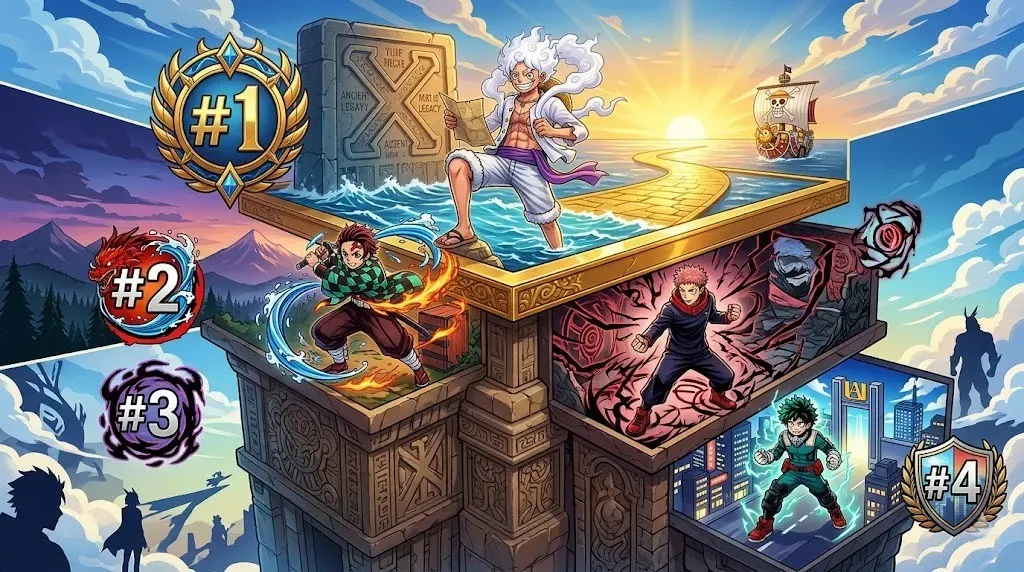
Introduction to the Big Three Animes
The term big three animes is a cornerstone of the global animation community, representing the height of Shonen Jump's cultural dominance. Historically, this title referred to the iconic trio of Naruto, One Piece, and Bleach. These series didn't just top the sales charts; they defined an era of anime consumption, bringing the medium into the Western mainstream in the early 2000s.
For decades, the Shonen Jump Big Three history has been studied as a blueprint for success. These shows shared specific traits: massive episode counts, sprawling world-building, and a "hero's journey" that resonated across borders. However, as the original titans concluded their initial runs or moved into sequels, a vacuum was created, leading fans to search for the next generation of leaders.
In 2026, the landscape of Japanese animation has shifted significantly. While the legacy of the original pillars remains untouchable, a new guard has emerged. These modern series have adapted the classic shonen formula to fit a faster-paced, higher-fidelity era of entertainment, leading to the rise of what many now call the new generation big three anime.
Understanding the big three animes today requires looking back at their roots while acknowledging how the industry has evolved. From the "Holy Shonen Trinity" to the dark, high-stakes thrillers of the current year, the spirit of the big three continues to drive the most passionate debates in fandom. This article explores the best new-gen contenders that have stepped up to claim the throne.
 Also ReadBlack Clover Season 2 Episode 2 Pushes the Underworld Gate Closer
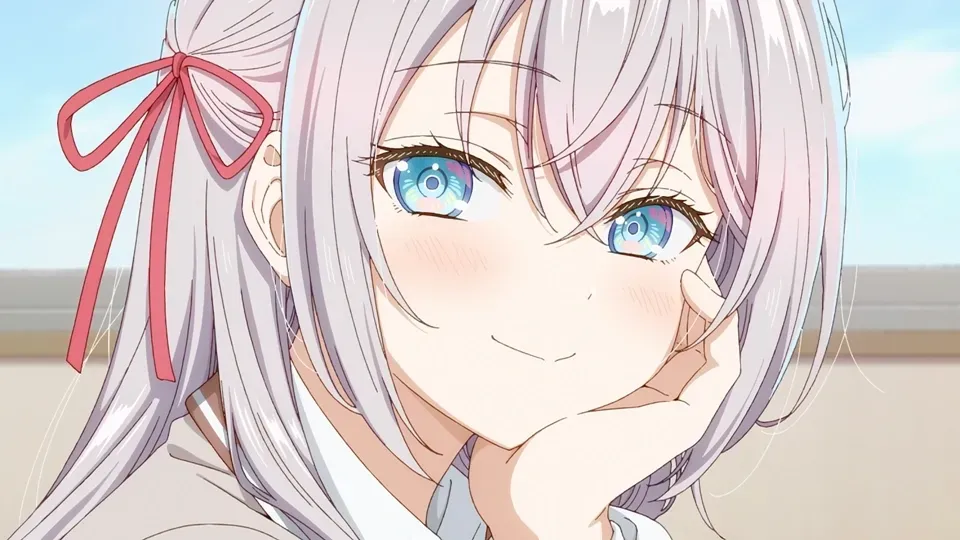
 Also Read15 Best Shy Anime Girls & Waifus, Ranked
The Evolution of Shonen: From Classic to New-Gen
To understand the current state of the industry, we must look at how the Shonen Jump Big Three history began. The 90s were dominated by Dragon Ball Z, often called the "Godfather" of shonen. Following its success, Naruto, One Piece, and Bleach took the baton and became the Original Shonen Big Three, dominating the Weekly Shonen Jump magazine for over a decade.
The transition from classic shonen to the new generation was marked by a change in storytelling philosophy. Classic series often relied on "filler" episodes and long, drawn-out battle sequences to keep up with weekly manga production. Modern long-running shonen anime, however, have moved toward a seasonal format, prioritizing high-budget animation and tighter pacing over sheer quantity.
Another major shift is the tone of the stories. While the original big three animes were characterized by an optimistic "never give up" attitude, many new-gen hits lean into darker themes. This has given birth to the "dark trio" of modern shonen, where the stakes are lethal, and the protagonists face moral ambiguity. This shift reflects the maturing taste of a global audience that craves more complex narratives.
Despite these changes, the big three anime influence is still clearly visible in every new hit. The core themes of friendship, growth, and overcoming impossible odds remain the engine behind the most successful series. The evolution isn't a replacement of the old ways, but rather a refinement of what made the original legends so compelling in the first place.
Defining the New-Gen Big Three Criteria
What exactly qualifies a series to be part of the new generation big three anime? In 2026, the criteria have expanded beyond just manga sales. To reach the status of a global phenomenon, a series must check several boxes that align with modern viewing habits and industry standards.
The first criterion is global commercial dominance. A contender for the big three animes must not only top the Oricon charts in Japan but also dominate streaming rankings on platforms like Crunchyroll and Netflix. This international reach is essential, as the anime industry is now more globalized than ever before, with Western markets contributing a massive share of revenue.
The second criterion is cultural impact. Does the series generate massive social media engagement? Are its characters instantly recognizable to non-anime fans? Much like Naruto's orange jumpsuit or Luffy's straw hat, a new-gen titan needs a visual and narrative identity that permeates the zeitgeist. This includes merchandise sales, theatrical movie performance, and presence at global conventions.
Finally, we look at narrative longevity and innovation. While the seasonal format is preferred, a big three candidate must have enough "meat" on its bones to sustain years of discussion. It needs to offer something new to the genre—whether it’s the horror-infused action of the modern shonen dark trio or the high-IQ tactical battles of sports epics—while maintaining the broad appeal that defines the shonen category.
10 Best New-Gen Big Three Animes, Ranked
1. One Piece (Continued Legacy)
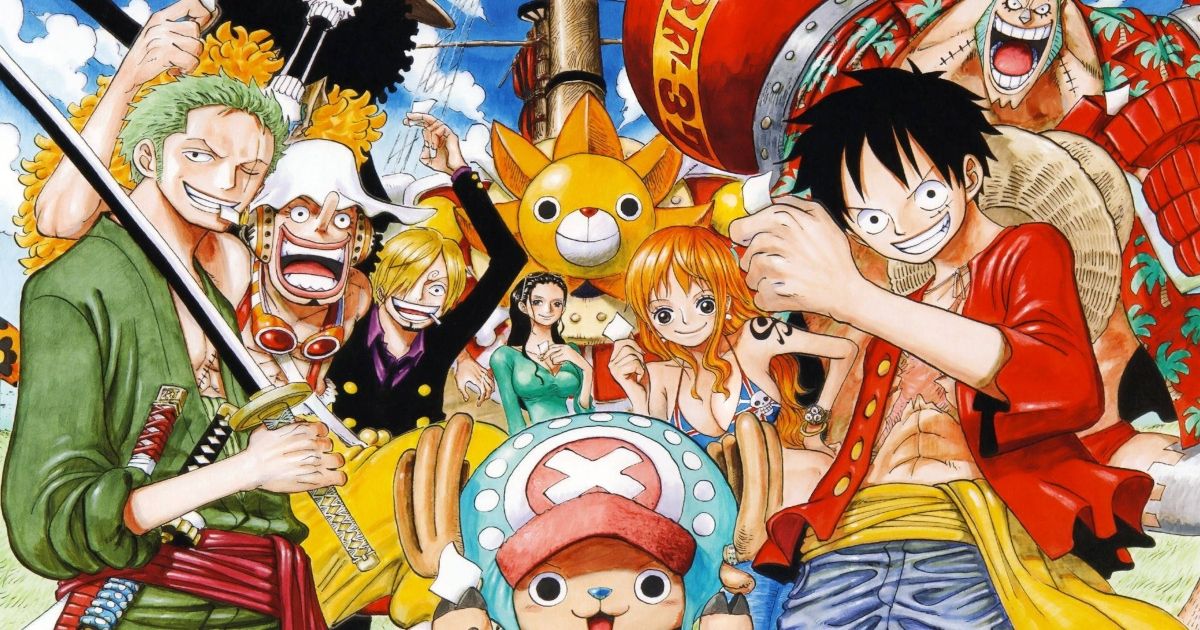
Technically an original, One Piece remains the undisputed king in 2026. As it approaches its final saga, the big three anime influence is most felt here. It bridges the gap between the old world and the new, maintaining record-breaking sales and critical acclaim. Its ability to stay relevant for nearly three decades makes it a permanent fixture in any big three discussion.
2. Demon Slayer: Kimetsu no Yaiba
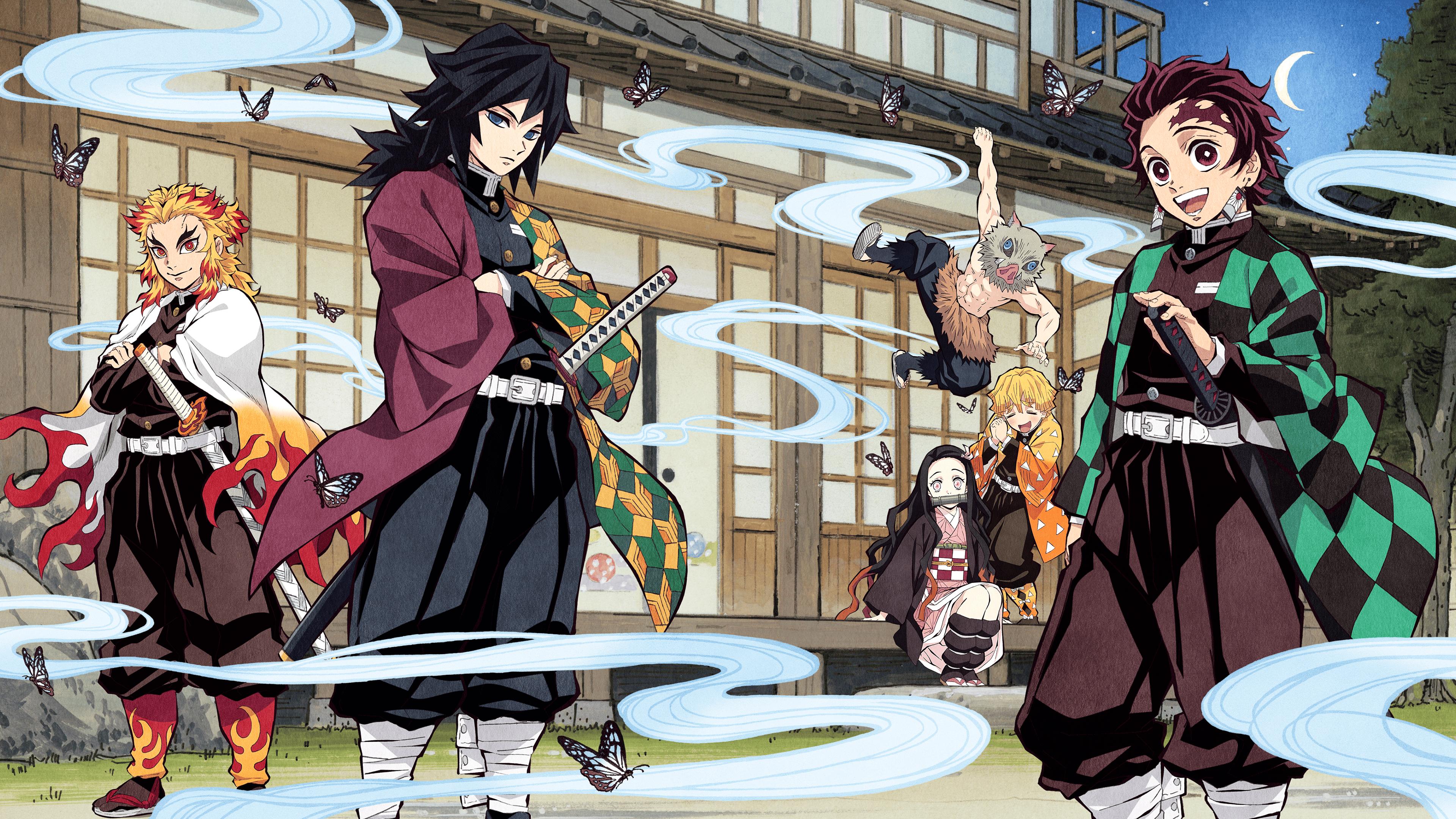
Demon Slayer is often cited as the primary catalyst for the new generation big three anime. Its record-breaking theatrical run and Ufotable's breathtaking animation set a new standard for the industry. While its manga has concluded, its ongoing anime adaptation continues to be a global event, proving that high-quality production can elevate a simple story to legendary status.
3. Jujutsu Kaisen
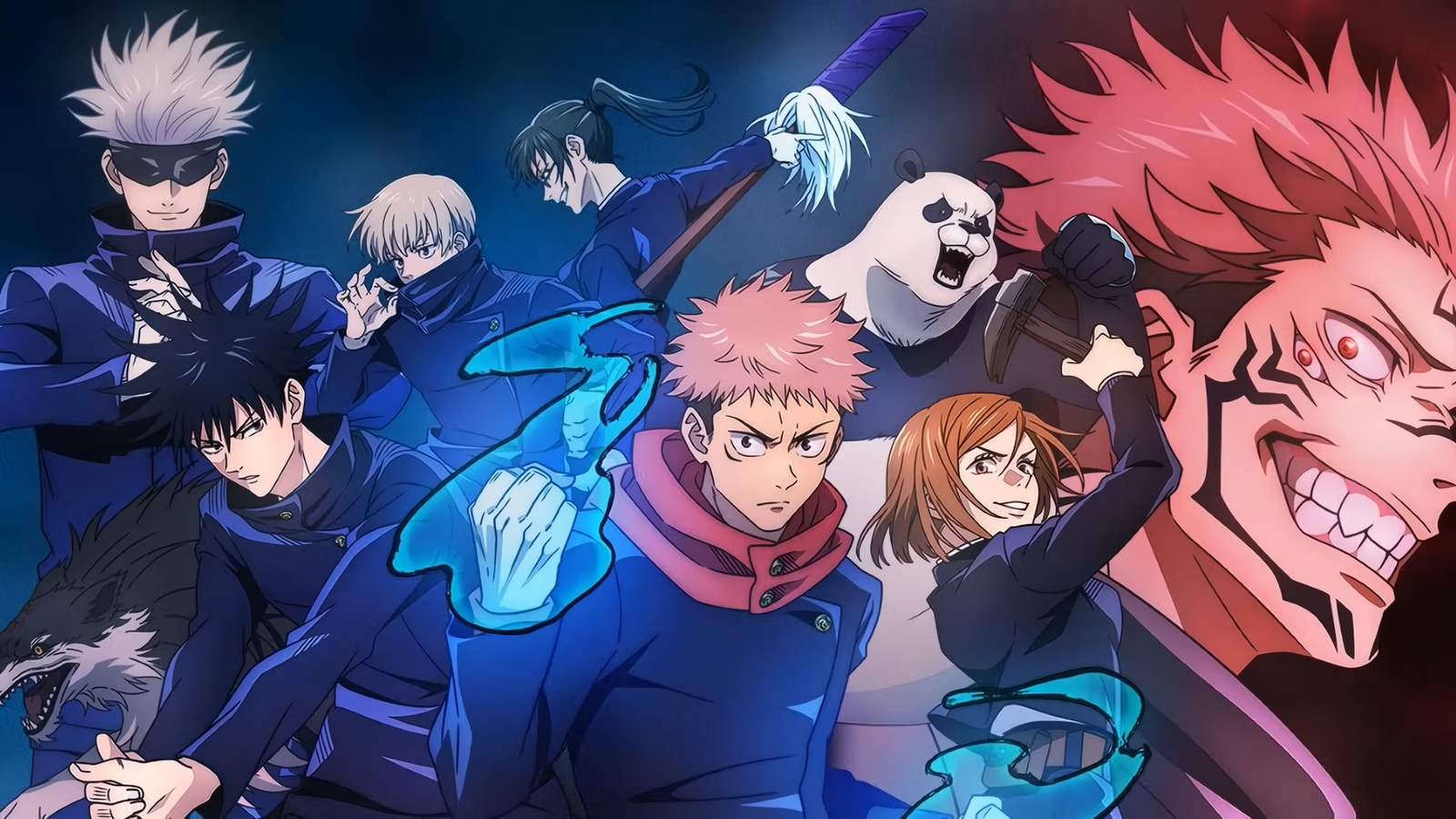
As a leading member of the modern shonen dark trio, Jujutsu Kaisen redefined the "battle shonen" with its complex power system and willingness to kill off major characters. It perfectly captures the darker, more visceral tone of 2020s anime. Its massive popularity in 2026 is driven by its high-stakes storytelling and iconic characters like Satoru Gojo.
4. My Hero Academia

My Hero Academia was the first to truly inherit the Naruto-style "underdog" spirit for a new age. By blending Japanese shonen tropes with Western superhero aesthetics, it achieved massive success in North America. Its long-running shonen anime format allowed it to build a massive cast of characters that fans have followed for years.
5. Chainsaw Man
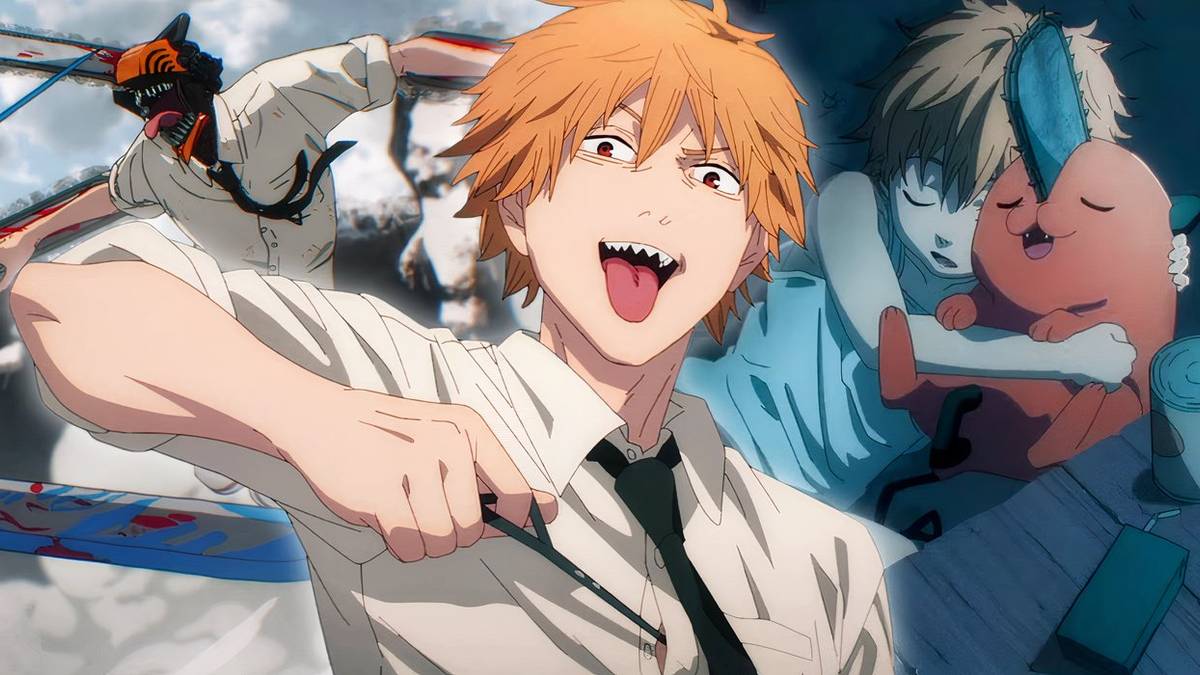
The third member of the "dark trio," Chainsaw Man is perhaps the most experimental series to reach mainstream success. Its cinematic direction and subversive take on shonen tropes have made it a favorite among critics and fans alike. It represents the "edgier" side of the new-gen big three, appealing to an older, more cynical audience.
6. Black Clover
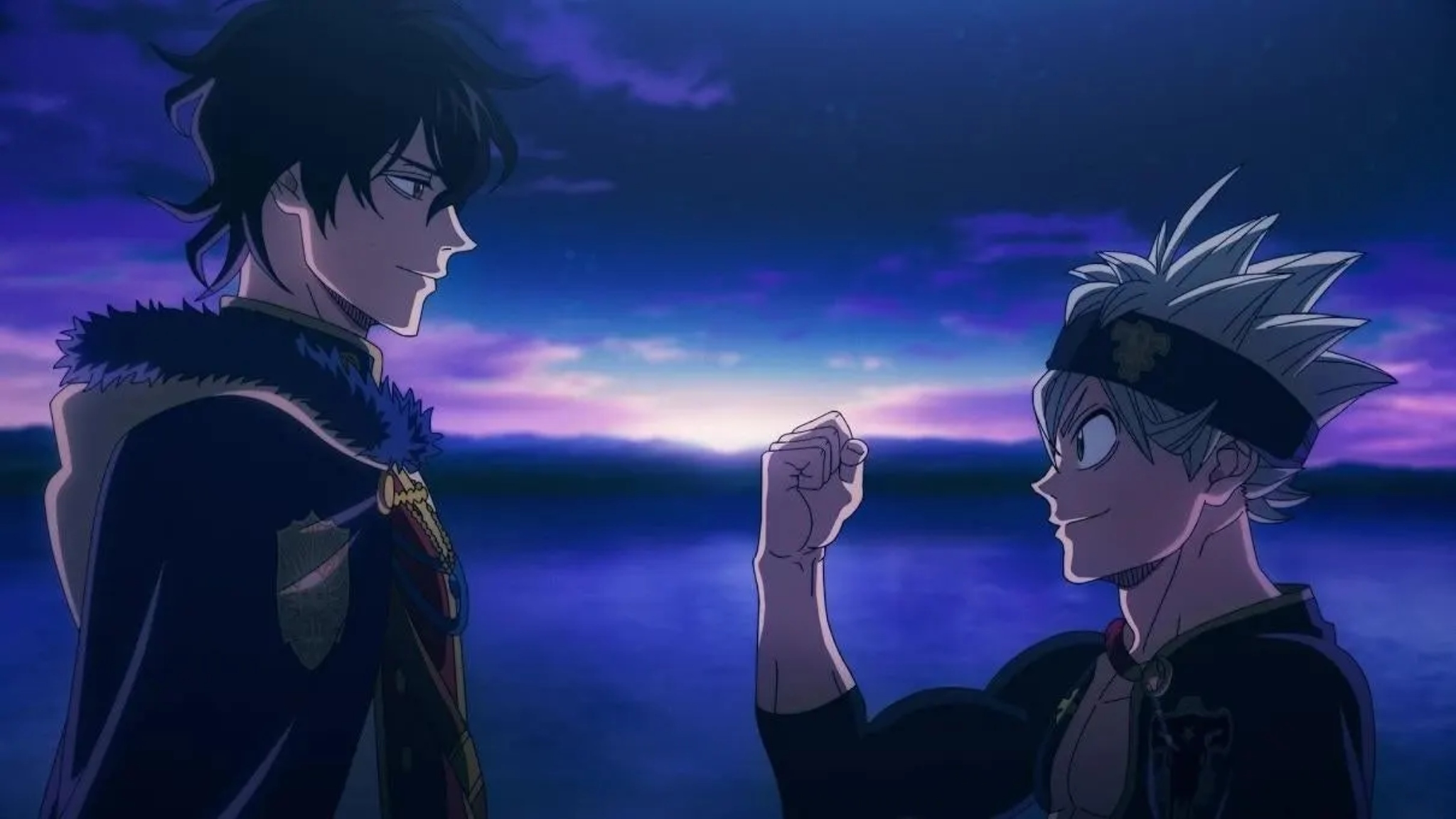
Black Clover had a rocky start but grew into a beloved long-running shonen anime. It stayed true to the classic "Big Three" roots—screaming protagonists, magic guilds, and an endless pursuit of a title (Wizard King). Its growth and the eventual high quality of its animation earned it a spot among the new-gen elites.
7. Solo Leveling
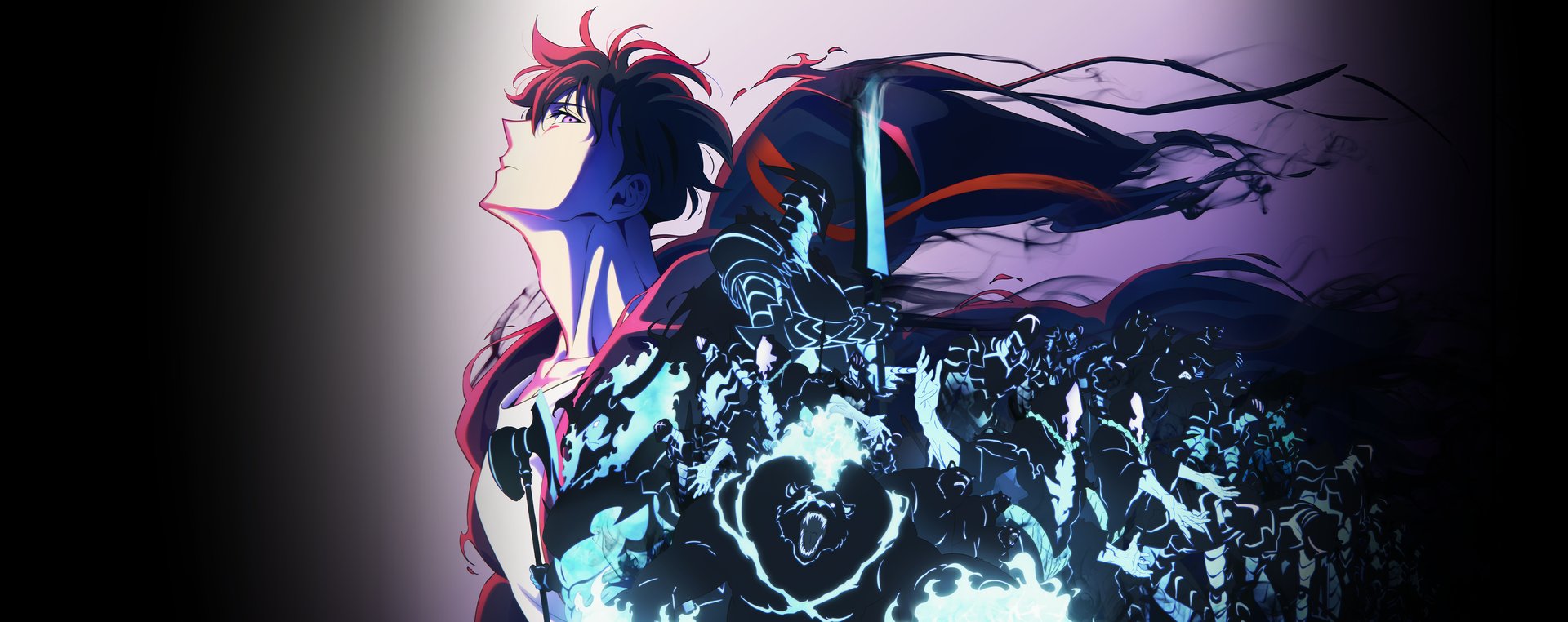
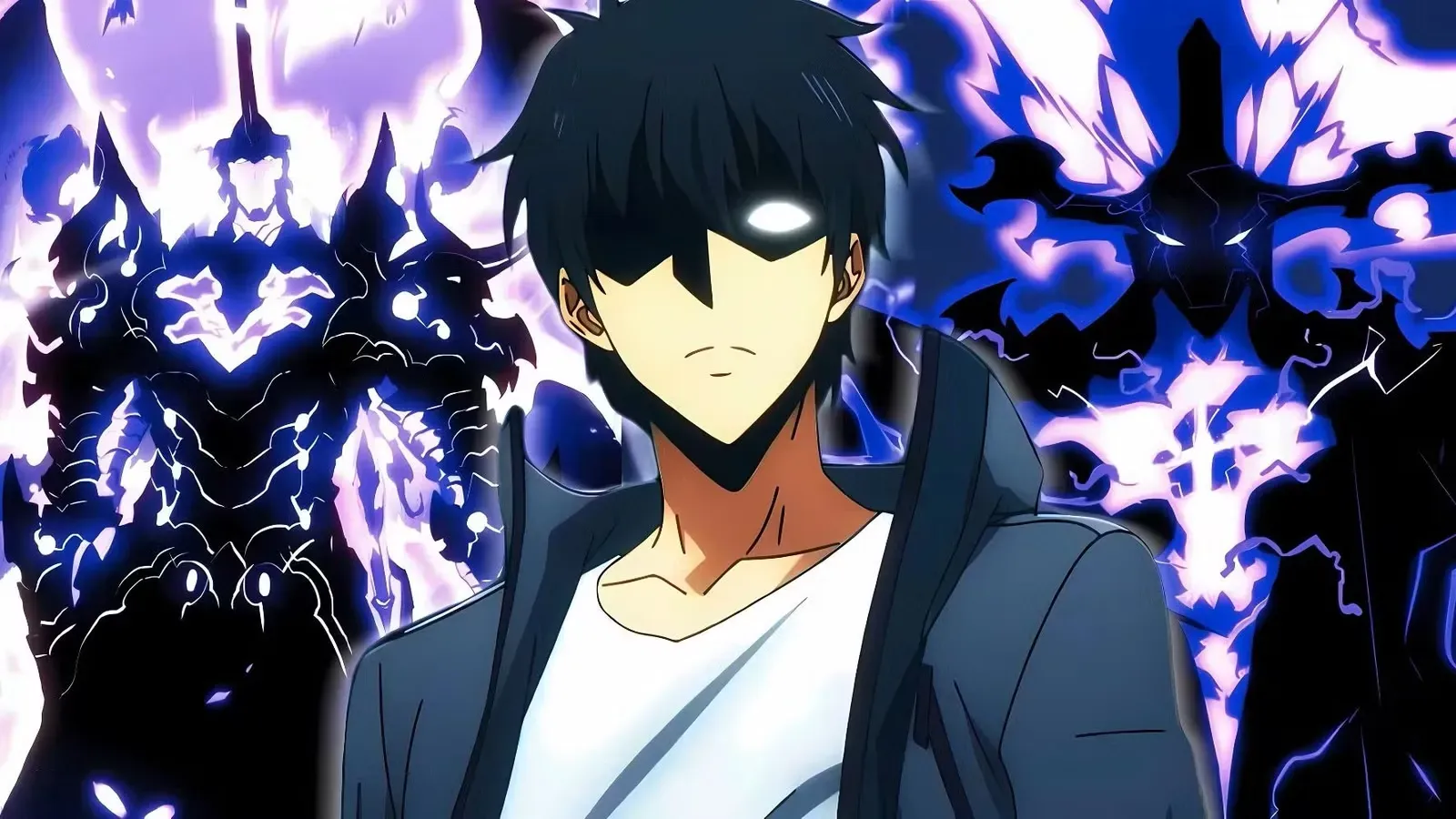
Representing the rise of "Manhwa" (Korean comics) adaptations, Solo Leveling became a global titan in 2026 and 2026. In 2026, it stands as a testament to the changing nature of the big three animes. It focuses on the "overpowered protagonist" trope with such stylistic flair that it captured the hearts of fans worldwide.
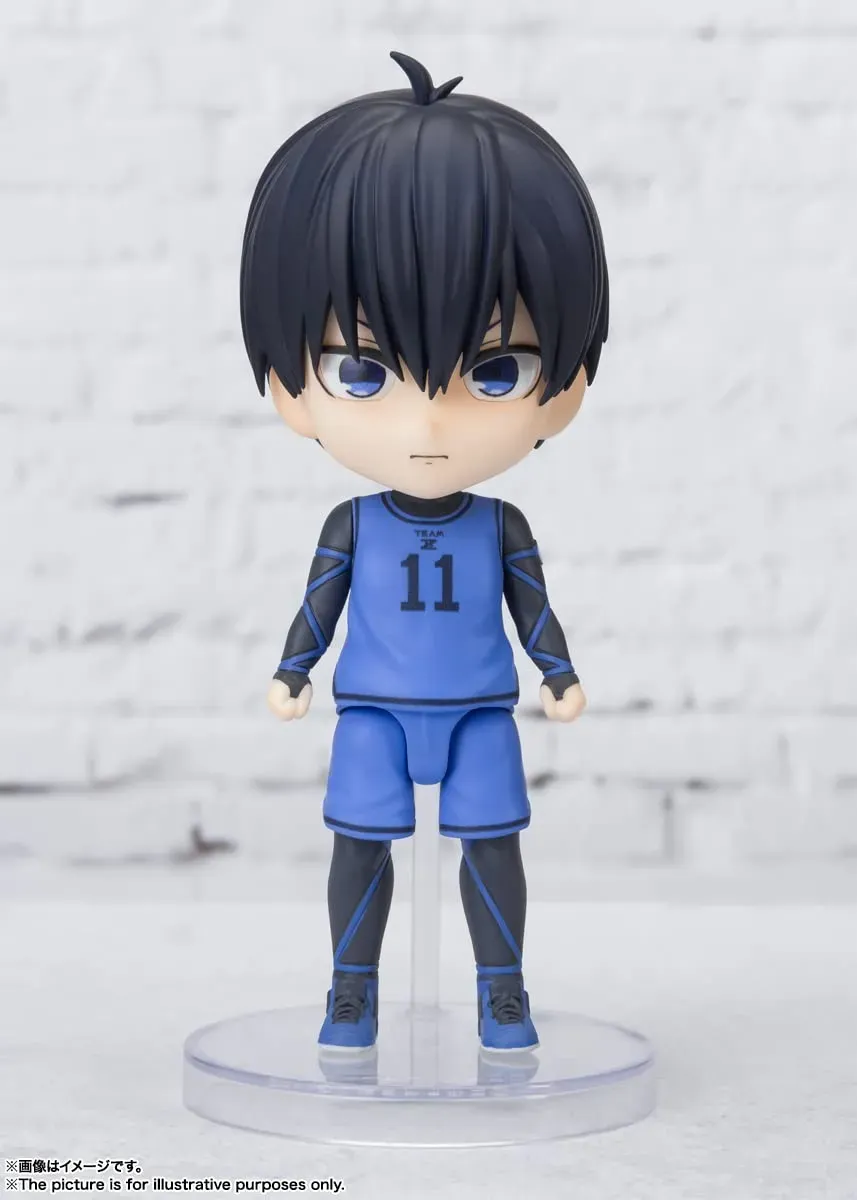
8. Blue Lock
format(webp))
Blue Lock changed the perception of sports anime by framing a soccer tournament as a high-stakes survival game. Its "egoist" philosophy resonated with fans who were tired of the usual "power of friendship" themes. It has become one of the most commercially dominant series in recent years, especially during global sports events.
9. Kaiju No. 8

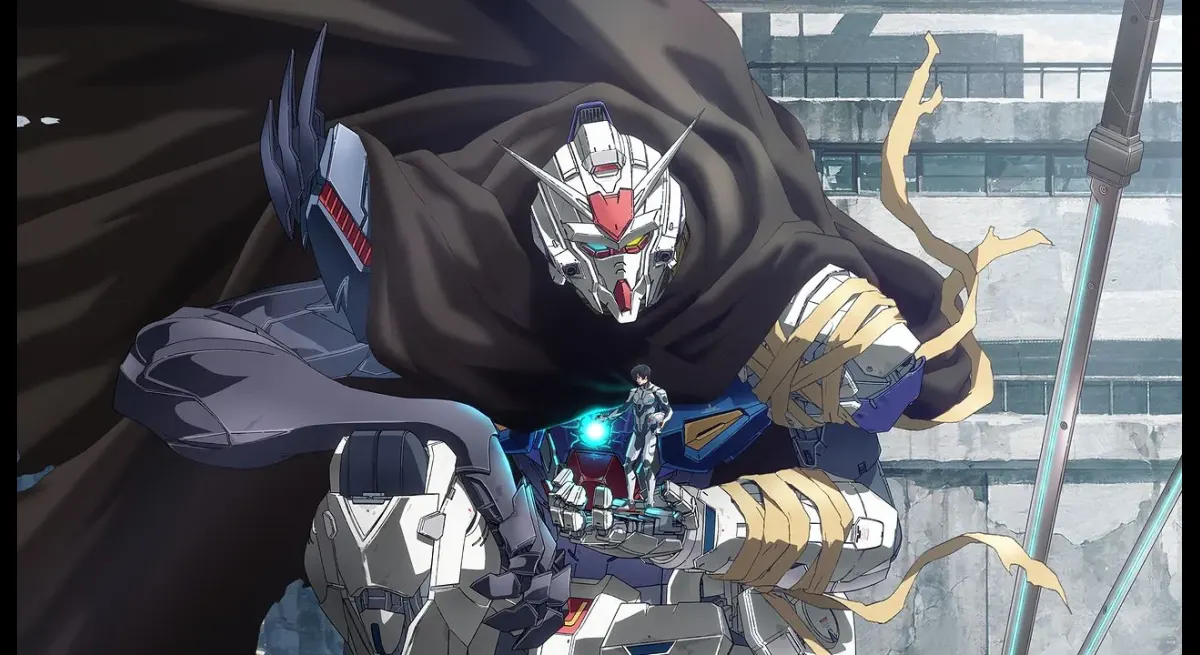
A more recent entry, Kaiju No. 8 successfully blended traditional monster-fighting action with a slightly older protagonist, making it relatable to the aging millennial anime fan base. Its high production value and engaging humor have quickly propelled it to the top of the new generation big three anime conversations.
10. Spy x Family
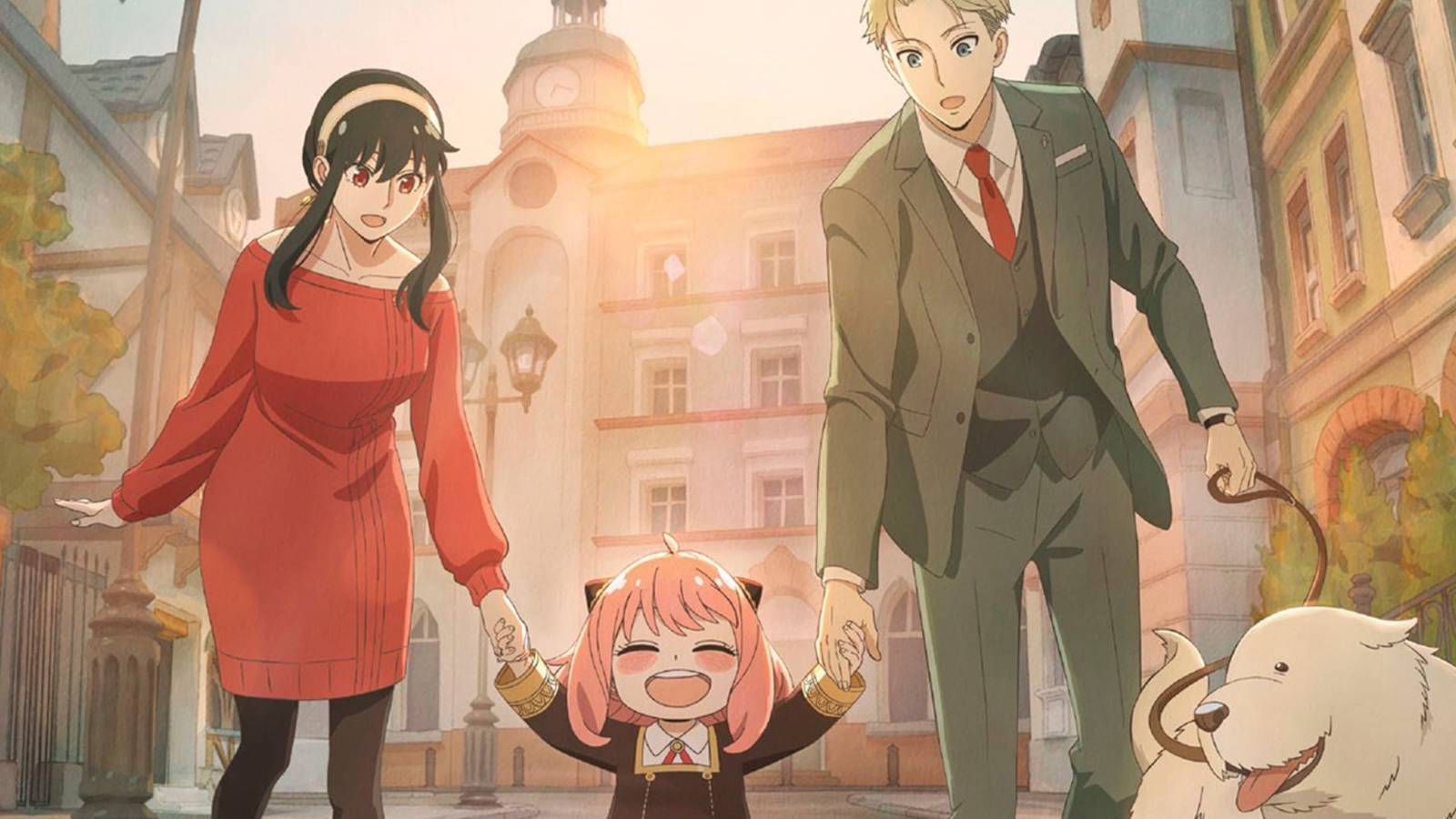
While not a traditional battle shonen, Spy x Family’s global dominance cannot be ignored. It represents the "broad appeal" criterion perfectly. By mixing action, comedy, and heart-warming family dynamics, it became a cultural phenomenon that reached audiences far beyond the typical shonen demographic.
Impact of Animation Quality on Modern Shonen
One of the most significant differences between the big three animes of the past and the new generation is the sheer quality of animation. In the 2000s, animation was often inconsistent due to the grueling weekly schedules of long-running series. Today, studios like MAPPA, Ufotable, and Wit Studio have revolutionized what fans expect from the genre.
The success of Demon Slayer, for example, is inextricably linked to its visual presentation. The use of "total concentration" breathing effects and dynamic camera work turned every fight into a viral moment. This has forced other studios to step up their game, leading to an era where the big three anime influence is measured by "sakuga"—the term for high-quality, fluid animation sequences.
This focus on quality has also led to the decline of the traditional "never-ending" weekly series. Most new generation big three anime now follow a seasonal release pattern. This allows for better planning, healthier working conditions for animators, and a much higher visual standard. Fans in 2026 would rather wait two years for a masterpiece than watch 50 episodes of mediocre animation with filler content.
The Role of Streaming Platforms in Global Popularity
The way we consume big three animes has been completely transformed by the rise of streaming platforms. In the early 2000s, fans relied on televised blocks like Toonami or unofficial fan-subs. Today, services like Crunchyroll, Hulu, and Netflix provide "simulcasts," allowing fans around the world to watch the latest episodes minutes after they air in Japan.
This accessibility is a primary driver of the new generation big three anime success. Global trends are now synchronized; a major plot twist in Jujutsu Kaisen can trend on X (formerly Twitter) worldwide within an hour. This creates a global community that wasn't possible during the early days of Naruto or Bleach, where Western fans were often years behind the Japanese release.
Streaming platforms have also invested heavily in the production side. Netflix’s involvement in anime has brought massive budgets and creative freedom to various projects. For more information on how these platforms have scaled the industry, you can visit Wikipedia or check out the latest library updates on official sites like Crunchyroll.
Future Contenders for the Shonen Throne
The cycle of the big three animes is never truly over. As series like My Hero Academia and Demon Slayer reach their narrative conclusions, new titles are already vying for a spot in the new generation big three anime. These future contenders often start as breakout manga hits before their anime adaptations catapult them into the stratosphere.
Series like Kagurabachi and Sakamoto Days have already generated massive buzz in the manga community. Their unique art styles and innovative takes on action choreography suggest they could be the next global hits. In 2026, the barrier to entry for the "Big Three" status is higher than ever, requiring a perfect storm of manga popularity and top-tier studio backing.
Furthermore, we are seeing more diverse genres enter the shonen competition. The line between traditional action and psychological thriller is blurring. As the big three anime influence continues to evolve, the next "king" of shonen might not be a ninja or a pirate, but something entirely unexpected that speaks to the unique anxieties and aspirations of the next decade.
Conclusion: The Lasting Legacy of the Big Three
The concept of the big three animes is more than just a marketing term; it is a celebration of the shows that define our generation. Whether you are a fan of the Original Shonen Big Three or prefer the darker, high-octane thrills of the new generation big three anime, the impact of these series on global culture is undeniable.
From the Shonen Jump Big Three history to the modern shonen dark trio, these stories remind us why we fell in love with anime in the first place. They provide a sense of community, a spark of inspiration, and a shared language for millions of people across the globe. As animation techniques and streaming technology continue to advance, the legacy of the big three will only grow stronger.
While the specific titles in the "Big Three" may change over the years, the spirit of the title remains. In 2026, the throne is more crowded than ever, but that only means that we, the fans, are living in a golden age of shonen. The future of long-running shonen anime is bright, and we can’t wait to see which legendary series will rise next.






format(webp))








// Comments