Introduction to Chinese Representation in Anime
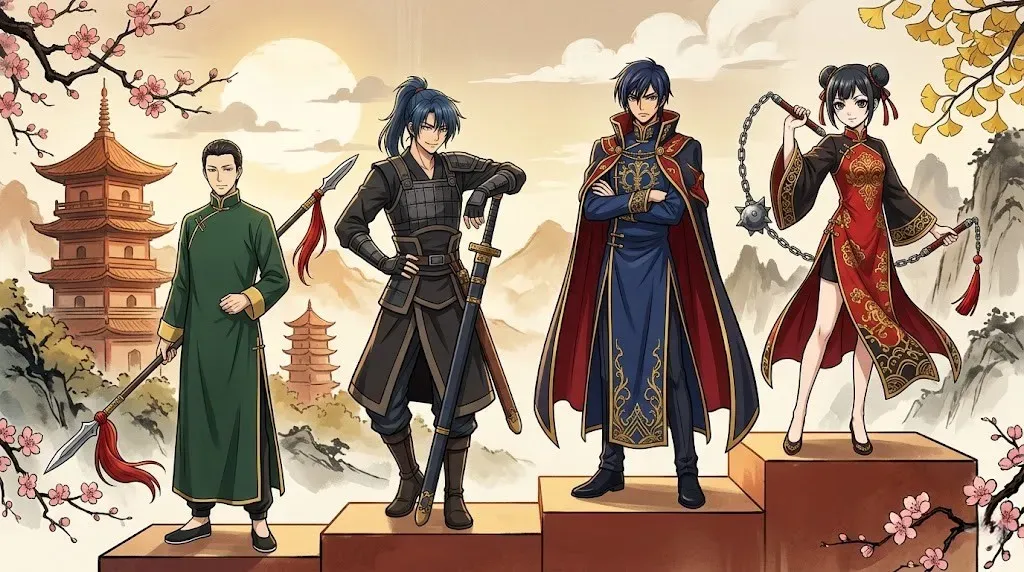
The landscape of modern animation is a melting pot of global influences, but few relationships are as historically deep and visually complex as that between Japan and China. In the world of Japanese animation, depictions of chinese in anime have evolved from simple background archetypes into some of the most nuanced and beloved figures in the medium.
For many fans, the ethnic background of a character isn't always immediately apparent, especially when they are integrated into fantasy worlds or contemporary Japanese settings. However, Chinese representation in anime is a cornerstone of many iconic series, often drawing from shared cultural roots, mythology, and a long history of cross-cultural exchange.
In this exploration, we dive into the diverse world of Chinese characters who often fly under the radar. From master tacticians to powerful warriors, these individuals highlight the depth of Chinese culture in Japanese animation and how it continues to shape the stories we love in 2026.
 Also ReadMost Viewed Anime of All Time?
History and Evolution of Chinese Anime Characters
The history of Chinese tropes in anime begins with the classics. Early series often relied on "Chinatown" aesthetics or martial arts mastery as the primary markers of Chinese identity. Characters like Chun-Li or the cast of Ranma 1/2 brought traditional garments and kung fu to the forefront, establishing a recognizable, if somewhat limited, visual language.
As the medium matured, creators began to move beyond these surface-level traits. The late 90s and early 2000s saw a shift toward more complex backstories and integrated identities. We began to see characters whose "Chineseness" was defined by their philosophy, family lineage, or specific regional dialects rather than just a Qipao or a braid.
Today, the evolution has reached a point where many best Chinese anime protagonists are indistinguishable from their Japanese peers until their specific heritage is revealed through the plot. This seamless integration represents a significant step forward in the diversity of Chinese characters in manga and anime alike.
The Impact of Depictions of Chinese in Anime Culture
How a culture is portrayed on screen significantly affects global perceptions. The depictions of chinese in anime serve as a bridge, introducing international audiences to Chinese naming conventions, historical periods like the Three Kingdoms, and traditional values like filial piety.
 Also Read10 Strongest Electric Anime Lightning Wielders, Ranked
This impact isn't just educational; it's emotional. Seeing a character who shares your heritage—or who represents that heritage with dignity and strength—creates a powerful connection for viewers. Furthermore, the popularity of these characters in Japan fosters a unique cultural dialogue that transcends political borders through art.
By moving away from stereotypical anime Chinese characters and toward well-rounded individuals, the industry has enriched its storytelling potential. These characters often bring unique perspectives on conflict, honor, and community that might differ from the standard Japanese narrative tropes, adding much-needed variety to the seasonal lineup.
Criteria for Ranking Unrecognized Chinese Characters
Ranking characters whose Chinese heritage might surprise you requires a careful evaluation of several factors. Our list focuses on characters where their ethnicity is canon but might not be the "first thing" a casual viewer notices. Our criteria include:
- Narrative Integration: How well their Chinese background is woven into their character arc.
- Subtlety: The "surprise factor" regarding their heritage for the general audience.
- Cultural Authenticity: How accurately or respectfully their specific Chinese roots are portrayed.
- Popularity and Impact: The character's standing within the global anime community.
15 Anime Characters You Never Knew Were Chinese, Ranked
15. Chang Changku (Cyborg 009)
As Cyborg 006, Chang is a culinary master from China. While his design leans into older tropes, his role as the heart and "chef" of the team highlights the communal importance of food in Chinese culture, making him a foundational figure in early representation.
14. Fong (Katekyo Hitman Reborn\!)

One of the seven Arcobaleno, Fong is often mistaken for a young Japanese boy due to his calm demeanor. However, he is a master of Chinese martial arts and represents the "Storm" with a distinctly traditional Chinese aesthetic and discipline.
13. Lau (Black Butler)
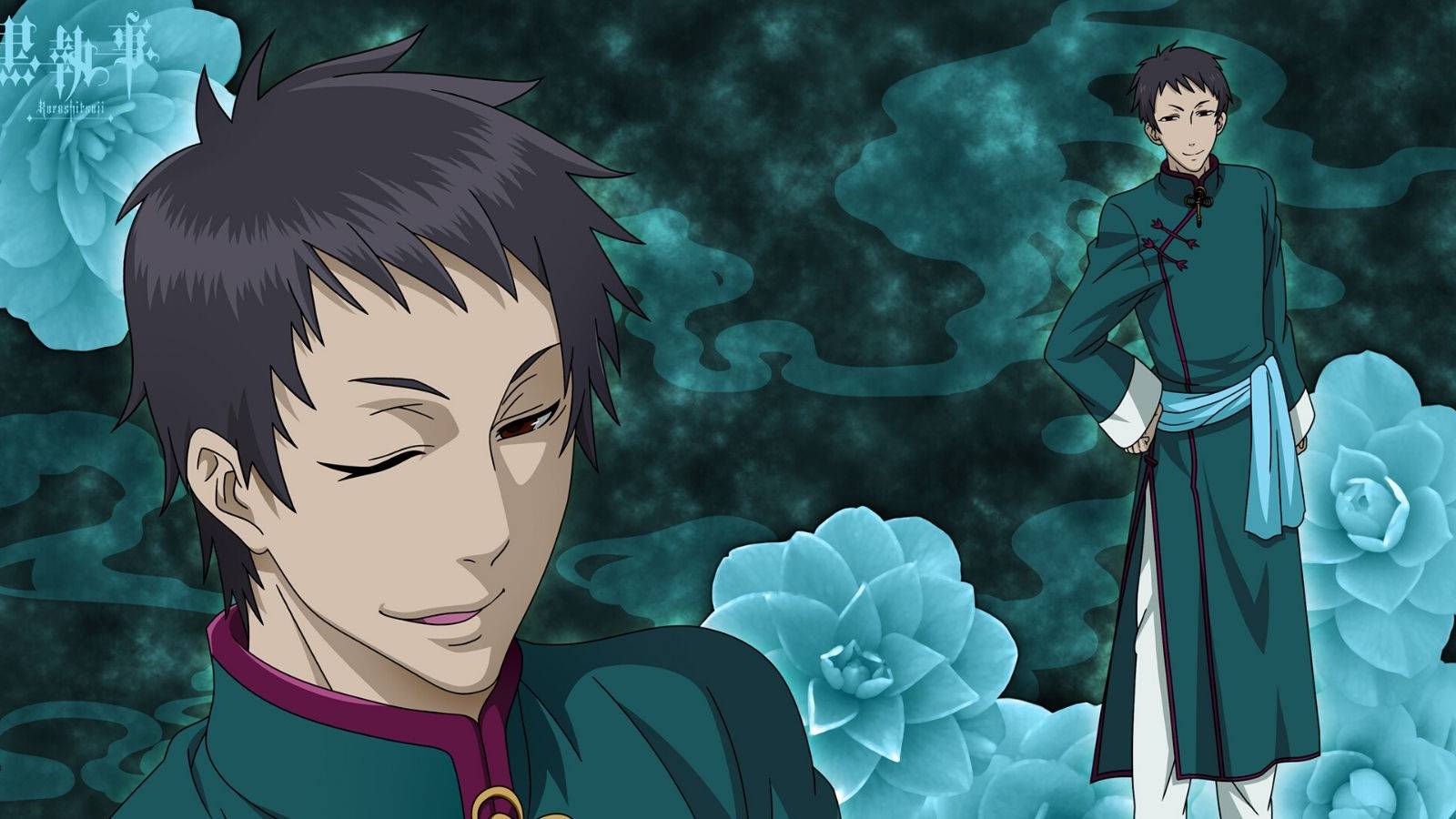
Operating in London's underworld, Lau is a Chinese nobleman and branch manager of a trading company. His enigmatic nature and traditional clothing are overt, yet many fans overlook his deep ties to Chinese history and the opium trade of the era.
12. Wang Liu Mei (Mobile Suit Gundam 00)

A beautiful and wealthy supporter of Celestial Being, Wang Liu Mei is a high-society figure in the Gundam universe. Her Chinese heritage is reflected in her fashion and her family’s vast influence in the resource-starved future of the series.
11. Mao (Code Geass)

The erratic Geass user Mao is often overshadowed by Lelouch and Suzaku. Orphaned in China, his tragic backstory and the location of his initial encounter with C.C. ground him firmly in the region, adding a layer of international stakes to the rebellion.
10. Hak (Yona of the Dawn)
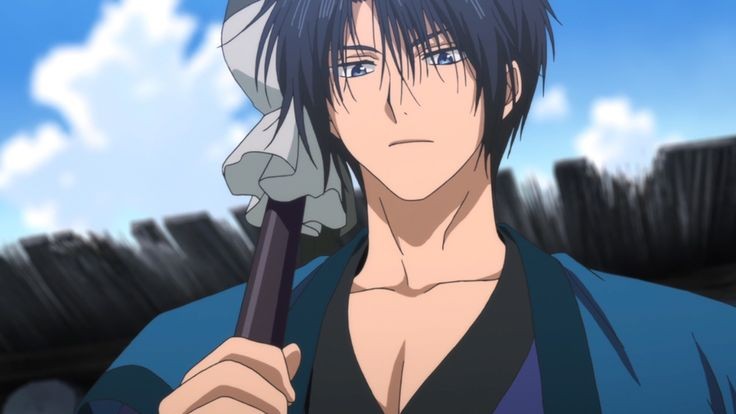
While the world of Akatsuki no Yona is a fantasy realm, it is heavily inspired by ancient Asian cultures. Hak, the Thunder Beast, draws significant influence from Chinese warrior archetypes, particularly in his weaponry and combat style.
9. Li Xingke (Code Geass)

A brilliant strategist and fierce warrior, Li Xingke represents the Chinese Federation. He is one of the few characters who can match Lelouch in a battle of wits, proving that the best Chinese anime protagonists are often the most intelligent.
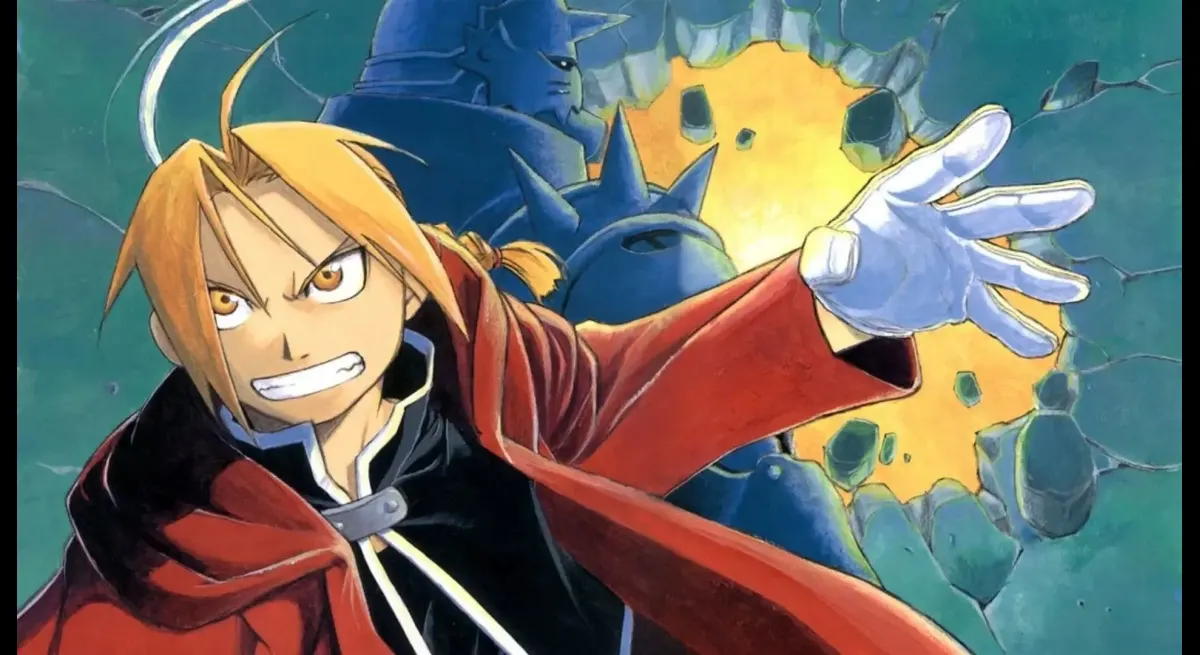
8. Ling Yao (Fullmetal Alchemist: Brotherhood)
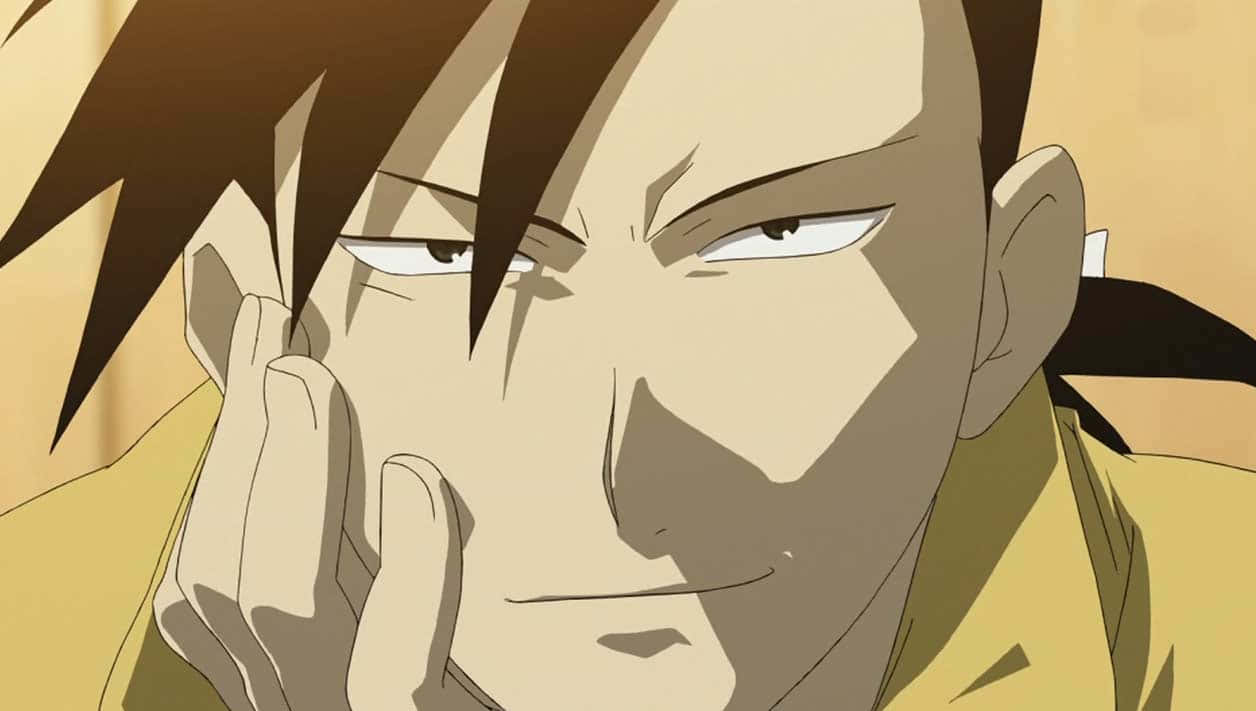
The twelfth prince of the Xing Empire, Ling Yao enters the story looking for the secret to immortality. His journey from a comic-relief wanderer to a powerful leader highlights the complex political landscapes of the "Xing" (Chinese-inspired) region.
7. Shenhua (Black Lagoon)

A professional assassin in Roanapur, Shenhua is proud of her heritage, often speaking in a specific dialect (in the sub) or broken English (in the dub). She is a master of kukri knives and a subversion of the "submissive" female trope.
6. Mei Chang (Fullmetal Alchemist: Brotherhood)
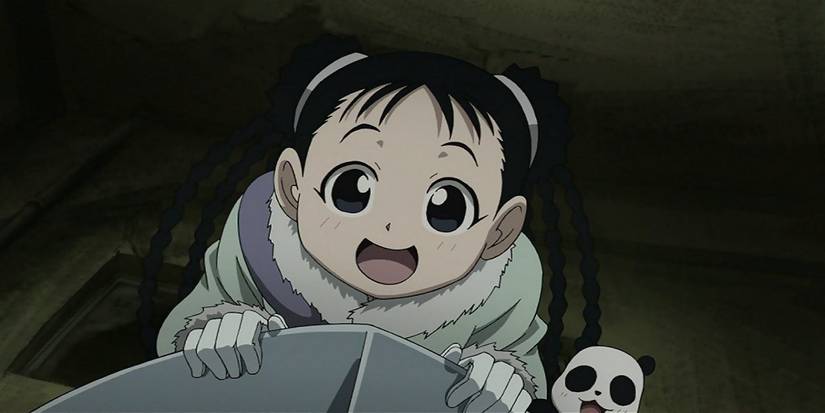
Unlike the Alchemists of Amestris, Mei uses Alkahestry, a practice rooted in Chinese medicinal and spiritual traditions. Her presence introduces the audience to a different philosophical approach to "science" within the FMA world.
5. Hei (Darker Than Black)
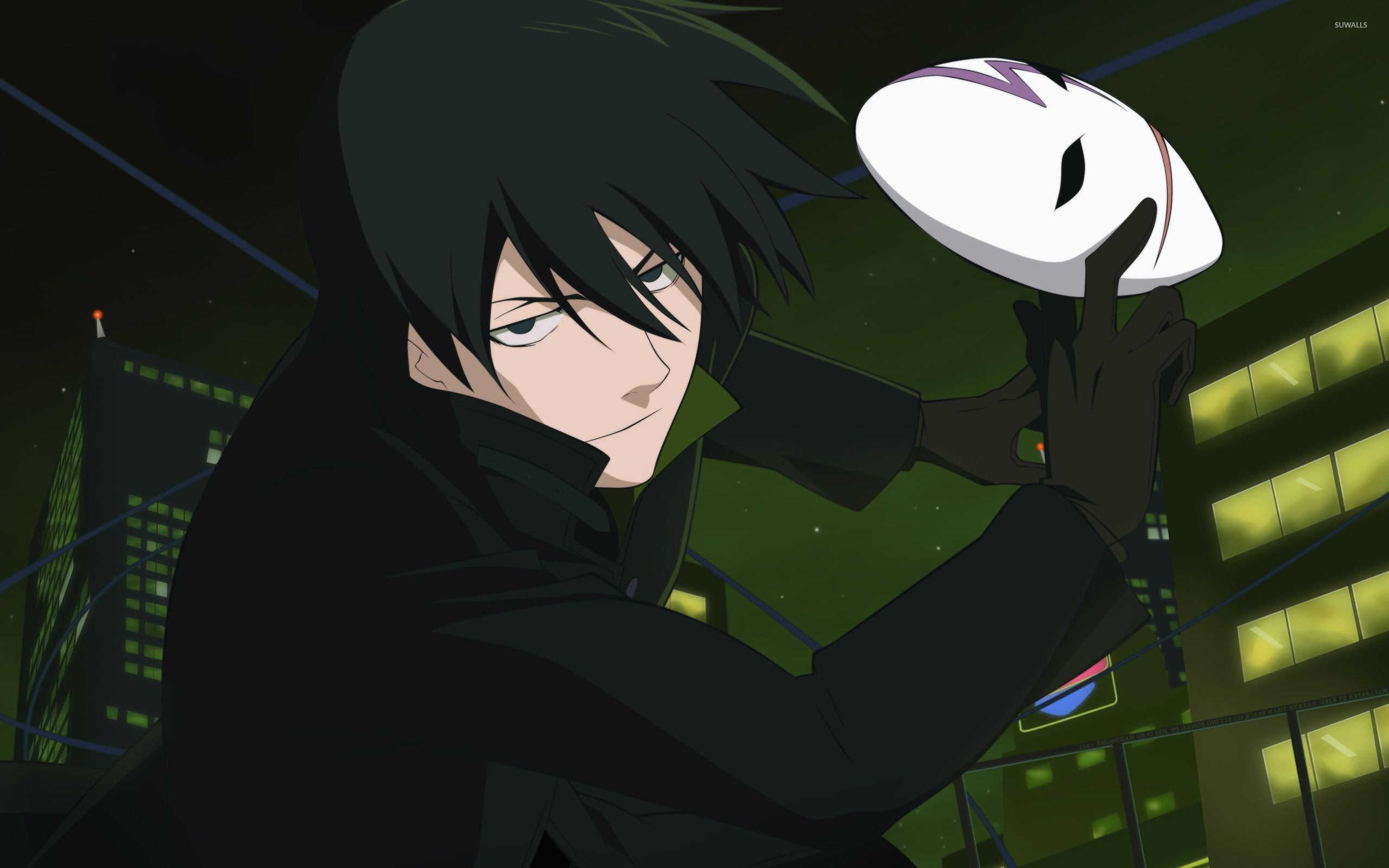
Known as the Black Reaper, Hei is a Chinese contractor living in Tokyo. His undercover identity as Li Shengshun allows him to blend into the city, making his actual Chinese heritage a subtle but vital part of his character's duality.
4. Syaoran Li (Cardcaptor Sakura)

A fan favorite from CLAMP's universe, Syaoran comes from Hong Kong to claim the Clow Cards. His use of jian swords and Taoist charms provides a distinct contrast to Sakura’s Western-style magic, showcasing the beauty of Chinese culture in Japanese animation.
3. Kagura (Gintama)
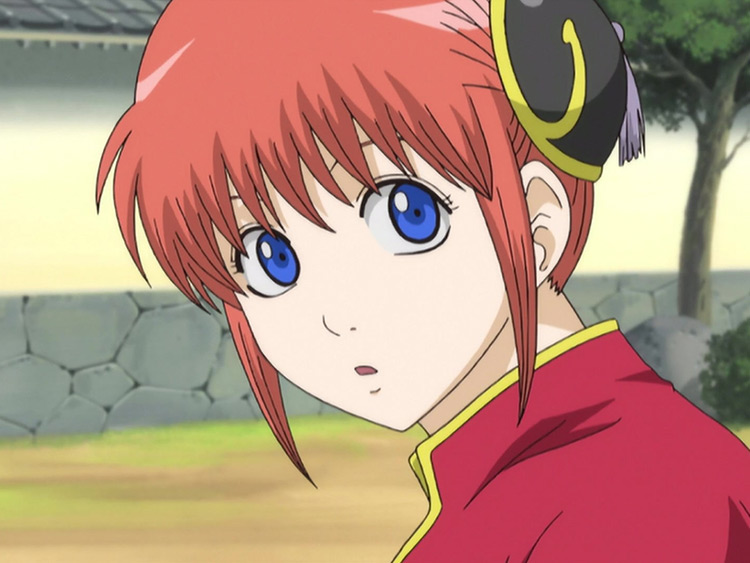
While Kagura is technically an alien from the Yato Tribe, her character design is a direct parody of the "China Girl" trope. From her "aru" speech pattern to her clothing, she is a hilarious and heartfelt deconstruction of how anime depicts Chinese identity.
2. Ran Mao (Black Butler)
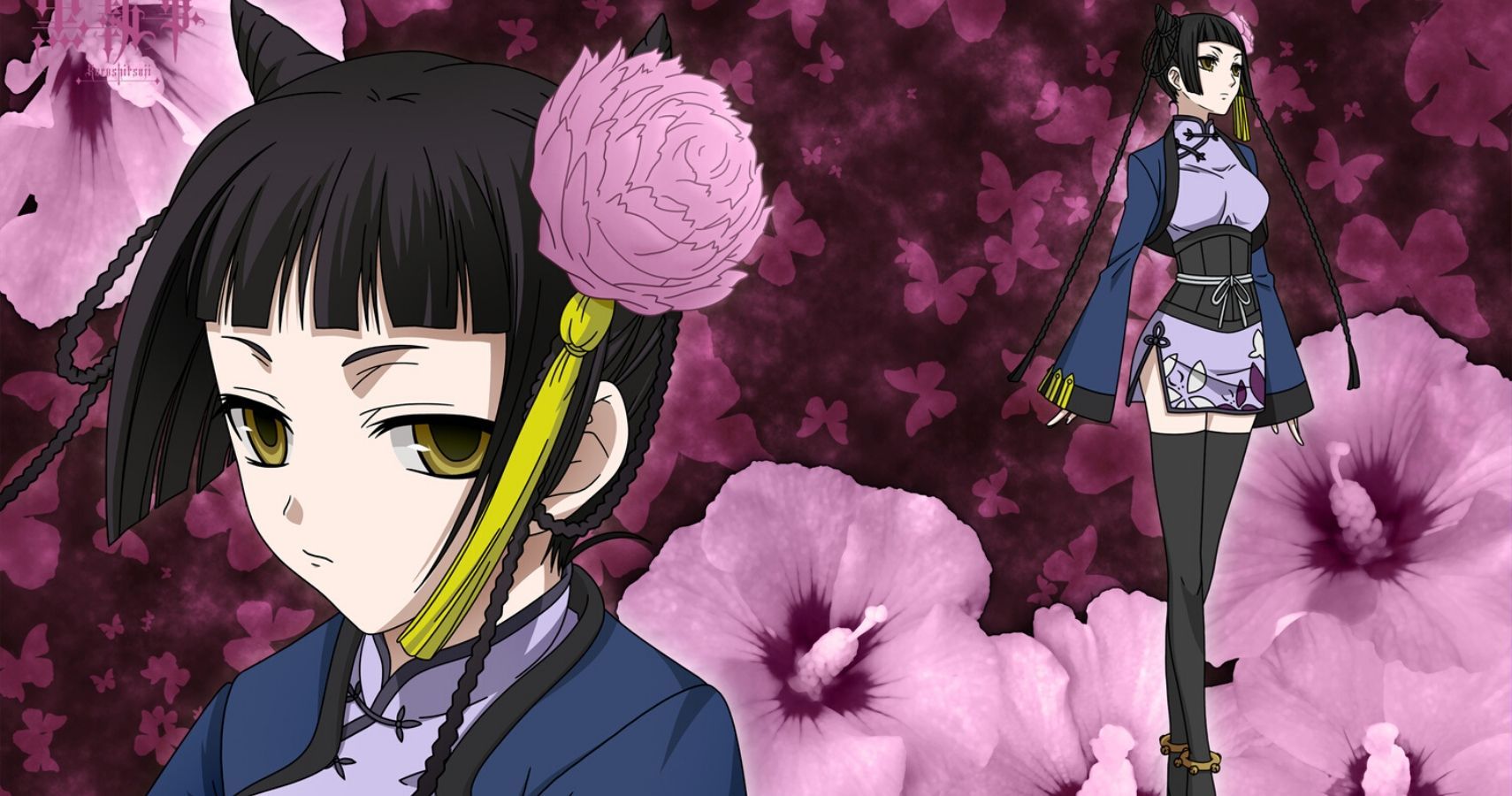
Lau’s "sister" and bodyguard, Ran Mao is a silent but deadly enforcer. Her doll-like appearance hides immense physical strength, making her one of the most striking depictions of chinese in anime within a Victorian setting.
1. Revy (Black Lagoon)

The top spot goes to Rebecca Lee, better known as Revy. A Chinese-American born in New York City, Revy is the quintessential "Two-Hand" gunslinger. Her heritage is central to her identity as a marginalized individual who fought her way out of poverty, making her the most iconic and complex unrecognized Chinese character in anime history.
Common Tropes in Chinese Character Designs
When looking at stereotypical anime Chinese characters, several visual and auditory cues often reappear. These tropes served as a shorthand for creators for decades. Common elements include:
- Martial Arts Mastery: Almost every Chinese character is assumed to be a master of Kung Fu or Tai Chi.
- The "Aru" Verbal Tic: In Japanese voice acting, Chinese characters often end sentences with "aru" to mimic a foreign accent.
- Traditional Garb: The Qipao for women and Changshan for men remain the go-to outfits, even in futuristic settings.
- Braid/Queue Hairstyles: Often used to denote historical or traditional ties.
While these tropes can be reductive, modern anime often uses them as a starting point to build more authentic personalities. For more on the history of these designs, you can explore the History of Anime on Wikipedia.
Authenticity vs. Stylization in Character Backstories
The tension between authenticity and stylization is where the most interesting characters are born. In many cases, creators choose to prioritize the "cool factor" over strict historical accuracy. For example, a character might use a Jian sword in a way that looks great on screen but bears little resemblance to actual Wushu techniques.
However, series like Kingdom or The Apothecary Diaries have raised the bar for authenticity. These shows delve deep into Chinese history, medicine, and social hierarchies. This shift toward accuracy provides a more rewarding experience for viewers seeking a genuine look at Chinese culture in Japanese animation.
Stylization isn't necessarily a bad thing; it allows for creativity. But when combined with research, it results in characters like Mei Chang or Li Xingke, who feel like they belong to a real, breathing culture rather than just a collection of clichés.
How Global Audiences Perceive Chinese Identity in Anime
Global perception of these characters is increasingly sophisticated. Fans in 2026 are more likely to notice the nuances between a character from Hong Kong versus one from Mainland China. This awareness is driven by the global availability of anime through platforms like Crunchyroll, where cultural notes and accurate translations are common.
For Chinese viewers, seeing their culture portrayed in Japan's most famous export can be a point of pride, provided it is done with respect. Conversely, international audiences benefit from a broader understanding of Asian diversity, learning that "Asian" is not a monolith but a collection of distinct and vibrant identities.
The rise of Donghua (Chinese animation) has also influenced how Chinese identity is perceived in Japanese works. As the two industries collaborate more frequently, the "depictions of chinese in anime" are becoming more collaborative and grounded in first-hand cultural experience.
Conclusion: The Future of Diverse Representation in Animation
The future of Chinese representation in anime is bright. As we move further into 2026, the lines between different regional styles of animation continue to blur, leading to a richer, more diverse tapestry of characters. The characters ranked here prove that Chinese heritage is a vital, if sometimes subtle, thread in the fabric of anime.
By moving beyond the surface and exploring the history of Chinese tropes in anime, we find stories of resilience, wisdom, and incredible power. Whether they are hiding in plain sight or wearing their heritage proudly, these characters remind us that diversity is the engine of great storytelling.
As fans, our role is to keep looking closer—to appreciate the cultural nuances that make our favorite characters who they are. The next time you watch a new series, keep an eye out; you might just find your new favorite character has a history far deeper than you ever imagined.




// Comments