
I think we can all agree on one thing: Demon Slayer: Kimetsu no Yaiba is a global phenomenon. Ufotable’s animation is beyond breathtaking, the music is iconic, and the characters are instantly lovable. But if you spend any time in anime communities, you'll inevitably run into the debate: Why do People say Demon Slayer has a bad story(Anime Only)? It’s a hot take for a show so successful, but there are genuine criticisms that often surface, particularly among viewers who are only following the anime and haven't read the manga yet.
Deconstructing the Criticisms: Why Demon Slayer Has a Bad Story(Anime Only)
The core of the issue often isn't that the story is objectively bad, but that it’s simple compared to other popular shonen epics. Many critics feel that the anime's jaw-dropping spectacle acts as a powerful distraction, elevating a fundamentally straightforward narrative into what feels like a masterpiece. When you strip away the incredible visual presentation, some viewers find the plot lacks the intricate political maneuvering or deep philosophical quandaries of its peers. The critique is often that the incredible animation is covering up a standard plot.
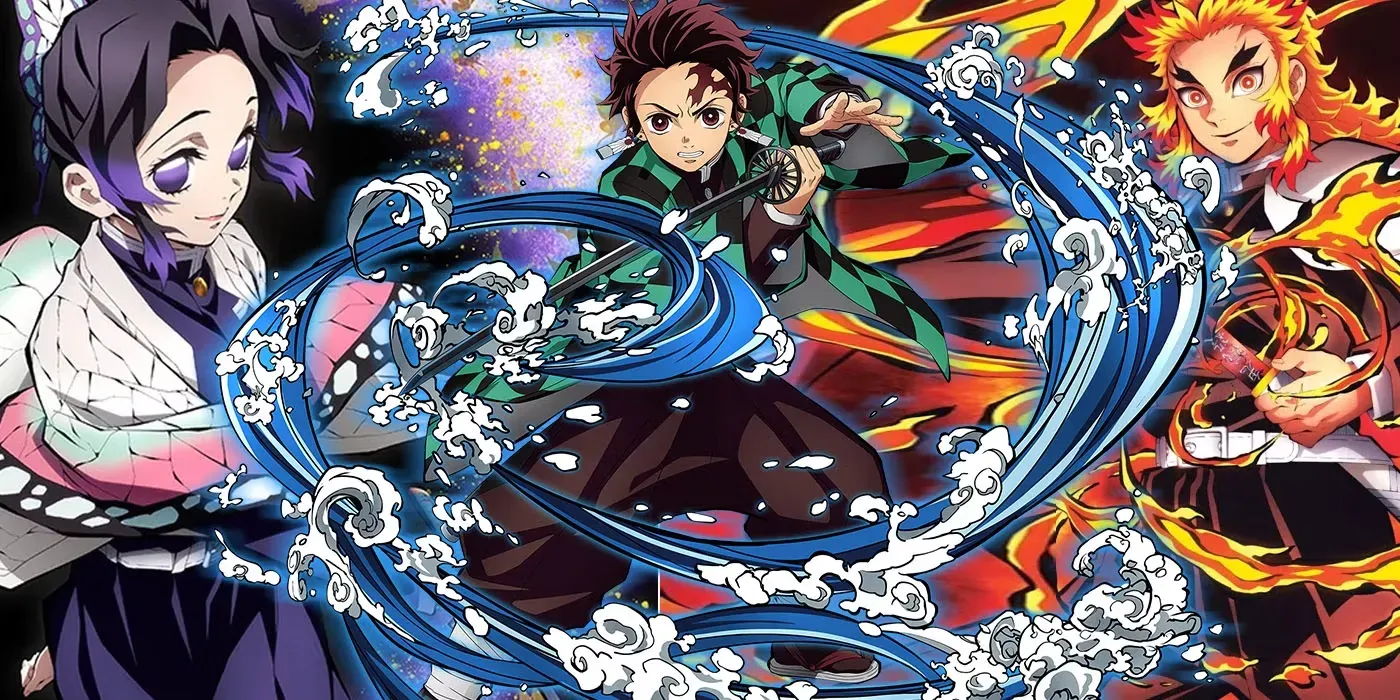
The Formulaic and Predictable Fight Structure
One of the most common complaints from those who say Demon Slayer has a bad story is the perceived formulaic nature of the battles. Many arcs, especially the episodic portions of the first season, follow a predictable pattern that can feel repetitive. Critics argue that this repetitive structure minimizes the stakes, as the audience can easily anticipate the arc's resolution. They feel this prevents deeper character development or strategic complexity, with the focus constantly on the stunning visual reward of the final attack rather than tactical brilliance.
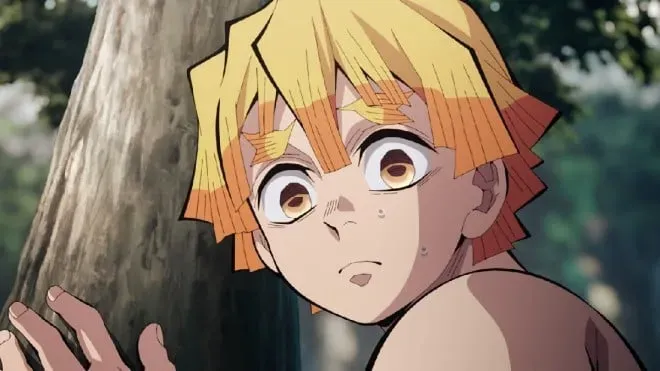 Also ReadWho Is Zenitsu Agatsuma? The Ultimate Guide
The structural points that many critics cite include:
- The heroes encounter a powerful demon with a unique Blood Demon Art.
- The heroes struggle, often getting knocked down and pushed to their limits.
- A pivotal moment of emotional breakthrough or a character’s tragic backstory is revealed.
- A new, incredibly animated technique or power-up is unveiled.
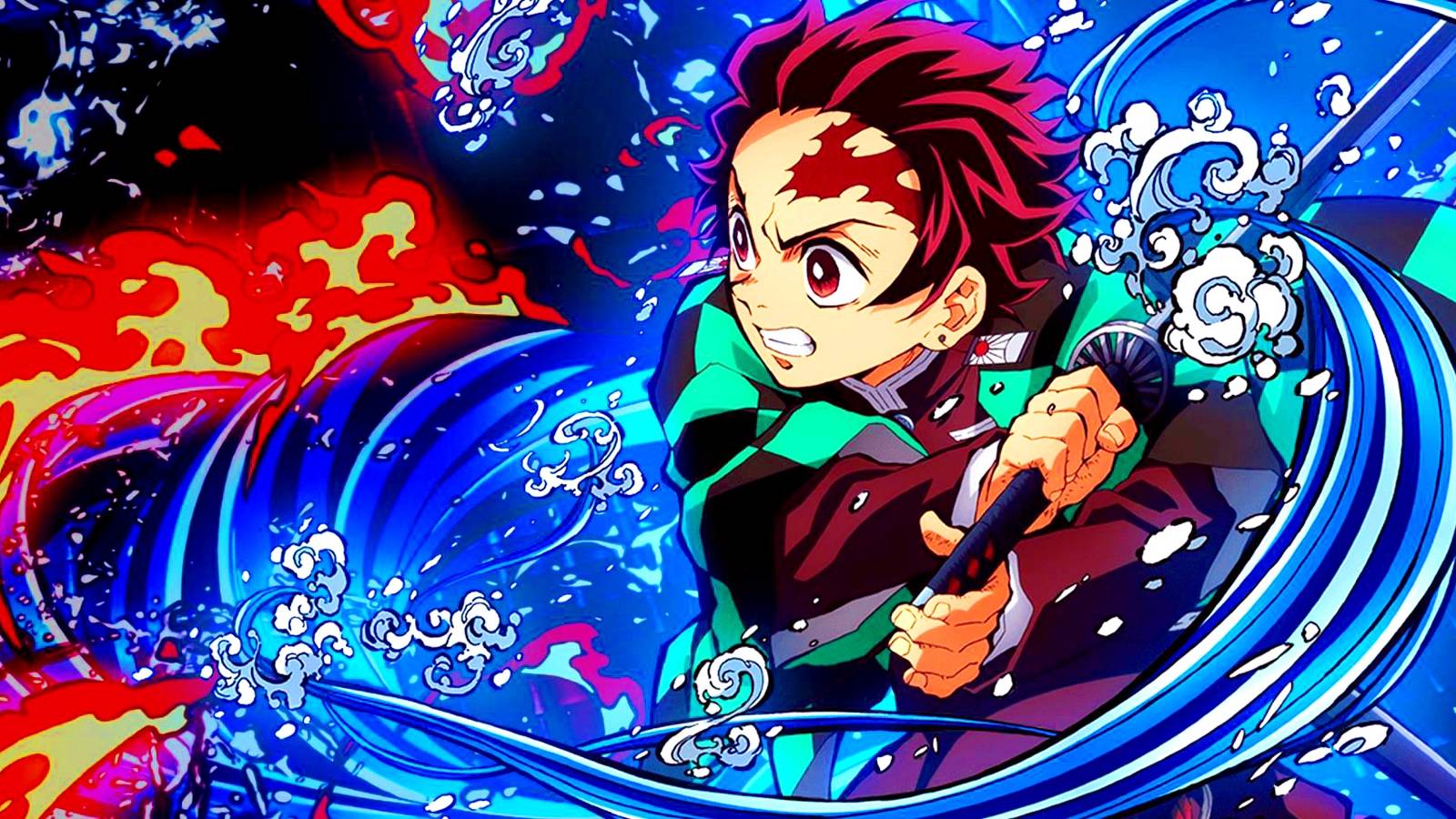
- Tanjiro executes a stunning, beautifully animated final move to finish the fight.
Simplicity in Protagonist and Antagonist Motivation
The main cast is another area of contention for people who argue Demon Slayer has a bad story. Tanjiro Kamado, while undeniably kind and dedicated, is often criticized for lacking complex moral flaws or internal conflict beyond his initial goal to save Nezuko. His drive is pure and singular, which, for some, makes him less compelling than protagonists who struggle with darker impulses or more complicated goals, especially in the modern era of shonen anime.
The villains—the demons—also frequently draw criticism. The Upper and Lower Rank demons often rely on a simple, albeit powerful, framework: they are tragic victims whose descent into monstrosity is explained by a rushed, emotional flashback sequence right before they die. While these moments are moving, critics argue that they do little to flesh out the demons as active, deeply menacing threats within the larger narrative, especially for an anime-only perspective that hasn't experienced the full scope of their power or backstory yet. Muzan Kibutsuji himself, the primary antagonist, has motivations that are often boiled down to simple immortality and survival, which some find underwhelming for a final boss.
Pacing, Focus, and the Spectacle of Animation
For an anime of its fame, some viewers find the plot moves surprisingly slow when measured by pure narrative progress. The runtime is frequently dominated by breathtaking fight sequences and extended emotional beats. Critics suggest that the narrative itself takes a backseat to the visual spectacle, meaning the actual plot density—the amount of world-building, lore, or character progress per episode—is lower than in shows with less spectacular but more dense storytelling. This critique posits that the show is essentially a demonstration of Ufotable's talent, rather than a narrative triumph.
 Also ReadThe Blue Spider Lily: Muzan's Obsession in Demon Slayer
Ultimately, when trying to understand Why do People say Demon Slayer has a bad story(Anime Only), it comes down to a clash of expectations. Is the series a visually stunning, emotionally resonant story of a boy's quest for family and revenge, or is it a masterpiece of complex narrative structure? It can be both, but for those who value originality and narrative complexity above all else, the straightforward nature of the Demon Slayer story can sometimes feel like a weakness. However, it's this accessibility and focus on pure, high-quality execution that has made it one of the greatest gateway anime of all time.





format(webp))














// Comments