
Introduction to the Ben 10 Franchise Legacy
Since its debut in 2005, Ben 10 has established itself as one of the most successful and enduring franchises in Cartoon Network history. What began as a simple story about a boy finding a watch from outer space evolved into a sprawling multi-series epic that spans decades, dimensions, and generations of fans. The ben 10 evolution over years is a fascinating study in how a brand can adapt to changing tastes while maintaining its core identity. With a legacy built on a unique mixture of superhero action, alien mythology, and relatable family dynamics, the franchise has remained a staple of pop culture, constantly reinventing itself through various eras of ben 10 series progression.
 Also ReadWhere to Watch Ben 10 for Free Legally in 2026
Series Progression from Classic to the 2016 Reboot
The journey of Ben 10 is marked by several distinct phases that define the ben 10 series progression. Each era brought a new focus and a different way of looking at the universe:
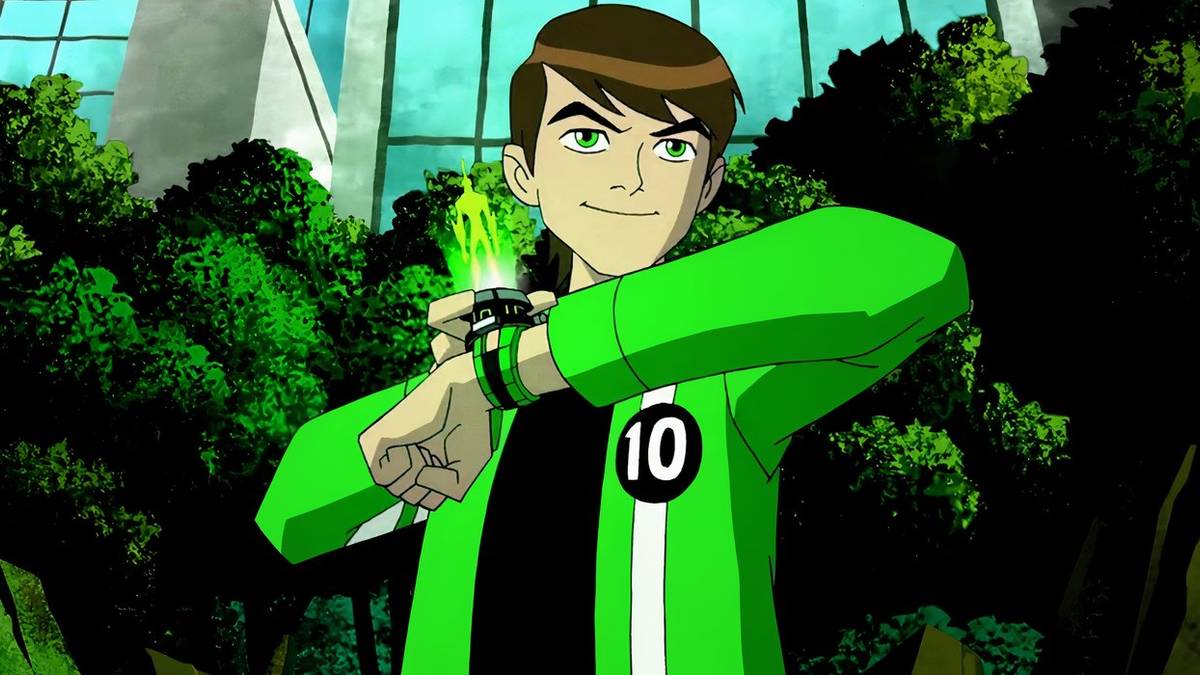
- The Classic Era (2005-2008): Introduced a 10-year-old Ben Tennyson on a summer road trip, setting the foundation for the entire lore.
- Alien Force (2008-2010): Aged Ben to 15, introducing a darker tone and a more serialized approach to storytelling.
- Ultimate Alien (2010-2012): Continued the teenage narrative, introducing the Ultimatrix and evolving existing alien forms.
- Omniverse (2012-2014): Balanced the past and present, featuring both 11-year-old and 16-year-old Ben with a massive expansion of the alien roster.
- The Reboot (2016-2021): Reimagined the franchise for a new generation, returning to Ben's childhood with a fresh continuity.
Evolution of Ben Tennyson's Character Over the Years
Central to the ben 10 evolution over years is the growth of Ben Tennyson himself. In the original series, Ben is a cocky, somewhat immature 10-year-old who views the Omnitrix as a toy for his own amusement. By the time of Alien Force and Ultimate Alien, we see a Ben who has matured into a responsible leader, burdened by the weight of being the galaxy's primary protector. His character arc explores the complexities of fame, the ethics of power, and the importance of teamwork. Even in Omniverse and the 2016 Reboot, while the tones differ, the core of Ben’s character—his bravery and his "hero time" spirit—remains the constant through-line that connects every version of the show.
 Also ReadBen 10 Timeline & Chronological Order Explained
Analysis of Art Style Changes and Animation Quality
Perhaps the most debated aspect of the franchise is the ben 10 art style changes. The original 2005 series featured a detailed, comic-book-inspired look with heavy shadows and realistic proportions. Alien Force and Ultimate Alien streamlined this, adopting a cleaner, more traditional superhero animation style. However, the most drastic shift occurred in Omniverse, which utilized a stylized, vibrant, and more fluid art style designed by Derrick J. Wyatt. This shift allowed for more creative alien designs and kinetic action sequences. The 2016 Reboot further simplified the aesthetic, moving toward a brighter, more "squash and stretch" animation style common in modern children's programming. Each change reflects the industry trends of its time while attempting to keep the visuals fresh.
Shift in Tone and Narrative Maturity Throughout the Eras
The narrative tone of Ben 10 has fluctuated significantly as part of the ben 10 series progression. The original series was an episodic action-comedy with dark undertones. Alien Force took a leap into young adult territory, dealing with themes of loss, sacrifice, and complex alien politics. Ultimate Alien continued this trend, while Omniverse sought a "middle ground" by mixing the maturity of the teen years with the whimsical humor of the original. The Reboot took the franchise back to a more lighthearted, comedic focus, emphasizing shorter, faster-paced episodes. This constant shifting has allowed the franchise to appeal to various age groups over the last two decades.
Expansion of the Omnitrix Lore and Alien Database
As the show evolved, so did its central gimmick. The Omnitrix started as a simple transformation device with ten aliens. Over time, the lore expanded to include the Ultimatrix (evolution), the Biomnitrix (fusion), and even the Omni-Kix technology in the reboot. The alien database grew from ten iconic forms to over sixty distinct species, each with its own homeworld, culture, and biology. This world-building is a cornerstone of the ben 10 evolution over years, turning a simple superhero premise into a vast science-fiction universe that rivals major cinematic franchises.
Conclusion on the Continued Popularity of the Series
The enduring success of Ben 10 lies in its ability to change. By embracing ben 10 art style changes and varying its narrative maturity, the series has managed to stay relevant across twenty years of television history. Whether fans prefer the gritty action of the teenage years or the fun-filled adventures of the classic era, the franchise’s commitment to imagination and heroics ensures that it will continue to be a beloved part of Cartoon Network's legacy for years to come. The evolution of Ben 10 is far from over, as new generations continue to discover that it is always "hero time."

















// Comments