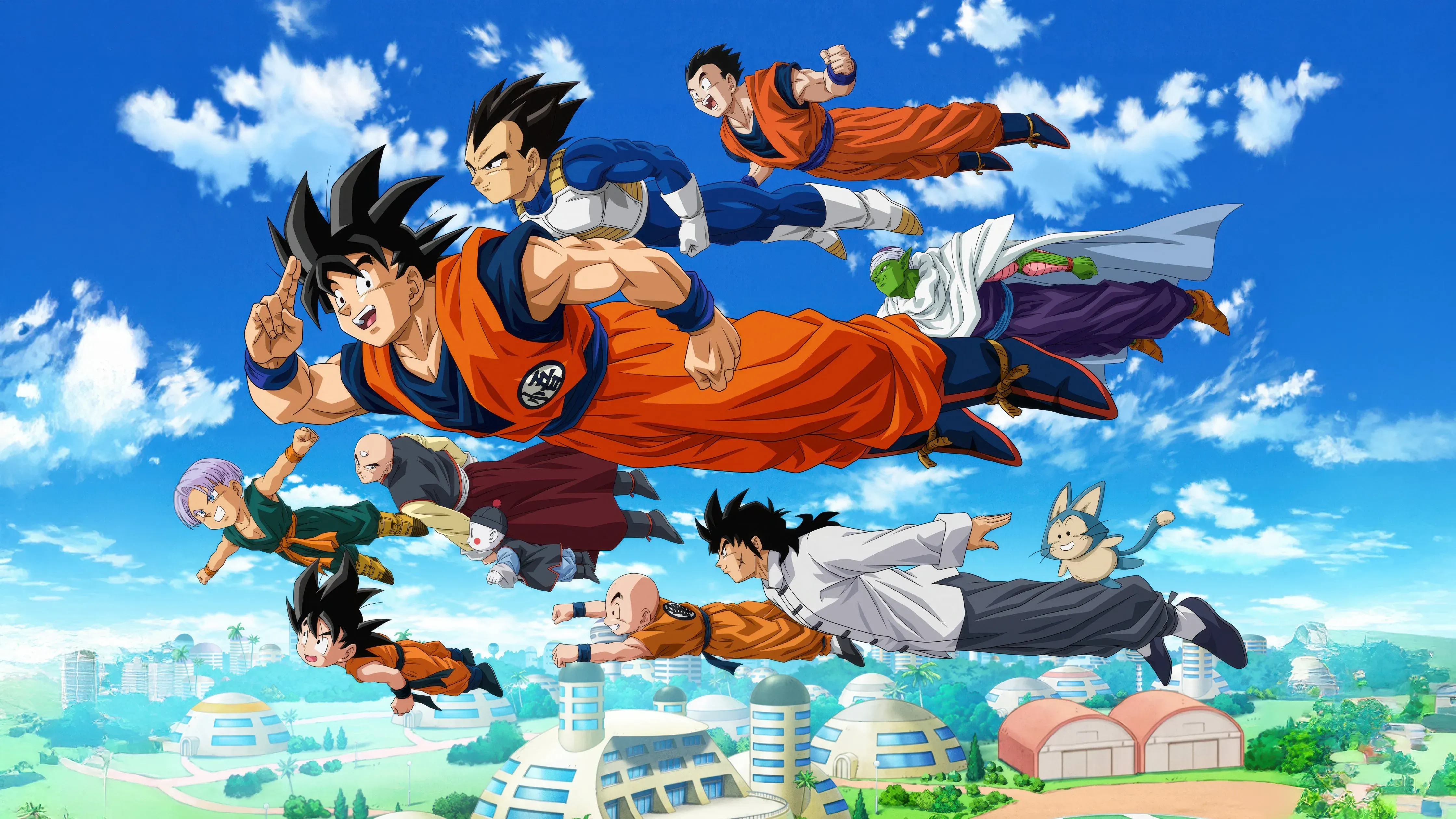
Introduction to the Official Dragon Ball Canon
For decades, Dragon Ball has stood as a pillar of the anime world, captivating millions with its tales of Saiyan warriors and mystical orbs. However, with multiple TV series, dozens of movies, and various spin-offs, fans often find themselves asking: what actually counts? Establishing the Official Dragon Ball canon is essential for understanding the true trajectory of Goku’s journey. This guide serves to clarify the official narrative, separating the core story from the "what-if" scenarios and side projects that have emerged over the years.
 Also ReadSailor Moon Heads Back to Christie’s NY Auction October After $89K Sale
Understanding Canon vs. Non-Canon in Dragon Ball

In the context of this franchise, "canon" typically refers to the material directly created or heavily supervised by the original author, Akira Toriyama. Differentiating between Dragon Ball canon vs non-canon is crucial because many beloved projects do not impact the main storyline. For example, while the 13 original Dragon Ball Z movies and the Dragon Ball GT series are officially licensed products, they are generally viewed as "side stories" or alternate dimensions that do not exist within the primary timeline of the manga. Canon material forms a single, cohesive history, whereas non-canon material exists for entertainment without affecting the main plot’s future.
The Definitive Dragon Ball Series Timeline Guide
To navigate this massive universe, following a Dragon Ball timeline guide is the best way to ensure you are watching the story in its intended order. The official timeline begins with the original Dragon Ball manga (covering Goku’s childhood), followed by the events of Dragon Ball Z (or the streamlined Dragon Ball Z Kai). Crucially, Dragon Ball Super takes place during the ten-year gap between the defeat of Kid Buu and the "End of Z" epilogue. Recently, Dragon Ball Daima has also been introduced into the chronology, fitting between the Buu saga and Super, further expanding the official lore.
 Also ReadMost Viewed Anime of All Time?
Official Dragon Ball Saga List: From Classic to Z
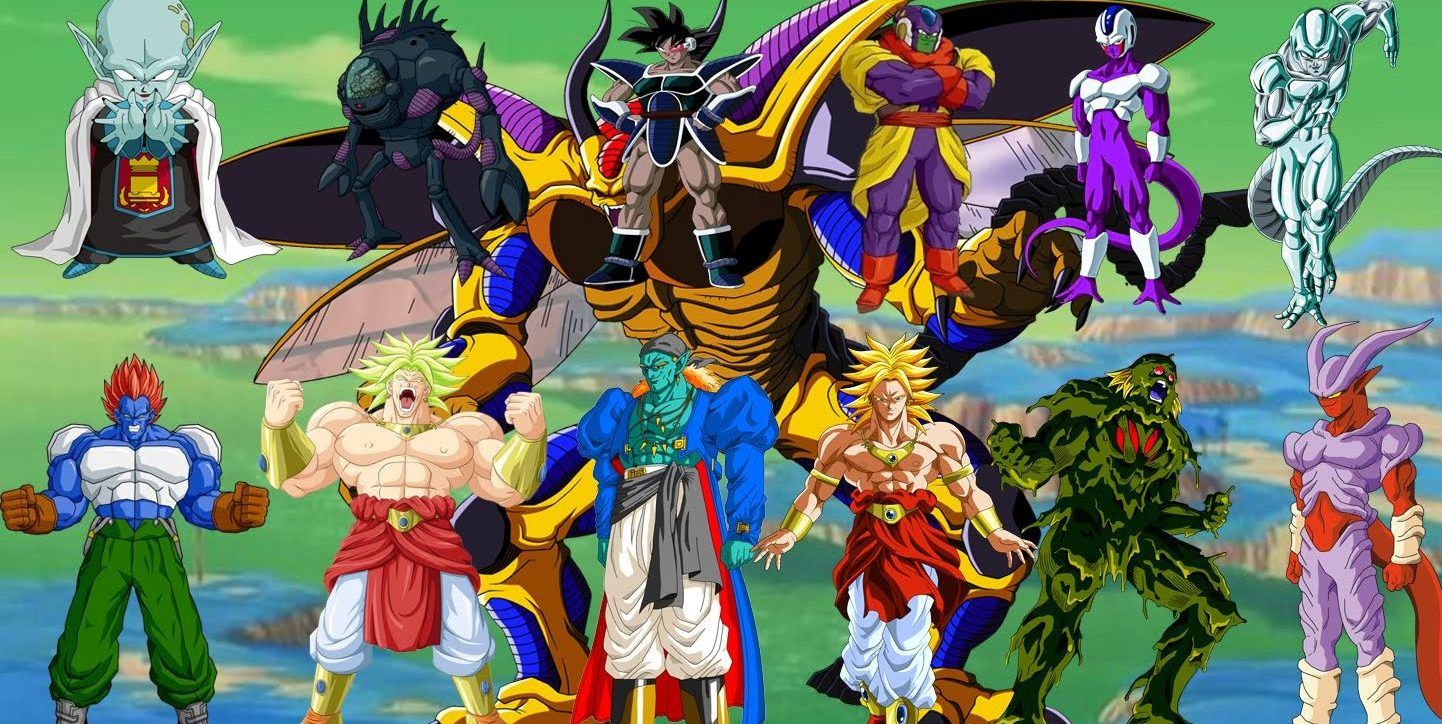
The core of the franchise is defined by a specific set of story arcs. Here is a breakdown of the Dragon Ball official saga list that constitutes the primary canon from the beginning through the end of the Z era:
- The Early Years: Includes the Emperor Pilaf, Red Ribbon Army, and King Piccolo sagas, where Goku grows from a boy into Earth's greatest defender.
- The Saiyan Saga: The introduction of Raditz and Vegeta, revealing Goku’s extraterrestrial heritage.
- The Frieza Saga: The journey to Planet Namek and the iconic transformation into a Super Saiyan.
- The Cell Saga: The arrival of Future Trunks and the battle against the ultimate Bio-Android.
- The Majin Buu Saga: The final threat of the original manga, featuring fusions and the ultimate sacrifice to save the universe.
Dragon Ball Super Canon Status and Sagas Explained
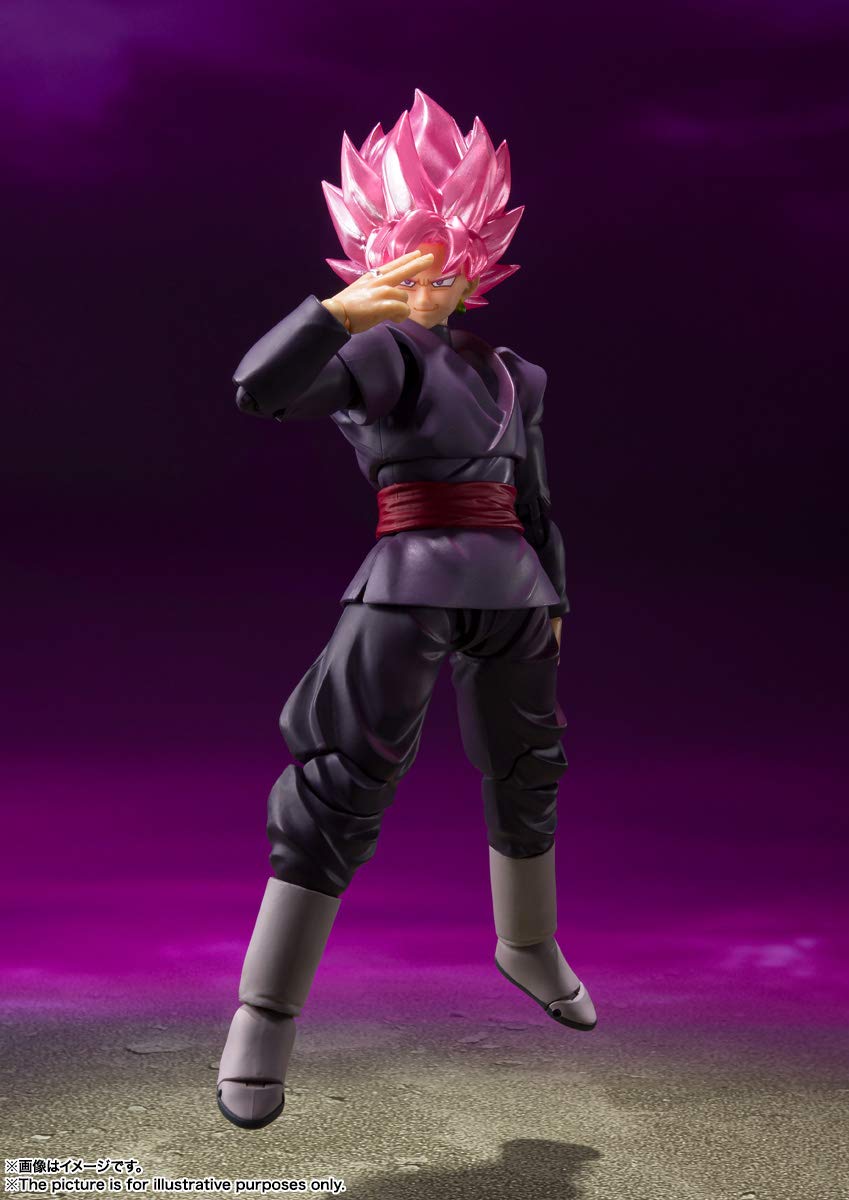
When discussing the modern era, the Dragon Ball Super canon status is indisputable. Unlike GT, Super was developed based on story outlines provided by Akira Toriyama. It introduces the multiverse and divine beings like Beerus and Whis. The Dragon Ball series sagas explained within Super include the Battle of Gods, Resurrection 'F', the Universe 6 Tournament, the "Future" Trunks/Goku Black arc, and the massive Tournament of Power. Additionally, the films "Dragon Ball Super: Broly" and "Dragon Ball Super: Super Hero" are officially part of this continuity, bringing previously non-canon concepts like Broly and Gogeta into the main fold.
How to Follow the Official Dragon Ball Storyline
If you want to experience the story without the confusion of filler or alternate realities, follow these steps. Start with the original 42 volumes of the manga or the Dragon Ball and Dragon Ball Z Kai anime series. From there, move directly to Dragon Ball Super (both the anime and the ongoing manga). While spin-offs like Super Dragon Ball Heroes or video games like Xenoverse offer fun multiversal "what-if" scenarios, they should be viewed as separate from the official Dragon Ball storyline. Sticking to the works authored or outlined by Toriyama ensures you stay on the "Main Timeline."
Conclusion: The Future of Dragon Ball Canon
The landscape of the Dragon Ball universe continues to evolve. While technical "canon" usually refers to the manga's continuity, creators like Toyotaro have suggested that every piece of media holds its own value within a vast multiverse. However, for the sake of consistency, the official Dragon Ball canon remains the gold standard for lore discussions. As new projects like Dragon Ball Daima and future manga chapters emerge, the series continues to prove that Goku’s legend is far from over, offering fans a rich, interconnected world to explore for years to come.















// Comments