The Evolution of the Frame Arms Anime
The world of mecha is vast, but few franchises have bridged the gap between hobbyist model building and animated storytelling as effectively as Frame Arms. Originally launched by the Japanese powerhouse Kotobukiya in 2009, this line of customizable robot models changed the game by introducing a universal internal "Architect" frame.
While many fans initially came for the high-quality Kotobukiya model kits, the demand for a narrative world grew rapidly. This eventually led to the creation of the Frame Arms anime universe, which took a unique turn that many fans didn't see coming.
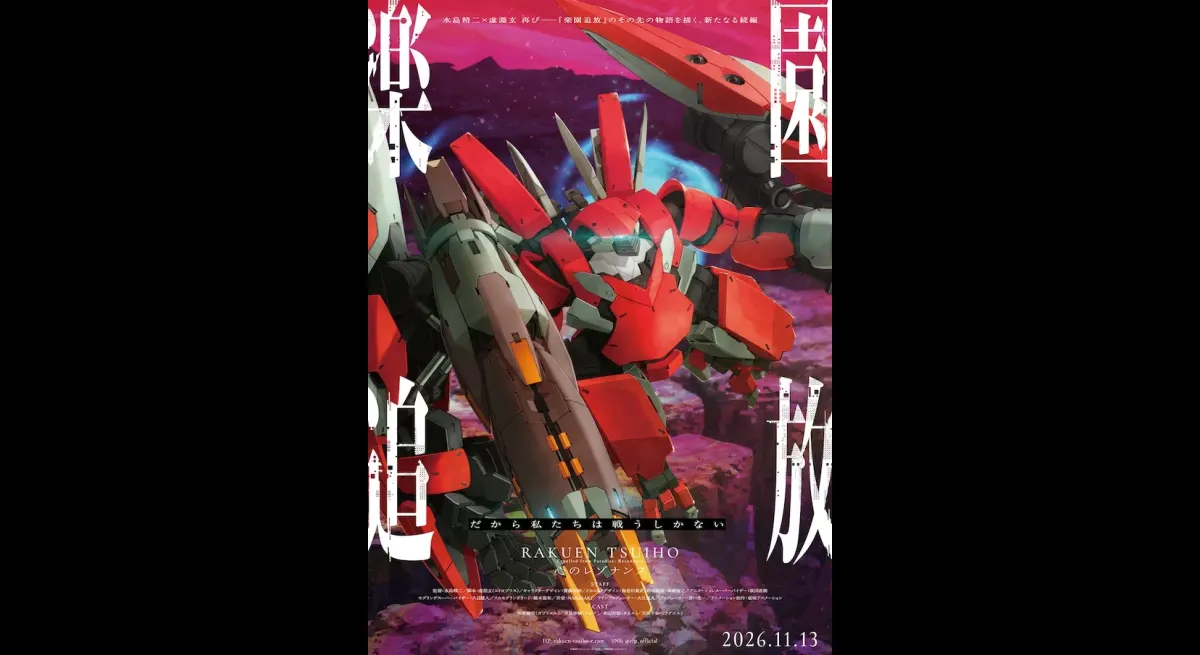 Also ReadNew PV & KV Released for Frame Arms
Understanding the Frame Arms Lore and Backstory
Unlike many mecha series that start with a TV show, the Frame Arms lore and backstory began in the instruction manuals of the kits themselves. The setting is a future Earth where "Frame Arms" are versatile, human-sized or larger combat robots used for both industrial work and warfare.
Units like the XFA-CnB Bergflinker showcase the peak of this mechanical design. These machines are not just tools; they are modular masterpieces. In the "main" timeline, the story is often a gritty, military-focused affair involving competing factions and evolving AI technology.
The Shift to Frame Arms Girl
In 2017, the franchise took a massive leap into mainstream media with the Frame Arms Girl series. This was a departure from the traditional military mecha aesthetic. Instead of giant piloted robots, the anime focused on "Gourai," a small, sentient robot girl who lives with a human high schooler named Ao Gennai.
This series successfully blended the plastic model kit hobby with the "slice-of-life" and "battle girl" genres. It emphasized the joy of building, customizing, and "charging" these small mechanical companions. For many, this is the definitive version of the Frame Arms anime.
Why Collectors Love Kotobukiya Model Kits
The success of the anime is inseparable from the quality of the physical products. Kotobukiya model kits are famous for their "mechanical" feel. Unlike their competitors, Frame Arms kits use a 3mm connection point system, making them incredibly modular.
- Customization: You can swap limbs between a heavy tank-like mech and a high-speed flyer.
- Detail: The kits often feature intricate parts that don't require glue.
- Scale: Most kits are 1/100 scale, making them perfect for shelf display.
For those looking for mecha anime recommendations, the Frame Arms Girl series provides a meta-commentary on the hobby itself, showing characters literally building the kits that viewers can buy in real life.
Frame Arms vs Frame Arms Girl: What’s the Difference?
It is easy to get confused between the two branches of the franchise. When discussing Frame Arms vs Frame Arms Girl, the distinction lies in the "pilot" and the "purpose."
- Frame Arms (The Original): Focuses on unmanned or piloted military robots. The aesthetic is "Real Robot," similar to Armored Core or Gundam.
- Frame Arms Girl: Focuses on anthropomorphic mecha girls. The aesthetic is "Moe," blending cute character designs with heavy weaponry.
Despite the differences, both share the same mecha design trends: sharp angles, heavy boosters, and a focus on interchangeable weaponry. For example, the weapon systems used by the XFA-CnB Bergflinker are often compatible with the Frame Arms Girl figures.
The Future of the Franchise
As we look at current mecha design trends, the influence of Frame Arms is everywhere. The franchise has expanded into movies, such as Frame Arms Girl: Kyakkya Popyapa Passion!, and continues to collaborate with other legendary designers like Kunio Okawara.
Whether you are a seasoned "modeler" or a casual anime fan, the Frame Arms anime offers a gateway into a world where creativity is the greatest weapon.


format(webp))







// Comments