
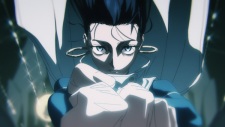
Introduction to Jujutsu Kaisen's Impact
Since its serialization began, Jujutsu Kaisen (JJK) has evolved from a popular manga into a global cultural phenomenon. The JJK influence is felt across every corner of the anime community, bridging the gap between traditional battle manga and a more mature, visceral style of storytelling. By centering on the concept of cursed energy born from human negativity, the series provided a fresh lens through which to view supernatural conflicts. Its meteoric rise has not only boosted Shonen Jump’s readership but has also set a new standard for what fans expect from high-stakes action and character development in the 21st century.
 Also ReadSukuna's World-Cutting Slash Explained
Gege Akutami’s Unique Approach to Storytelling
At the heart of this success is Gege Akutami, an author whose narrative voice is distinct and unapologetic. Akutami’s writing style is characterized by its lean, fast-paced progression and a refusal to rely on traditional plot armor. Unlike many of their predecessors, Gege Akutami treats the world of jujutsu as a professional, often corporate-like environment where death is a constant, logical consequence rather than a dramatic rarity. This clinical yet emotionally resonant approach to loss and victory has captivated audiences who crave stories that feel grounded in their own internal logic, no matter how fantastical the setting may be.
Redefining the Dark Shonen Genre
Jujutsu Kaisen is often cited as a leader in the "dark shonen" trinity, alongside series like Chainsaw Man and Hell’s Paradise. It redefines the genre by embracing horror elements and existential dread. The JJK influence on the genre is evident in how it handles its antagonists; curses aren't just monsters, they are embodiments of specific human fears. This thematic depth elevates the fights from simple physical contests to ideological battles. Key aspects that define this new dark shonen era include:
- High-stakes consequences where major characters can and do die unexpectedly.
- A complex power system that rewards tactical ingenuity over raw emotional outbursts.
- A focus on the psychological toll that violence takes on young protagonists.
- Visually grotesque character designs that draw from traditional body horror.
 Also ReadThe Mahoraga Ritual Rules Explained
Subverting Modern Anime Tropes
One of the most praised aspects of the series is how it handles modern anime tropes. Akutami frequently sets up familiar scenarios only to tear them down or flip them on their head. For instance, the "mentor" figure, Satoru Gojo, is so overwhelmingly powerful that his presence actually creates more problems for the protagonists than it solves, leading to his eventual removal from the board. Similarly, female characters like Nobara Kugisaki and Maki Zenin are written with agency and strength that bypasses typical "damsel in distress" or "support role" cliches. By subverting these expectations, JJK keeps the audience in a state of constant surprise, ensuring that the narrative never feels formulaic.
JJK Influence on the Next Generation of Manga
The success of Jujutsu Kaisen has opened doors for more experimental and mature themes within the Shonen Jump magazine. We are already seeing the JJK influence in newer titles that prioritize complex world-building and moral ambiguity. Young artists and writers are moving away from the "power of friendship" as a primary resolution, opting instead for the intricate strategy and grim realism popularized by Gege Akutami. This shift suggests a permanent change in the demographic's taste, favoring intellectual engagement alongside spectacular animation and art.
Conclusion: The Lasting Legacy of Jujutsu Kaisen
As the series moves toward its conclusion, its legacy as a pillar of modern shonen is already secured. Jujutsu Kaisen has successfully navigated the transition from a standard battle manga to a sophisticated exploration of human emotion and sacrifice. By mastering modern anime tropes while simultaneously subverting them, it has carved out a unique space in history. The JJK influence will likely be felt for decades to come, as it continues to inspire creators to embrace the darker, more complex sides of the human experience. For fans and creators alike, the world of curses has left an indelible mark on the future of Japanese storytelling.











// Comments