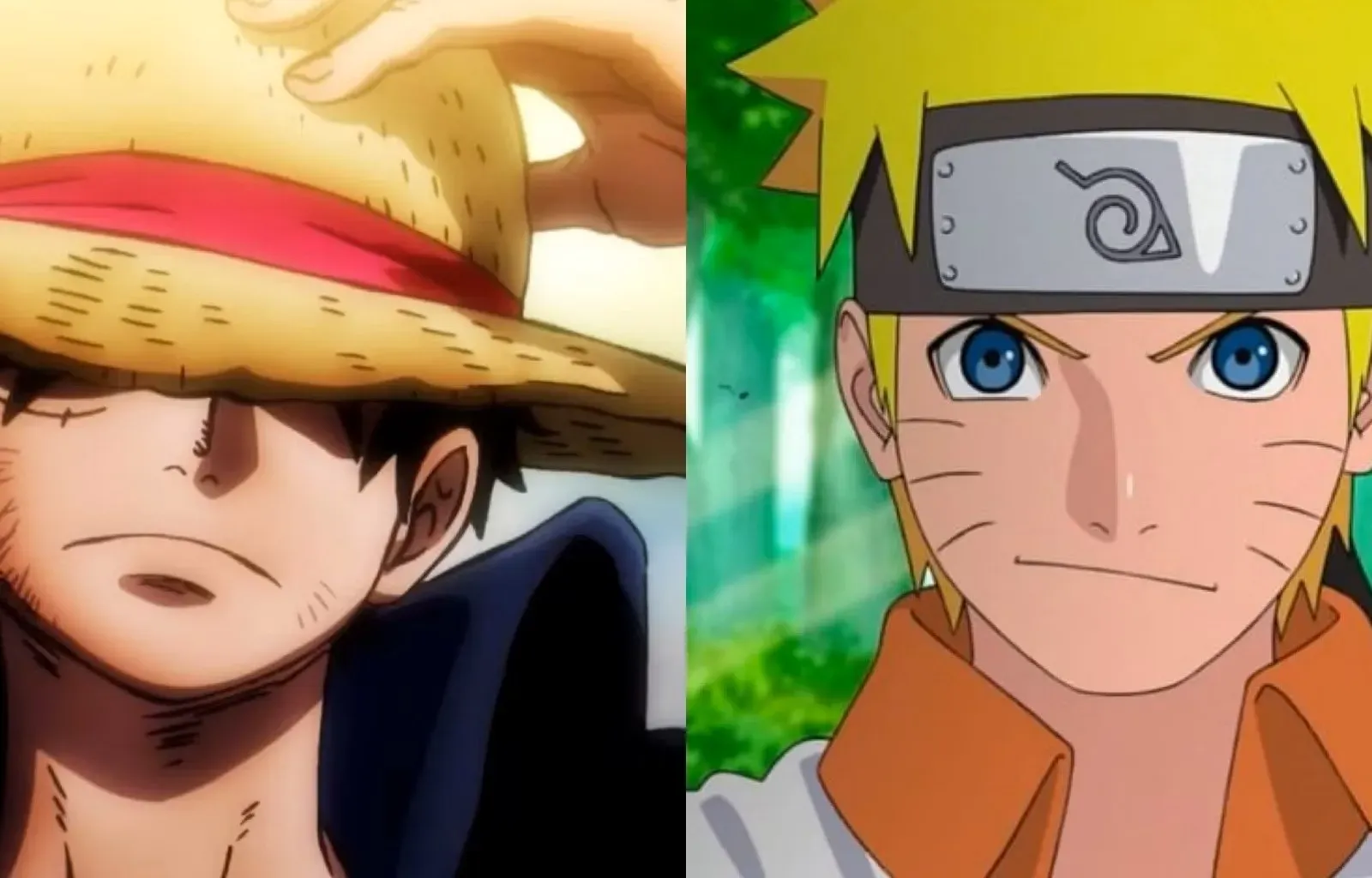

Ah, the age-old question for any fan of the legendary "Big Three" of Shonen Jump! You’ve hit on one of the most frustrating, yet defining, differences between these two titans: the sheer amount of extra, non-canon content. It's a fact that for anyone trying to watch straight through, dealing with the question of, "Why does Naruto have so much more filler than One Piece?" is absolutely essential. While both shows are incredibly long-running, the production teams took wildly different approaches to handling the source material.
The simple, core answer boils down to one thing: a production gap between the anime and the manga, and how each studio chose to manage it. Both Naruto and One Piece air weekly, meaning the anime production is always aggressively chasing the manga. When the gap between the animated episode and the source chapter becomes too small, the anime has to slow down, and that’s where the trouble begins.
Why Naruto Has So Much More Filler Than One Piece
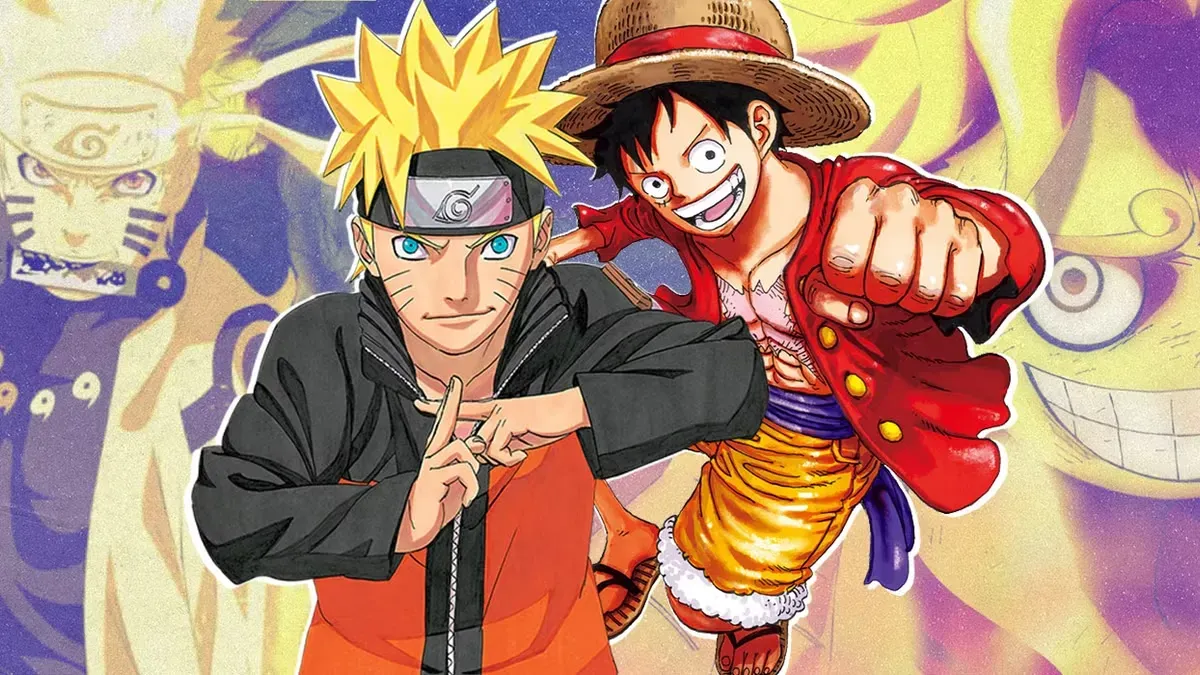
For Naruto (especially during the Shippuden era), Studio Pierrot’s main strategy to create distance from the manga was to stop the main storyline entirely and run massive, multi-episode, non-canon filler arcs. These arcs often lasted for months at a time, completely sidelining the main plot with extended flashbacks, alternate universe stories, or inconsequential side missions for the characters.
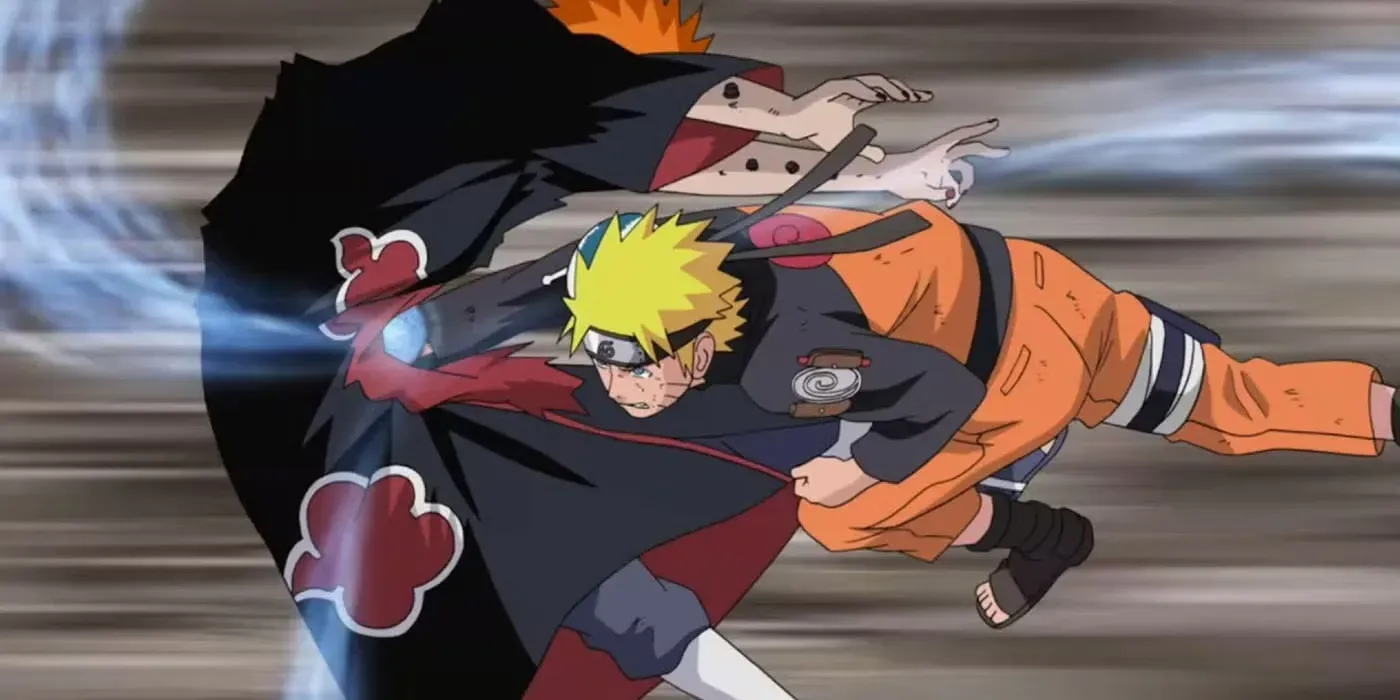 Also ReadNaruto vs Pain: Full Episode Breakdown & Attacks
The biggest reason for this strategy was likely to protect the integrity of the manga's story. By creating a huge buffer, the studio could ensure that once the main canon story returned, it could be adapted with minimal changes, even if it meant frustrating viewers with non-essential detours for long periods.
One Piece's Strategy: Stretching the Canon
One Piece and its animation studio, Toei Animation, adopted a nearly opposite strategy. Instead of stopping the main story for long filler breaks, they chose to significantly slow down the pacing of the canon material. You’ll often hear fans complain that an episode of One Piece only adapts half a chapter of the manga, or even less!
By stretching the canon content thin—adding extended reaction shots, padding out fight scenes, and sometimes even creating brief, isolated filler scenes within an otherwise canon episode—Toei manages to keep the anime moving forward without relying on massive, non-canon filler arcs. This keeps the story progressing, but introduces a different problem: notoriously slow pacing. The trade-off is a much lower official filler percentage.
Comparing the Approaches
 Also ReadYuichi Nakamura as Loki in "ONE PIECE": Elbaf Edition OP by Aina The End
If we look at the pure numbers, the difference is staggering and clearly illustrates the divergent production philosophies:
- Naruto and Naruto Shippuden combined have over 300 filler episodes, amounting to roughly 43% of the entire run.
- One Piece, despite having more total episodes, has a significantly lower filler rate, with only about 10% of its episodes being non-canon filler.
- Naruto opted for long-term story halts; One Piece chose perpetual slow pacing.
Ultimately, the reason Naruto has so much more filler than One Piece is a choice made by the production committees. Naruto's team prioritized adapting the canon material faithfully when they had enough distance, even if it meant hitting the brakes for a huge filler break. One Piece’s team prioritized keeping the canon story moving forward every week, even if it meant sacrificing the brisk pacing the manga is known for.
As a fan, both methods can be tough! Do you prefer to skip massive filler chunks in Naruto or power through the slower-paced, canon-stretching episodes of One Piece? It's a classic anime production conundrum, and understanding this key difference helps explain why both shows, for all their legendary status, handle their endless episode counts so differently.

format(webp))







// Comments