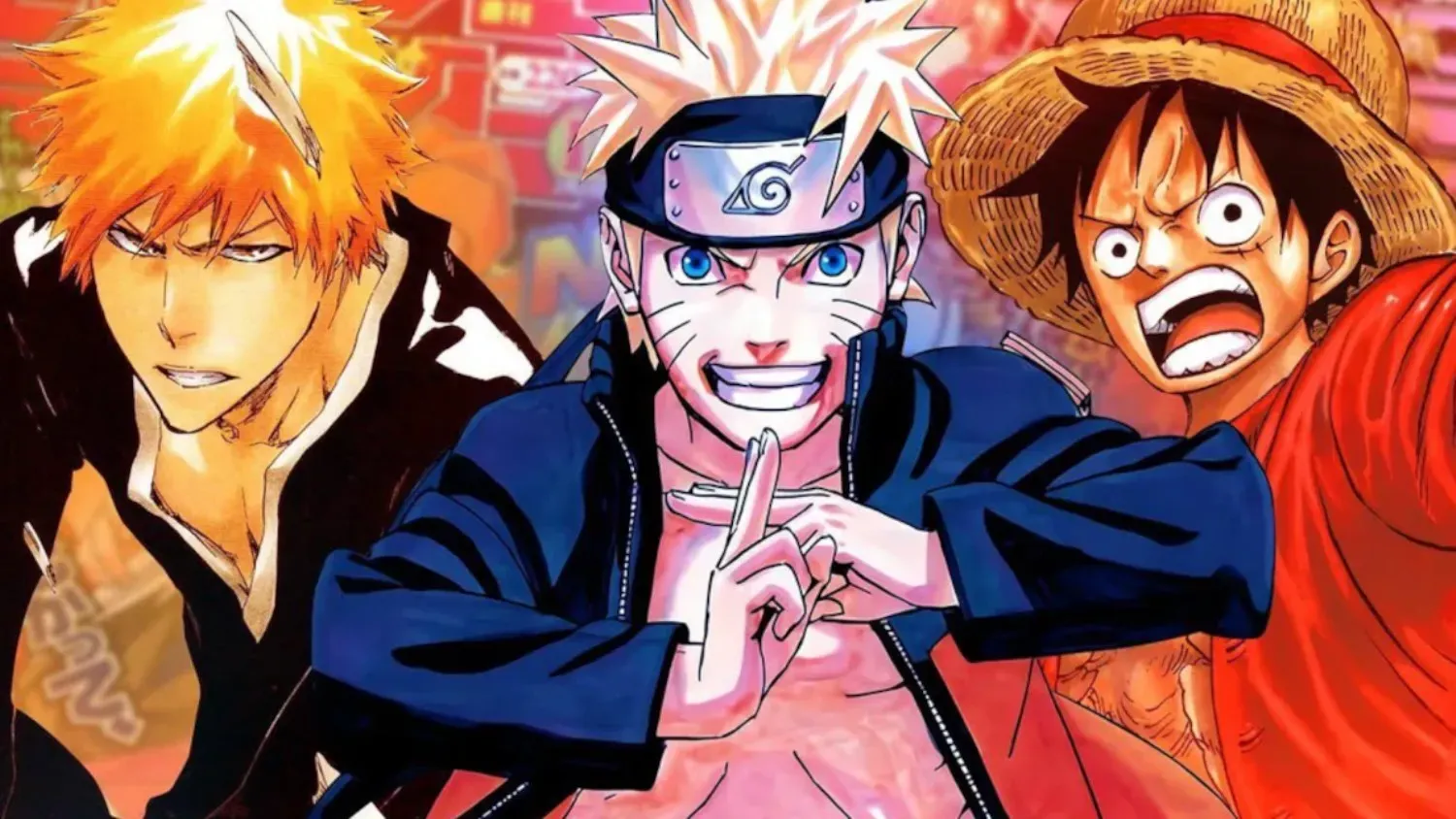

It is one of the greatest debates among the Big Three fandoms: why is it that beloved series like Naruto and Bleach seem to have an overwhelming amount of dedicated filler episodes, yet One Piece, the longest-running of the three, manages to maintain a comparatively tiny filler percentage? As fans, we often scratch our heads wondering about this massive difference. The truth is, the answer lies in the animation studios' contrasting strategies for a single, shared problem: preventing the weekly anime from catching up to its source material, the manga.
Why Does Naruto and Bleach Have So Much Filler and One Piece Doesn't?
The core issue for all long-running weekly shonen anime is maintaining a buffer between the anime production and the manga chapters. Both Naruto and Bleach filler content served this purpose, but their studios—Pierrot for Naruto and Bleach—chose to implement the stall tactic using massive, distinct filler arcs. For example, by the end of its run, Naruto and Naruto Shippuden had a staggering combined total of nearly 41% filler episodes, while Bleach had an even higher percentage, often cited around 45%.
The Naruto and Bleach Filler Approach: The Filler Arc
The studios behind Naruto and Bleach chose a "feast or famine" approach. When the anime was about to run out of manga content, they would hit the pause button on the main story and launch into an extended, non-canon filler arc, sometimes lasting for months or even over a year. The good news for fans was that the actual canon episodes often adapted 2 to 3 manga chapters, resulting in a fast, exciting pace for the main story. This made the non-canon episodes distinct and, critically, easy for purist fans to skip using a Naruto and Bleach filler list.
- Canon episodes maintained a relatively fast pace.
- Filler was grouped into large, distinct, and skippable arcs.
- The high percentage of non-canon content was due to these necessary, long stalling periods.
One Piece's Unique Solution: Internal Filler and Pacing
In stark contrast, One Piece boasts a surprisingly low filler episode count, typically hovering around 9% to 11% of its total run. So, how did Toei Animation achieve this miracle while still airing almost every single week since 1999? They essentially adopted a different strategy: instead of creating large filler arcs, they padded the canon content itself. This is why when you hear fans discuss the anime, the conversation often shifts from filler to One Piece’s pacing problem.
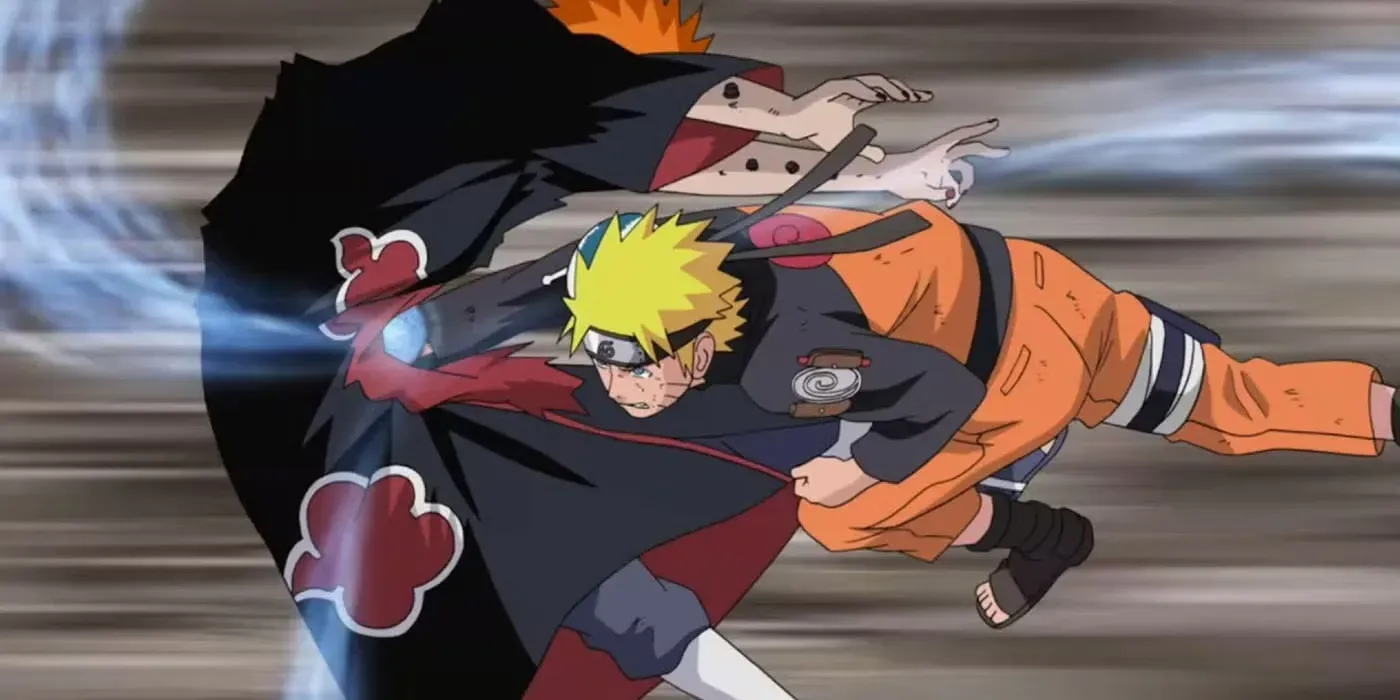 Also ReadNaruto vs Pain: Full Episode Breakdown & Attacks
The Trade-Off for Low Filler: The Pacing Monster
To avoid catching up to the manga, the One Piece anime slows the adaptation rate to a crawl. Where a Naruto or Bleach canon episode might cover multiple chapters, a modern One Piece episode often adapts one chapter or less of the manga. This creates what fans call "internal filler" or "padding" within the canon episodes. The animation studio uses various techniques to stretch the limited source material into a full 22-minute slot.
This pacing approach is why One Piece doesn't have so much filler in the traditional sense, but it comes at the cost of a much slower viewing experience:
- Excessive use of lengthy recap and opening sequences.
- Drawing out action scenes with extended slow motion.
- Adding lengthy reaction shots and character monologues not present in the original manga panels.
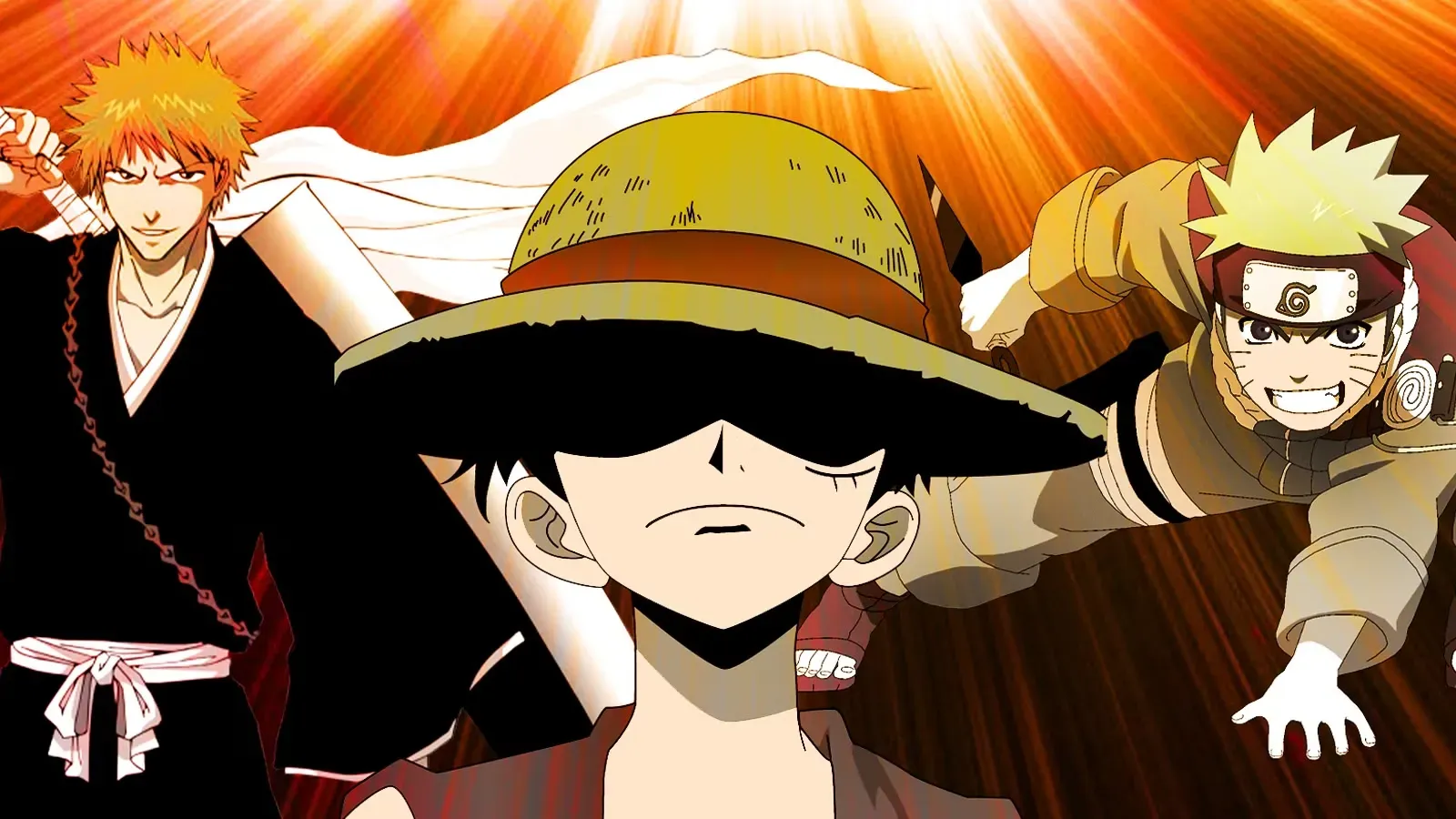
Ultimately, both anime production studios faced the same challenge: keeping the weekly flow going while the mangaka worked. Naruto and Bleach chose to give you fast, high-pacing canon episodes separated by large, slow, non-canon filler chunks. One Piece chose to make almost every episode a very slow, heavily padded cannon installment, essentially embedding the filler into the main story. Whether you prefer a few huge filler bumps or a constantly slow drive is purely a matter of personal preference!
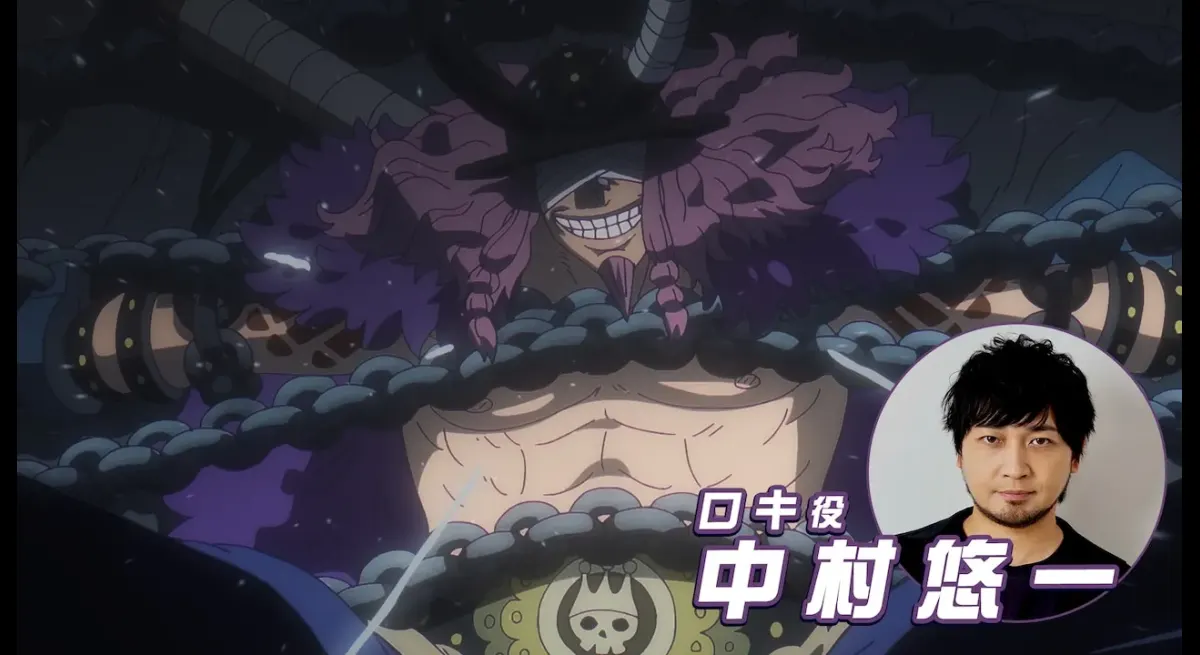 Also ReadYuichi Nakamura as Loki in "ONE PIECE": Elbaf Edition OP by Aina The End






// Comments