

Gear 5 Transformation
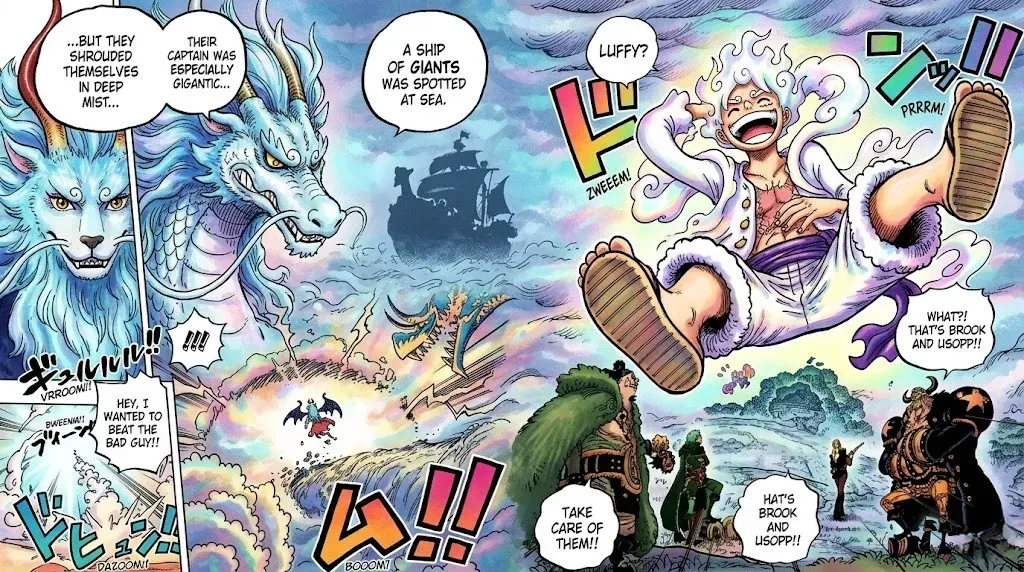
The Gear 5 transformation is arguably the pinnacle of One Piece animation. When Monkey D. Luffy finally awakened his Devil Fruit in the battle against Kaido, Toei Animation pulled out all the stops, bringing in legendary animators from around the world. This scene transitioned the series into a "Looney Tunes" inspired aesthetic, where the fluidity of movement and the sheer creativity of the frames redefined what fans expected from the weekly broadcast. The rubber-like physics and the vibrant, white-clad design of the Sun God Nika make it one of the best animated One Piece scenes to date, blending high-stakes drama with chaotic, joyful movement.
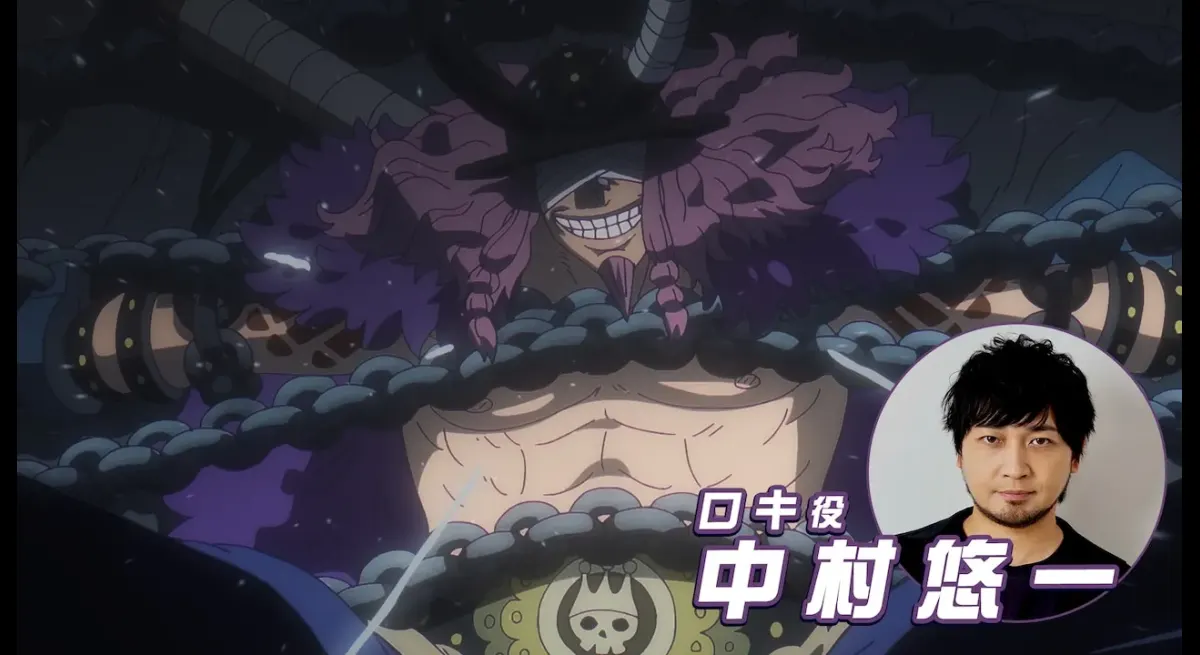 Also ReadYuichi Nakamura as Loki in "ONE PIECE": Elbaf Edition OP by Aina The End
Roof Piece (Episode 1015)
Episode 1015, directed by Megumi Ishitani, is frequently cited as a masterpiece of modern television. This episode, which covers the start of the rooftop battle between the Supernovas and the two Yonko, elevated One Piece animation to a cinematic level. The sequence where Luffy walks past Kaido and Big Mom to reach a fallen Kin'emon is laden with emotional weight and visual storytelling. The subsequent "Red Rock" punch was delivered with such impact, lighting, and internal detail that it set a new gold standard for the industry. The use of color and perspective in this episode transformed a manga chapter into an unforgettable audio-visual experience.
Luffy vs Katakuri
The climax of the Whole Cake Island arc featured a brutal, high-speed showdown that pushed the boundaries of the series' choreography. The fight between Luffy and Charlotte Katakuri is a standout for its consistent quality and the introduction of Snakeman. The animation captured the predictive nature of Future Sight through unique visual cues and distorted, high-velocity movements. The final exchange of blows is a masterclass in impact frames and fluid transition, ensuring that this duel remains a fan favorite when discussing the best animated One Piece scenes in the series' long history.
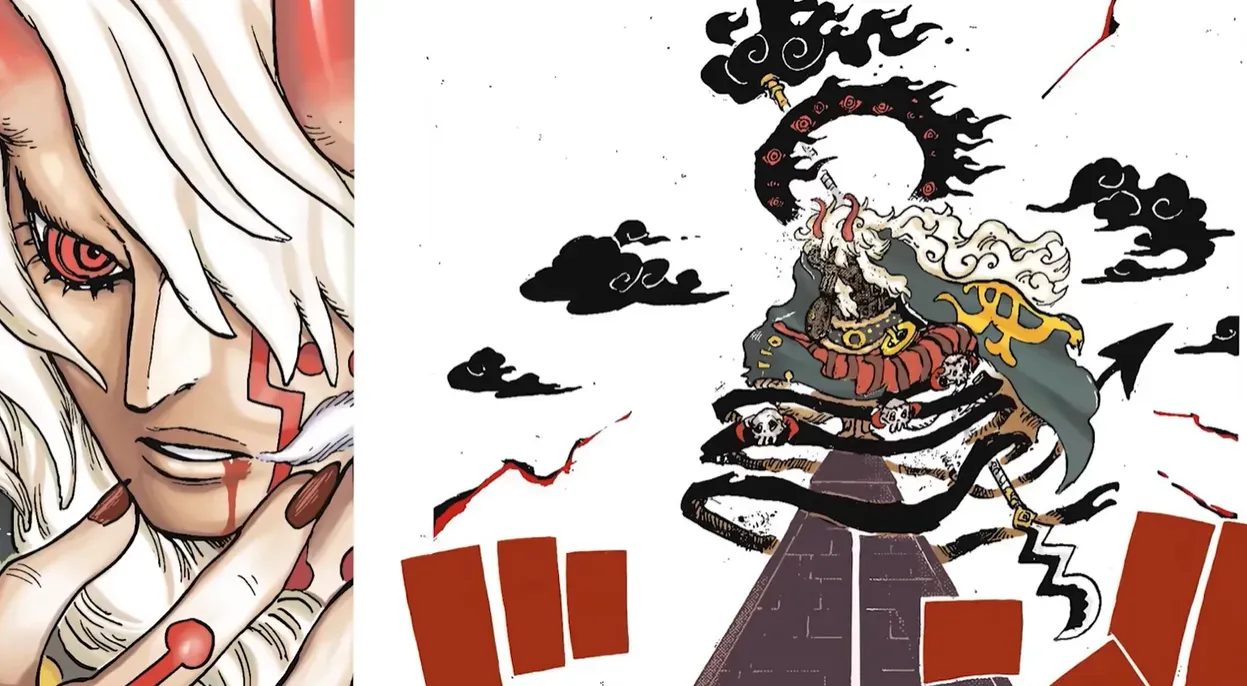 Also ReadOne Piece Chapter 1180 "Omen" Spoilers: Imu's God-Like Power Destroys Zoro & Sanji
Zoro vs King
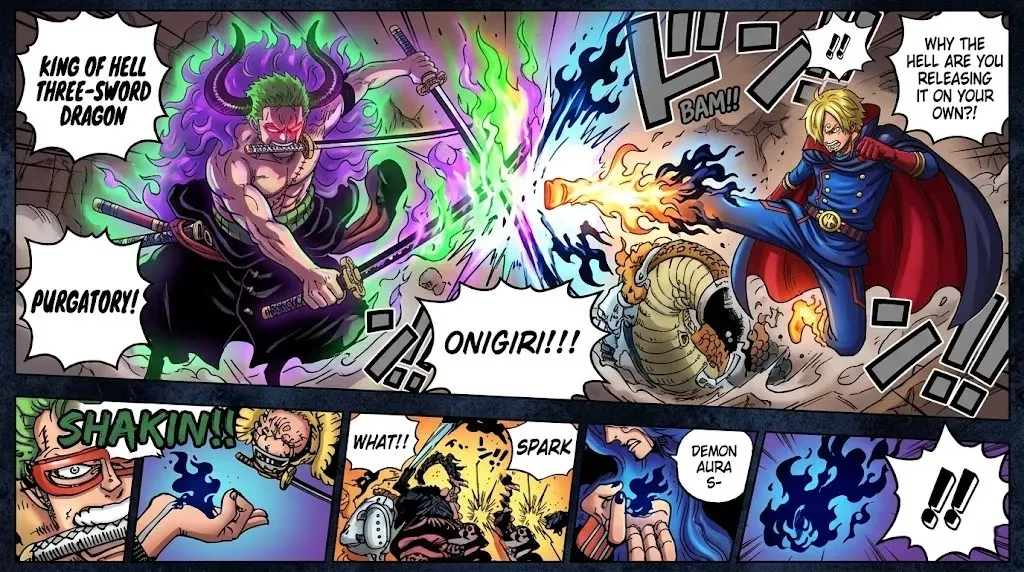
During the Wano Country climax, Roronoa Zoro’s battle against King the Wildfire received an incredible animation budget and talent pool. The sequence utilized "sakuga" techniques to showcase the sheer scale of King’s fire-based attacks and Zoro’s Haki-infused swordplay. The use of thick, traditional-style ink lines and explosive bursts of green and purple energy made every strike feel world-shaking. This fight proved that the production team could maintain incredible detail even during the most chaotic combat sequences, further cementing Wano as the era where One Piece animation reached its current peak.
Wano Art Style
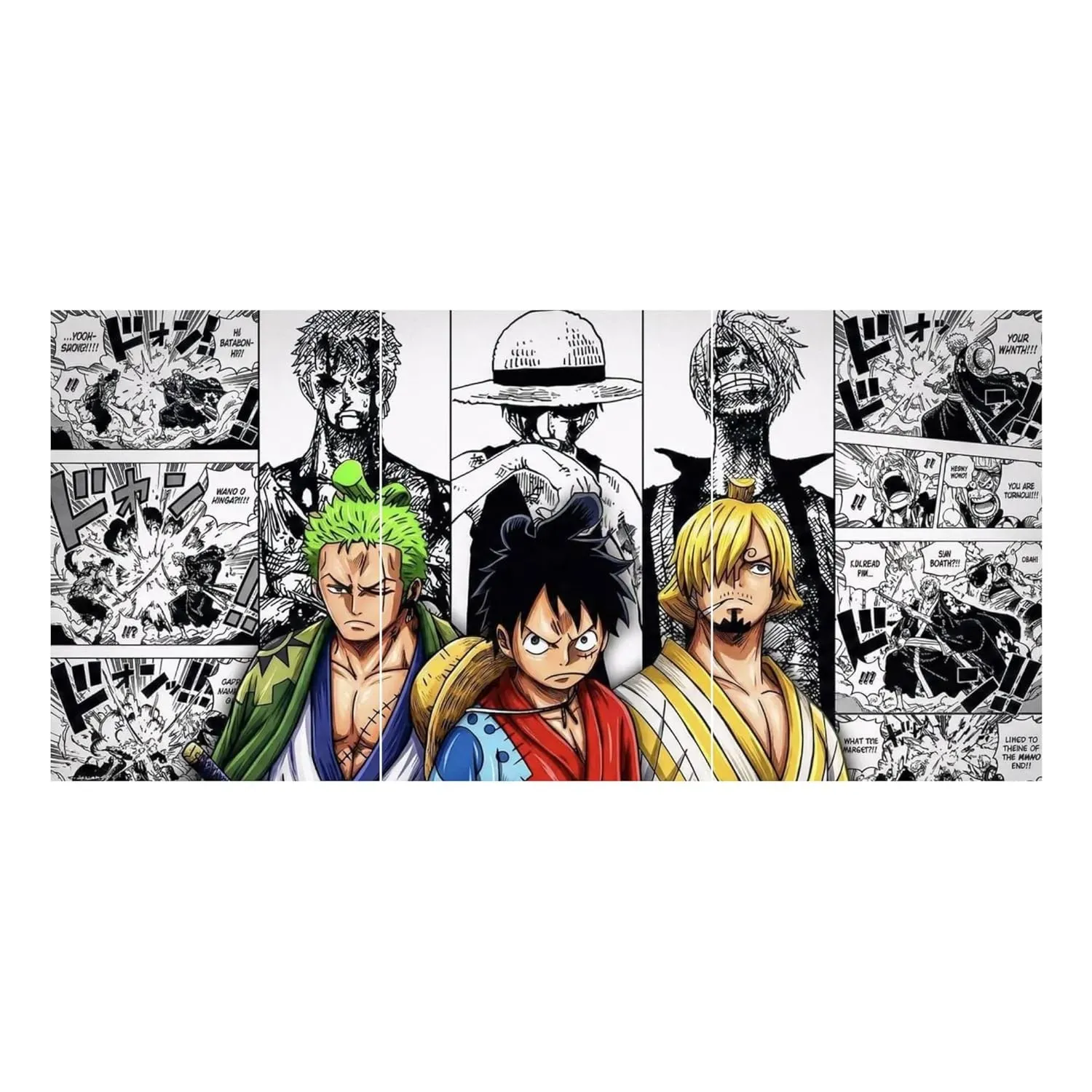
The transition to the Wano Country Arc brought a complete overhaul of the show's visual identity. Inspired by traditional Japanese ukiyo-e art, the Wano art style introduced thicker line art, more vibrant color palettes, and a dedicated focus on environmental detail. This shift was more than just a cosmetic change; it revitalized the entire production pipeline. Key highlights of this era include:
- Fluid Character Linework: Characters feel more dynamic and expressive, fitting the kabuki-inspired themes of the arc.
- Advanced Lighting Effects: The use of digital compositing for Haki and elemental attacks created a more modern, "glowy" aesthetic.
- Cinematic Direction: More frequent use of talented guest directors who brought unique storyboarding techniques to the weekly episodes.
This evolution ensured that even transitional episodes felt visually engaging, making the Wano arc the most consistently beautiful stretch of the anime.
FAQ
Which episode of One Piece has the best animation?
While subjective, Episode 1015 (Roof Piece) and Episode 1071/1072 (Gear 5) are widely considered to have the best animated One Piece scenes in the entire series due to their cinematic direction and high production values.
Why did One Piece animation get so much better in Wano?
The production team underwent a major shift, bringing in Tatsuya Nagamine as series director and adopting a new art style that allowed for more creative freedom and a higher standard of visual fidelity.
Who are the famous animators who worked on the Gear 5 scene?
The Gear 5 transformation featured contributions from world-renowned animators like Vincent Chansard, Akihiro Ota, and Weilin Zhang, who are known for their incredibly fluid and impactful styles.







// Comments