

Why the Change?
For over two decades, the One Piece anime has followed a traditional long-running weekly broadcast schedule. This model, common for "Big Three" shonen titles of the early 2000s, meant that episodes were produced and aired year-round without significant breaks. However, the modern industry has seen a massive shift toward a seasonal anime format. The primary driver for the One Piece seasonal format transition is the need to address the "pacing" issue. Because the anime was airing weekly, it often moved at a faster rate than the manga chapters written by Eiichiro Oda. To avoid overtaking the source material, the production had to slow down the story, often covering less than one manga chapter per episode or relying heavily on recap sequences. By switching to a seasonal structure, the anime can allow the manga to get further ahead, ensuring each episode has enough story depth to remain engaging.
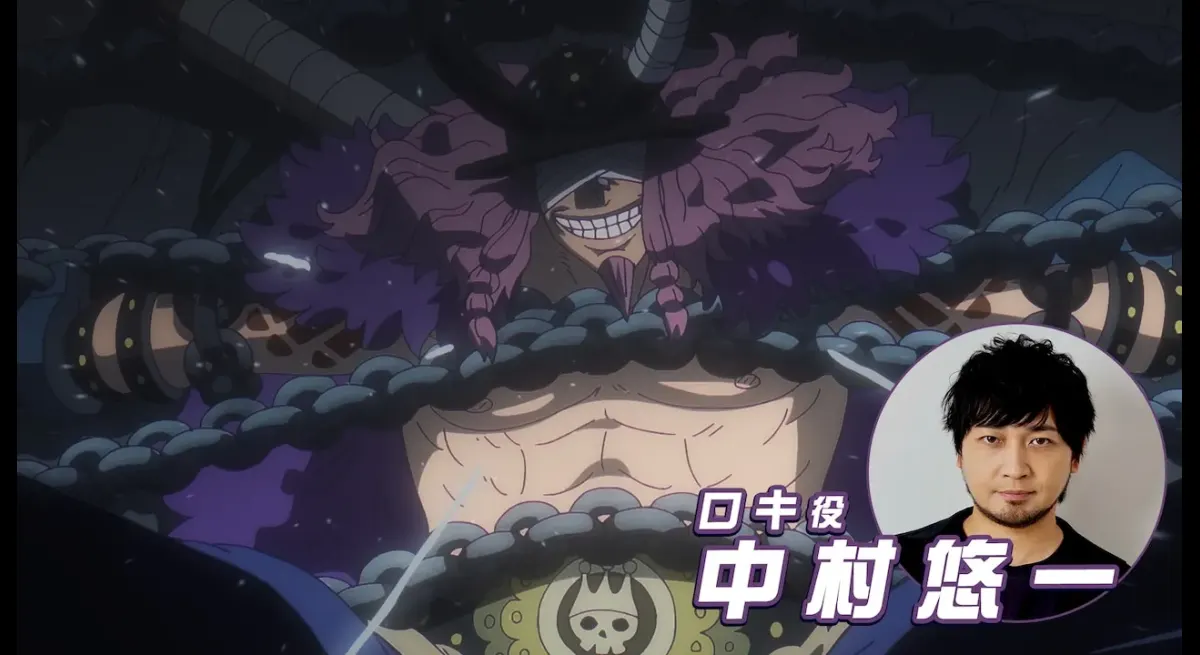 Also ReadYuichi Nakamura as Loki in "ONE PIECE": Elbaf Edition OP by Aina The End
Benefits of Seasonal
The move to a seasonal anime format change offers several transformative benefits for the series. Most notably, it allows for a significantly higher production value. When a studio isn't rushed to meet a 52-week-a-year deadline, they can dedicate more time to storyboarding, key animation, and post-production effects. This results in the fluid, cinematic animation styles seen in modern hits like Demon Slayer or Jujutsu Kaisen. Furthermore, the pacing becomes much tighter. Instead of dragging out scenes to fill a 20-minute slot, a seasonal approach allows the creators to adapt the manga in a way that feels natural and high-stakes. Fans can expect more "sakuga" moments—those instances of exceptionally high-quality animation—during major battles, making the overall viewing experience far more rewarding.
Potential Downsides
Despite the excitement, a seasonal anime format change isn't without its challenges. The most obvious downside for the fanbase is the wait time. Under the old system, fans were guaranteed a new episode almost every Sunday. With a seasonal model, there may be gaps of six months to a year or more between story arcs. This can lead to a loss of momentum in the public consciousness, as the series is no longer a constant weekly presence. Additionally, the transition can be jarring for a community that has built a twenty-year routine around the weekly release. There is also the risk of "anime-only" viewers being spoiled more easily by manga readers during the long hiatuses between seasons.
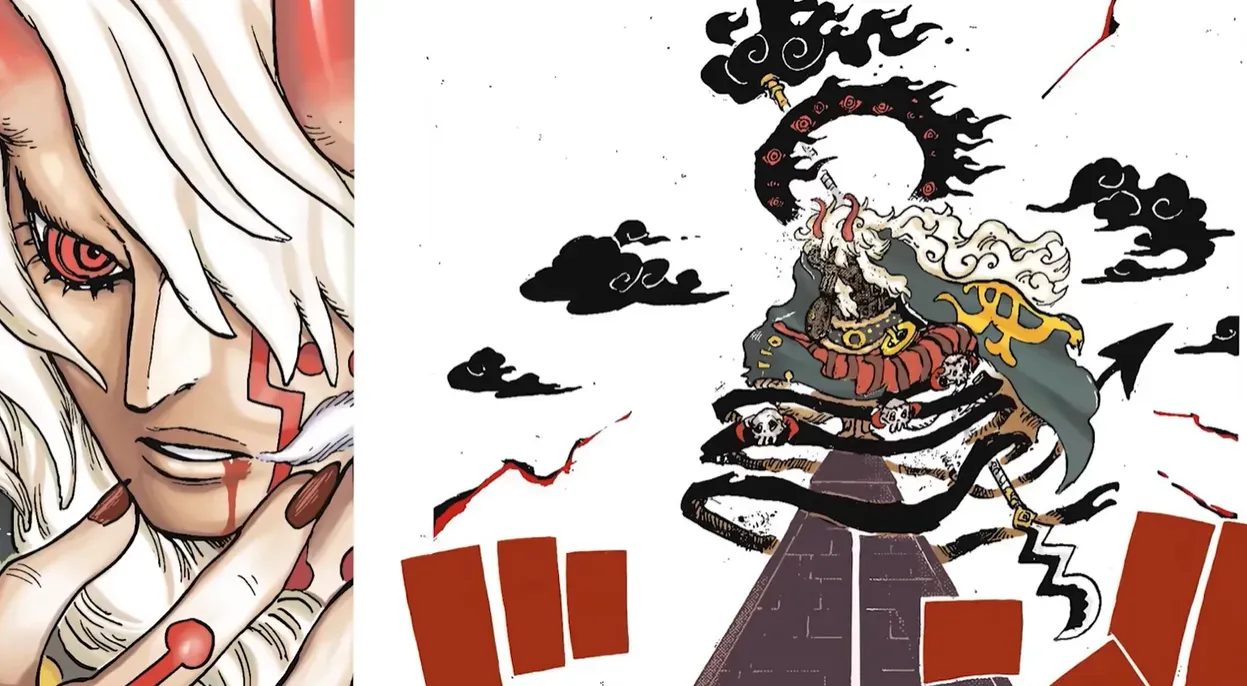 Also ReadOne Piece Chapter 1180 "Omen" Spoilers: Imu's God-Like Power Destroys Zoro & Sanji
Studio Involvement
Toei Animation remains the primary engine behind the One Piece franchise, but the seasonal format allows the studio to manage its talent more effectively. In a year-round schedule, top-tier animators are often spread thin across many episodes. By focusing on a set number of episodes per season, Toei can consolidate its best directors and artists to work on specific high-impact sequences. Furthermore, recent projects like "The One Piece" remake by WIT Studio have highlighted how different studio involvement and seasonal structures can breathe new life into the world of the Grand Line. This shift indicates a broader industry trend where studios prioritize prestige and quality over sheer volume, ensuring that One Piece remains competitive in an increasingly crowded market.
Community Reaction
The community reaction to the potential for a One Piece seasonal format has been largely positive, albeit with some nostalgia for the weekly era. Many veteran fans argue that the "pacing" was the only thing holding the anime back from being a perfect adaptation. Social media platforms like X (formerly Twitter) and Reddit have seen a surge in fan-made comparisons showing how much better the Wano and Egghead arcs look when the production team is given extra time. While younger fans who are used to the seasonal anime format of modern hits embrace the change, some older fans express concern that the "comfort" of a weekly show might be lost. Ultimately, the consensus is that if a seasonal schedule means a more faithful and visually stunning adaptation of Oda’s masterpiece, it is a price worth paying.
FAQ
Will the entire One Piece anime become seasonal?
While the main series has experimented with breaks, the move toward a seasonal anime format is most prominently seen in high-budget remakes and the way major arcs are now being paced and produced to ensure higher quality.
Does seasonal anime mean more filler?
Actually, it’s the opposite. A seasonal anime format change usually eliminates the need for filler episodes because the goal is to wait for the manga to provide enough canon material for a concise, high-quality season.
How long are the breaks between seasons?
Typical seasonal anime breaks can last anywhere from six months to two years, depending on the complexity of the animation and the availability of the source material from the manga.












// Comments