Introduction: The Prince’s Long Road Home
For the vast majority of Dragon Ball Z, Vegeta is defined by one word: Pride. Every action he took—from invading Earth to achieving Super Saiyan—was fueled by a selfish desire to prove his superiority, specifically over Goku (Kakarot).
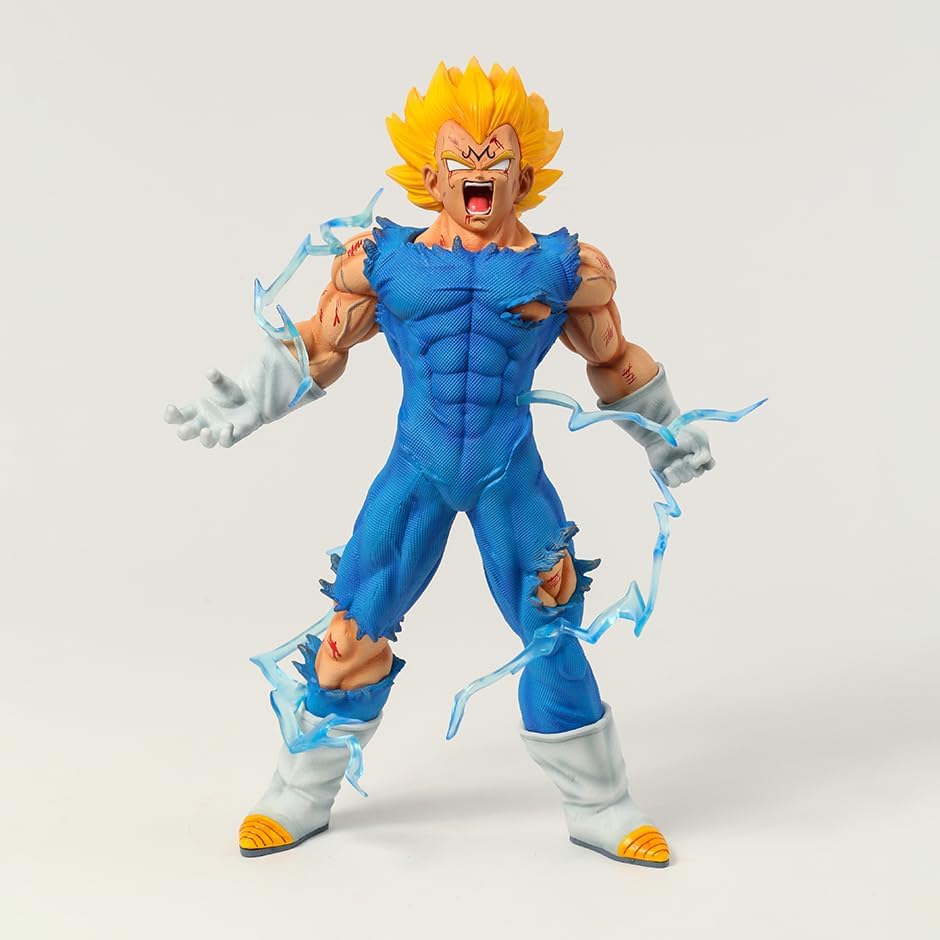
However, in the Majin Buu Saga, this selfish streak culminates in a desperate mid-life crisis. He allows the wizard Babidi to enslave his mind just to gain a power boost, regressing into the ruthless "Majin Vegeta." This sets the stage for the most shocking turnaround in the series: the moment the selfish prince chooses to die for someone else.
1. The Context: A Mid-Life Crisis Gone Wrong
Before the sacrifice, Vegeta was at his lowest point. He had slaughtered spectators at the World Tournament just to goad Goku into a fight. He claimed he wanted to return to the way he was before—cold, ruthless, and unburdened by "weaknesses" like family.
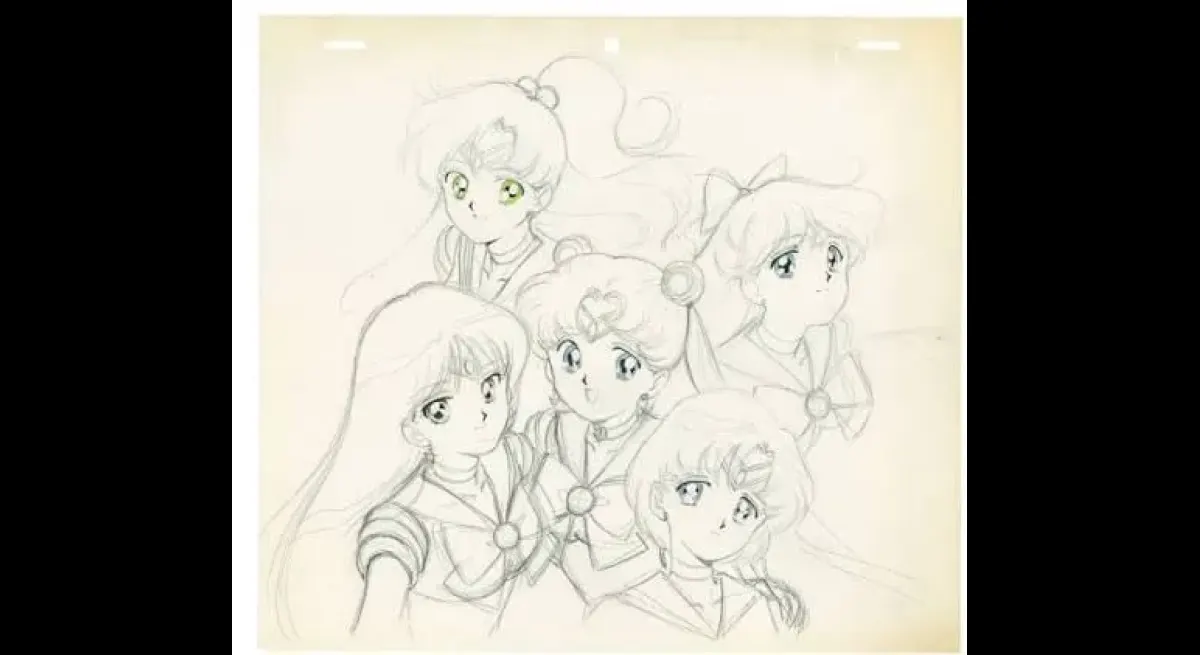 Also ReadSailor Moon Heads Back to Christie’s NY Auction October After $89K Sale
But when Majin Buu awakens and threatens to destroy the Earth, Vegeta realizes the futility of his regression. He understands that he is the one who woke the monster, and therefore, he must be the one to put it down.
2. The Emotional Pivot: A Father’s First Embrace
The true transformation happens not on the battlefield, but in a quiet moment with his son. Before the final attack, Vegeta calls Trunks over.
- The Hug: For the first time since Trunks was born, Vegeta holds him. He tells Trunks he is proud of him before knocking him out (along with Goten) to ensure they aren't caught in the blast.
- The Realization: This act is Vegeta admitting that his "weaknesses"—his family—are actually the only things worth fighting for. It is the death of his ego.
3. The Final Explosion: "Even You, Kakarot"
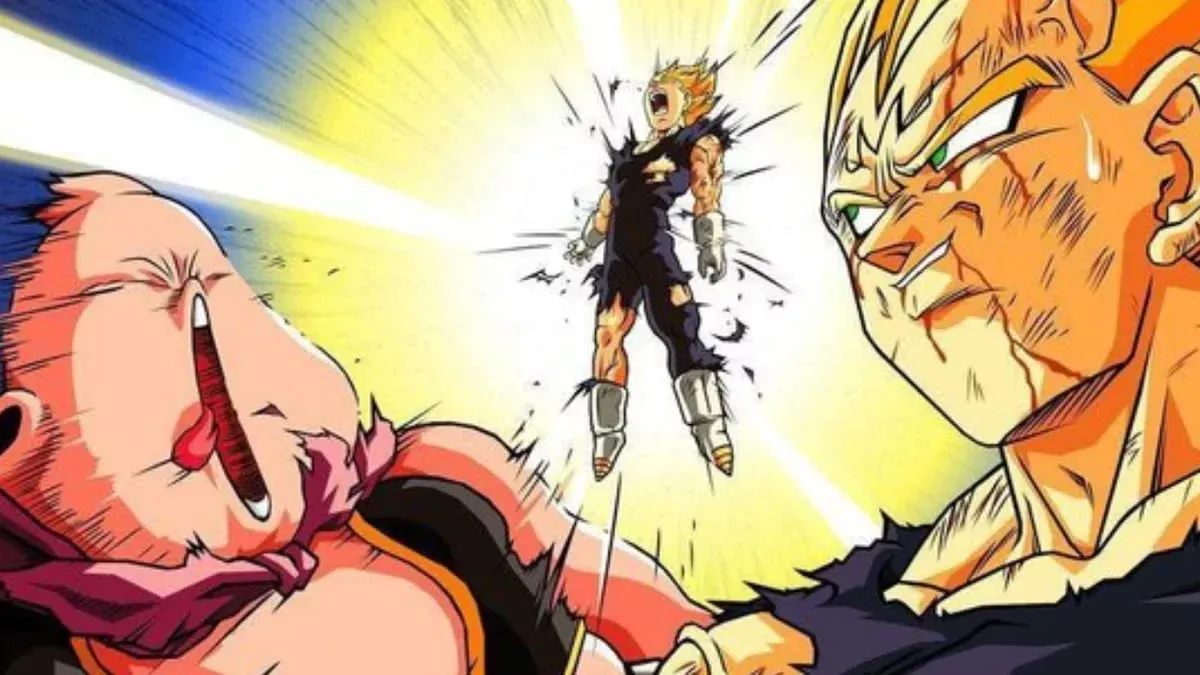
Vegeta’s technique, often called the "Final Explosion," is unique because it uses all of his life force as fuel. The visual direction is stark and blindingly bright, representing the burning away of his sins.
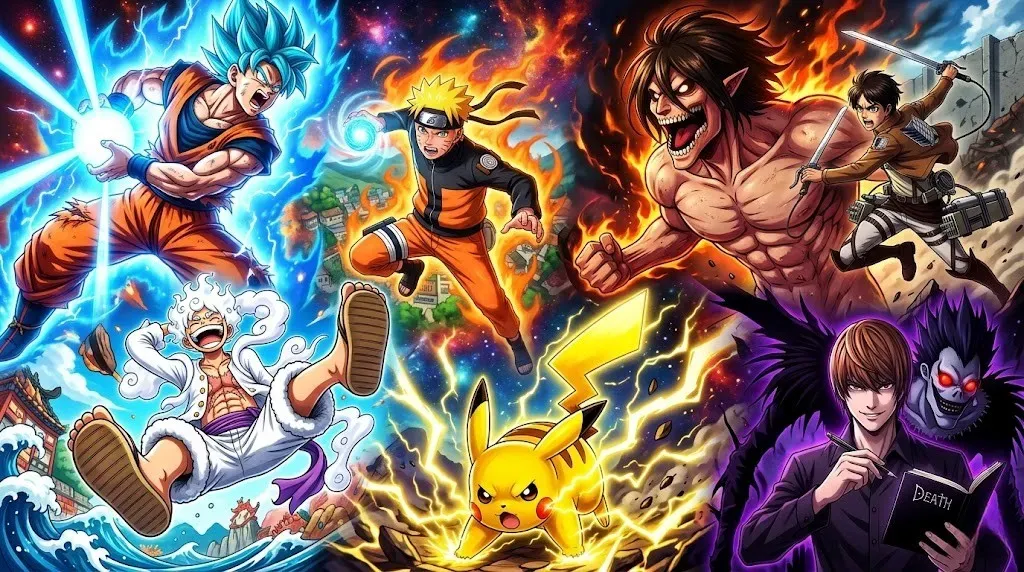 Also ReadMost Viewed Anime of All Time?
But the most powerful aspect is his internal monologue. As he powers up, he lists the people he is dying for:
"Trunks, Bulma... and yes, even you, Kakarot."
By including his rival, Goku, in his final thoughts, Vegeta finally lets go of his envy. He stops trying to beat Kakarot and instead chooses to protect the world Kakarot loves.
4. The Weight of Oblivion
What makes this sacrifice truly heroic is the conversation Vegeta has with Piccolo moments before. Vegeta asks if he will see Goku in the Other World. Piccolo tells him the hard truth: No.
Because of his life of evil, Vegeta is told he will lose his body and his soul will be cleansed (erased) and reincarnated. Unlike Goku’s heroic sacrifices where he keeps his body, Vegeta believes he is marching toward total oblivion. He chooses to die not for a reward in heaven, but simply because it is necessary.
5. The Tragic Irony
The tragedy of the "Final Atonement" is that it doesn't work. Majin Buu regenerates from the smoke, rendering Vegeta’s death tactically meaningless.
However, narratively, it meant everything. It was the moment Vegeta truly joined the "Z Fighters" not out of convenience, but out of love. It broke the cycle of his villainy and set him on the path to becoming the protector we see in Dragon Ball Super.
Conclusion
Vegeta’s sacrifice is the best character conclusion in Dragon Ball Z. It takes the archetype of the arrogant rival and deconstructs him, showing that the "Prince of All Saiyans" was never as strong as the "Father of Trunks."













// Comments