Rediscovering Childhood Magic: Everything You Need to Know About the Konna Ko Iru ka na Anime
If you grew up in Japan or were a fan of retro children's television, you might remember a series of colorful, quirky characters that taught us about personality and growing up. Konna Ko Iru ka na is a true gem of 1980s animation that has managed to remain relevant for decades. It is a show that celebrates our differences, reminding us that there is no such thing as a "normal" person—everyone has their own unique charm and flaws.
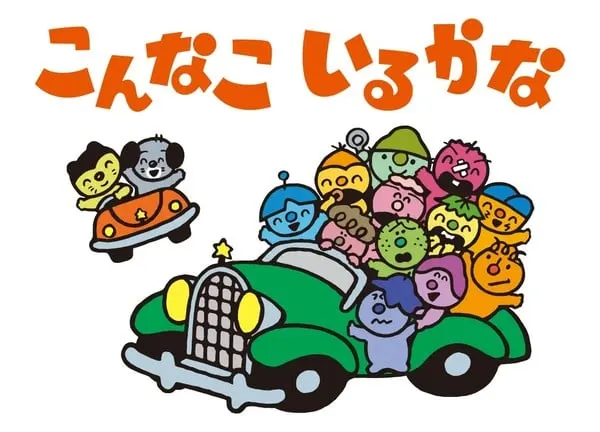 Also ReadKonna Ko Iru ka na: Children's Anime Shorts Reboot Dear to Fans
What is Konna Ko Iru ka na | Anime
The Konna Ko Iru ka na | Anime (which roughly translates to "Are there kids like this?") originally aired as a popular segment on the NHK Educational program Okaasan to Issho between 1986 and 1991. Created by Yumiko Ariga, the series used simple but expressive character designs to reach its young audience. Recently, nostalgia for the series has peaked because of konna ko iru ka na children's anime shorts reboot dear to fans who wanted to see these classic personalities return to modern television. It remains a cornerstone of Japanese educational media for preschoolers.
Quick Facts at a Glance
| Feature | Details |
|---|---|
| Original Creator | Yumiko Ariga |
| Broadcaster | NHK Educational TV |
| Original Run | 1986 – 1991 |
| Main Genres | Educational, Children's, Slice of Life |
Plot Summary
Unlike traditional narrative-heavy shows, Konna Ko Iru ka na consists of short, whimsical stories. Each episode focuses on one of twelve distinct characters, exploring how they handle daily life situations based on their specific personality traits. Whether it's learning how to share, dealing with a bad mood, or being brave in the dark, the show focuses on the "individuality" of each child. It’s a series that encourages self-acceptance and understanding of others. Many fans find the series very comforting, similar to how western audiences view Sesame Street for its educational value and heart.
Main Characters
- Yada-mon: The most famous of the bunch; a stubborn boy who always says "No" (Yada) to everything, representing the typical "terrible twos" phase.
- Bura-rin: A clumsy boy who is always tripping or dropping things, but he never lets it get him down for long.
- Gerara: A happy-go-lucky character who loves to laugh at everything, even when things aren't necessarily funny.
- Mogumogu: A character who absolutely loves to eat and find joy in every meal.
- Pikatto: The smart and bright member of the group who often comes up with clever ideas to solve problems.
Why it is worth watching
There are plenty of reasons why this show is a "must-watch" for parents or fans of vintage anime. Firstly, the character psychology is surprisingly accurate for a preschool show. It teaches kids (and reminds adults) that it is okay to be stubborn, messy, or shy. Secondly, the art style is incredibly iconic; the thick outlines and primary colors make it very easy on the eyes. The series has such a strong legacy that many were thrilled when NHK announced new segments for modern audiences. It's a great way to see how Japanese children's media has evolved while staying true to its roots.
Conclusion
Whether you are a collector of retro media or just looking for something wholesome to show your kids, Konna Ko Iru ka na is an experience that stays with you. It is a masterclass in minimalist storytelling that packs a huge emotional punch. If you want to see a show that truly respects the complexity of a child's personality, you should definitely dive into these classic shorts. Just be careful—you might find yourself relating a bit too much to Yada-mon on a Monday morning!
format(webp))





// Comments