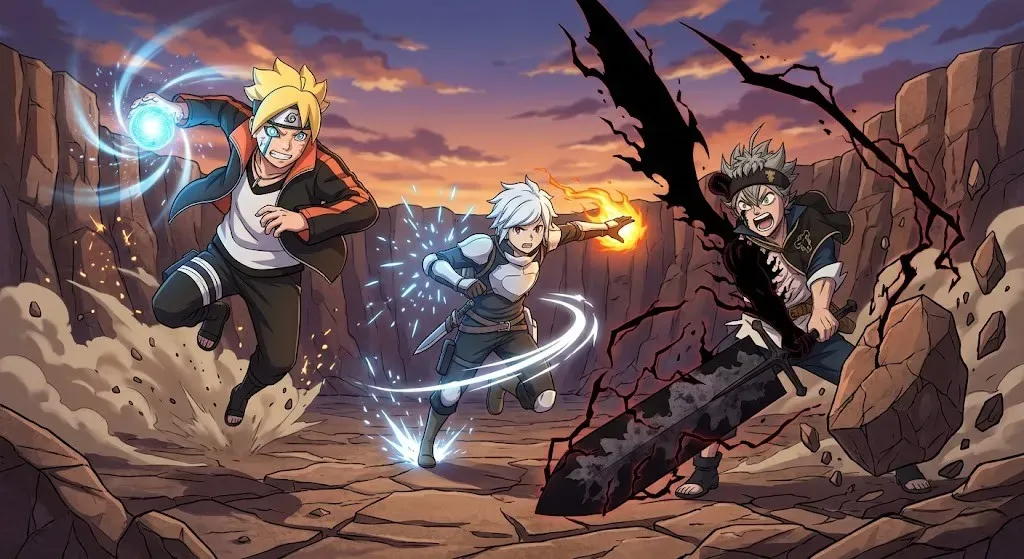

Introduction to Mid Anime Main Characters
In the rapidly evolving landscape of 2026, the term "mid" has moved from a simple slang term to a cornerstone of pop culture criticism. When we talk about a mid anime, we aren't necessarily describing something terrible or "trash." Instead, we are identifying a series that sits comfortably in the middle—functional, perhaps visually appealing, but ultimately lacking the creative spark that defines a masterpiece. This phenomenon is most apparent in the protagonists of these shows.
For many fans, the main character is the lens through which the world is experienced. If that lens is generic, the entire viewing experience can feel like a repeat of something we have seen a dozen times before. As the industry produces hundreds of new titles annually, the "mid anime" category has become more crowded than ever. We often find ourselves browsing through mediocre anime recommendations, hoping for a hidden gem but often settling for the comfortably average.
This article dives deep into the realm of the average anime series to identify the leads who, despite their popularity, fail to leave a lasting impression. Whether they are victims of overhyped anime shows or simply products of an oversaturated market, these characters represent the "mid tier anime list" in its purest form. By analyzing what makes them tick—or rather, what makes them stall—we can better understand the current state of Japanese animation.
 Also ReadBlack Clover Season 2 Episode 2 Pushes the Underworld Gate Closer
Defining the "Mid" Anime Protagonist
What exactly defines a "mid" protagonist? In the context of 2026 SEO trends and viewer sentiment, "mid" refers to a character who is perfectly adequate but entirely predictable. They fulfill the basic requirements of their genre—be it Shonen, Isekai, or Romance—but they rarely subvert expectations. A mid character is the "safe" choice; they are designed to appeal to the widest possible audience without offending or challenging anyone.
These characters often serve as a "blank slate" or a self-insert for the viewer. While this can be a successful commercial strategy, it often results in a lead that lacks a distinct voice or unique philosophy. They react to the plot rather than driving it, and their motivations are usually tied to standard heroic archetypes like "protecting my friends" or "becoming the strongest." While these are noble goals, without a unique personal twist, they become common anime tropes that lose their impact over time.
Furthermore, the term "mid" is often applied to characters from overhyped anime shows. When a series receives massive marketing budgets and social media buzz, expectations skyrocket. If the protagonist ends up being a standard-issue hero with no significant character flaws or growth, the disconnect between the hype and the reality results in the "mid" label. It is the middle ground between greatness and failure where most modern protagonists unfortunately reside.
Common Traits of Uninspiring Leads
To identify characters for our mid tier anime list, we must look at the recurring patterns that make them uninspiring. These traits are often baked into the writing to ensure the character remains relatable, but they frequently backfire by making the lead feel hollow.
 Also ReadWho Is Zenitsu Agatsuma? The Ultimate Guide
- The Power of Convenience: Many mid leads don't earn their victories through tactical brilliance or emotional growth. Instead, they receive "plot armor" or sudden, unexplained power-ups precisely when the story needs them to win.
- Dense Romantic Awareness: Especially in harem or rom-com settings, the protagonist is often pathologically oblivious to the feelings of those around them. This is a tactic used to extend the series' length, but it often makes the lead feel stagnant.
- Generic Visual Design: You can often spot a mid protagonist by their hair. The "standard black-haired male lead" has become a meme for a reason. If a character's silhouette isn't recognizable, they are likely designed to be as inoffensive as possible.
- Reactionary Personality: Instead of having personal goals, these characters only move when a villain attacks or a friend is in danger. They lack a proactive philosophy that would make them stand out from the crowd.
These traits contribute to the feeling that you are watching a template rather than a person. When a character feels like a collection of tropes rather than a living, breathing entity, they inevitably fall into the "mid" category. This is why many average anime series struggle to stay relevant once the seasonal hype dies down.
Why Some Main Characters Fail to Stand Out
The failure to stand out isn't always the fault of the character designer; often, it’s a systemic issue within the industry. With the pressure to produce content for streaming giants, many studios rely on established formulas. This leads to an influx of mediocre anime recommendations where every lead feels like a derivative of a more successful predecessor. If a show is aiming to be the next Naruto or Solo Leveling, it often copies the surface-level traits of the MC without understanding the depth underneath.
Another factor is the rise of the Isekai genre. The "power fantasy" element of Isekai often requires a protagonist who is overpowered and morally perfect. This leaves very little room for character arcs. If a character starts at the top and has no internal conflict, there is nowhere for them to go. This lack of a "hero's journey" is a primary reason why so many modern leads fail to capture the imagination of long-term fans.
Pacing also plays a significant role. In an effort to keep viewers engaged, some shows rush through character development to get to the action. When we don't spend time understanding the protagonist's fears or quiet moments, we don't form an emotional bond with them. Without that bond, even the most spectacular fight scene feels empty, relegating the character to the mid tier anime list.
Criteria for Ranking Mid Anime Characters
Ranking the 10 most mid anime main characters requires a specific set of criteria. We aren't looking for the "worst" characters, but rather those who had the potential or the platform to be great and ended up being "just okay." Our criteria include:
- Hype vs. Reality: How much was this character hyped up by the community or the marketing versus how much depth they actually showed in the series?
- Originality: Does the character bring anything new to their archetype, or are they a carbon copy of existing tropes?
- Agency: Does the character make significant choices that change the world, or are they just a passenger in their own story?
- Lasting Impact: Years after the show aired, do fans remember the protagonist's personality, or just the cool powers they had?
By using these benchmarks, we can separate the truly legendary leads from those who are simply taking up space in the mid anime category. This list reflects the general consensus of the 2026 anime community, where viewers are becoming increasingly discerning about the quality of character writing. For more on character development structures, you can visit Wikipedia’s guide on protagonists.
10 Most Mid Anime Main Characters, Ranked
10. Issei Hyoudou (High School DxD)
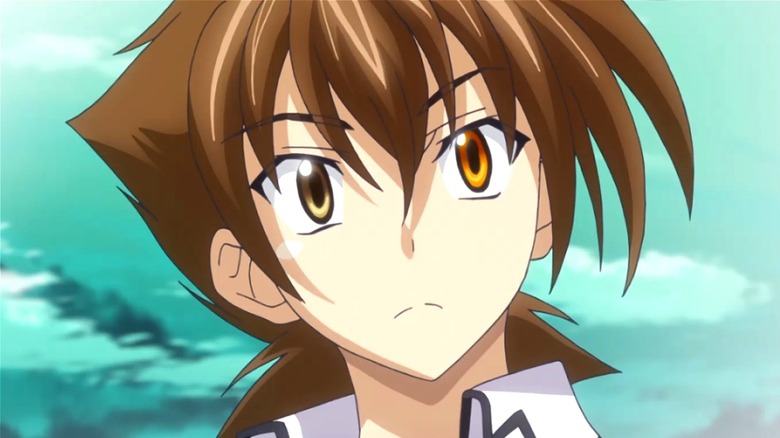
Issei is the ultimate "one-note" protagonist. While High School DxD is a staple of the "ecchi" genre, Issei’s entire personality revolves around his perversion. While this is played for laughs and occasionally leads to power-ups, it prevents him from ever feeling like a multi-dimensional hero. He is the definition of a mid lead who is carried entirely by his supporting cast and the show's "fan service."
9. Meliodas (Seven Deadly Sins)
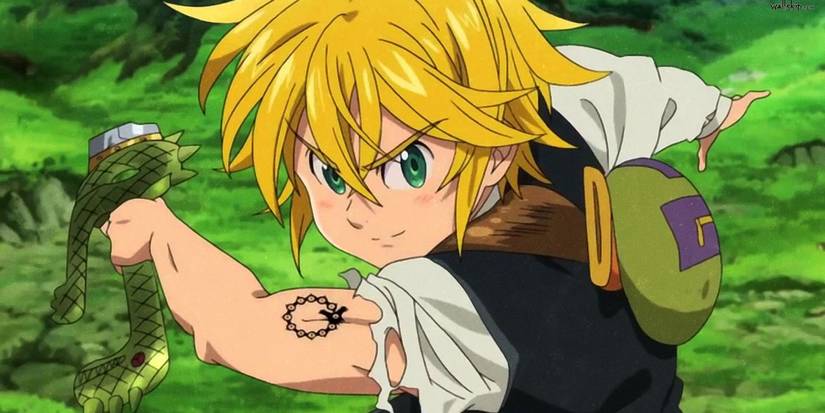
Meliodas started with a lot of promise, but as the series progressed, he became a victim of extreme power creep and static characterization. His "pervy but powerful" trope felt dated even when the show was at its peak. Despite his tragic backstory, Meliodas often feels like a placeholder for "strong guy," landing him firmly on our mid tier anime list.
8. Boruto Uzumaki (Boruto)
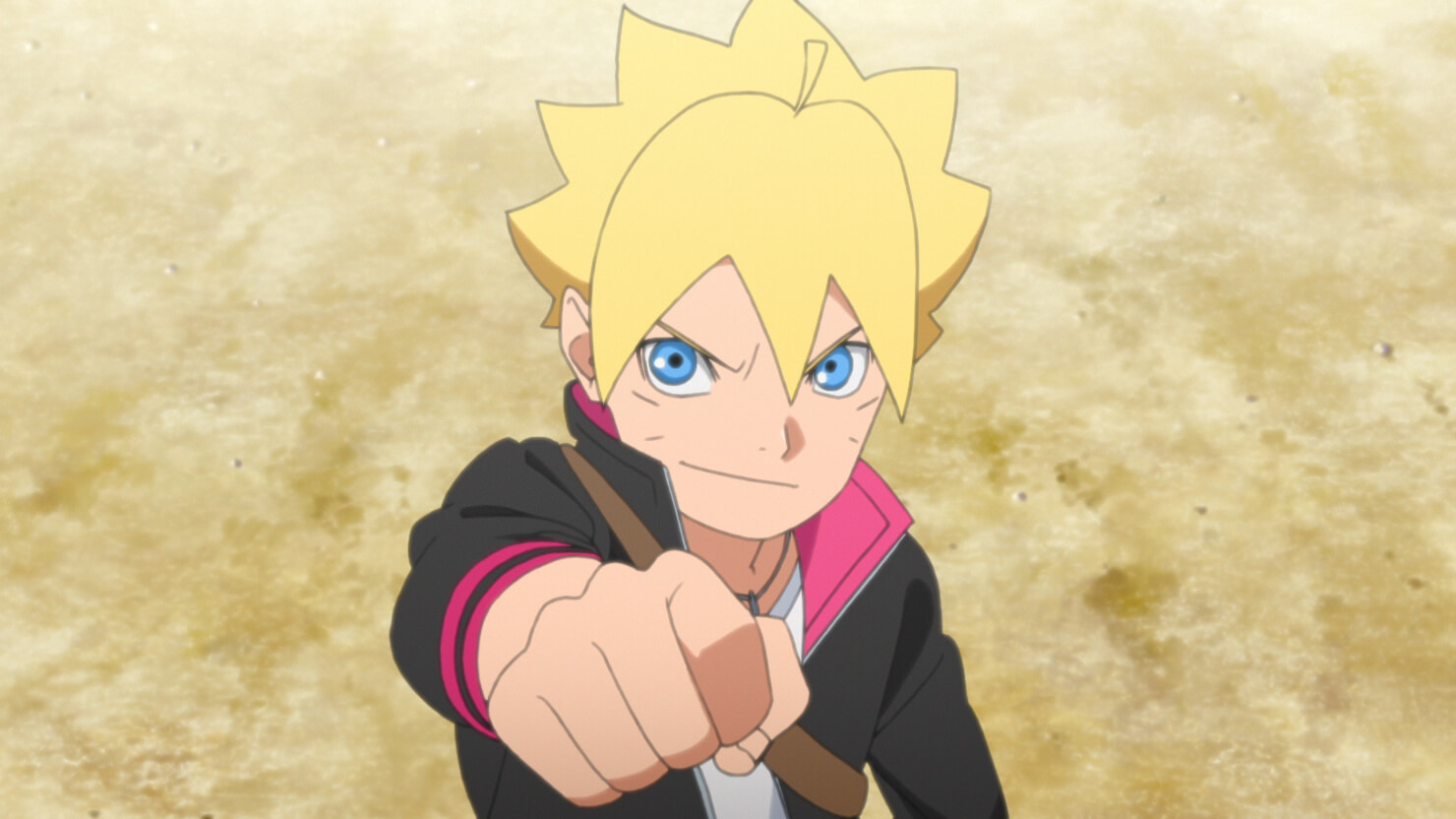
Boruto suffers from "sequel syndrome." While he has moments of brilliance, he often feels like a watered-down version of his father with a more privileged upbringing. His struggle to find his own identity mirrors the audience's struggle to find a reason to care about him over the original cast. He is the face of overhyped anime shows that struggle to justify their existence.
7. Tatsumi (Akame ga Kill\!)
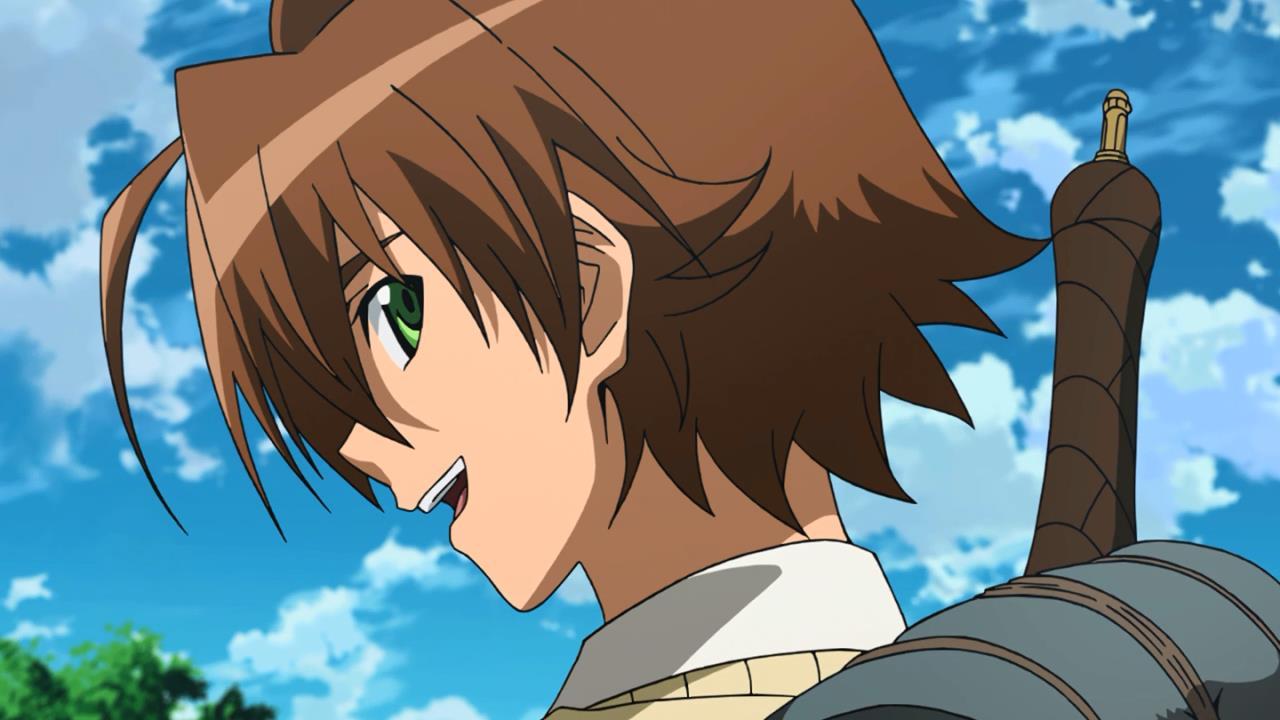
Tatsumi is perhaps the most "average" character in a show filled with vibrant, eccentric assassins. While he is meant to be the audience's surrogate, he lacks a unique fighting style or a compelling philosophy. In a series where almost every character is more interesting than the lead, Tatsumi stands out as a glaringly mid protagonist.
6. Bell Cranel (DanMachi)
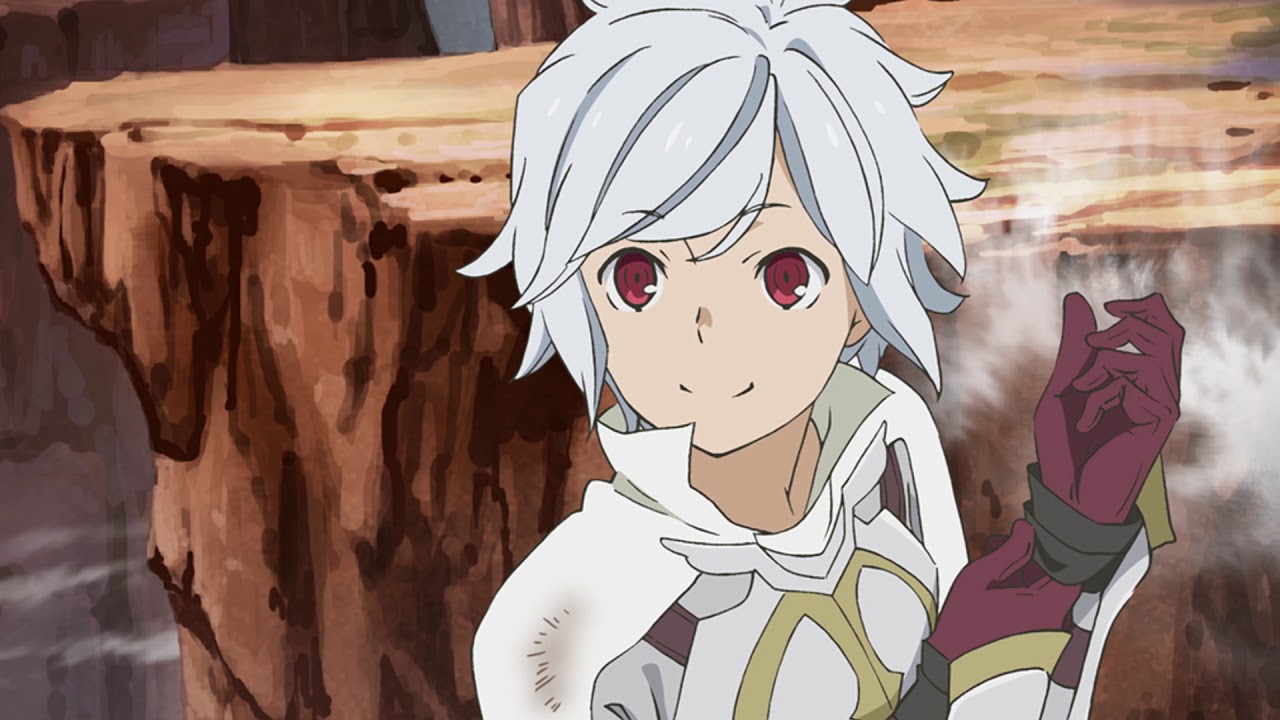
Bell is the quintessential "nice guy" hero. He is hardworking, innocent, and gains powers through his pure heart. While there is nothing inherently wrong with this, Bell lacks the edge or the complexity that makes a character truly iconic. He is the gold standard for mediocre anime recommendations that are "fine" to watch but easily forgotten.
5. Kazuya Kinoshita (Rent-a-Girlfriend)

Kazuya is "mid" for a different reason: his lack of growth. Throughout multiple seasons, he remains indecisive and prone to the same mistakes. While this might be realistic for some, it makes for an uninspiring viewing experience. He represents the "stagnant lead" trope that often plagues modern romance anime.
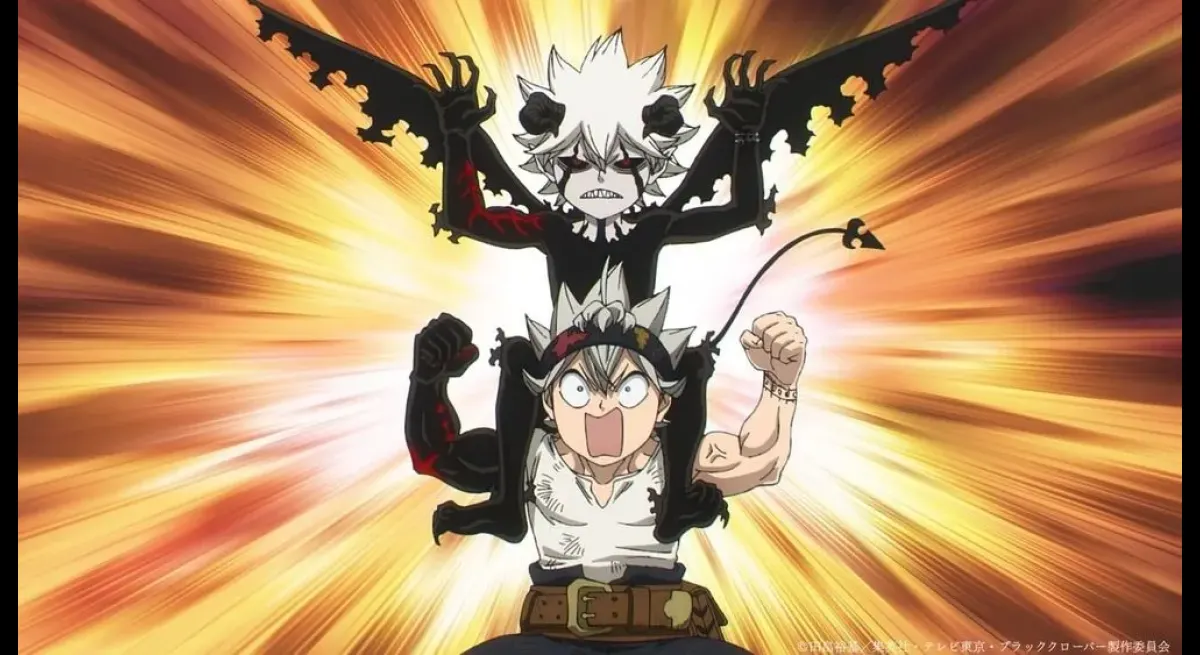
4. Asta (Black Clover)

Asta’s "never give up" attitude and "I’m loud" personality are the bread and butter of Shonen tropes. While the series eventually finds its footing, Asta’s early characterization was so generic that many fans dropped the show. He has improved, but his foundation remains rooted in the mid tier anime list.
3. Tanjiro Kamado (Demon Slayer)
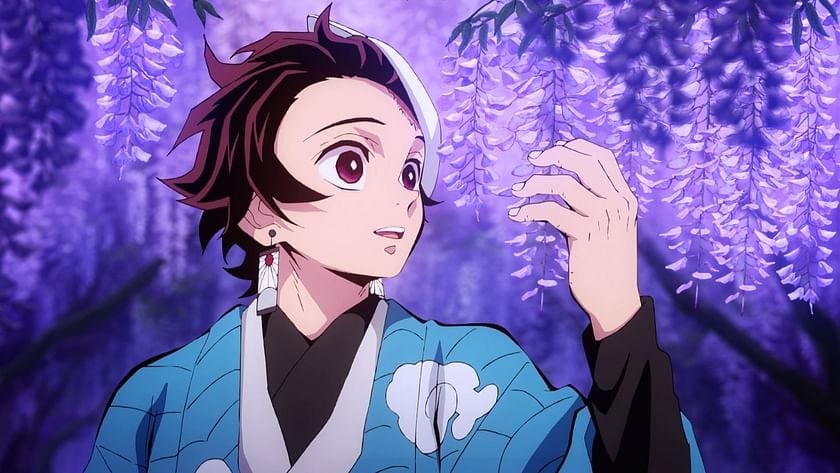
This may be controversial, but Tanjiro is the definition of a "mid" character in a "top-tier" visual production. He is almost too perfect; he is kind, hardworking, and lacks any significant internal darkness or flaws. While he is likable, he lacks the complexity found in protagonists from other major hits. He is often carried by the incredible animation of Crunchyroll's top-performing series.
2. Touya Mochizuki (In Another World with my Smartphone)

Touya is the "final boss" of generic Isekai leads. He is overpowered, has a smartphone, and every girl in the world falls in love with him for no discernible reason. He has no real challenges and no personality beyond being "polite." He is the ultimate example of a mid anime lead designed for pure wish fulfillment.
1. Kirito (Sword Art Online)
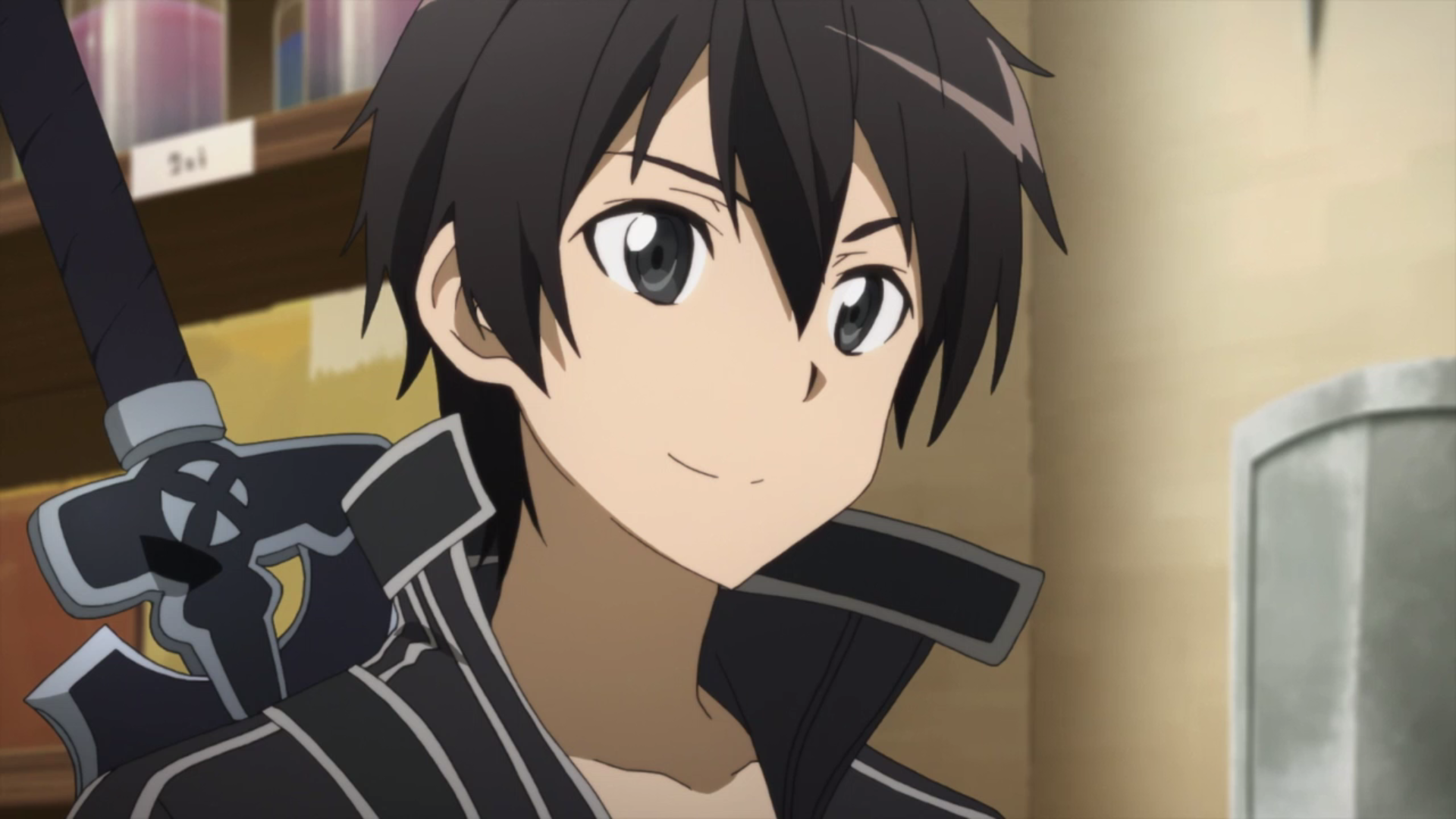
The king of the mid tier anime list. Kirito set the template for the "black-clad, stoic, overpowered" protagonist. While SAO was a massive hit, Kirito himself has been criticized for years for his lack of depth and "God-mode" abilities. He is the most iconic mid character because he is the archetype that a thousand other mid characters have tried to copy since.
Impact of Average Leads on Series Popularity
Interestingly, having a mid protagonist doesn't mean a show will fail. In fact, many of the shows on our list are incredibly popular. This is because an "average" lead is easy to project onto. When the protagonist is a blank slate, the viewer can more easily imagine themselves in that world. This is a key reason why average anime series often dominate the streaming charts.
However, this popularity is often fleeting. Once the "seasonal" buzz wears off, these shows often struggle to maintain a legacy. A mid lead might help a show get views in the short term, but a great lead is what makes a show a classic. Shows like Death Note or Code Geass are remembered decades later because of their complex leads, whereas many mid-tier shows are replaced by the next generic hit within a year.
How Supporting Characters Carry Mid Leads
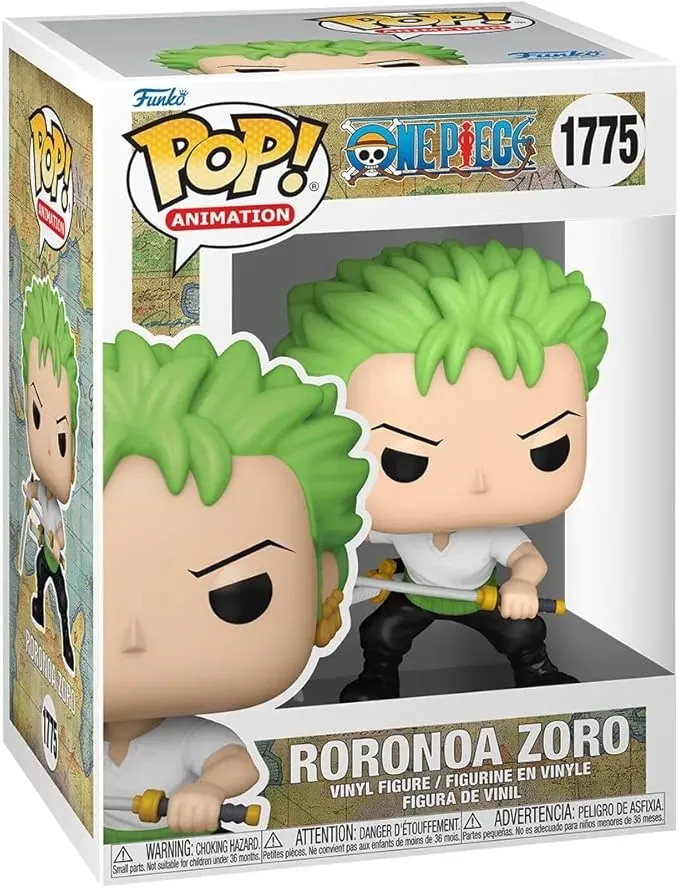
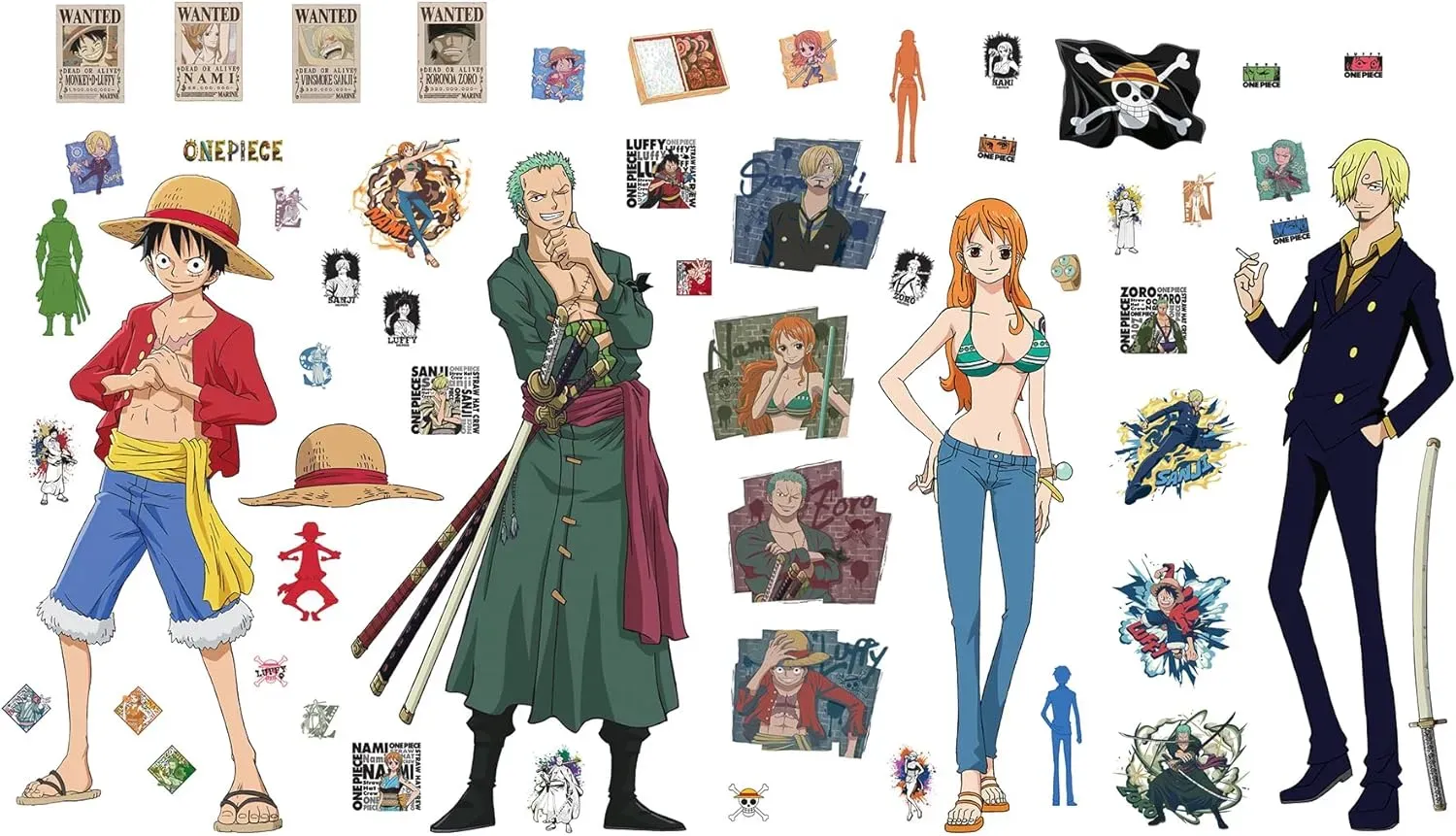
One of the most common ways a mid anime succeeds is by surrounding the boring lead with an incredible supporting cast. This is often called the "Zoro Effect" or the "Levi Effect," where a side character becomes more popular and more interesting than the protagonist. Fans might tune in for the MC, but they stay for the complex villains and charismatic sidekicks.
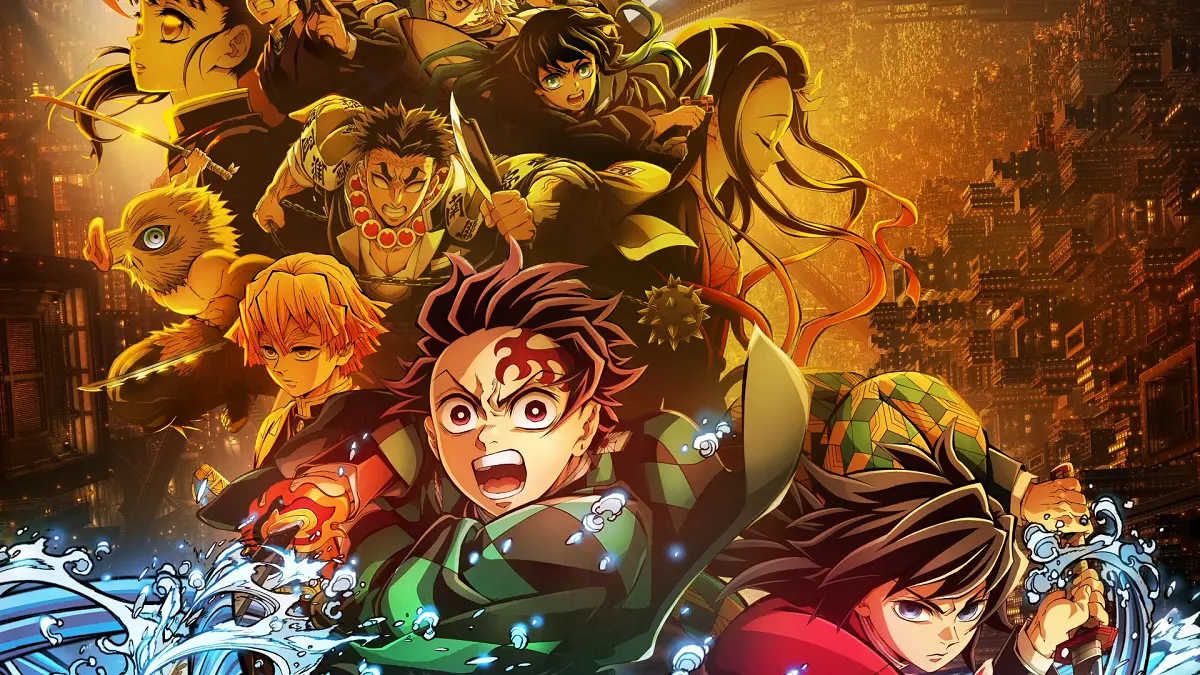
In shows like Demon Slayer or Akame ga Kill!, the side characters often have more unique designs, more tragic backstories, and more interesting powers. This creates a balance where the "mid" lead provides a stable (if boring) center point, while the supporting cast provides the emotional highs and lows. This dynamic is a clever way for writers to maintain a relatable lead while still delivering high-quality storytelling through the periphery.
Conclusion: The Role of Relatability vs. Excitement
The prevalence of mid anime protagonists highlights a fundamental tension in modern storytelling: the balance between relatability and excitement. An average anime series provides a comfortable, low-stakes experience that is perfect for casual viewing. However, for those looking for something truly transformative, these mid tier anime lists can be a source of frustration.
As we move further into 2026, the anime industry is starting to see a shift. Fans are demanding more from their protagonists, favoring characters with clear flaws, unique voices, and genuine agency. While the "mid" lead will likely always have a place in the market, the search for the next truly iconic hero continues. Ultimately, a character’s "midness" is a reminder of how high the ceiling for great character writing can truly be. One of the most corrupt anime regimes and societies can often make even the most average protagonist seem heroic by comparison.








// Comments