Introduction
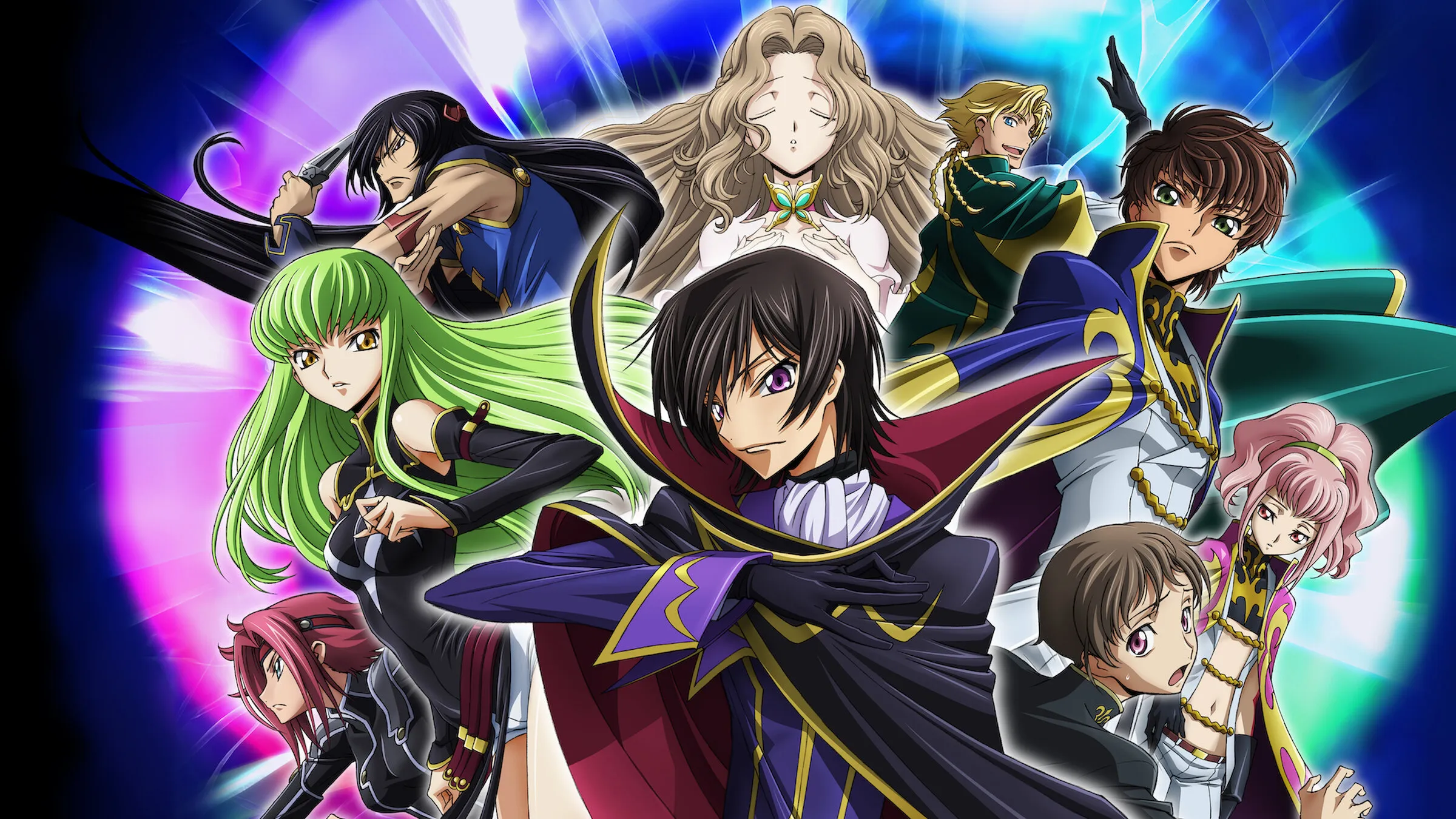
The ending of Code Geass remains one of the most iconic and debated finales in anime history. In an event known as "The Zero Requiem," Lelouch vi Britannia orchestrates his own assassination at the hands of Suzaku Kururugi (disguised as Zero). His goal? To focus the world’s hatred onto a single individual—himself—and extinguish it with his death.
While generally regarded as a poignant and necessary conclusion to his character arc, the question remains: Was this extreme sacrifice the only way to achieve peace, or was it a flawed solution to a complex problem?
The Argument for Necessity: Why Lelouch Had to Die
Within the narrative logic of the series, Lelouch’s death is viewed not just as a political strategy, but as a moral imperative.
- The "Scapegoat" Strategy (Unifying the World) Lelouch realized that military conquest alone would not bring peace. As long as nations existed, they would war over resources and ideology. To break this cycle, he had to become the "Demon Emperor"—a threat so universally reviled that the entire world would unite to oppose him. By dying, he took that hatred with him, leaving the world with a clean slate and a shared history of overcoming tyranny.
- The Ultimate Act of Atonement Throughout his rebellion, Lelouch walked a path of blood. He was responsible for the deaths of Shirley, Euphemia (and the Massacre of the Special Zone), and countless soldiers.
- Narrative Justice: Lelouch often stated that "The only ones who should kill are those who are prepared to be killed."
- The Final Checkmate: The Zero Requiem was his way of taking ultimate responsibility. He could not live on as a hero while having so much red in his ledger.
- Securing Nunnally’s "Gentle World" Lelouch’s primary motivation was always his sister, Nunnally. He recognized that as long as he lived—a symbol of Machiavellian power and manipulation—the world would never be truly safe for the weak. By removing the "demon" (himself) and installing a new, heroic Zero (Suzaku) to protect the righteous, he ensured Nunnally could rule as Empress in a world that valued diplomacy over force.
- Eliminating the Power Vacuum Had Lelouch simply ruled as a benevolent dictator, his past as a terrorist would have invited constant insurrection. By orchestrating a dramatic, public regime change, he legitimized the new governing body (the UFN). He didn't just step down; he was overthrown, which gave the new democracy credibility and strength.
The Argument Against: Flaws in the Logic
Critics of the Zero Requiem argue that while the plan was poetic, it was practically flawed and perhaps even cowardly.
 Also Read10 Best Anime for Fans of Strategy Games, Ranked
- The "Benevolent Dictator" Alternative Lelouch possessed the Damocles and the Geass. He had already united the world under his banner. Critics argue he could have utilized this absolute power to force a transition to democracy over decades. He could have played the role of the strict father figure to the world, guiding it toward stability without needing to traumatize his sister and kill himself.
- The "Coward's Way Out" There is a perspective that Lelouch and Suzaku chose the "easy" path. Dying (or living as a masked ghost for Suzaku) is arguably easier than the grueling, thankless work of day-to-day governance. By dying, Lelouch avoided the long-term consequences of his rule, leaving the heavy lifting of rebuilding a fractured society to Nunnally and Schneizel.
- Ideological Naïvety The plan relies on a cynical yet hopeful gamble: that humanity will stop fighting once the "Big Bad" is gone.
- Realism vs. Anime Logic: In reality, wars are driven by resource scarcity, religion, and historical grievances—not just the existence of one evil man. Removing Lelouch does not solve the root causes of human conflict.
Conclusion: The Narrative Verdict
Was the Zero Requiem necessary? Yes, but primarily for narrative and poetic reasons rather than purely political ones.
If we look at Code Geass as a tragedy, Lelouch had to pay for his sins. The "Greatest Lie" was the only way to align his selfish desire to protect Nunnally with the selfless necessity of world peace. It was an act of supreme egoism and altruism blended together—a final, "perfect" move in a game of 3D chess where the King sacrifices himself to win the game.







// Comments