Introduction: The Golden Age of Shonen Action
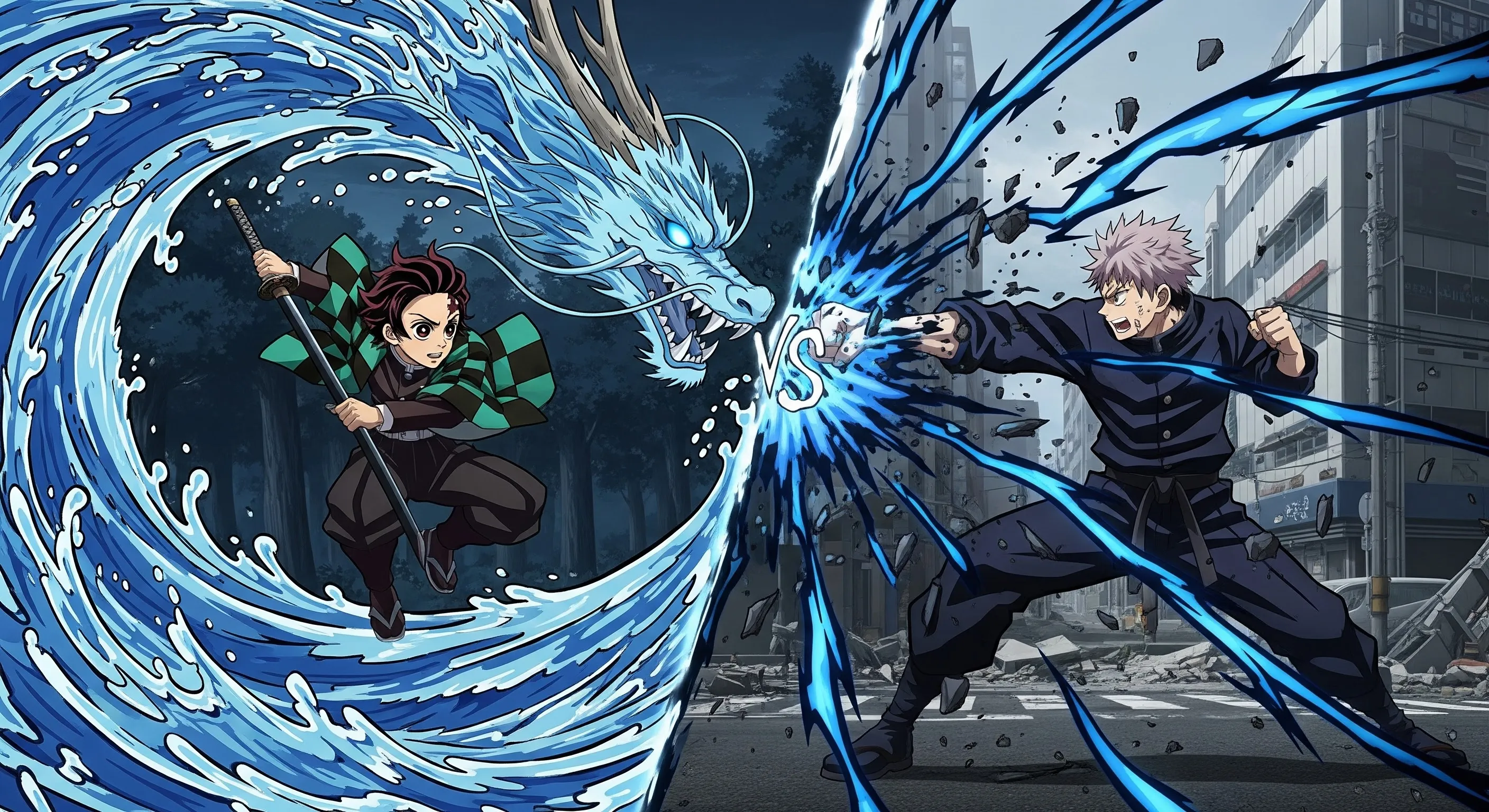
We are currently living in a golden age of shonen anime action, largely dominated by two titans: Demon Slayer: Kimetsu no Yaiba and Jujutsu Kaisen. While both series feature young heroes battling supernatural monsters, their approaches to combat—and the animation studios bringing them to life—couldn't be more different.
At the heart of this rivalry is a clash of power systems: the disciplined, elemental swordplay of Breathing Styles versus the complex, visceral manipulation of Cursed Energy.
Does Ufotable’s stunning visual artistry outperform MAPPA’s kinetic, gritty choreography? Let’s break down how these power systems translate into animation to decide which creates the superior battle experience.
Demon Slayer: The Visual Crescendo (Ufotable)
Demon Slayer’s combat is rooted in "Breathing Styles." Narratively, these are breathing techniques that maximize human physical potential. Visually, however, they are something far more spectacular.
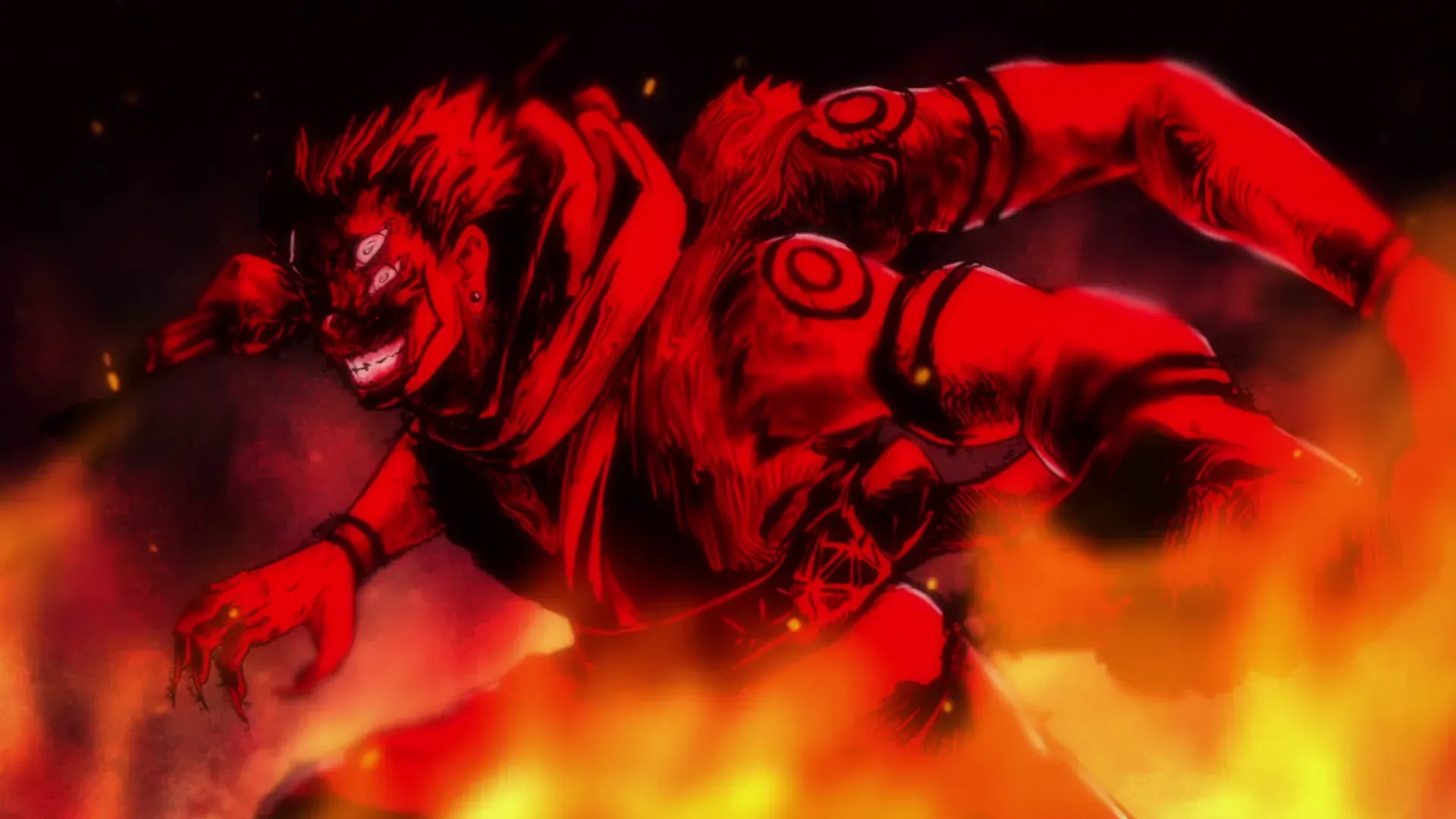
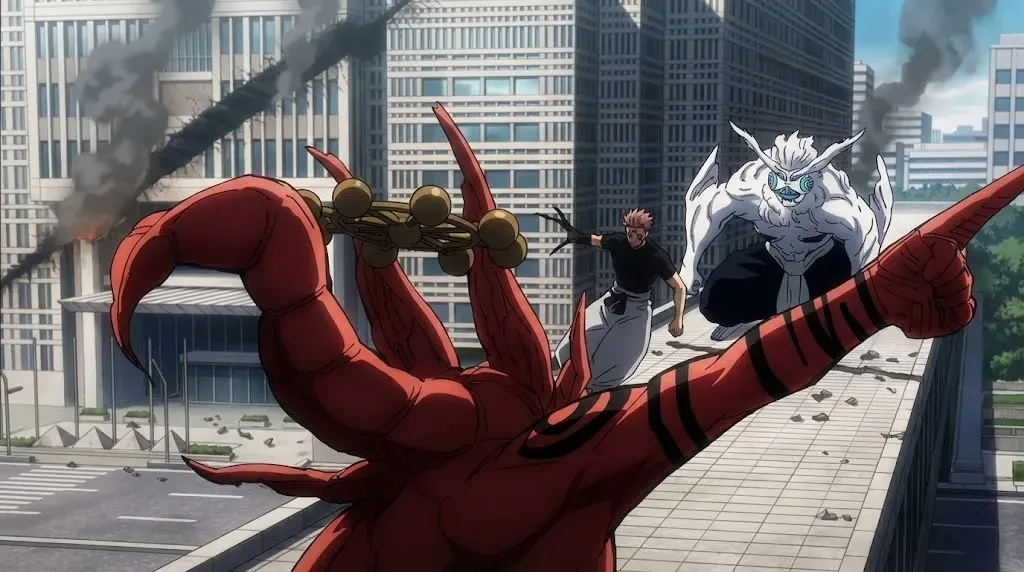 Also ReadSukuna's World-Cutting Slash Explained
The Animation Style: Ukiyo-e in Motion
It is a common misconception that Tanjiro is literally summoning water or Rengoku is creating actual flames. In canon, few people see these elements; they are artistic representations of the swordsman's spirit and technique intensity.
Ufotable leaned heavily into this concept, creating perhaps the most visually distinct combat in modern anime. They utilize thick, painterly outlines influenced by traditional Japanese ukiyo-e woodblock prints. When a form is executed, it isn't just an attack; it's a moving painting. The integration of 2D stylized effects over 3D CGI environments allows for sweeping, dynamic camera movements that make every major attack feel like an epic event.
The Choreography: The Power of the "Form"
Because Breathing Styles are based on rigid "forms" (e.g., "Water Breathing, First Form"), the choreography is deliberate and explosive. Fights often involve a lot of dodging and parrying, building up to a single, devastating moment where a named technique is unleashed.
The battles are less about sustained hand-to-hand exchanges and more about finding the "opening thread." The excitement comes from the emotional buildup and the sheer visual payoff of seeing these elemental metaphors explode across the screen in vibrant color.
 Also ReadThe Mahoraga Ritual Rules Explained
Best Example: Tengen Uzui vs. Gyutaro (Entertainment District Arc). A dazzling display of fireworks, sound, and blood that prioritized sheer spectacle over tactical clarity.
Jujutsu Kaisen: The Kinetic Brawl (MAPPA)
If Demon Slayer is a classical painting, Jujutsu Kaisen is a gritty street fight filmed on a shaky cam. "Cursed Energy" is born from negative emotions, making it inherently darker, messier, and more versatile.
The Animation Style: Visceral and Raw
Studio MAPPA approaches Cursed Energy with a focus on kinetic impact. The energy itself doesn’t look like clean elemental magic; it looks corrupted, often rendered in jagged blues, blacks, and reds that seem to tear at the screen.
Unlike the stylized beauty of Ufotable, MAPPA’s animation emphasizes weight and velocity. When Yuji Itadori lands a "Divergent Fist," you feel the delayed impact ripple through the opponent's body. The art style frequently shifts into rougher, sketch-like linework during peak action to convey raw speed and aggression.
The Choreography: Tactical Martial Arts
Cursed Energy is complex. It involves raw enhancement, complex "Innate Techniques," "Domain Expansions," and "Vows." This allows for battles that are tactical puzzles rather than just overpower struggles.
The choreography shines in its blend of supernatural powers with grounded martial arts. Characters like Yuji or Maki rely heavily on fluid, realistic hand-to-hand combat (CQC) augmented by energy. The camera work is highly dynamic, often following closely behind a fist or swinging wildly to match the disorienting nature of abilities like Todo’s "Boogie Woogie."
+1
Best Example: Yuji & Todo vs. Hanami (Season 1). A masterclass in collaborative CQC, where the supernatural ability (switching places) was used to enhance the physical choreography rather than replace it.
The Verdict: Spectacle vs. Substance
Which system creates "better" battles depends entirely on what you crave from an action scene.
Demon Slayer (Breathing Styles) wins on pure visual spectacle and emotional resonance. The simplicity of the power system allows the animation to take center stage, creating moments of breathtaking beauty that feel mythical in scale. It is the opera of anime fights: grand, loud, and emotionally overwhelming.
Jujutsu Kaisen (Cursed Energy) wins on choreographic complexity and visceral impact. The battles feel more dangerous, kinetic, and intellectually engaging. It is the MMA of anime fights: technical, brutal, and grounded in physics even when breaking them.
Conclusion: Demon Slayer perfected the art of the "finishing move," while Jujutsu Kaisen perfected the art of the brawl leading up to it.













// Comments