
If you've stumbled across a chubby convenience store owner effortlessly dodging bullets and flooring trained assassins, you've found Sakamoto Days — and you're probably wondering: what genre is Sakamoto Days, exactly? The answer isn't just one word. This series is a carefully layered blend that's harder to box in than its deceptively jolly-looking protagonist.
Let's break it all down — the official genres, the themes, the tone, and why this series feels unlike anything else in modern anime and manga.
What Genre Is Sakamoto Days? The Official Answer

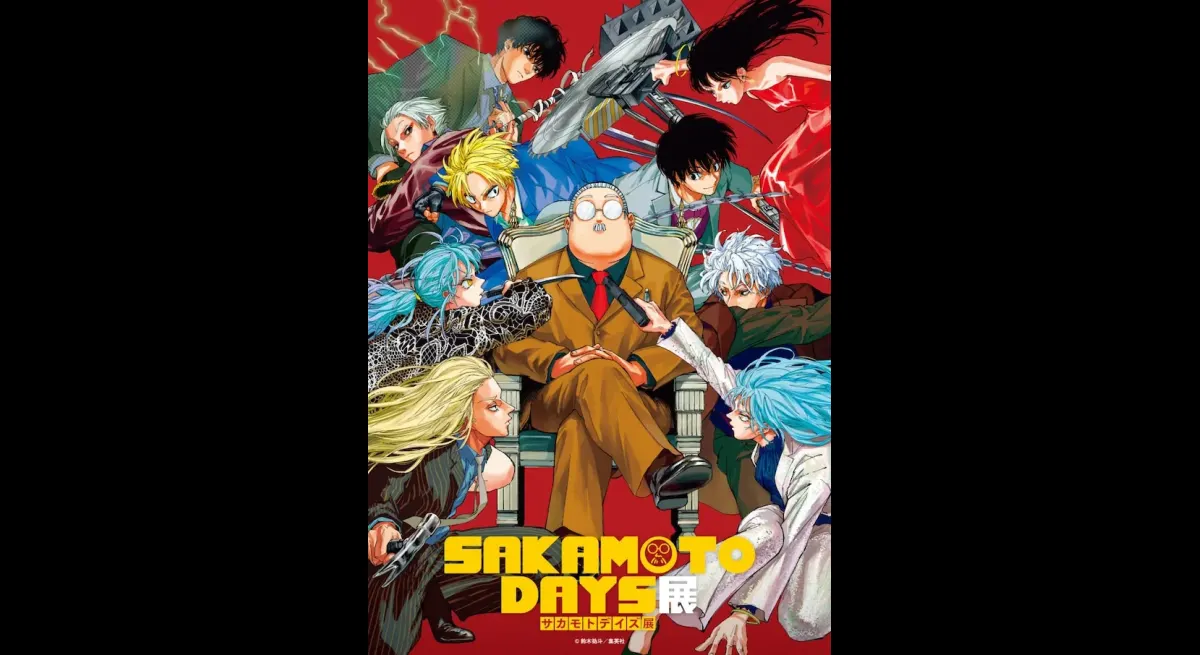
Sakamoto Days is officially classified under the genres of action, comedy, and drama, with themes that span assassins, crime, fighting, gunplay, mafia, idealism, and even superpowers.
 Also ReadExciting Sneak Peek: 2026 Crayon Shin-chan Movie Premieres July 31
At its core, it is a shonen manga — meaning it's published in and designed for a young male audience — but it consistently punches well above those expectations in terms of narrative depth and tonal variety.
Written and illustrated by Yuto Suzuki, Sakamoto Days has been serialized in Shueisha's Weekly Shōnen Jump magazine since November 2020, with its chapters simultaneously published in English by Viz Media and the Manga Plus platform.
So if you're looking for a one-line answer: Sakamoto Days is a shonen action-comedy manga with strong drama and crime undertones. But the magic is in how those genres are blended together.
:max_bytes(150000):strip_icc()/taro-skamoto-071125-aa8fbe5bde5046d1925ac860edf132b8.jpg) Also ReadSakamoto Days: Full Story, Family, Friends & Foes
Also ReadSakamoto Days: Full Story, Family, Friends & FoesBreaking Down Each Genre Element
Action — And a Lot of It
The action in Sakamoto Days is not window dressing. It is the beating heart of the series.
The story revolves around Taro Sakamoto, a retired legendary hitman who has settled into a quiet life as a family man — but whose peaceful existence is disrupted when former enemies and colleagues from his hitman days come seeking revenge. Every arc delivers intense, creative fight sequences that showcase Sakamoto's tactical genius.
What sets the action apart is Sakamoto's personal rule: he taps back into his former combat skills to protect his newfound "normal" life and family — but he has committed to never killing again. That constraint turns every fight into a puzzle, where he has to incapacitate, outwit, and outmaneuver opponents who have no such restrictions.
The action sequences are dynamic and inventive, showcasing Sakamoto's resourcefulness and combat prowess — and the fight choreography is well-executed, keeping things exciting while also showcasing the tactical intelligence behind Sakamoto's moves.
Comedy — Smart, Situational, and Surprisingly Warm
The comedy in Sakamoto Days is not slapstick for its own sake. It grows organically from the central premise.
Sakamoto has settled into a humble life, growing portly as a result of his relative inactivity — despite still being immensely powerful. The image of a round, cheerful shopkeeper calmly defeating elite hitmen is inherently funny, and the series commits to that joke with full sincerity.
The juxtaposition of Sakamoto's domestic life with his violent past adds depth to the narrative, exploring themes of redemption, family, and the struggle between one's past and present. The humor never undercuts the heart of the story — instead, it amplifies it.
Drama — More Than It Appears
Underneath the jokes and jaw-dropping fight scenes, Sakamoto Days carries genuine emotional weight. The relationships between characters — Sakamoto and his wife Aoi, his daughter Hana, his colleagues and rivals — are developed with care.
Director Masaki Watanabe, reflecting on the narrative, noted that despite its comedic foundation, the series occasionally delivers unexpected moments of violence — an aspect he found particularly commendable as a storytelling balance.
As the series progresses, themes of loyalty, identity, and the cost of one's past become central to major story arcs, elevating the drama well beyond the baseline expectations of a gag-driven action manga.
Is Sakamoto Days a Shonen Manga?
Yes, unambiguously. Sakamoto Days has been serialized in Shueisha's shonen manga magazine Weekly Shōnen Jump since November 2020. This places it in the same prestigious publishing home as Naruto, One Piece, Dragon Ball, and My Hero Academia.
Shonen manga is defined more by its demographic target (young male readers) and its general spirit — themes of growth, rivalry, perseverance, and camaraderie — than by any single genre formula. Sakamoto Days fits that spirit perfectly while using comedy and crime to make the formula feel completely fresh.
You can read the manga officially through Viz Media's Shonen Jump platform, where chapters are available simultaneously with their Japanese release.
The Anime Adaptation — Same Genres, New Energy
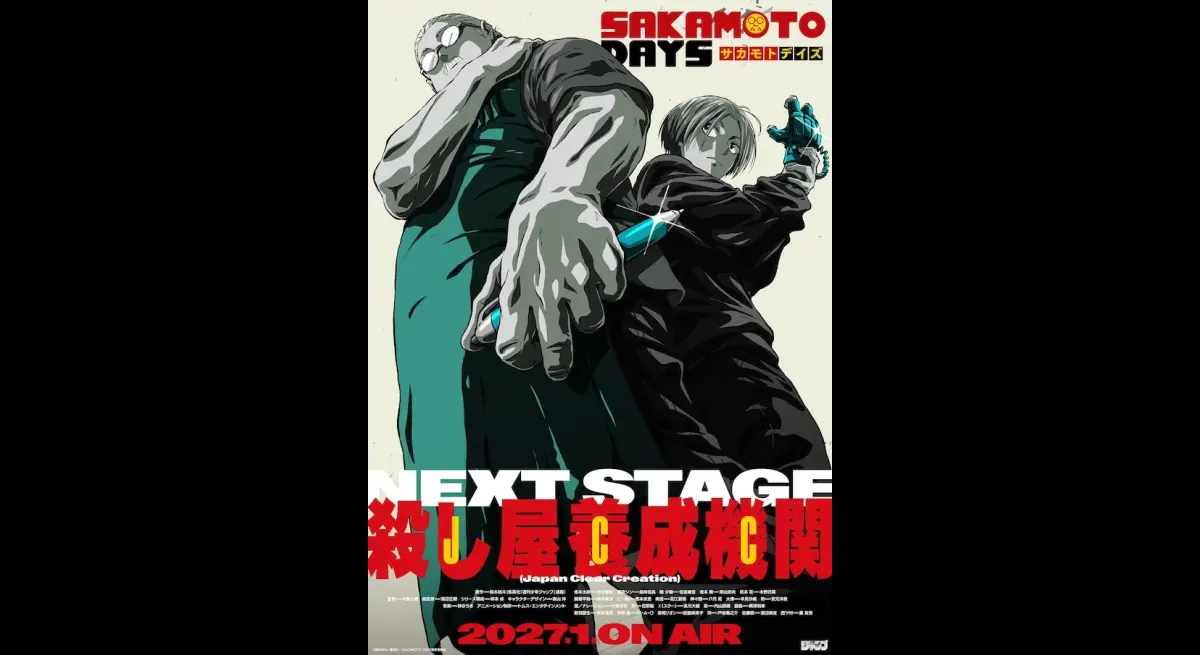
An anime television series adaptation of Sakamoto Days, produced by TMS Entertainment, aired from January to March 2025, with a second part airing from July to September of the same year.
Part 1 of Season 1 spent ten consecutive weeks on the Netflix Global Top 10 TV (non-English) list — a testament to how broadly the action-comedy formula resonated with international audiences.
The anime faithfully preserves the genre balance of the manga. Director Masaki Watanabe aimed to keep the humor sprinkled throughout the original while making the action dynamic and fast-paced — taking advantage of movement, color, and sound to elevate the source material without losing its tone.
You can stream the full series on Netflix, where both parts of Season 1 are available globally.
What Makes Sakamoto Days Unique Within Its Genre?
Plenty of shonen manga mix action and comedy — but Sakamoto Days earns its reputation by doing something subtler: it makes you believe in its protagonist not as a power fantasy, but as a person.
The series successfully balances character development with action, with a strong cast, an engaging premise, and effective execution — praised by critics for its unique premise and engaging storytelling.
The Sakamoto Days anime has also been compared by fans to films like John Wick — a stylish, grounded action world — but filtered through a warm domestic comedy lens. That combination is genuinely rare.
By August 2025, the manga had over 15 million copies in circulation a number that reflects just how effectively its genre blend has connected with readers worldwide.
For a deeper dive into the anime's themes and reception, Anime News Network's coverage offers thorough critical analysis of the series.
Conclusion
So, what genre is Sakamoto Days? It's a shonen action-comedy manga with real dramatic depth, crime thriller undertones, and a beating heart at its center. It doesn't just belong to one genre — it earns all of them by executing each one with genuine craft.
Whether you pick it up for the incredible fight sequences, the laugh-out-loud humor, or the surprisingly moving family story, Sakamoto Days will deliver. It's one of those rare series that doesn't ask you to choose between laughing and being impressed — it makes you do both at the same time.




format(webp))





// Comments