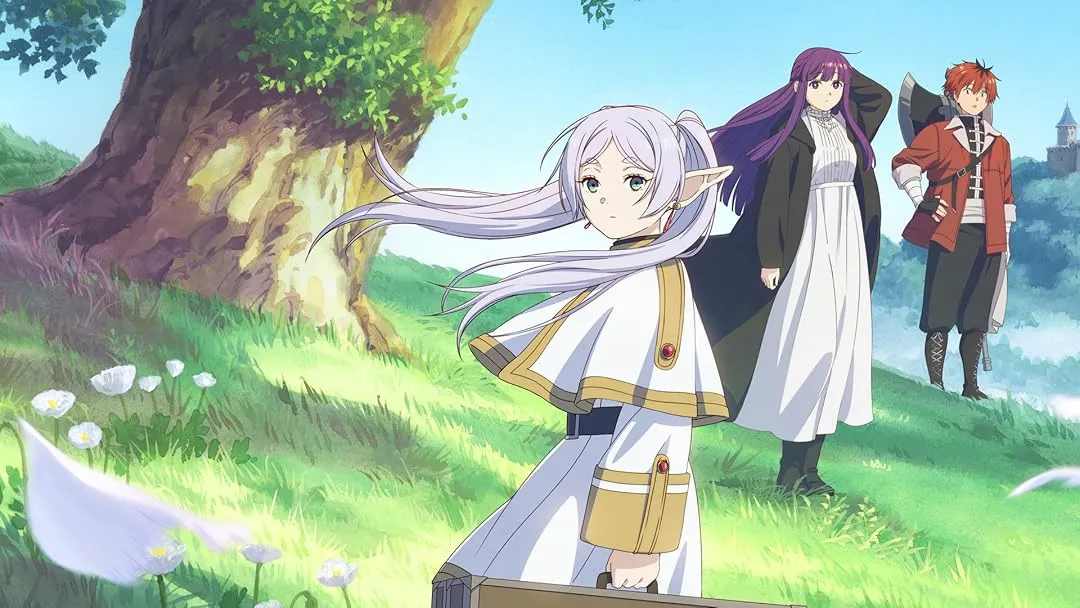
Introduction: The Story Starts Where Others End
In a medium saturated with high-octane battles and "Chosen One" narratives, Frieren: Beyond Journey's End pulls off a daring magic trick: it skips the adventure entirely.
The series opens not with the beginning of a grand quest, but with the credits rolling. The Demon King is dead. The world is saved. Confetti rains down on the Hero Party. But for Frieren, the elven mage of the group, this "happily ever after" is merely a blink of an eye. This inversion of the Hero’s Journey sets the stage for a masterpiece that cares less about how a hero saves the world, and more about how they live in it afterwards.
1. The Post-Quest Narrative (Inverting the Structure)
Most fantasy stories operate on a linear path toward a climax. Frieren operates in reverse. The "climax" happened 50 years ago. The narrative engine of the show isn't an external threat, but an internal realization.
After witnessing the death of her former companion, the hero Himmel, Frieren realizes she never truly "knew" him because his 70-year life was a mere fraction of her millennia-long existence. The show is a "retracing" of steps—a pilgrimage to understand the hearts of the dead. It proves that the most important battles aren't fought with swords, but with memories.
 Also Read10 Best Anime of the 2020s, Ranked
2. Time as the Main Character
The true antagonist of Frieren is Time itself. The series brilliantly visualizes the disconnect between an immortal being and mortal humans.
- The Elf’s Dilemma: To Frieren, a ten-year adventure feels like a weekend trip. This apathy is not malice; it is a biological difference in perception.
- The Emotional Arc: The beauty of the show lies in Frieren fighting against her own nature. She is an eternal being learning to value the finite. Every sunrise she watches with her new apprentice, Fern, is an active attempt to cherish a fleeting moment she would have previously ignored.
3. Subverting "Power" and Magic
In modern "Isekai" or fantasy anime, magic is often treated like a video game mechanic—nuclear explosions and stat sheets. Frieren returns magic to its roots: folklore and wonder.
Frieren is one of the most powerful mages in history, yet she is rarely shown training for combat. Instead, she spends months searching for "useless" grimoires, like magic that cleans bronze statues or magic that creates a field of flowers. The show posits that true power isn't about destruction; it's about the ability to create small moments of beauty in a harsh world.
4. A "Seinen" Approach to Grief
This is a mature (Seinen) anime disguised as a shonen adventure. It trusts the audience. It does not rely on melodramatic screaming or heavy-handed exposition to convey sadness.
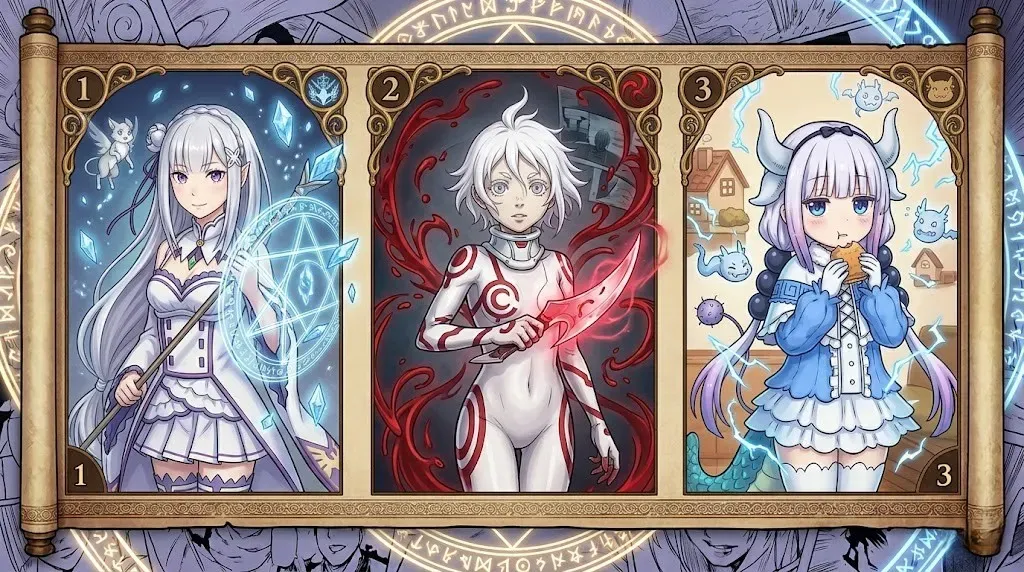 Also Read15 Best Anime Girls With White Hair, Ranked
- Restraint: The animation, produced by Madhouse, is characterized by quiet gestures—a lingering glance at a rusty sword, a hand trembling, or a silent walk through a snowy graveyard.
- Alive World-Building: The ruins Frieren visits aren't just background art; they are historical markers. The world ages with the characters. Statues rust, forests overgrow battlefields, and legends fade into myths.
Conclusion
Frieren: Beyond Journey's End is a breath of fresh air because it dares to be slow. It understands that the tragedy of immortality isn't living forever—it's watching everyone else die. By focusing on the quiet aftermath rather than the loud conflict, it has rewritten the rules of the fantasy genre, proving that a story about "nothing happening" can be the most moving story of all.





format(webp))












// Comments