Introduction: The Shonen Obsession with Legacy
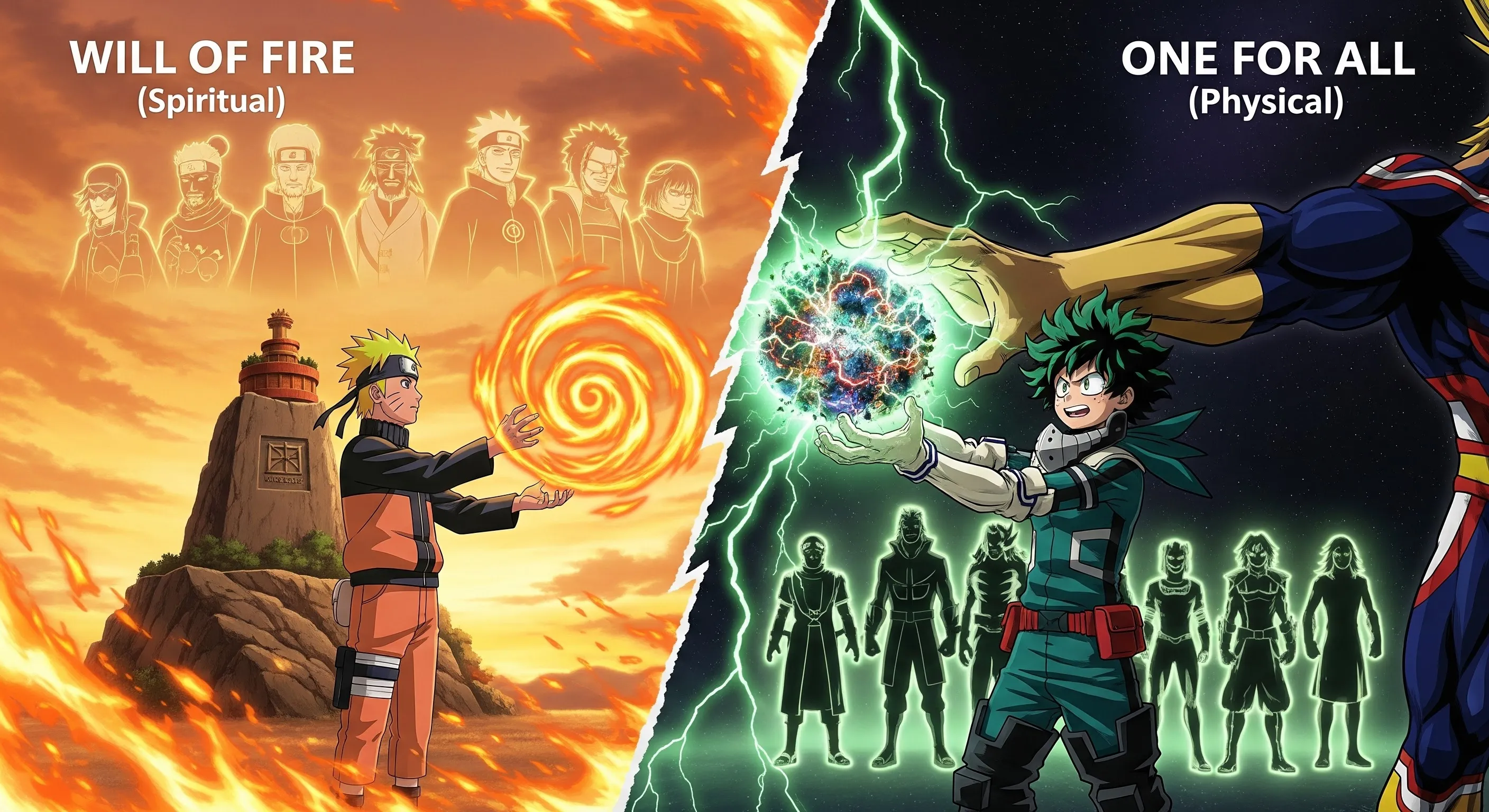
In shonen storytelling, power is rarely just about physical strength; it is about heritage. The protagonist rarely stands alone—they stand on the shoulders of giants. Two series define this trope better than any others: Naruto, with its philosophical "Will of Fire," and My Hero Academia, with its biological superpower "One For All."
While Naruto set the standard for spiritual succession, My Hero Academia took that concept and literalized it. One For All is widely considered the "perfected" version of the Will of Fire because it converts an abstract ideal into a tangible, accelerating force of nature.
Here is how the torch was upgraded from a feeling to a weapon.
1. From Symbolic to Tangible Inheritance
The fundamental difference lies in what is actually passed down.
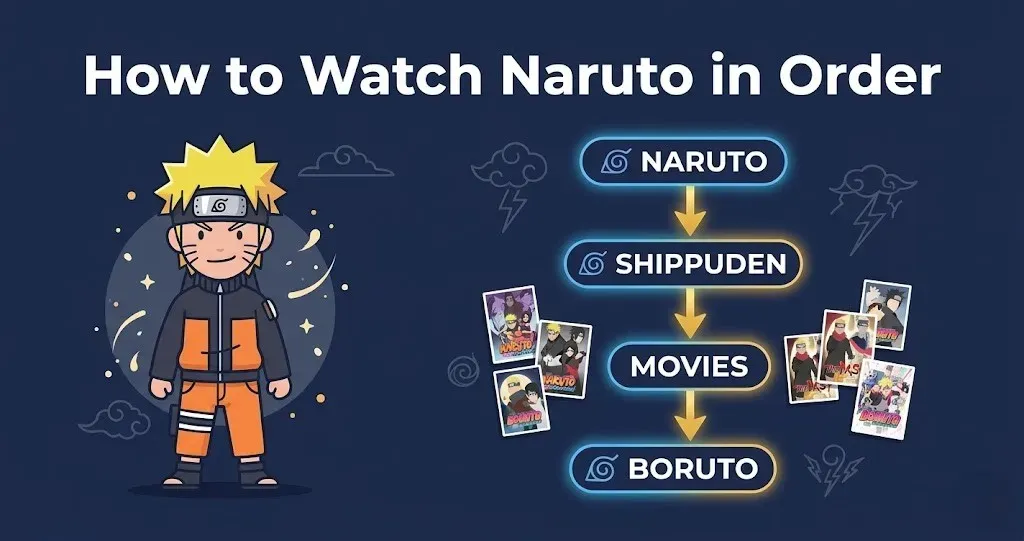
 Also ReadNaruto vs Pain: Full Episode Breakdown & Attacks
- The Will of Fire (Naruto): This is a meme (in the Dawkins sense)—an idea passed from generation to generation. It is the belief that the village is a family and that the old must sacrifice themselves for the young. However, it is entirely intangible. A ninja must choose to believe in it.
- One For All (MHA): This is a biological reality. It is a physical "torch" passed via DNA. It represents the collective will of the past, but it doesn't require faith to exist—it exists as a chaotic, physical energy coursing through the user’s veins. It forces the user to carry the burden physically, not just mentally.
2. The Mechanics of Accumulation (The Snowball Effect)
In Naruto, the successor is not guaranteed to be stronger than the predecessor. Hiruzen Sarutobi was a "Professor," but he didn't physically inherit Hashirama’s wood style. The power resets with every generation, requiring the new hero to build themselves up from zero.
In My Hero Academia, the inheritance is cumulative. One For All is a "stockpiling" quirk.
- The Power Interest Rate: User 4 is stronger than User 3 simply because they held the power longer.
- The Result: By the time it reaches Izuku Midoriya (the 9th), it is no longer just a superpower; it is a singularity. It converts the abstract idea of "standing on the shoulders of ancestors" into a literal game mechanic where Deku starts with the combined strength of eight lifetimes.
3. The "Vestiges": Active Mentorship vs. Silent Statues
The most distinct evolution is how the past interacts with the present.
 Also ReadHow Many Seasons Does Naruto Have? Complete Season Breakdown
- Silent Statues: In Naruto, the previous Hokage are faces on a mountain. They are memories and legends, but they cannot offer advice (unless reanimated by forbidden jutsu).
- Living Ghosts: In My Hero Academia, the previous users exist as "Vestiges" within the quirk. They are conscious, active participants in Deku’s mind. They provide real-time strategy, emotional support, and warnings. It turns "legacy" from a history book into a group chat living in the protagonist's head.
4. The Arsenal: Inheriting the Tools
The Will of Fire asks the new generation to protect the village, but it doesn't give them the specific tools to do so. Naruto had to learn the Rasengan himself; he didn't just "download" Minato’s knowledge.
One For All evolved to pass down the "Quirk Factors" of previous users. Deku doesn't just get the strength; he gets Blackwhip (User 5), Float (User 7), and Danger Sense (User 4). He literally inherits the tools of his ancestors, allowing him to fight with the versatility of an entire team.
5. Perfecting the "Vessel"
Finally, One For All introduces a tragic condition that creates a "perfect vessel."
- The Curse of Blood: In Naruto, lineages (like the Uchiha or Hyuga) often come with baggage and "curses of hatred."
- The Empty Cup: It is revealed that One For All burns out the bodies of those who already have quirks. It can only be safely held by the Quirkless—those who are empty cups. This makes the inheritance inherently democratic and selfless. It isn't for the "chosen bloodline"; it is for the one who has nothing, and therefore can hold everything.
Conclusion
One For All is the Will of Fire with a "power-up" mechanic. It takes the beautiful, poetic idea of inheriting a dream and turns it into a literal, physical system. While Naruto taught us that ideals never die, My Hero Academia taught us that ideals—like power—grow stronger, heavier, and more dangerous with every hand that holds them.






// Comments