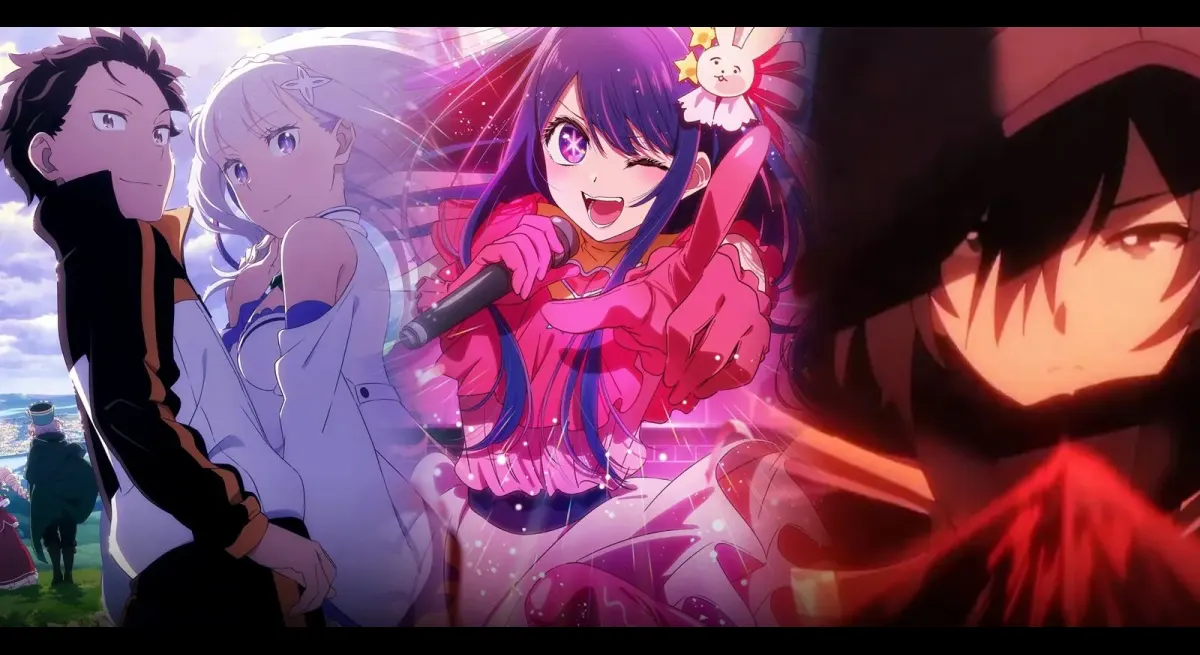
Kadokawa Takes Legal Action Against Anime YouTubers
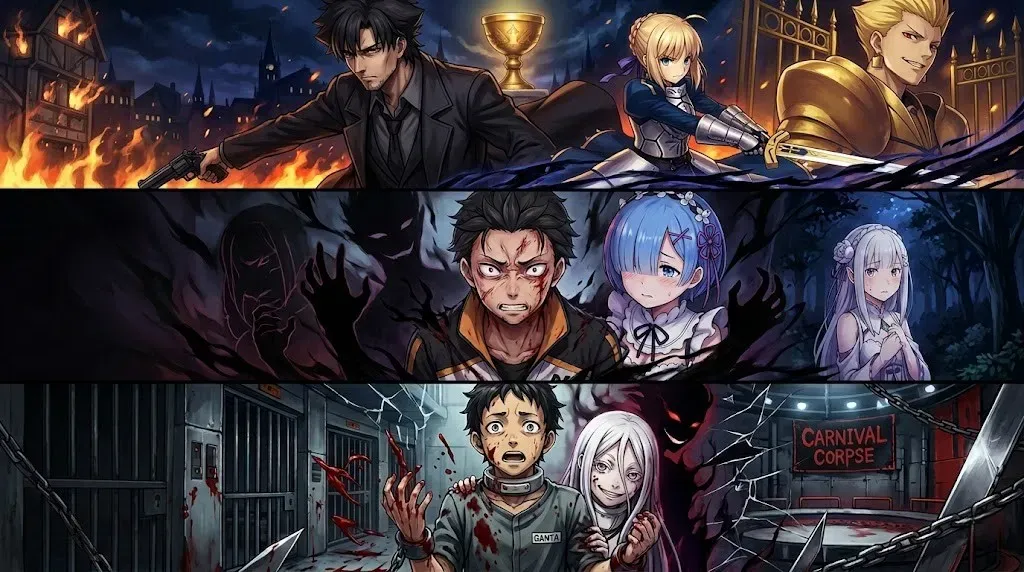
Japanese publisher Kadokawa, known for popular works like Re:ZERO and Oshi no Ko, is now targeting anime YouTubers in its fight against copyright infringement and piracy. The company has been involved in a legal battle with three South Korean YouTubers since January this year regarding the nature of their uploaded content.
The channels, run by creators Bongseop Kim, Woohyuk Yang, and Youngyoon Ko, post recap videos of various anime, including titles owned by Kadokawa, with custom narration over the footage. Kadokawa views this as piracy and has been trying to unmask the creators' identities by requesting a DMCA subpoena.
The Fair Use Debate
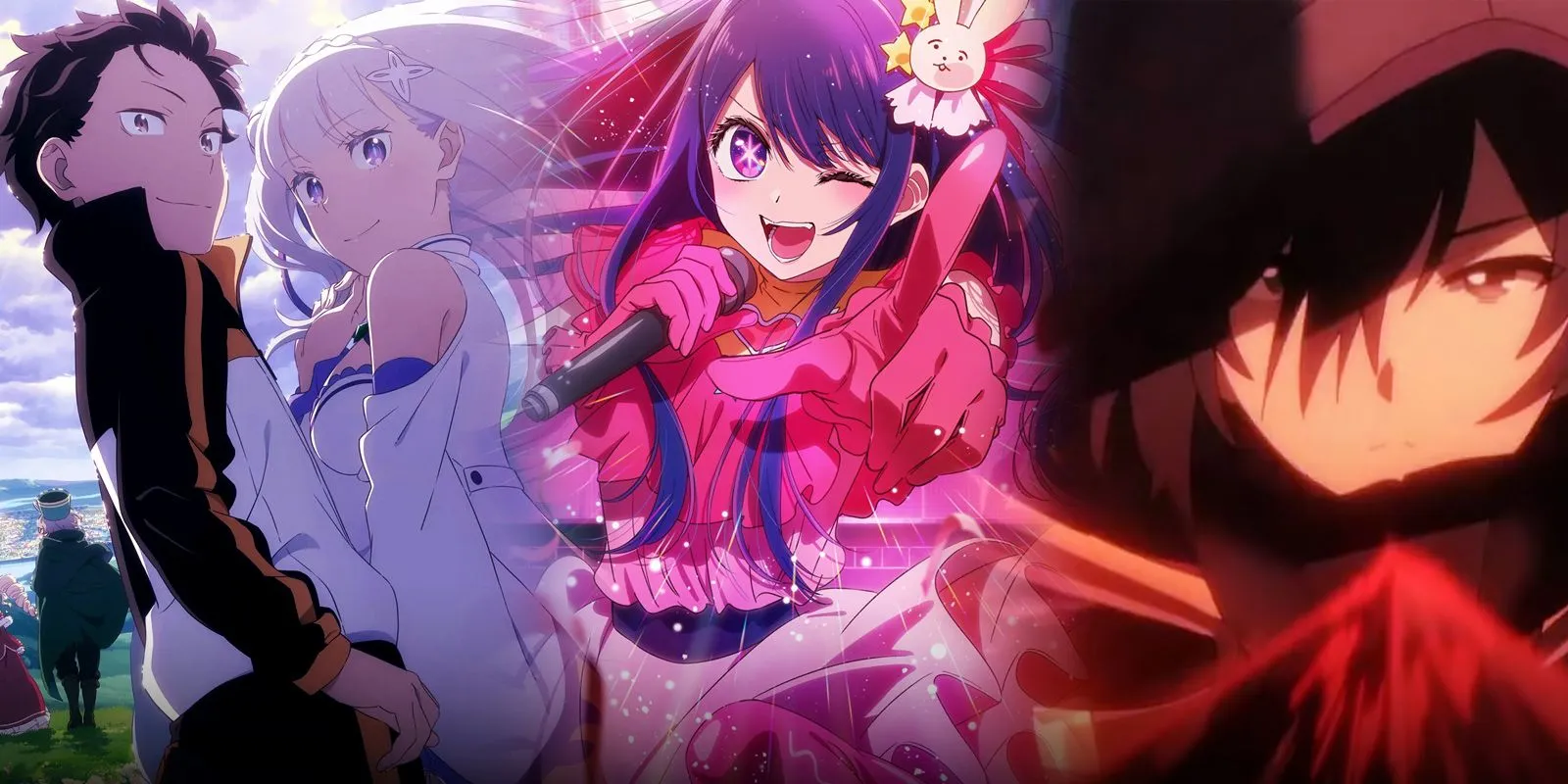
The YouTubers argued that their content fell under fair use, as their videos were not mere reproductions of the copyrighted content and used only limited portions of the underlying works. However, a U.S. court has now ruled that their content did not qualify as fair use, stating that reproducing significant portions of Kadokawa's content without sufficient transformation is not permitted by law.
This ruling has implications for the anime community, as it highlights the importance of understanding fair use and copyright laws for content creators. The case also raises questions about the balance between fan engagement and copyright protection, particularly in the context of online content creation.
Implications for the Anime Community
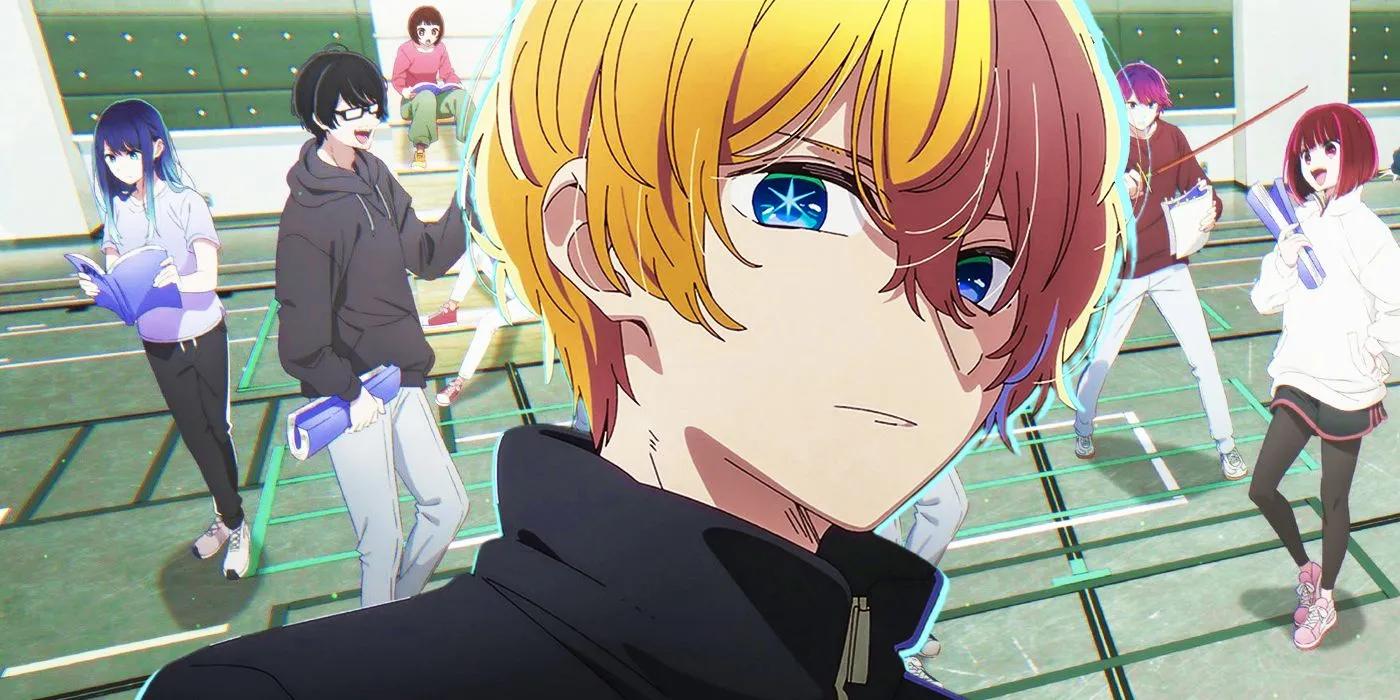
The ruling is not the first time copyright holders have targeted recap channels or summary platforms. In April 2026, a spoiler website's operator was convicted for publishing highly detailed plot summaries for properties like Kadokawa's Overlord III and Toho's Godzilla Minus One. The court handed the accused an 18-month suspended prison sentence and a 1 million yen fine.
Similarly, publisher Shogakukan, which has serialized many hit titles -- including Frieren and Detective Conan, previously secured a provisional court order to unmask a YouTube creator who uploaded video recaps of the manga Ushijima the Loan Shark. The court made a landmark declaration that even if a creator removed all original artwork and presented only the dialogue and scene progression through text or narration, it would still constitute copyright infringement because it replaced the need to purchase the original work.
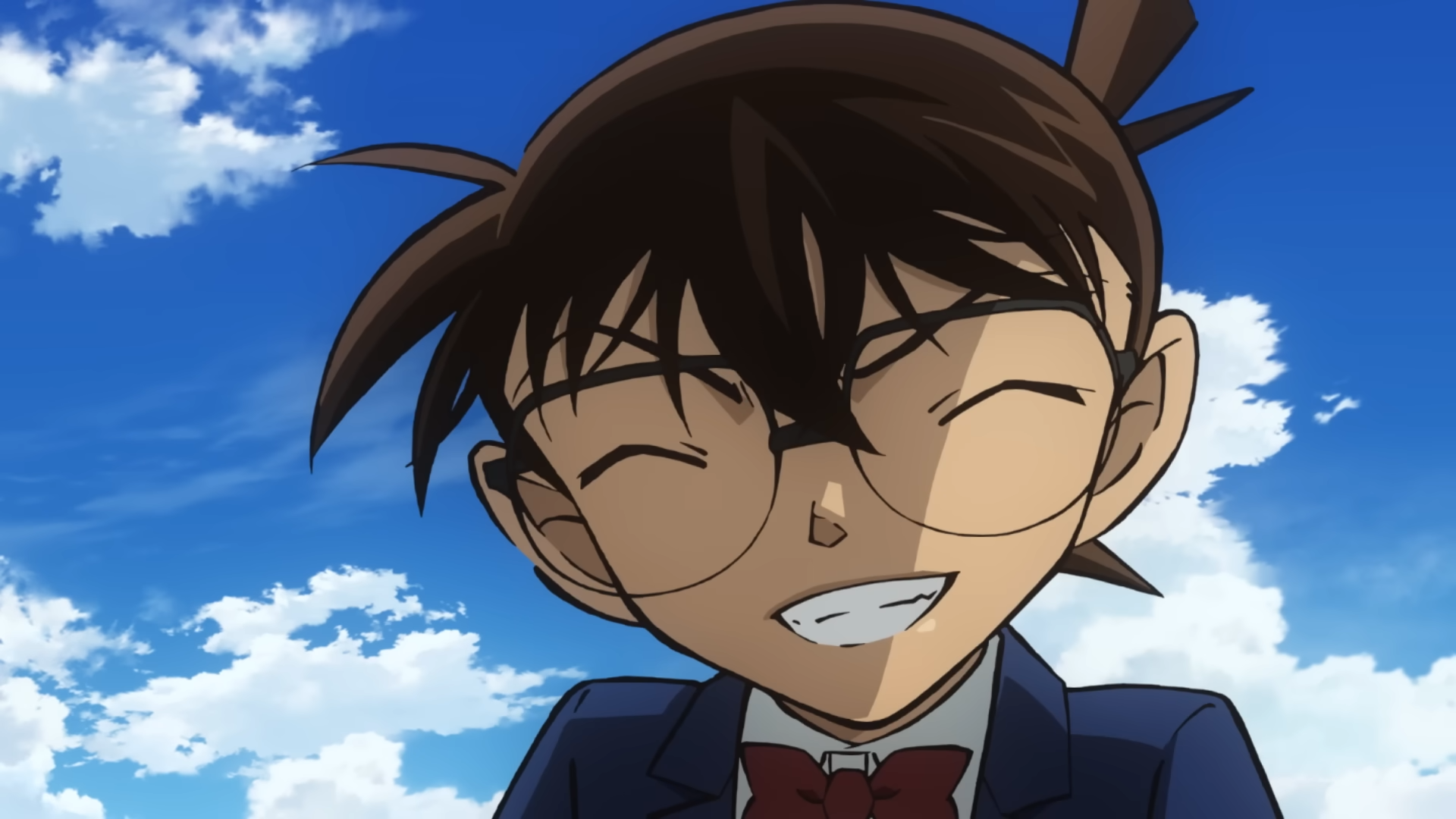 Also ReadDetective Conan: Everything You Need to Know About the Legendary Anime
 format(webp))




// Comments