Introduction to Character Deaths in Jujutsu Kaisen
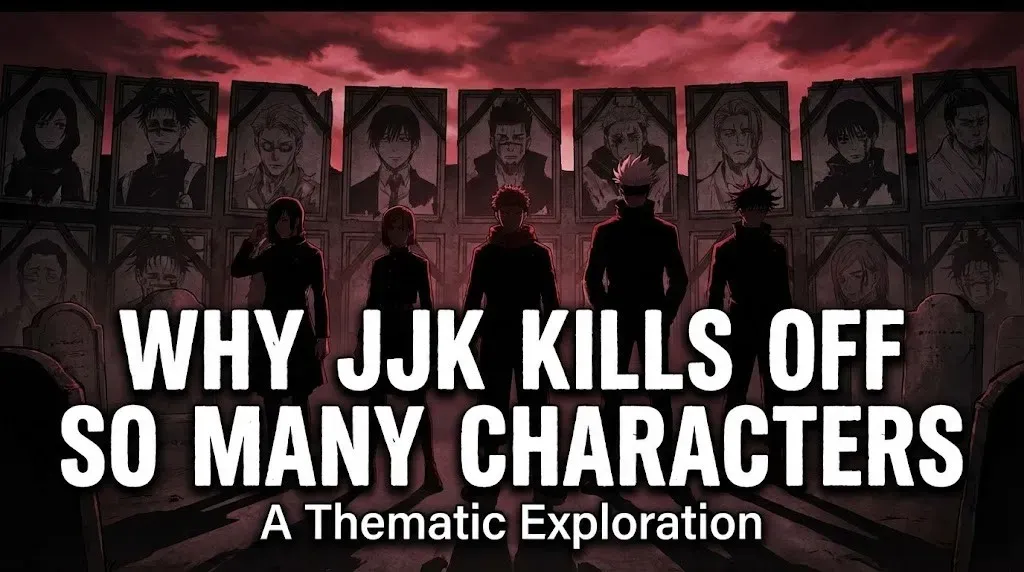
Jujutsu Kaisen has carved a unique niche in the anime world, primarily known for its uncompromising and often heartbreaking narrative. Unlike many long-running series where the main cast enjoys a sense of security, JJK character deaths are frequent, sudden, and deeply impactful. From the very first arc, the story establishes a world where being a jujutsu sorcerer is a profession defined by trauma and loss. This high mortality rate is not merely a gimmick; it is a fundamental part of the series' identity, reinforcing the idea that the battle against curses is a high-stakes war with no guarantees of survival. Whether in the manga or the anime adaptation, fans have learned to expect the unexpected, as no character—regardless of their popularity or power—is truly safe from the relentless progression of the plot.
 Also ReadSukuna's World-Cutting Slash Explained
Gege Akutami’s Writing Style and Narrative Philosophy
The driving force behind this brutal storytelling is the author, Gege Akutami. Gege Akutami writing is characterized by a pragmatic and often unsentimental approach to character arcs. Akutami prioritizes the internal logic of the world and the momentum of the narrative over traditional tropes like fan service or the "power of friendship." This philosophy is rooted in the concept of a "proper death," a theme introduced early through the protagonist, Yuji Itadori. Akutami explores the idea that in a world filled with monsters born from human malice, dying with dignity or for a clear purpose is a rare and precious thing. By refusing to shield characters from the consequences of their choices, Akutami creates a story that feels grounded in a harsh reality, where the cost of victory is often paid in blood.
Raising the Stakes: How Death Creates Tension in Shonen
In many traditional series, the stakes in shonen can feel artificial because the audience knows that the core heroes will ultimately survive. Jujutsu Kaisen subverts this by removing the safety net entirely. When characters enter a Domain Expansion or face a Special Grade curse, the tension is genuine because the threat of death is absolute. This lack of predictability keeps the audience emotionally invested and constantly on edge. The heightened stakes serve several narrative purposes:
- It validates the power of the antagonists, making them feel like legitimate threats rather than obstacles to be overcome.
- It forces the protagonists to grow and adapt under extreme pressure, often leading to more creative and desperate combat strategies.
- It ensures that every victory feels earned and every sacrifice carries a permanent weight that changes the course of the story.
 Also ReadThe Mahoraga Ritual Rules Explained
Iconic JJK Character Deaths and Their Impact on the Plot
Throughout the series, several iconic JJK character deaths have acted as major turning points. The tragic fate of Junpei Yoshino served as a wake-up call for Yuji, stripping away his naive outlook on saving everyone. The Shibuya Incident, however, remains the pinnacle of this narrative ruthlessness. The loss of Kento Nanami and the devastating circumstances surrounding Nobara Kugisaki fundamentally shifted the tone of the series from high-school action to a grim war of attrition. These deaths were not merely for shock value; they forced the survivors to reassess their motivations and hardened their resolve. For instance, Nanami’s final words to Yuji became a curse and a blessing, a legacy that Yuji had to carry forward in his fight against Mahito and Sukuna. Each death leaves a vacuum that reshapes the dynamics of the remaining cast, ensuring the story never stagnates.
The Role of Tragedy in Modern Dark Shonen
Jujutsu Kaisen is a leading example of the "Dark Trio" era, alongside Chainsaw Man and Hell’s Paradise. This subgenre embraces anime tragedy as a means to explore deeper philosophical questions about life, death, and human nature. In JJK, tragedy is used to highlight the isolation of the strong and the burden of those left behind. The series doesn't just focus on the moment of death, but on the lingering trauma and the "will" that is passed from one generation of sorcerers to the next. This focus on the darker aspects of the human experience resonates with modern audiences who appreciate stories that reflect the complexities and uncertainties of real life. The tragedy within JJK serves to humanize the sorcerers, making their fleeting moments of joy and camaraderie feel all the more significant.
Why Low Plot Armor Makes Jujutsu Kaisen Unique
Plot armor is a common literary device where a character survives impossible odds simply because they are essential to the plot. In Jujutsu Kaisen, plot armor is remarkably thin. Akutami has demonstrated a willingness to sideline or kill off characters who, in any other series, would be considered untouchable. Even Satoru Gojo, the strongest sorcerer in the world, is not immune to the narrative's consequences. This approach makes the power system feel more objective; if a character makes a tactical error or faces a superior opponent, they suffer the consequences regardless of their role in the story. This unique transparency builds a sense of trust with the reader, as the outcomes of battles feel determined by strategy and power rather than authorial intervention.
Conclusion: The Legacy of Sacrifice in JJK
Ultimately, the frequency of character deaths in Jujutsu Kaisen serves a greater narrative purpose than mere shock. It underscores the theme of legacy and the collective effort required to confront overwhelming evil. While it can be painful for fans to say goodbye to their favorite characters, these deaths provide the emotional foundation that makes the series so compelling. The legacy of sacrifice ensures that those who fall are never truly forgotten, as their influence continues to guide the survivors through the darkness. By embracing the reality of loss, Jujutsu Kaisen reminds us that while death is inevitable, the impact a person leaves behind can change the world forever.









// Comments