

Introduction to Dragon Ball’s 40-Year Anime Legacy
For four decades, the Dragon Ball franchise has stood as the undisputed titan of the medium. Since its serialization began in 1984, the Dragon Ball anime legacy has redefined the shonen genre, moving from a comedic adventure inspired by Journey to the West to a high-stakes martial arts epic. It popularized the "battle shonen" tropes that many fans take for granted today, such as power levels, training arcs, and world-shattering transformations. The journey of Son Goku from a small boy with a tail to a divine warrior has not just been a story; it has been a global cultural phenomenon that bridged the gap between Eastern and Western audiences. Celebrating over 40 years of Dragon Ball means acknowledging its role as the gateway for millions into the world of Japanese animation.
 Also ReadYuichi Nakamura as Loki in "ONE PIECE": Elbaf Edition OP by Aina The End
Analyzing the Potential Decline in Dragon Ball Popularity
Despite its massive history, some critics and long-time fans have begun to question if we are witnessing a Dragon Ball popularity decline. While the franchise continues to generate massive revenue, recent installments like Dragon Ball Super have faced criticism regarding narrative consistency and animation quality compared to the legendary Z era. Some argue that the series has become overly reliant on "nostalgia bait" and repetitive power scaling. The gap in consistent television serialization—specifically the years between the end of the Super anime and the announcement of new projects—led to a period where the series felt stagnant. Furthermore, the passing of creator Akira Toriyama has raised concerns about whether the series can maintain its unique soul without its original visionary at the helm.
Dragon Ball vs Modern Anime: A 21st Century Comparison
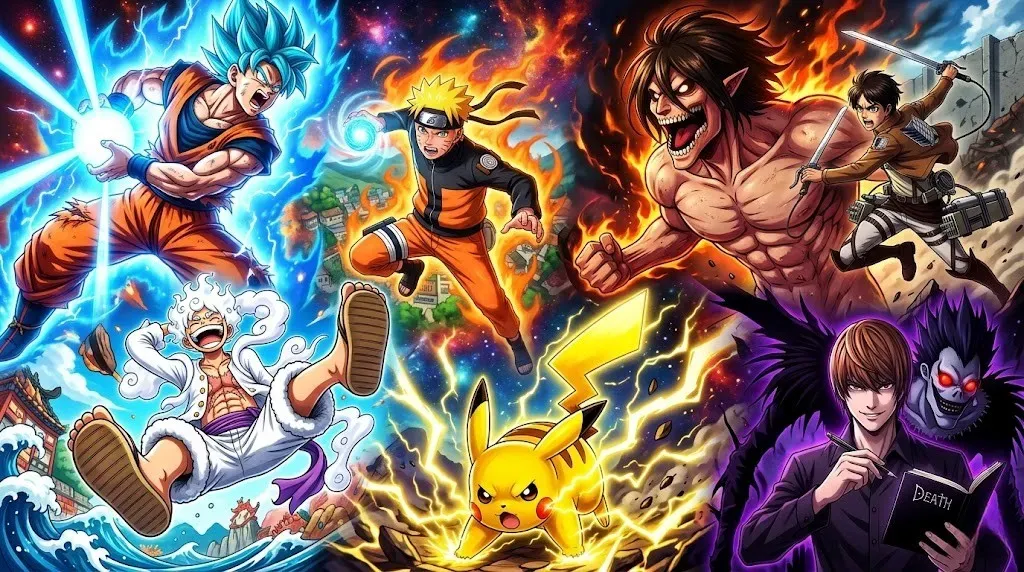
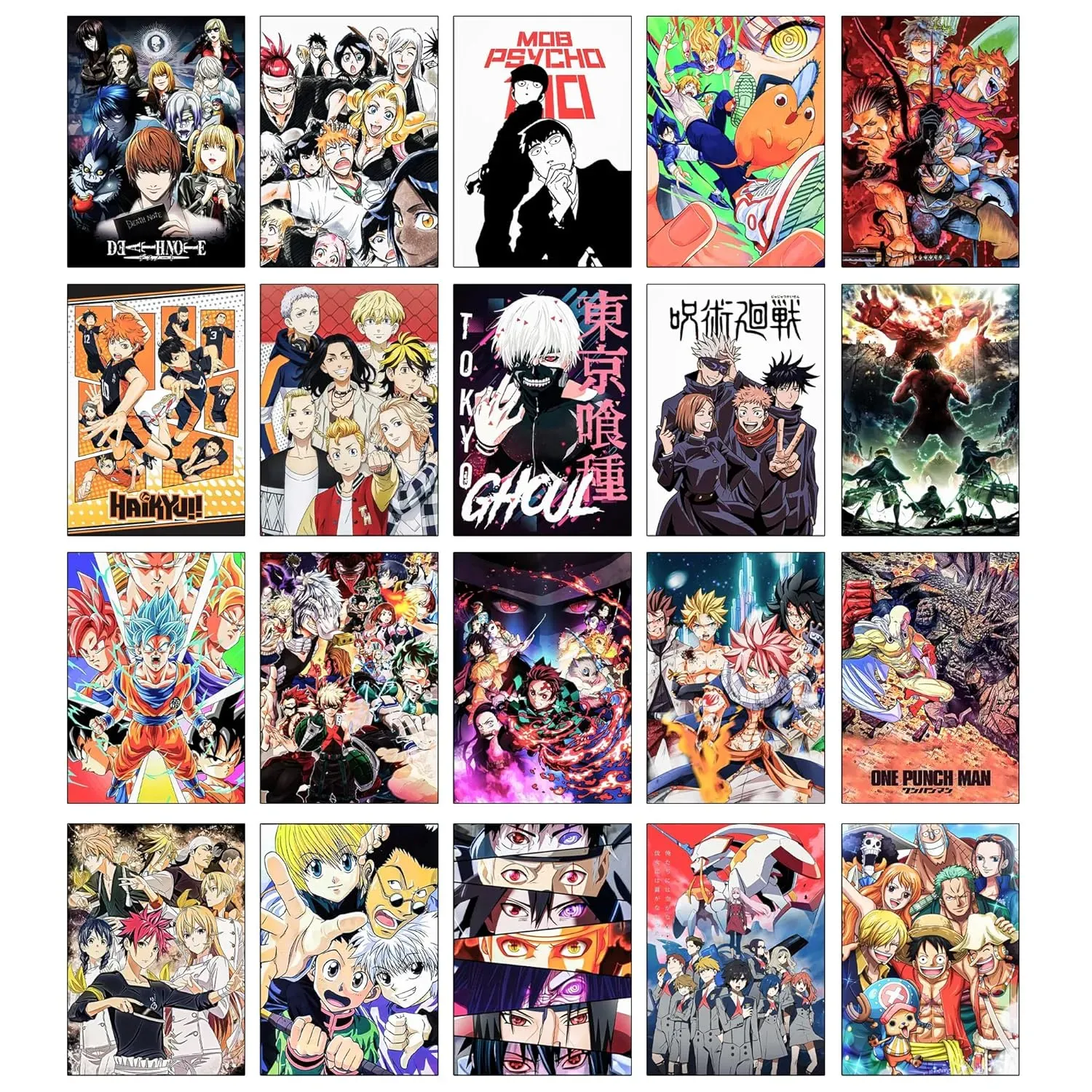
The landscape of the industry has changed drastically, leading to a direct showdown of Dragon Ball vs modern anime. In the current era, new hits like Jujutsu Kaisen, Demon Slayer, and Attack on Titan offer complex narratives and high-fidelity animation that challenge the older, simpler storytelling style of the 90s. When looking for the most popular anime 21st century lists, Dragon Ball often shares the spotlight with series like Fullmetal Alchemist: Brotherhood and One Piece. While Dragon Ball popularized the "idiot hero" archetype, modern protagonists often exhibit more psychological depth and moral ambiguity. However, Dragon Ball’s influence remains transparent; series like Naruto and My Hero Academia are open about how they built upon the foundations Goku laid, showing that while the style of combat has evolved, the DNA of the shonen king is still present in every "New Gen" hit.
 Also ReadOne Piece Chapter 1180 "Omen" Spoilers: Imu's God-Like Power Destroys Zoro & Sanji
The Future of the Dragon Ball Franchise
Looking ahead, the future of Dragon Ball franchise projects appears more diverse than ever. Toei Animation and Shueisha are pivoting toward a multi-media strategy to ensure longevity. This includes:
- New anime series like Dragon Ball Daima, which seeks to return to the franchise's adventurous roots.
- Continued manga serialization in Super, expanding the lore beyond the reaches of the original anime.
- A massive presence in the gaming industry with titles like Sparking\! Zero, which keeps the characters relevant for younger generations.
- High-budget cinematic releases that have proven to be global box office successes, such as Dragon Ball Super: Broly and Super Hero.
Is the Anime Throne Finally Falling?
So, is the throne finally falling? If we measure "the throne" by cultural impact and brand recognition, the answer is likely no. While newer series may peak higher in temporary social media trends or offer "sharper" seasonal animation, Dragon Ball maintains a level of "multi-generational retention" that modern shows have yet to prove. It is a "forever brand" similar to Star Wars or Marvel. However, in terms of critical storytelling dominance, the throne is certainly being shared. The market is no longer a monopoly; it is a crowded field where 40 years of Dragon Ball must compete with fresh, innovative voices that aren't afraid to break the rules that Toriyama once wrote.
Conclusion: The Lasting Impact of 40 Years of Dragon Ball
Whether or not it remains the "number one" series in every metric, the lasting impact of 40 years of Dragon Ball is undeniable. It transformed a niche interest into a global powerhouse and established the archetypes that define heroism in animation. Even if the Dragon Ball popularity decline becomes a statistical reality in the face of newer hits, its legacy is cemented in the very structure of the industry. Goku’s journey has taught generations about perseverance and self-improvement, ensuring that even if the throne moves, the legend of the Dragon Balls will never truly disappear from the hearts of fans worldwide.






















// Comments