
Introduction to How Beerus and Whis Improved Dragon Ball Super
When Dragon Ball Super first debuted, it faced the monumental task of succeeding one of the most beloved anime franchises in history. While the series initially struggled with animation quality and retreading movie plots, the introduction of Lord Beerus and his attendant, Whis, marked a turning point. These two characters provided a necessary Dragon Ball Super character improvement by expanding the universe's scale and shifting the power dynamics away from the repetitive cycle of simply finding a stronger villain to punch. By introducing the concepts of Gods of Destruction and Angels, the series found a fresh path forward that bridged the gap between the classic Z-era feel and a modern DBS storytelling evolution.
 Also ReadMost Viewed Anime of All Time?
Initial Criticism of New Dragon Ball Super Characters
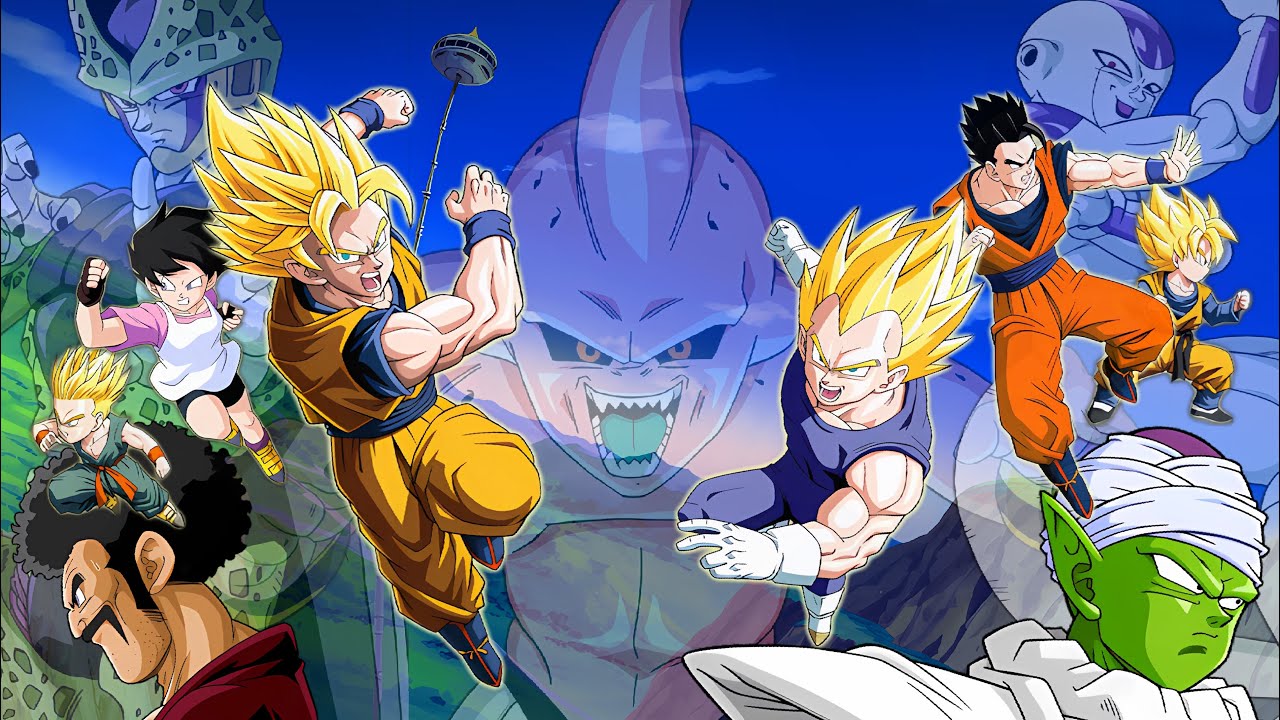
The arrival of Beerus and Whis was not without its detractors. Early on, many fans expressed significant Dragon Ball Super criticism, arguing that the duo felt like a "get out of jail free" card for the writers. Critics felt that Beerus was too powerful, making the previous struggles of Goku and Vegeta seem irrelevant. Furthermore, some fans missed the high-stakes, life-or-death tension of the Frieza or Cell sagas, viewing the more whimsical and food-obsessed nature of Beerus and Whis as a departure from the series' roots. However, this new DBS characters analysis reveals that these traits were actually essential in preventing the series from becoming a stale imitation of its predecessor.
Analyzing the Impact of Beerus and Whis on the Series
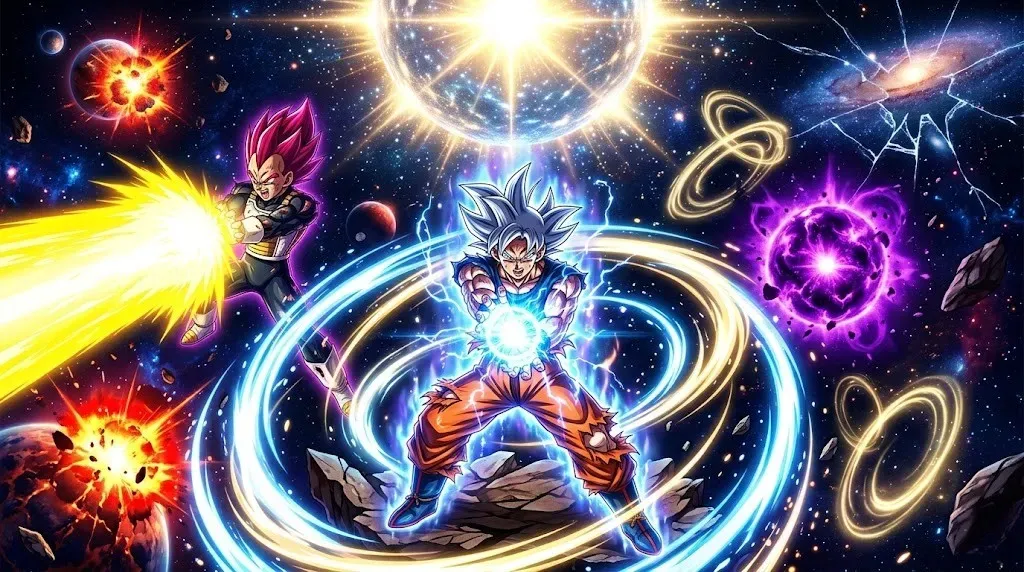
The Beerus and Whis impact on the franchise cannot be overstated. Unlike previous antagonists, Beerus wasn't a villain in the traditional sense; he was a natural force of the universe. This distinction allowed for a more nuanced relationship between the protagonists and the divine. Whis, as a teacher, introduced the concept of Ultra Instinct and divine ki, providing a logical progression for Goku and Vegeta’s power levels. This analytical look at the duo shows they served as the catalyst for the entire multiverse expansion, leading directly into the Tournament of Power and the introduction of other universes, which significantly enriched the lore.
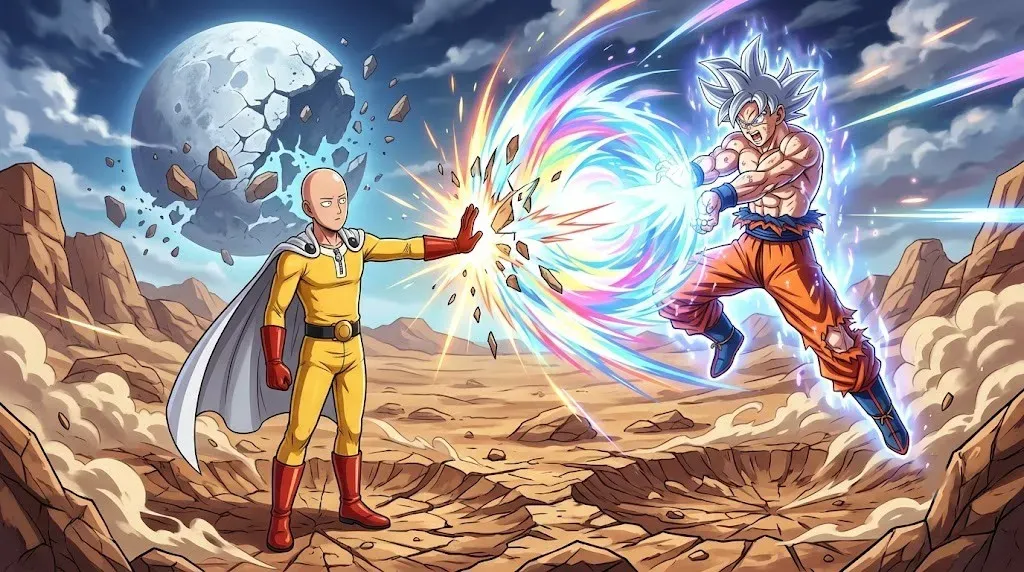 Also ReadSaitama vs Goku: The Best Fan Theories Debunked!
How Beerus and Whis Fixed Dragon Ball Super's Storytelling
To address the Dragon Ball Super criticism fix, the writers used Beerus and Whis to move away from the "villain of the week" trope. They introduced a goal that wasn't just about winning a fight, but about reaching a higher state of being. By having Beerus remain consistently stronger than Goku for the majority of the series, the show maintained a "ceiling" that kept the power scaling from spiraling out of control too quickly. This shift allowed for better pacing and gave the characters a reason to train that felt more organic than simply waiting for the next threat to arrive on Earth.
The Evolution of Character Arcs in Dragon Ball Super
The presence of these deities led to a fascinating Dragon Ball Super character arcs development, particularly for Vegeta. Under the indirect influence and eventual tutelage of Whis, Vegeta evolved from a man obsessed with surpassing Goku to a warrior seeking his own unique path to power, eventually culminating in Ultra Ego. Similarly, Goku’s journey toward Ultra Instinct felt like a spiritual evolution rather than just another transformation. These Dragon Ball Super character arcs benefited from the mentorship and perspective that only immortal beings like Beerus and Whis could provide, adding a layer of depth to the Saiyans' motivations.
Final Thoughts on the DBS Storytelling Evolution
In conclusion, while the series had a rocky start, the DBS storytelling evolution proved that adding divine elements was the right move. The Dragon Ball Super character improvement seen through the lenses of Beerus and Whis provided the longevity the franchise needed to thrive in a new era. They fixed the narrative stagnation by introducing curiosity, humor, and a scale of power that continues to challenge our heroes. Ultimately, Beerus and Whis are no longer just "new" characters; they are the foundation upon which the modern Dragon Ball legacy is built, ensuring that the story remains as dynamic as it is iconic.
















// Comments