
Introduction to the Cartoon Network Rivals
In the mid-2000s, Cartoon Network entered a golden age of action-adventure animation, headlined by two massive powerhouses: Ben 10 and Teen Titans. Both shows redefined what a superhero cartoon could be, blending high-stakes battles with relatable character growth. While Ben 10 took viewers on an intergalactic journey with a single boy and his powerful watch, Teen Titans focused on a team of teenage sidekicks finding their way in Jump City. Decades later, the ben 10 vs teen titans debate remains a hot topic among animation fans. This ben 10 teen titans comparison explores which series truly stands as the king of the era and how they shaped the landscape of cartoon network vs other competitors.
 Also ReadWhere to Watch Ben 10 for Free Legally in 2026
Animation Style and Visual Evolution
The visual identities of both shows were distinct and influenced by the trends of their time. Teen Titans, which debuted in 2003, was famous for its "Amerime" style—a hybrid of Western animation and Japanese anime influences. This allowed for exaggerated facial expressions during comedic moments and fluid, high-energy choreography during fights. It was vibrant, experimental, and perfectly captured the frantic energy of teenage life.
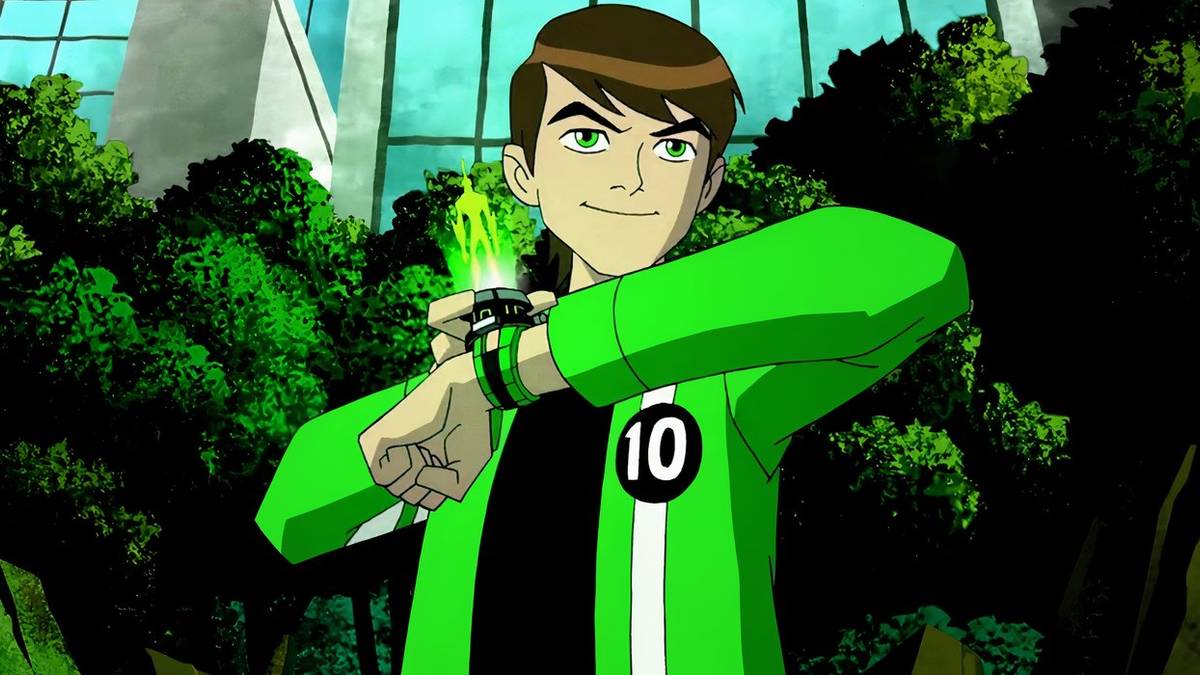
In contrast, Ben 10 (2005) opted for a more traditional, grounded Western comic book aesthetic. The character designs were sharp, and the environments felt cinematic. As the franchise evolved into Alien Force and Ultimate Alien, the art style became more streamlined and mature, before taking a more stylized, retro-modern turn in Omniverse. While Teen Titans remained visually consistent throughout its original run, the Ben 10 franchise showed a greater range of visual evolution across its many sequels.
Character Depth and Team Dynamics
When looking at character depth, the ben 10 vs teen titans comparison highlights two different storytelling strengths. Ben 10 is a character study of Ben Tennyson. We see him grow from an arrogant ten-year-old into a responsible young man who carries the weight of the universe. His relationship with his cousin Gwen and Grandpa Max provides a solid emotional core, but the focus is primarily on Ben’s solo journey as a hero.
Teen Titans, however, is the gold standard for team dynamics. Each of the five main Titans—Robin, Starfire, Cyborg, Beast Boy, and Raven—received dedicated story arcs that explored their unique traumas, insecurities, and strengths. The chemistry between the group made the show feel like a family. Whether it was Raven’s struggle with her demonic heritage or Robin’s obsession with Slade, the character writing was nuanced and deeply emotional, often giving it a slight edge in terms of ensemble development.
 Also ReadBen 10 Timeline & Chronological Order Explained
Plot Complexity and Story Arcs
Both shows moved away from purely episodic content toward serialized storytelling. Teen Titans excelled at season-long arcs, with each season focusing on a specific antagonist or team member. The "Judas Contract" adaptation and the "Terror of Trigon" arc are still cited as some of the best storytelling in animation history. The show wasn't afraid to get dark, often dealing with themes of betrayal, identity, and sacrifice.
Ben 10 took a broader approach to world-building. While it had its share of intense arcs—such as the Highbreed invasion in Alien Force or the mystery of the Feedback transformation in Omniverse—it focused heavily on lore and the expansion of the "Plumbers" intergalactic police force. The plot complexity in Ben 10 often came from its intricate sci-fi elements and the history of the Omnitrix itself. In the cartoon network vs Nickelodeon or Disney battle of that era, these two shows provided the most sophisticated narratives for young audiences.
Action Sequences and Power Scaling
Action is where the ben 10 vs teen titans rivalry gets truly exciting. Ben 10 offers a "gimmick" that never gets old: the ability to transform into dozens of different aliens, each with unique powers. This allowed for creative problem-solving and diverse combat scenarios. Whether he was using the brute strength of Four Arms or the reality-warping abilities of Alien X, the power scaling in Ben 10 eventually reached cosmic levels.
Teen Titans relied on team-based tactics. The action sequences were choreographed to show how different powers—like Starfire’s starbolts and Cyborg’s sonic cannon—could complement one another. The stakes felt personal because the Titans were often physically outmatched by villains like Slade or Brother Blood, forcing them to rely on their wits and bond. While Ben 10 had more raw power, Teen Titans often had more strategic and emotionally resonant fight scenes.
Cultural Impact and Lasting Legacy
The legacy of these shows is undeniable. Ben 10 became a massive commercial juggernaut, spawning four sequel series, a reboot, live-action movies, and a billion-dollar toy line. It proved that an original concept could become a global brand. Even today, the "Omnitrix" is one of the most recognizable icons in pop culture.
Teen Titans left a different kind of mark. It paved the way for more mature, anime-influenced Western shows and remains a beloved cult classic. Its influence is seen in modern hits like Young Justice and even its own comedic spin-off, Teen Titans Go\!. While it didn't have the same longevity in terms of continuous sequels as Ben 10, its impact on the superhero genre and its dedicated fanbase ensure it is never forgotten in any ben 10 teen titans comparison.
Final Verdict: Which Series Reigns Supreme?
Choosing a winner in the ben 10 vs teen titans debate depends on what you value in a series:
- Choose Ben 10 if: You love expansive sci-fi lore, a protagonist who evolves over several years, and the excitement of seeing new "superpowers" via transformations.
- Choose Teen Titans if: You prefer deep emotional character arcs, a tight-knit ensemble cast, and a unique blend of high-stakes drama and quirky humor.
Ultimately, Ben 10 wins on scale and franchise longevity, while Teen Titans wins on character depth and emotional resonance. Both stand as pillars of the Cartoon Network era, and the best way to settle the comparison is to enjoy the incredible storytelling both shows have to offer.




format(webp))










// Comments