

The Pirates Are Evil Speech
In the world of One Piece, few characters possess a worldview as cynical and piercing as Donquixote Doflamingo. His most famous monologue, delivered during the Paramount War at Marineford, serves as the cornerstone of the Doflamingo philosophy. Standing amidst the chaos of the battlefield, he famously remarked that "Pirates are evil? The Marines are righteous? These terms have always changed throughout the course of history!" This wasn't just a taunt; it was a profound observation on the nature of morality in a world defined by conflict. Doflamingo argues that concepts like "good" and "evil" are not inherent truths but are instead labels applied by those who have the strength to impose their will on others.
This speech highlights the Heavenly Yaksha's unique perspective as a former World Noble who was cast down into the gutter. Having seen both the absolute peak of privilege and the absolute depths of human cruelty, Doflamingo recognizes that the "peace" maintained by the World Government is built upon a foundation of suppressed history and systemic violence. By questioning the binary of pirate vs. marine, he forces both the characters and the audience to realize that the victors are the ones who define the dictionary of morality. This nihilistic yet pragmatic approach is what makes Doflamingo quotes One Piece fans remember so vividly; they strip away the romanticism of the pirate age to reveal the cold gears of power turning beneath.
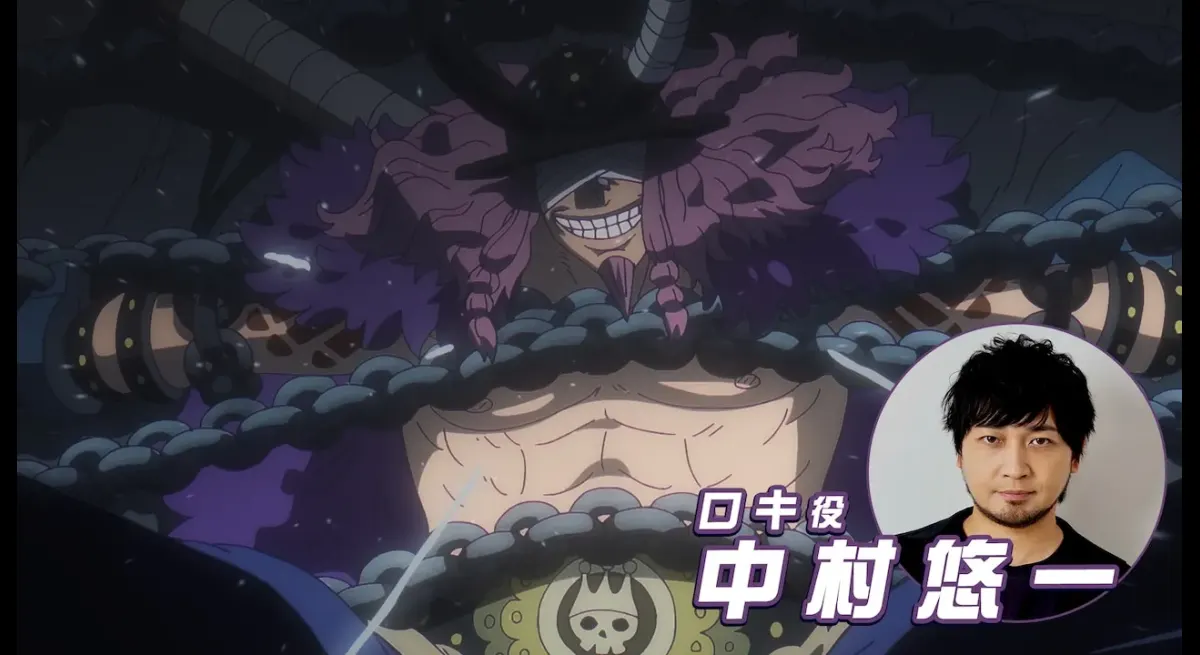 Also ReadYuichi Nakamura as Loki in "ONE PIECE": Elbaf Edition OP by Aina The End
Justice Will Prevail
Continuing his Marineford oration, Doflamingo delivered the chilling punchline: "Justice will prevail, you say? But of course it will! Whoever wins this war becomes justice!" This specific line is perhaps the most defining element of the Doflamingo philosophy. It suggests that justice is not a moral compass or a divine law, but a trophy awarded to the last man standing. In Doflamingo’s eyes, the "justice" of the Marines is only valid because they currently hold the most power. If the pirates were to topple the World Government, their actions would eventually be codified as the new "right."
This perspective on justice explains Doflamingo's behavior as the King of Dressrosa. He maintained a facade of a heroic, benevolent ruler while secretly operating a dark underground empire. To him, as long as he remained undefeated and in control of the narrative, his "justice" was the only one that mattered. He didn't care about being righteous; he cared about being the victor who gets to decide what righteousness looks like. This subversion of the classic shonen trope—where justice always wins—into a cynical political reality is why his character remains one of the most intellectually stimulating in the series.
Doflamingo on Power
To understand the Doflamingo philosophy, one must understand his obsession with power and lineage. Born a Celestial Dragon, Doflamingo believed he was entitled to rule the world by divine right. When his father abdicated that status, Doflamingo learned a brutal lesson: without the shield of authority and the sword of strength, "blood" means nothing in the face of a starving, angry mob. This trauma birthed his desire to reclaim his "rightful" place at the top of the world, not through inherited title alone, but through overwhelming economic and military influence.
He viewed the world as a collection of "trash" to be manipulated. His Devil Fruit, the Ito Ito no Mi (String-String Fruit), is a perfect metaphor for his worldview. He sees people as puppets to be controlled by the strings of fear, debt, and desire. Doflamingo on power is best summarized by his belief that those who cannot keep up with the changing times or lack the "resolve" to do what is necessary are destined to be trampled. He held no sympathy for the weak, believing that the "weak don't get to choose how they die." This social Darwinism drove him to broker deals with Kaido and orchestrate the production of SMILE fruits, ensuring he was indispensable to the world's power balance.
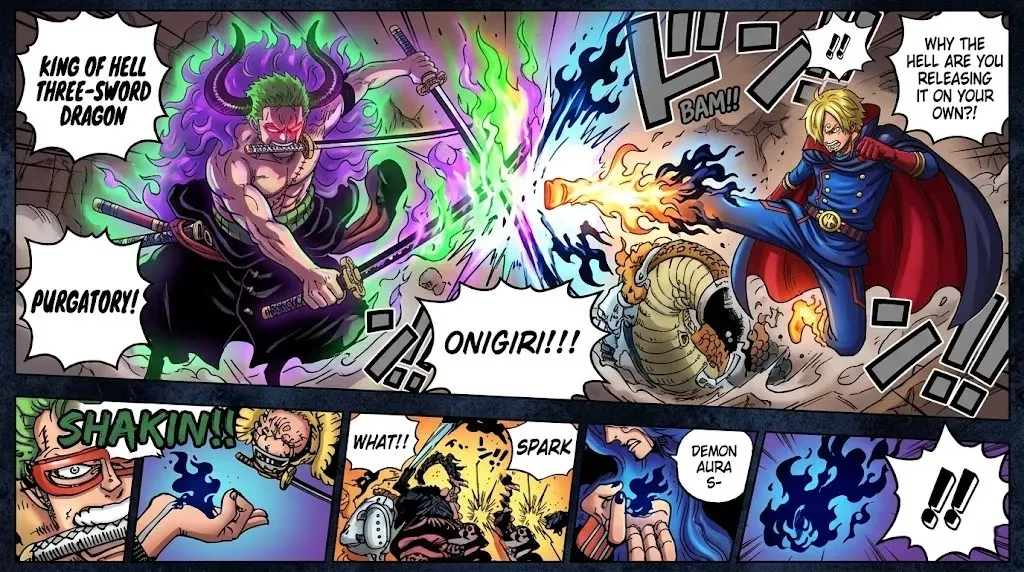
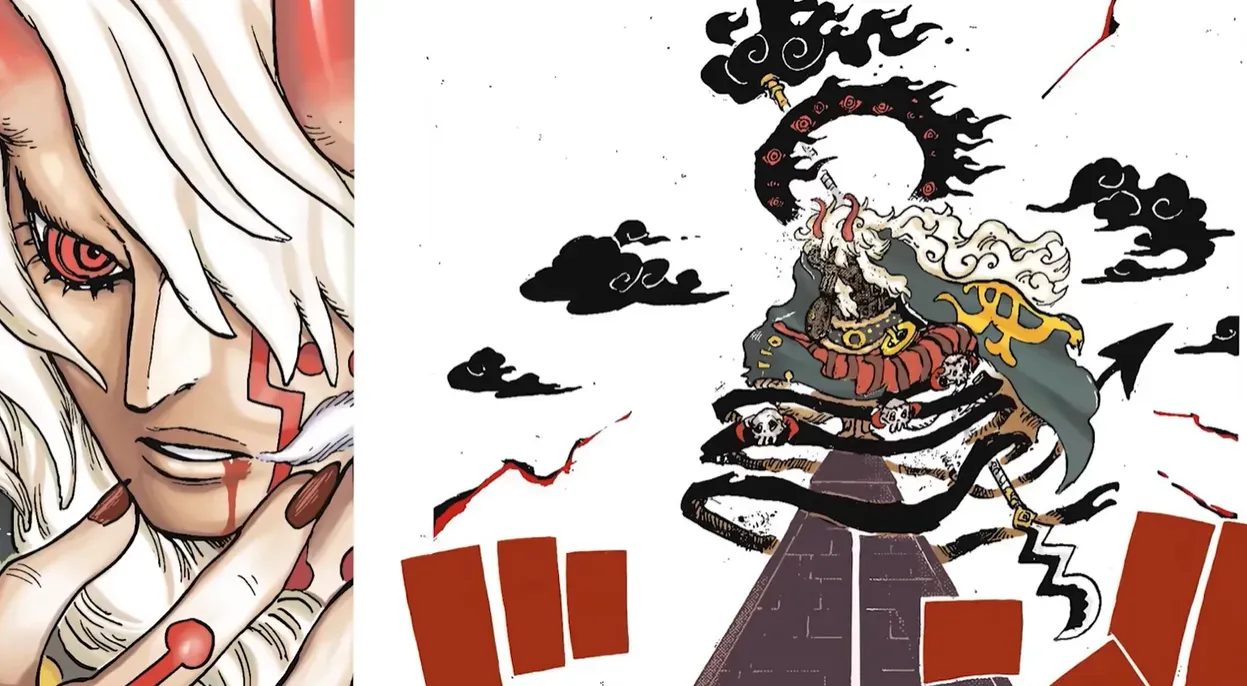 Also ReadOne Piece Chapter 1180 "Omen" Spoilers: Imu's God-Like Power Destroys Zoro & Sanji
War Is Coming Quote
After his defeat at the hands of Luffy and Law, Doflamingo provided one last chilling prophecy from his chains in Impel Down. He spoke of the "Throne Wars," the greatest conflict the world has ever seen. He asked the Great Warden Magellan, "Who's going to be the one to betray whom? Who's going to be the one to end up at the top? Tell the Celestial Dragons they'll be dragged down from their positions!" This "War is coming" quote serves as a meta-commentary on the final saga of One Piece.
Doflamingo understood that by removing him—the "bridge" between the underworld and the Yonko—the precarious peace of the world would shatter. He took delight in the fact that the "monsters" he had been holding back were now free to tear the world apart. This quote reaffirms his belief that history is a cycle of violence and that the current status quo is merely a temporary pause between great upheavals. Even in defeat, he remains the narrator of the world's descent into chaos, proving that his intellect and foresight were as sharp as his strings.
Thematic Significance
The thematic significance of Donquixote Doflamingo lies in his role as a foil to Monkey D. Luffy. While Luffy represents the "Warrior of Liberation" who brings freedom and smiles, Doflamingo represents the "Oppressor" who brings order through subjugation. His philosophy challenges the very idea of the "Pirate King." To Doflamingo, the top of the world is a seat of absolute control; to Luffy, it is the person with the most freedom. By embodying the darkest aspects of the World Government’s history and the most ruthless aspects of piracy, Doflamingo serves as the ultimate critique of a world that values power over people.
FAQ
What is Doflamingo's main philosophy?
Doflamingo believes that "might makes right." He argues that morality and justice are merely tools used by the victors of history to justify their actions and control the narrative.
What does Doflamingo mean by "the victors become justice"?
He means that there is no objective moral truth; whichever side wins a conflict gains the power to write the laws and define what is considered "good" for future generations.
Why is Doflamingo's speech at Marineford so famous?
It is iconic because it breaks the fourth wall of traditional hero-villain dynamics, offering a realistic and cynical take on political power that resonates deeply with the themes of One Piece.











// Comments