
Introduction to the Vegeta Redemption Arc
The Vegeta redemption arc is widely considered one of the most profound and well-executed character transformations in anime history. From his introduction as a genocidal space pirate to his current role as a protector of Earth, Vegeta's journey has sparked a long-standing Dragon Ball atonement debate. Unlike many villains who flip to the side of good overnight, Vegeta's path was a slow, painful, and often regressive process. This complexity is why fans still ask: is Vegeta truly redeemed? To understand the weight of his transformation, we must first look at the darkness from which he emerged.
 Also ReadMost Viewed Anime of All Time?
Examining Vegeta's Early Sins in Dragon Ball Z
Before any growth could occur, the Prince of All Saiyans was a monster. Looking back at Dragon Ball Z Vegeta sins, his rap sheet is staggering. He arrived on Earth with the intent to wipe out its population and sell the planet. He showed zero remorse for the death of his own partner, Nappa, whom he executed simply for being weakened. Beyond Earth, Vegeta was responsible for the systematic slaughter of countless Namekian villagers, driven solely by his desire for the Dragon Balls and immortality. These early actions established him as a cold-blooded killer whose only loyalty was to his own ego and power, setting a massive hurdle for any future redemption.
Key Moments of Atonement and Sacrifice
Vegeta's journey toward the light is marked by several pivotal moments where he chose others over himself. One of the most significant is Vegeta's sacrifice explained during the Majin Buu Saga. After succumbing to his darker nature to regain his edge, he realized that his family and his rivalry with Goku meant more than his pride. His Final Explosion against Buu was the first time he fought for something other than himself, marking a turning point in the Dragon Ball atonement debate. Earlier, during the Cell Games, his blind rage following Future Trunks' death showed the first cracks in his cold exterior, proving he was becoming capable of love and loss.
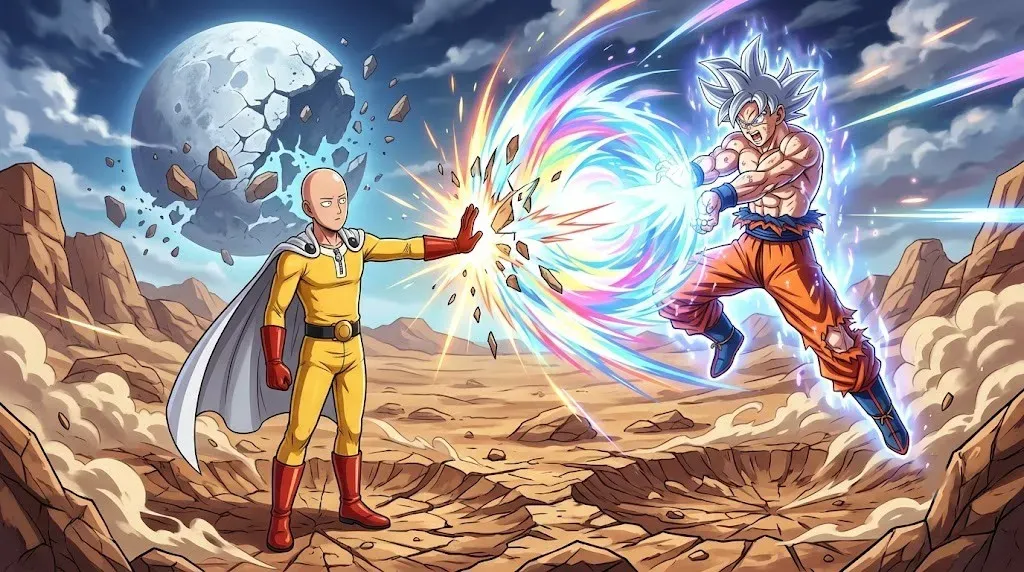 Also ReadSaitama vs Goku: The Best Fan Theories Debunked!
The Dragon Ball Atonement Debate: Is He Truly Redeemed?
The central question—is Vegeta truly redeemed?—remains a point of contention among fans and within the series itself. In the Moro Arc of Dragon Ball Super, Vegeta himself admits that he believes he is headed for Hell regardless of his current actions. This self-awareness adds a layer of tragic depth to his character. Can a man who has destroyed entire civilizations ever truly balance the scales? Some argue that his continuous efforts to protect the universe and his specific attempts to help the Namekians using Spirit Control represent a sincere effort at "restitution" rather than just "redemption." The debate often hinges on whether atonement is a destination one reaches or a lifelong process of trying to do better.
Analyzing Vegeta's Character Development and Growth
Vegeta's character development is unique because it doesn't erase his past; it forces him to live with it. His growth is seen in his changing motivations. In the beginning, he sought power to rule; later, he sought power to surpass Goku; now, he seeks power to protect his family and the innocent. His relationship with Bulma and his children, Trunks and Bulla, served as the catalyst for his humanity. Furthermore, his recent mastery of Ultra Ego shows a Saiyan who has embraced his destructive nature but channeled it toward a noble purpose. He has evolved from a man who hated his own "tainted" heart to one who uses his burden to fuel his strength.
Final Thoughts on Vegeta's Legacy of Redemption
Ultimately, the Vegeta redemption arc is not about reaching a point where his sins are forgotten, but about the relentless pursuit of being a better person. Whether or not he has "earned" his place among the heroes is secondary to the fact that he never stops trying to atone. His legacy is one of the most realistic portrayals of change in fiction—it is messy, difficult, and filled with setbacks. While the Dragon Ball atonement debate may never have a definitive answer, Vegeta stands as a symbol of the idea that no matter how dark one's past is, the choice to do good is always available in the present.




















// Comments