Everything You Need to Know About Tokyo P.D. Metropolitan Police Department Public Relations Section 2: Anime and Manga Guide
If you're tired of the usual high-octane battle series and want something with a bit more grit and organizational drama, then Tokyo P.D. Metropolitan Police Department Public Relations Section 2 is a title you need to put on your radar. It’s a fascinating look at the internal politics of the Japanese police force, specifically focusing on the people who have to manage the media when things go sideways. It’s not just about catching criminals; it’s about the "war" of information that happens right after the handcuffs click shut.
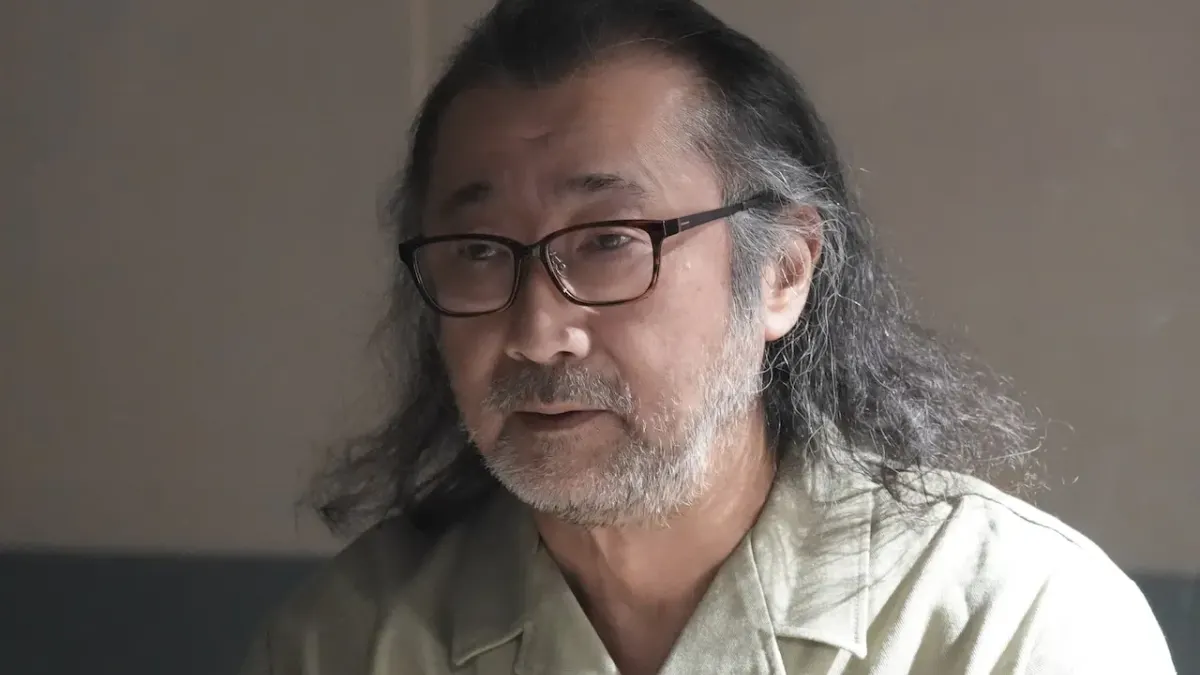 Also ReadAkio Otsuka in "Tokyo P.D. PRS 2" as Key Prisoner
What is Tokyo P.D. Metropolitan Police Department Public Relations Section 2 | Have Anime and Manga
The phrase Tokyo P.D. Metropolitan Police Department Public Relations Section 2 | Have Anime and Manga refers to the fact that this series has successfully bridged the gap between a realistic police procedural and an engaging piece of media. While many know it as a live-action drama, the roots and storytelling style pull heavily from the tradition of Seinen manga. It’s rare to find a series that balances the "red tape" of government work with the high stakes of criminal investigation so well. This franchise has gained a lot of respect for its realism, often compared to the legendary KochiKame but with a much more serious, socially conscious tone.
Quick Series Facts
| Feature | Details |
|---|---|
| Primary Genre | Police Drama, Crime, Mystery |
| Setting | Tokyo Metropolitan Police Department |
| Core Themes | Media Relations, Investigation, Corruption |
| Production Year | 2026 |
Plot Summary
The story follows Rintaro Imaizumi, a talented detective who had his heart set on joining the elite First Investigation Division. However, due to a "certain reason" involving his past trauma with the media, he is instead reassigned to the Public Relations Section 2. Instead of chasing suspects in the street, he finds himself managing press conferences and negotiating with aggressive reporters. The drama really kicks off when cases from the field collide with the PR department's need to protect the organization's reputation. It’s a tense environment where Akio Otsuka appears as a prisoner who holds the key to the story, forcing Imaizumi to question his own sense of justice.
Main Characters
- Rintaro Imaizumi: A detective who hates reporters but is forced to work with them daily. He is sharp but often struggles with the ego and politics of the department.
- Ando Naoshi: The section chief of PR Section 2. He seems absent-minded and likes to party, but he’s actually a former elite detective who is a master at controlling the press.
- Kizaki Nanae: A victim involved in a major incident who becomes a central figure in the investigation into the department’s transparency.
- Tokinaga: A colleague in the PR department whose loyalty is tested when corruption within the police force begins to surface.
Why it is worth watching
The biggest reason to dive into this series is the sheer realism. Unlike many shows that make police work look like a non-stop action movie, this one shows the "behind the scenes" of how news is shaped. The conflict between the PR officers and the detectives on the front lines feels incredibly authentic. It's also getting a lot of buzz on platforms like Viki because of its social commentary on how the media can either help or hinder a real investigation. If you enjoy character-driven stories where the biggest battles are fought in meeting rooms rather than alleyways, this is a masterclass in the genre.
Conclusion
In the crowded world of crime fiction, Tokyo P.D. Metropolitan Police Department Public Relations Section 2 stands out by giving us a perspective we rarely see. It’s a gritty, emotional, and thought-provoking journey that stays with you long after the episode ends. Whether you are a fan of deep police procedurals or you just want to see a different side of Tokyo's finest, this series is a must-watch. Don't go in expecting a simple "good guys vs. bad guys" story; prepare for a complex look at the truth and the lies we tell to protect it.









// Comments