
The Fate franchise has always been defined by its high-stakes battles and complex historical reimaginings, but few entries have generated as much buzz as the Fate/strange Fake anime. Originally starting as an April Fools' joke by author Ryohgo Narita (the brilliant mind behind Durarara!! and Baccano!), it eventually evolved into a full-fledged light novel and manga series. Now, it has made the leap to the screen, bringing a fresh, chaotic energy to the beloved Type-Moon universe.
Whether you are a seasoned veteran of the Nasuverse or a newcomer looking for a dark, supernatural thriller, this series offers a unique twist on the traditional battle royale format. Unlike the structured conflicts seen in Fuyuki City, this story takes us to the United States for a "False" Holy Grail War that breaks almost every established rule of magecraft.
The Premise: The Snowfield Holy Grail War
The story is set several years after the events of the Fifth Holy Grail War. A group of magi, acting independently of the London-based Mage's Association, attempts to replicate the ritual in Snowfield, a fictional city in Nevada. However, because the ritual is a flawed imitation, it results in the Snowfield Holy Grail War, often referred to as the "False" war.
This flaw causes the summoning of unusual classes and servants that shouldn't exist. The city itself becomes a character—a desert landscape filled with mystery, where the American government and hidden organizations pull strings from the shadows. The stakes are higher than ever because the instability of this ritual threatens to tear the fabric of reality itself.
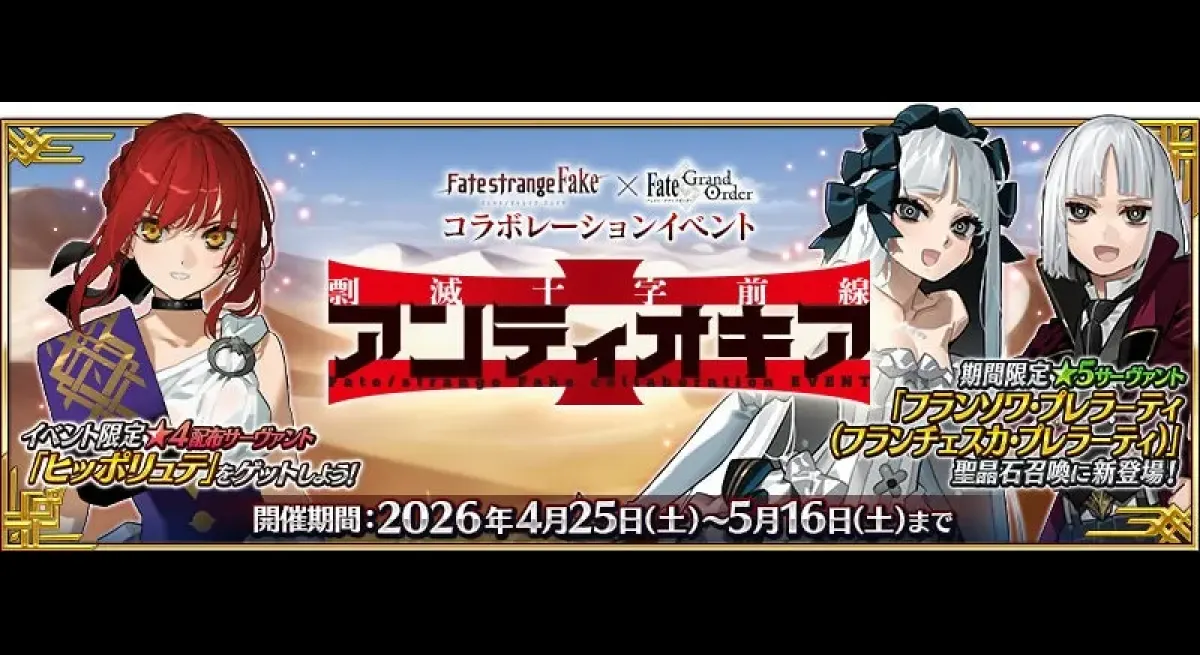 Also ReadFate/strange Fake x FGO Event Now Live
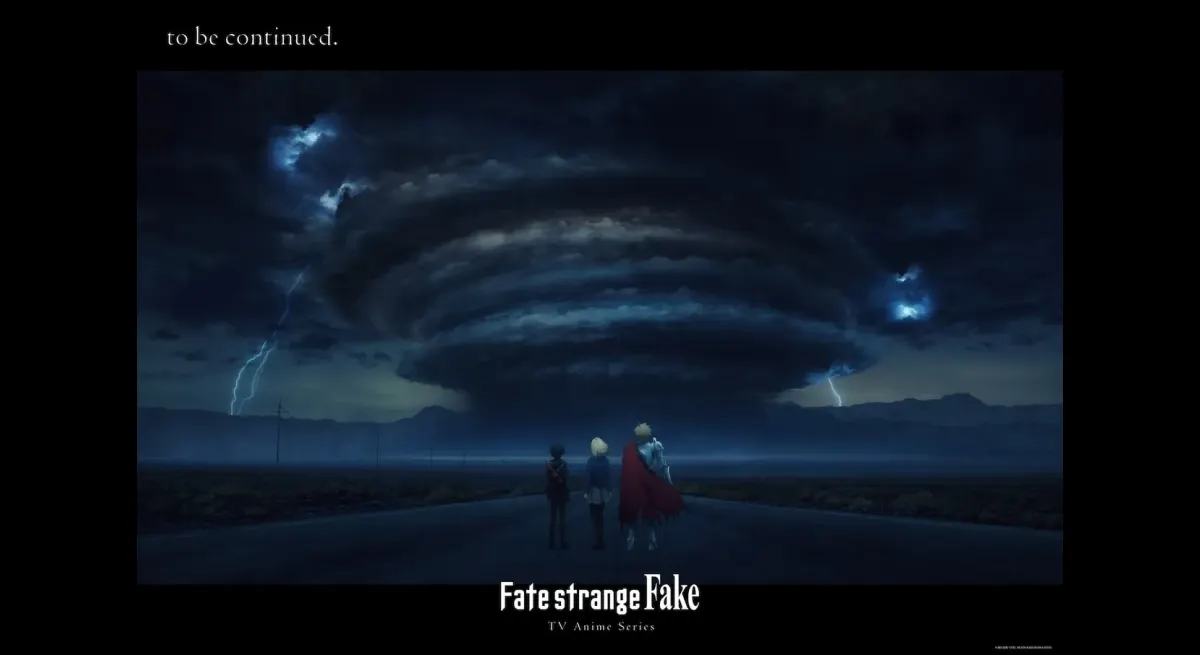 Also Read"Fate/strange Fake" 3rd Key Visual and CM teasers
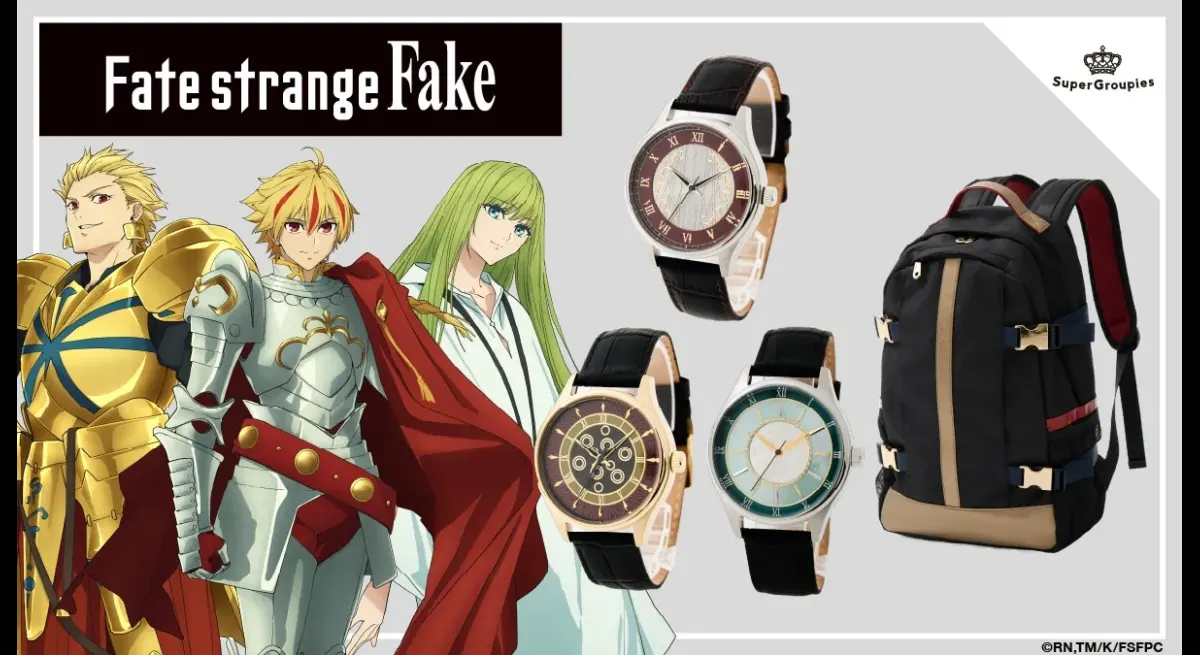
Legendary Rivalries: Gilgamesh vs Enkidu
One of the biggest draws of this adaptation is seeing the legendary relationship between the King of Heroes and his only friend brought to life with modern animation. The Gilgamesh vs Enkidu clash is not just a battle of power; it is a reunion of souls that defines the emotional core of the early story.
In most Fate entries, Gilgamesh is an overwhelming force of nature who holds back his true power out of arrogance. However, in Fate/strange Fake, the presence of Enkidu forces him to fight at his absolute peak from the very beginning. Watching the Gate of Babylon clash with the Enuma Elish of the earth is a visual spectacle that justifies the series' high production value.
Why Ryohgo Narita’s Writing Matters
What sets this series apart from Fate/Zero or Fate/stay night is the distinct writing style of Ryohgo Narita. Narita is famous for his "ensemble cast" approach, where dozens of characters operate simultaneously, their plotlines weaving together in unexpected ways.
In the Fate/strange Fake anime, there is no single "main" protagonist. Instead, we follow:
- Ayaka Sajyou: A girl caught in the crossfire who summons a mysterious Saber.
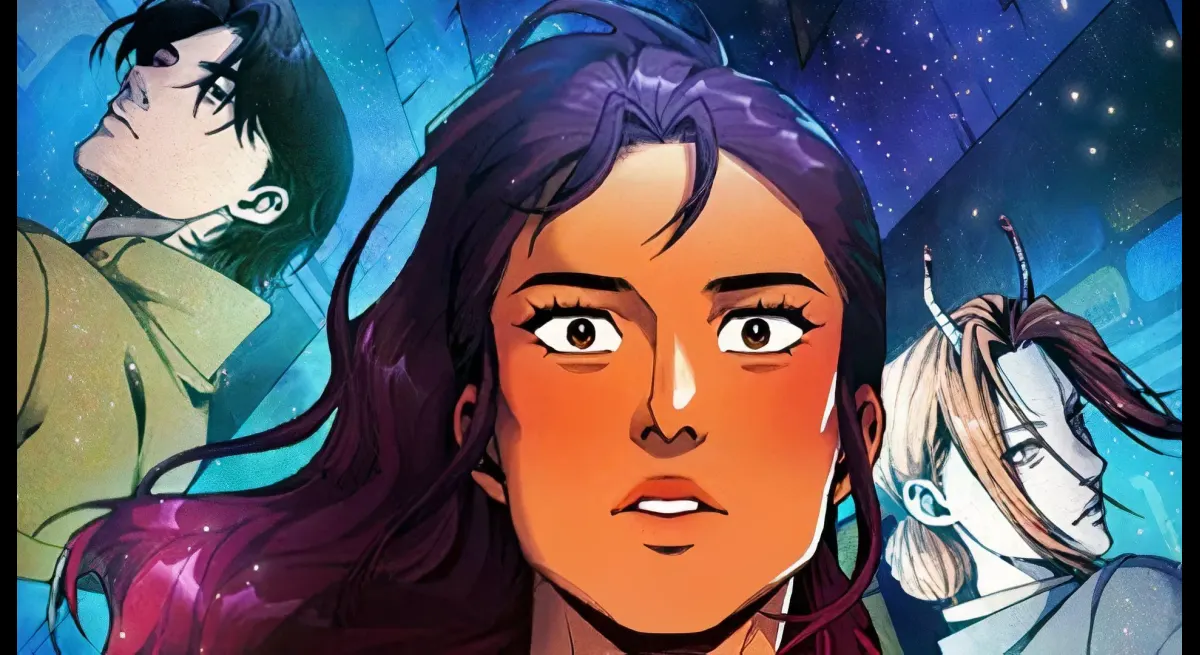
- Tine Chelc: A young indigenous mage fighting to reclaim her land.
- Orlando Reeve: A police chief who uses a squad of elite officers as his "Master" proxy.
This multi-perspective storytelling keeps the pace blistering and ensures that the world feels lived-in and dangerous.
Production and Visuals: A-1 Pictures Fate Anime
The transition from a special episode (Whispers of Dawn) to a full series was handled by A-1 Pictures. As an A-1 Pictures Fate anime, the series benefits from fluid action choreography and a vibrant color palette that captures the neon-lit streets of Snowfield and the barren Nevada desert.
The studio has a history of handling complex action sequences, and they have successfully translated Narita’s dense prose into a visual medium. According to the official Fate/strange Fake website, the production team worked closely with Type-Moon to ensure that the complex Nasuverse lore remained accurate while making it accessible for television.
Exploring the False Holy Grail War Servants
The roster of False Holy Grail War servants is perhaps the most eclectic in the franchise. Because the system is "fake," it allows for the summoning of entities that don't fit the standard heroic mold.
- Saber (Richard I): A king obsessed with the legend of King Arthur, capable of turning anything he holds into a pseudo-Excalibur.
- Assassin: A zealot who failed to become a "Hassan," possessing the abilities of all previous leaders of the Hashshashin.
- Caster (Alexandre Dumas): A writer who doesn't fight but instead "upgrades" the weapons and legends of others.
- Pestilence (Pale Rider): A literal Horseman of the Apocalypse summoned as a Rider class, representing disease and death.
This unpredictable lineup ensures that every encounter is a tactical puzzle rather than just a contest of raw strength. For more details on servant rankings and abilities, Type-Moon Wiki remains the gold standard for deep-dive research into these characters.
Conclusion: A New Era for Fate
The Fate/strange Fake anime is a masterclass in how to expand a franchise without repeating the same tropes. It honors the foundations laid by Kinoko Nasu while injecting the frantic, interconnected energy that only Ryohgo Narita can provide. With its unique American setting, incredible servant roster, and top-tier animation, it stands as a pinnacle of modern supernatural anime.
If you are looking for a story where the rules are meant to be broken and every character has a hidden agenda, Snowfield is waiting for you.




// Comments