Introduction: A Cultural Force That Knows No Borders
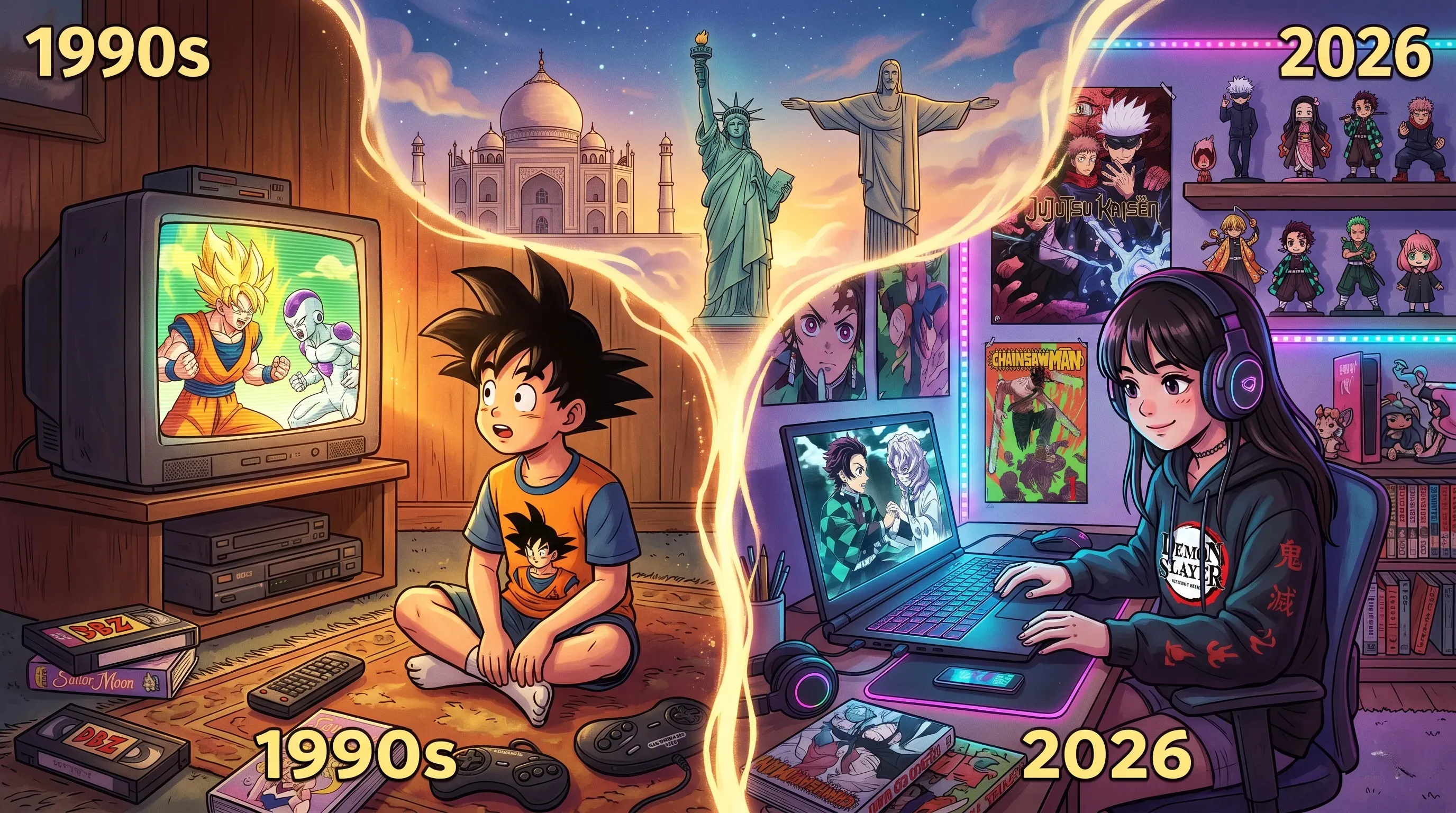
Once dismissed as "just cartoons," anime has evolved into one of the most powerful cultural phenomena of the 21st century. In 2026, the global anime market stands at approximately $34.9 billion, with projections showing it could reach $78.9 billion by 2036. From the crowded streets of Mumbai to the suburbs of São Paulo, from New York City apartments to small towns in rural India — anime is no longer a niche interest. It is a generational conversation.
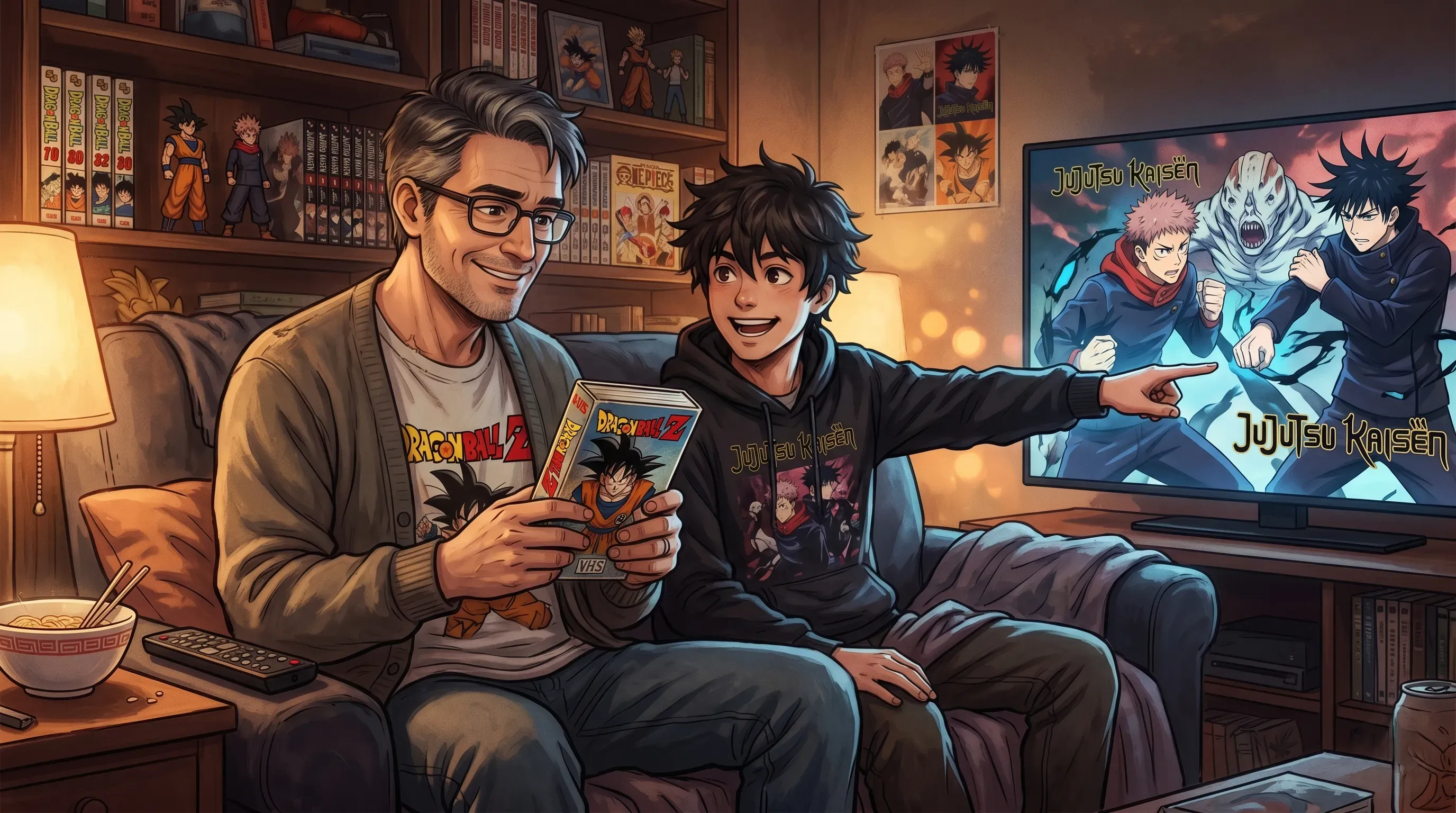
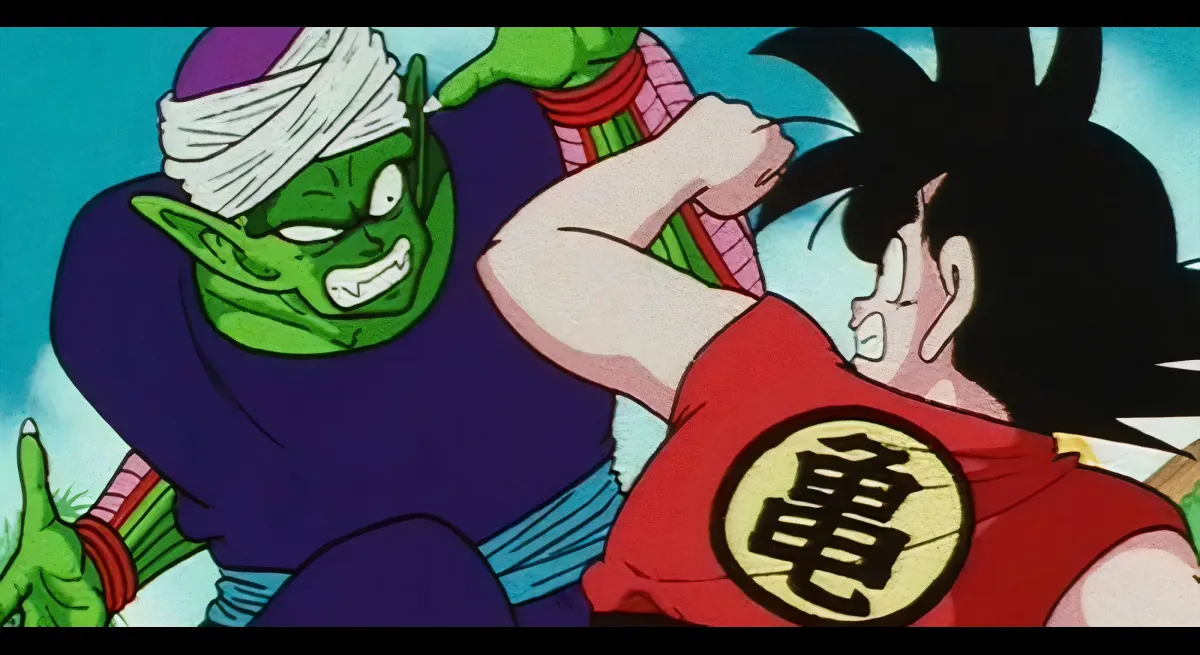
What is most remarkable about anime's rise is not just its financial scale, but its ability to transcend age, language, and geography. It speaks to a 55-year-old who watched Dragon Ball Z in the early 1990s with the same intensity it speaks to a 14-year-old binge-watching Jujutsu Kaisen on Crunchyroll today. This pillar article explores how anime is reshaping the identities of both new and old generations — and why countries like India, the United States, and Brazil have become the new frontlines of anime's global expansion.
 Also ReadSailor Moon Heads Back to Christie’s NY Auction October After $89K Sale
The Numbers Behind the Phenomenon
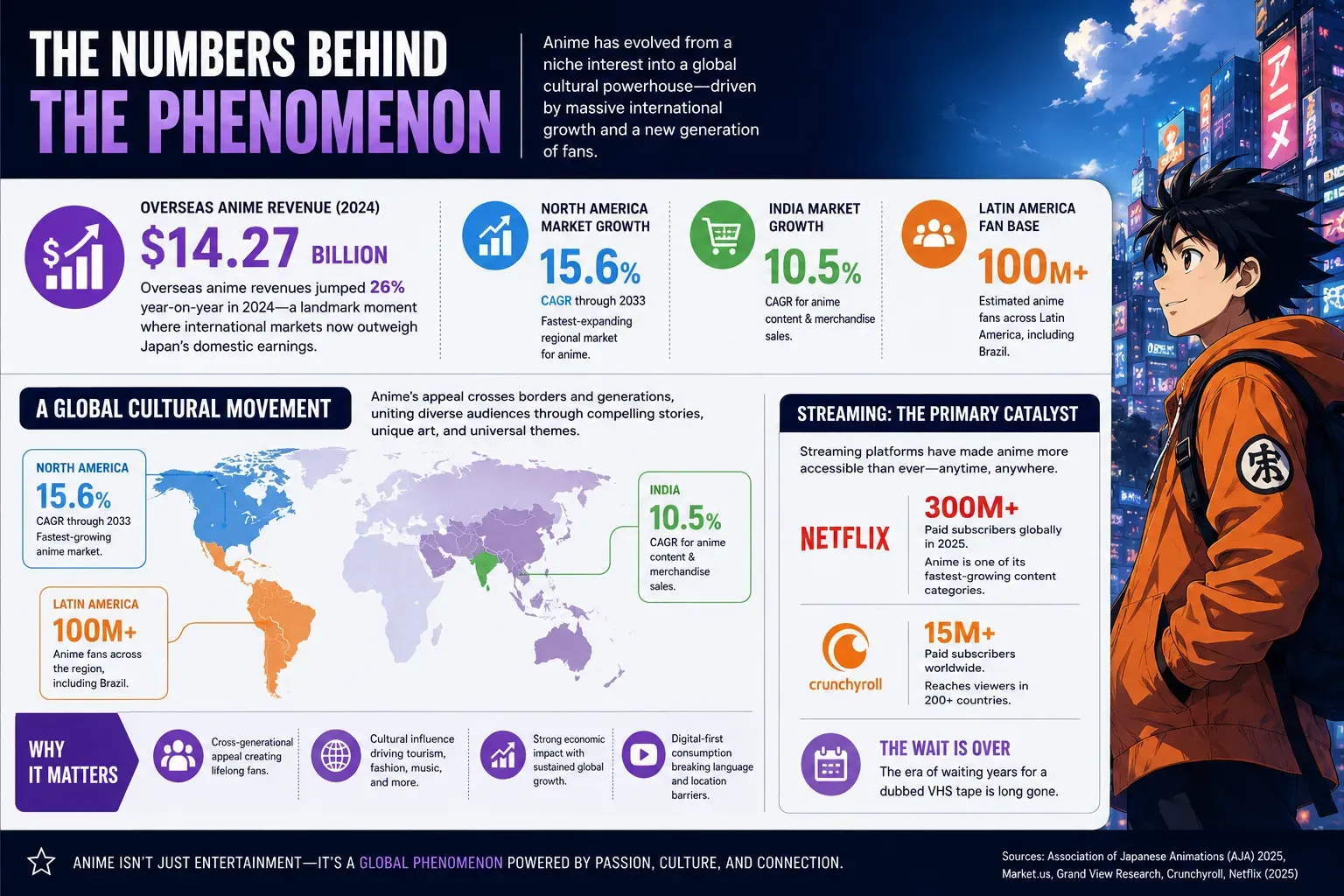
Before diving into individual countries, it helps to understand the sheer scale of what anime has become. The Association of Japanese Animations (AJA) reported in late 2025 that overseas anime revenues jumped 26% year-on-year to approximately $14.27 billion in 2024 — a landmark moment that confirmed international markets now outweigh Japan's own domestic earnings.
North America is expected to grow at a staggering 15.6% CAGR through 2033, making it the fastest-expanding regional market. India's anime content and merchandise sales are set to rise at 10.5% CAGR. Latin America, including Brazil, is home to an estimated 100 million anime fans. These numbers tell a story of cultural adoption at scale — one that crosses not just borders, but generations.
Streaming platforms have been the primary catalyst. Netflix surpassed 300 million paid subscribers globally in 2025, with anime being one of its fastest-growing content categories. Crunchyroll, the dedicated anime streaming giant, has recorded over 15 million paid subscribers and reaches viewers in more than 200 countries. The era of waiting years for a dubbed VHS tape is long gone.
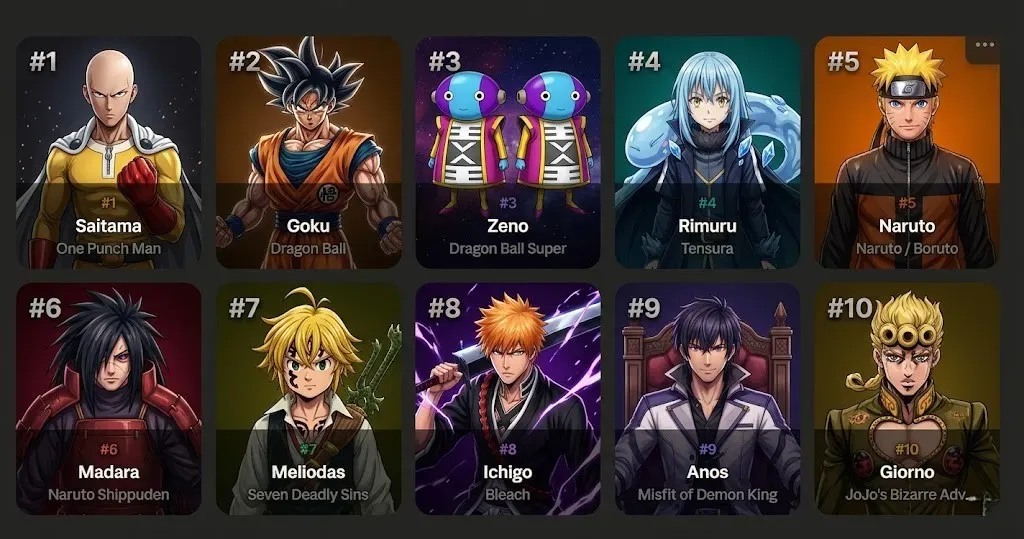
 Also ReadMost Viewed Anime of All Time?
India: From Doordarshan to Demon Slayer
The Old Generation: Nostalgia Wrapped in Dubbing
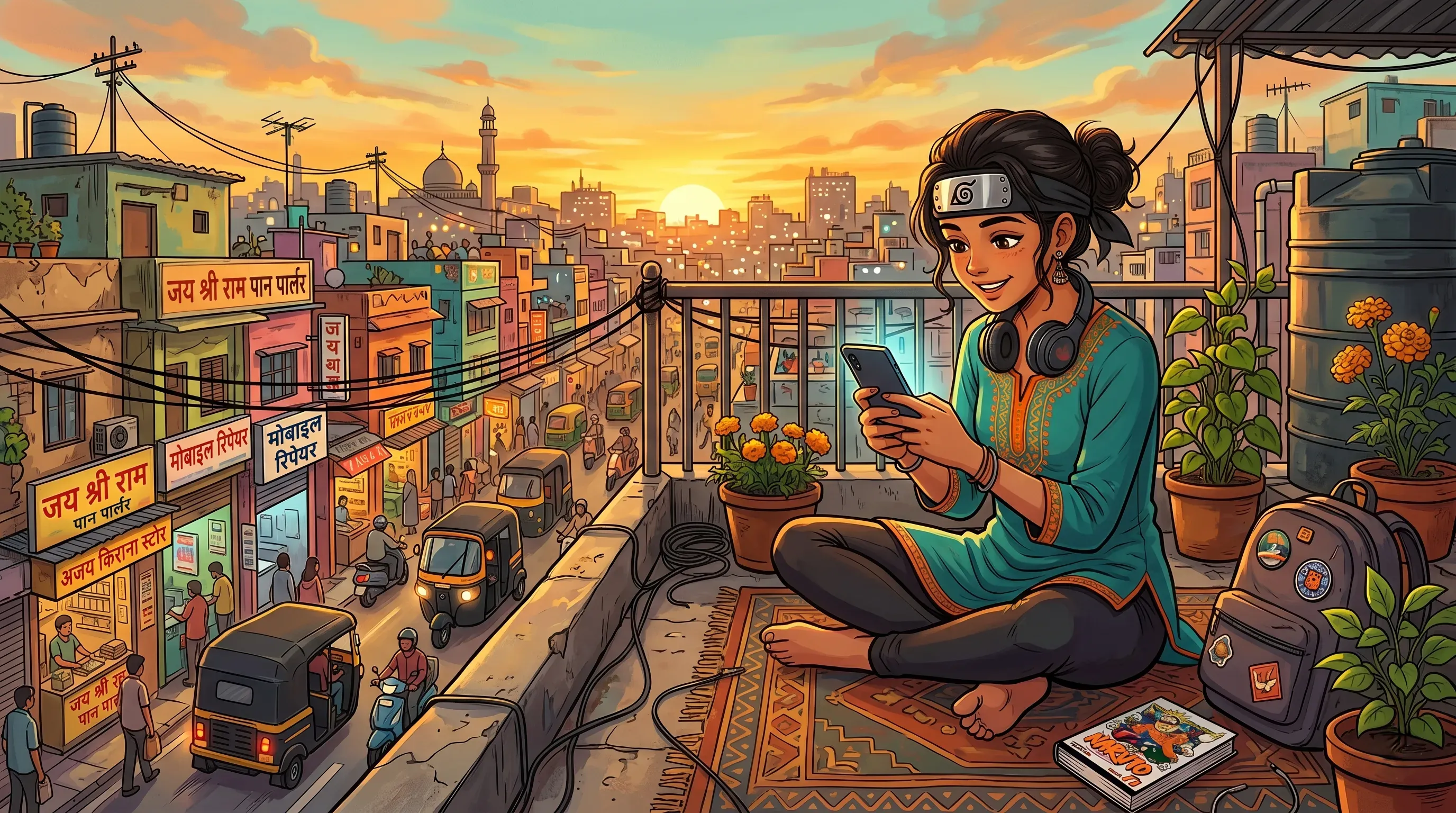
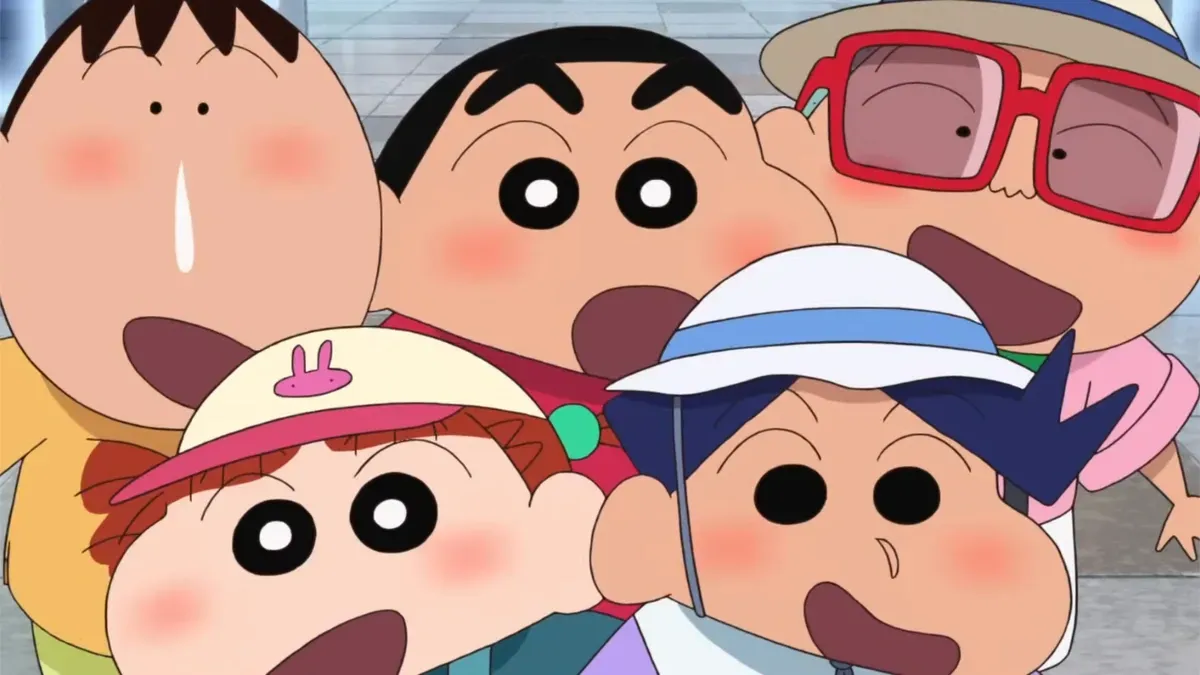
For Indians who grew up in the 1990s and early 2000s, anime arrived not with subtitles but with Hindi dubbing on Cartoon Network and Hungama TV. Shows like Doraemon, Shin Chan, Dragon Ball Z, and Pokémon became childhood staples. These were not consumed as "Japanese animation" — they were simply cartoons, beloved for their humor and heart. The cultural gap was bridged through voice acting, regional idioms, and local broadcast schedules.
For this generation, anime was a passive pleasure — something watched after school without deeper awareness of its origin or cultural context. Yet the emotional attachment formed was deep. Many 30 and 40-year-olds today still feel a visceral fondness for Doraemon and can recite Dragon Ball Z dialogue word for word.
The New Generation: A Cultural Identity
India's Gen Z and Gen Alpha have a completely different relationship with anime. They watch in Japanese with English subtitles, follow simulcast releases, engage in fan communities on Reddit and Discord, buy merchandise, attend AnimeIndia conventions, and debate manga lore on YouTube. The India anime market was valued at approximately $200 million in 2023 and is growing rapidly. Crunchyroll President Rahul Purini has publicly stated: "The future of anime lies in South Asia," pointing to India as both a critical consumption and potential production market.
What drives this new generation in India toward anime is partly the storytelling style — complex characters, moral ambiguity, long-form narratives — and partly a cultural positioning effect. Watching anime signals a kind of global fluency. It connects Indian youth to a worldwide fandom while also giving them a sense of aesthetic sophistication distinct from Bollywood or Hollywood.
The Generational Bridge
Interestingly, anime has become a bridge between Indian parents and children. A parent who once watched Doraemon with their kid in the 2000s can now reconnect with their teenager through Dragon Ball Super or a shared love of Studio Ghibli films. This cross-generational appeal is unique among entertainment formats and is increasingly being recognized by brands and advertisers in the Indian market.
United States: From Cult Following to Mainstream Dominance
The Old Generation: The Toonami Warriors
In the United States, the 1990s and early 2000s represent the first wave of serious anime fandom. Toonami, the Cartoon Network programming block that aired shows like Dragon Ball Z, Sailor Moon, Gundam Wing, and Outlaw Star, created an entire generation of devoted fans. These viewers were aware they were watching something different — something more intense, more serialized, and more emotionally complex than the Saturday morning cartoons they had grown up on.
This generation built the foundational infrastructure of Western anime fandom: the first conventions (AnimeExpo, Otakon), the early fan-subbing communities, the import culture of purchasing Region 2 DVDs. They were pioneers who consumed anime as a counterculture — something edgy, misunderstood, and deeply personal.
The New Generation: Normalization and Gen Z Dominance
Today, Gen Z's relationship with anime in America is defined by normalization. According to industry data, 70% of Gen Z in the U.S. watches anime, and anime literacy among American youth sits at roughly 85%. The U.S. has approximately 50 million anime viewers and is the top anime-consuming country after Japan, accounting for about 15% of global demand.
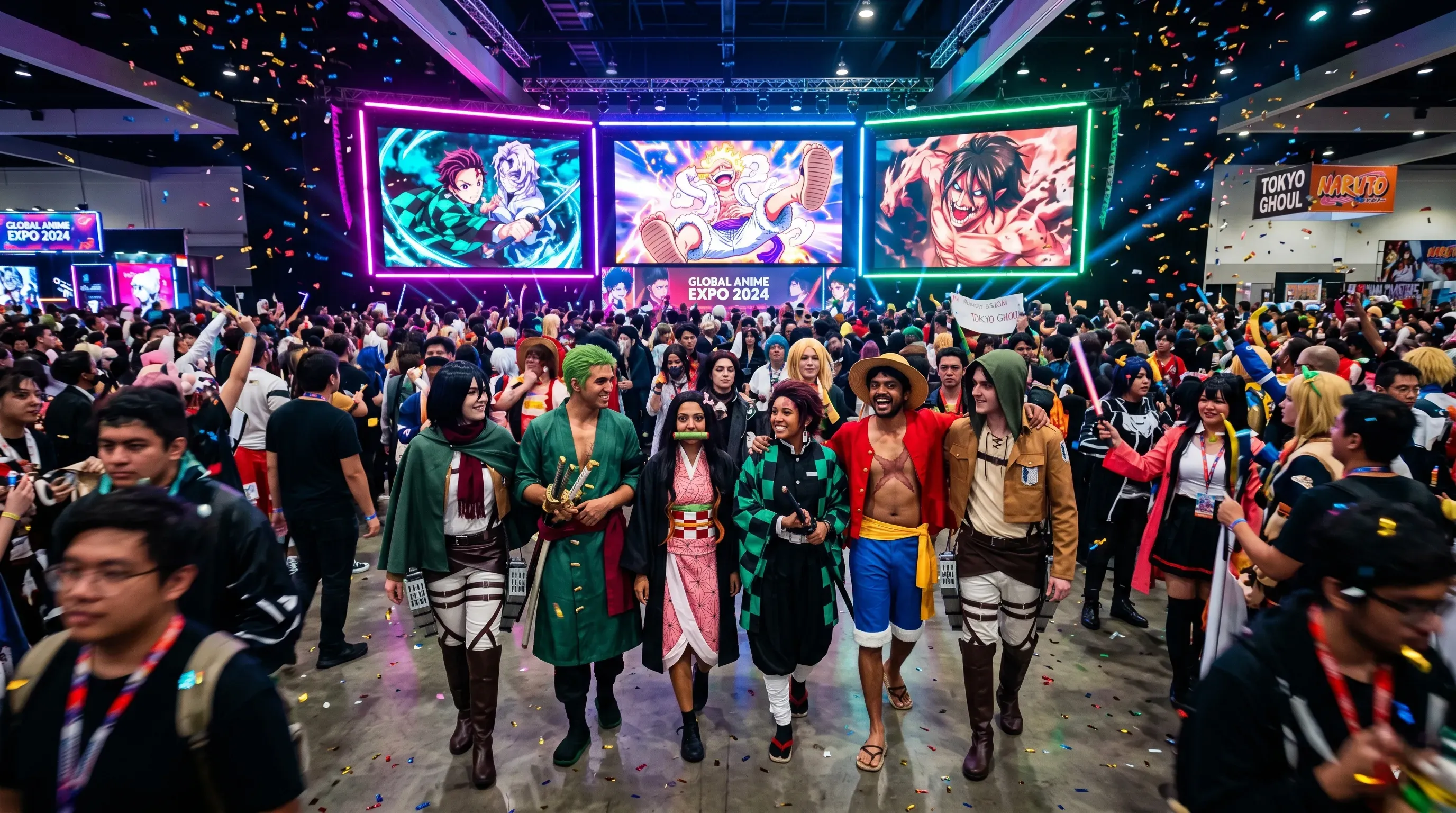
For young Americans, anime is not a subculture — it is culture. Wearing a Naruto headband, quoting Attack on Titan, or debating the ending of Neon Genesis Evangelion are not fringe activities. They are part of mainstream youth social currency. Anime references appear in hip-hop lyrics, NFL end-zone celebrations, and A-list celebrity social media posts.
The North American anime market is expected to grow at over 15% CAGR from 2026 to 2033, reflecting the deep commercial infrastructure that has been built: theatrical releases like Demon Slayer: Infinity Castle becoming global blockbusters, merchandise at major retail chains, and exclusive streaming deals running into the hundreds of millions of dollars.
The Cultural Tension
What makes the U.S. case particularly fascinating is the tension between old-guard fans and the new mainstream audience. The Toonami generation sometimes views the influx of casual Gen Z fans with a mix of pride and protectiveness. Online spaces like Reddit are full of debates about what constitutes "real" anime fandom, which series deserve their popularity, and whether mainstream acceptance has diluted the medium's artistic ambitions. This generational friction is itself a marker of anime's cultural maturation.
Brazil: The Heart of Latin America's Anime Revolution
A Country Built for Anime
Brazil occupies a unique position in global anime fandom. The country has a population deeply receptive to vibrant visual storytelling, a strong tradition of reading comics (quadrinhos), and a youthful demographic that embraces global pop culture. Latin America as a whole is home to an estimated 100 million anime fans, with Brazil being the largest single market in the region.
The Old Generation: SBT, Globo, and the Pioneer Era
Brazilian fans of the 1990s and early 2000s discovered anime primarily through open broadcast television. Networks like SBT and Globo aired dubbed versions of Saint Seiya (Os Cavaleiros do Zodíaco), Dragon Ball Z, and Sailor Moon. Saint Seiya in particular achieved extraordinary cultural penetration in Brazil — it was not just a popular show, it was a phenomenon that shaped the childhood of an entire generation. Older Brazilian fans carry an almost reverential attachment to the series.
Just as in India, this generation experienced anime without fully knowing what anime was. The shows were localized, the characters had Portuguese names in some cases, and the cultural context was absorbed through entertainment rather than education.
The New Generation: Convention Culture and Community
Today's Brazilian anime fans are among the most active and organized in the world. Brasil Game Show and Anime Friends São Paulo are some of the largest anime-related events outside Japan, attracting hundreds of thousands of visitors annually. Brazilian fan artists, cosplayers, and YouTube creators have built massive international followings. Portuguese-language anime communities on social media are enormous and highly engaged.
The new generation in Brazil consumes anime with full awareness of its Japanese origins and cultural context. They follow Japanese voice actors on social media, debate subtitling choices, and engage with the industry's business side. The combination of a young population, expanding digital infrastructure, and deep-rooted fandom culture makes Brazil one of the most commercially promising anime markets in the world.
The Broader World: Europe, Southeast Asia, and Beyond
The anime wave extends far beyond the three countries profiled above. France has the largest anime market in Europe, valued at approximately $500 million, and French fans are known for their depth of engagement with the art form. Germany has dedicated anime television channels. The United Kingdom has around 10 million anime fans.
Southeast Asia, including Indonesia, Thailand, Vietnam, and the Philippines, generated anime revenues of approximately $1.5 billion in 2023 and continues to grow rapidly. These markets are notable for their young populations, mobile-first consumption habits, and strong gaming crossover culture.
The Middle East is emerging as a surprise high-growth market, with year-on-year growth rates of around 25% in some estimates. The combination of a young demographic, increasing internet penetration, and a cultural appetite for fantastical storytelling is driving rapid adoption in countries like Saudi Arabia, the UAE, and Egypt.
Why Anime Transcends Generations: The Deep Reasons
Several structural qualities of anime explain its multigenerational appeal.
Complex, long-form storytelling. Unlike most Western animation, anime frequently tells stories over dozens or hundreds of episodes, building emotional investment that is more comparable to literary fiction than to traditional cartoons. This rewards mature viewers who want depth.
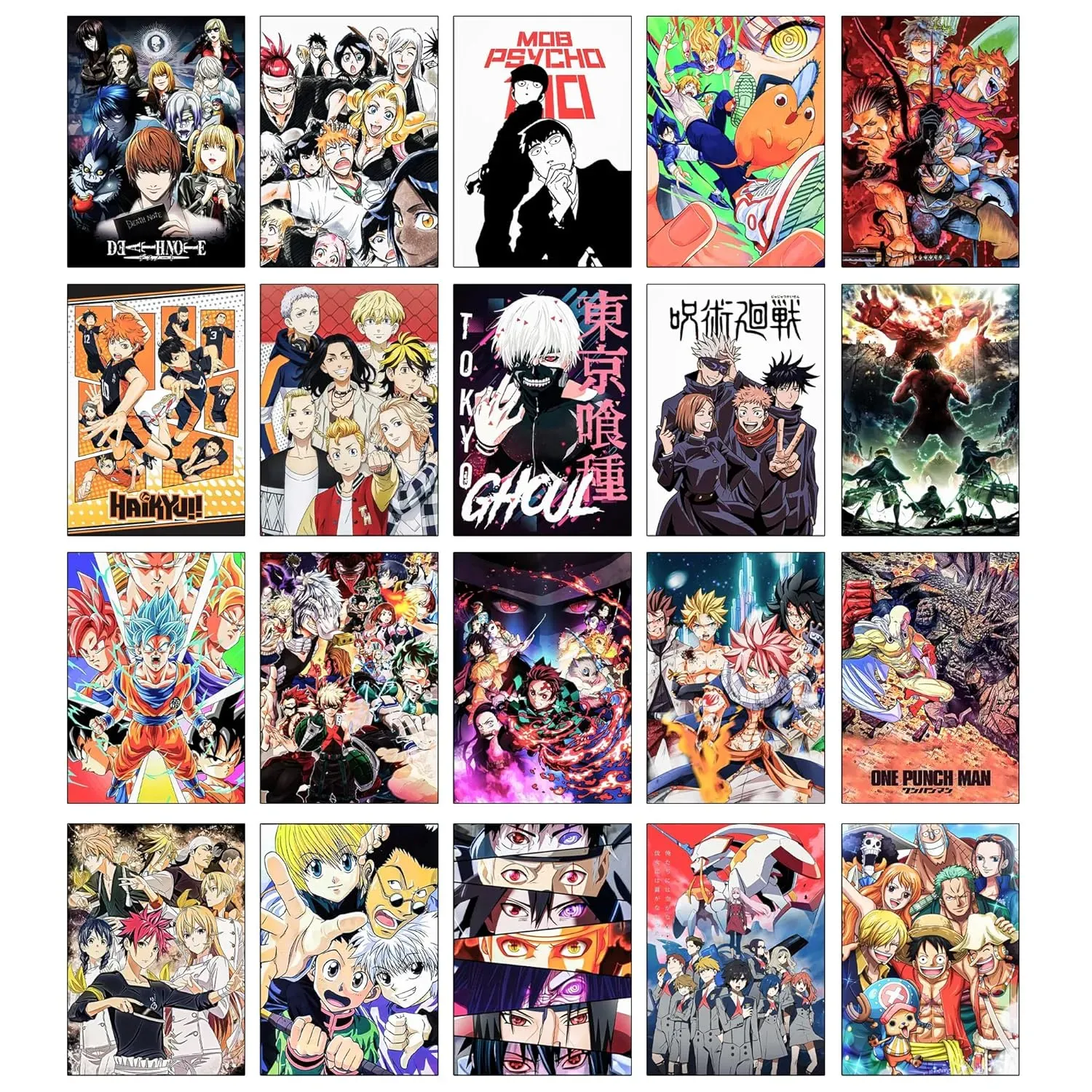
Genre diversity. Anime is not a genre — it is a medium. It encompasses everything from children's fantasy (My Neighbor Totoro) to psychological horror (Berserk), from sports drama (Haikyuu!!) to political thriller (Legend of the Galactic Heroes). This breadth means there is genuinely something for every age group.
Moral and philosophical depth. Many of the most celebrated anime series engage seriously with questions of mortality, justice, identity, and the nature of humanity. These themes resonate differently but equally across generations.
Visual ambition. The aesthetic language of anime — dynamic action sequences, expressive character design, detailed world-building — has influenced a generation of artists, filmmakers, and game designers worldwide. Anime fans often describe their passion in aesthetic as much as narrative terms.
Fandom community. Anime fandom provides social belonging. For both a 50-year-old in America who attended their first convention in 1998 and a 16-year-old in India joining their first Discord server in 2026, the community dimension of anime fandom has been transformative.
The Merchandise and Economic Engine
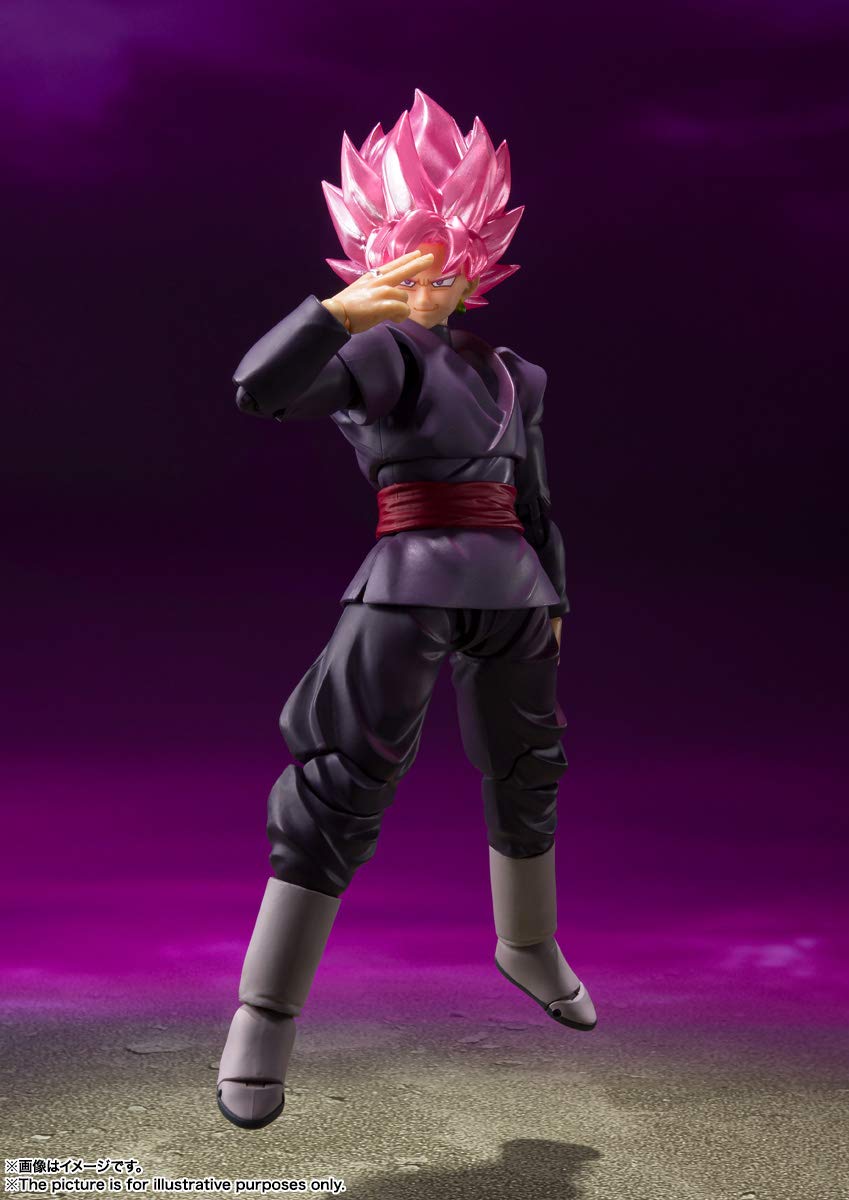
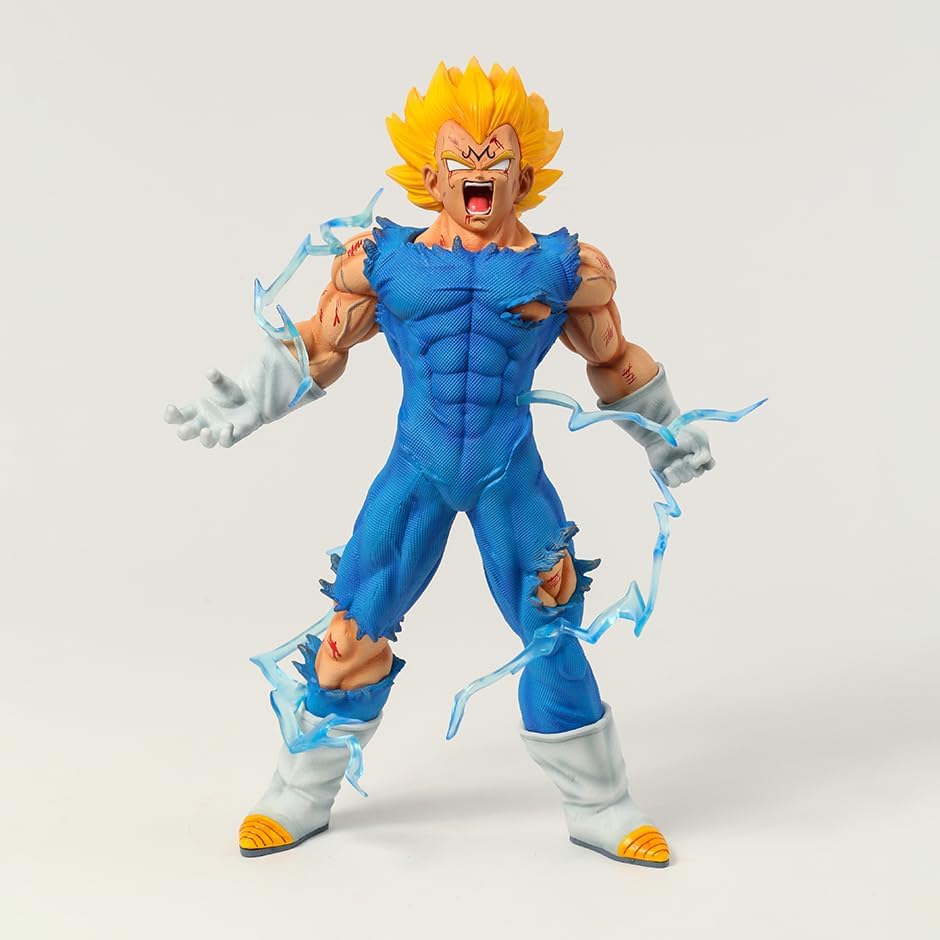
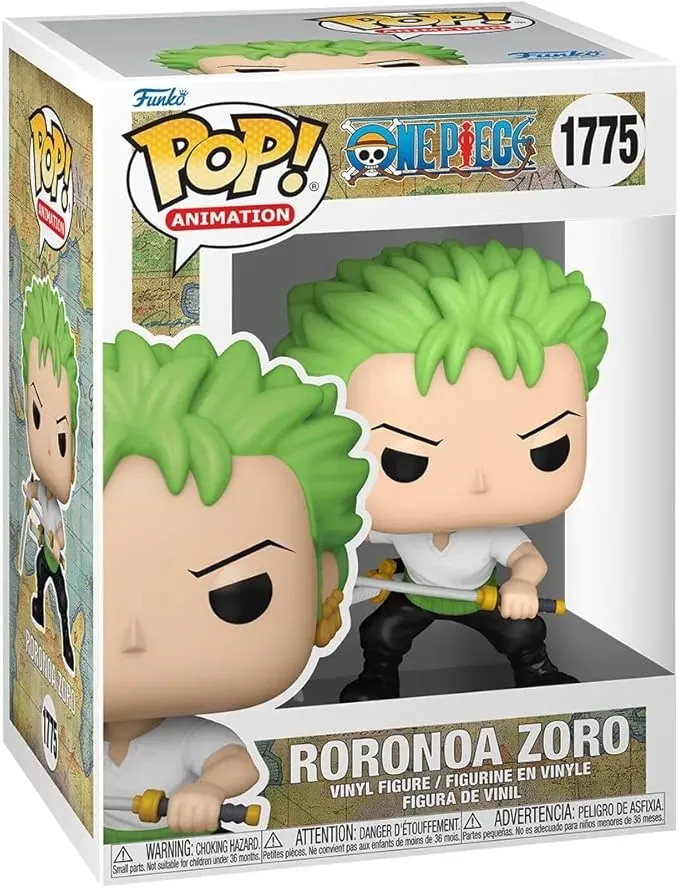
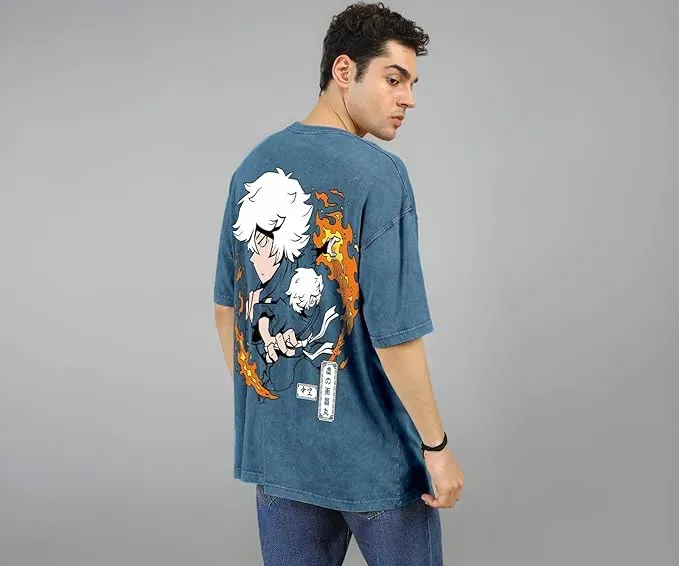
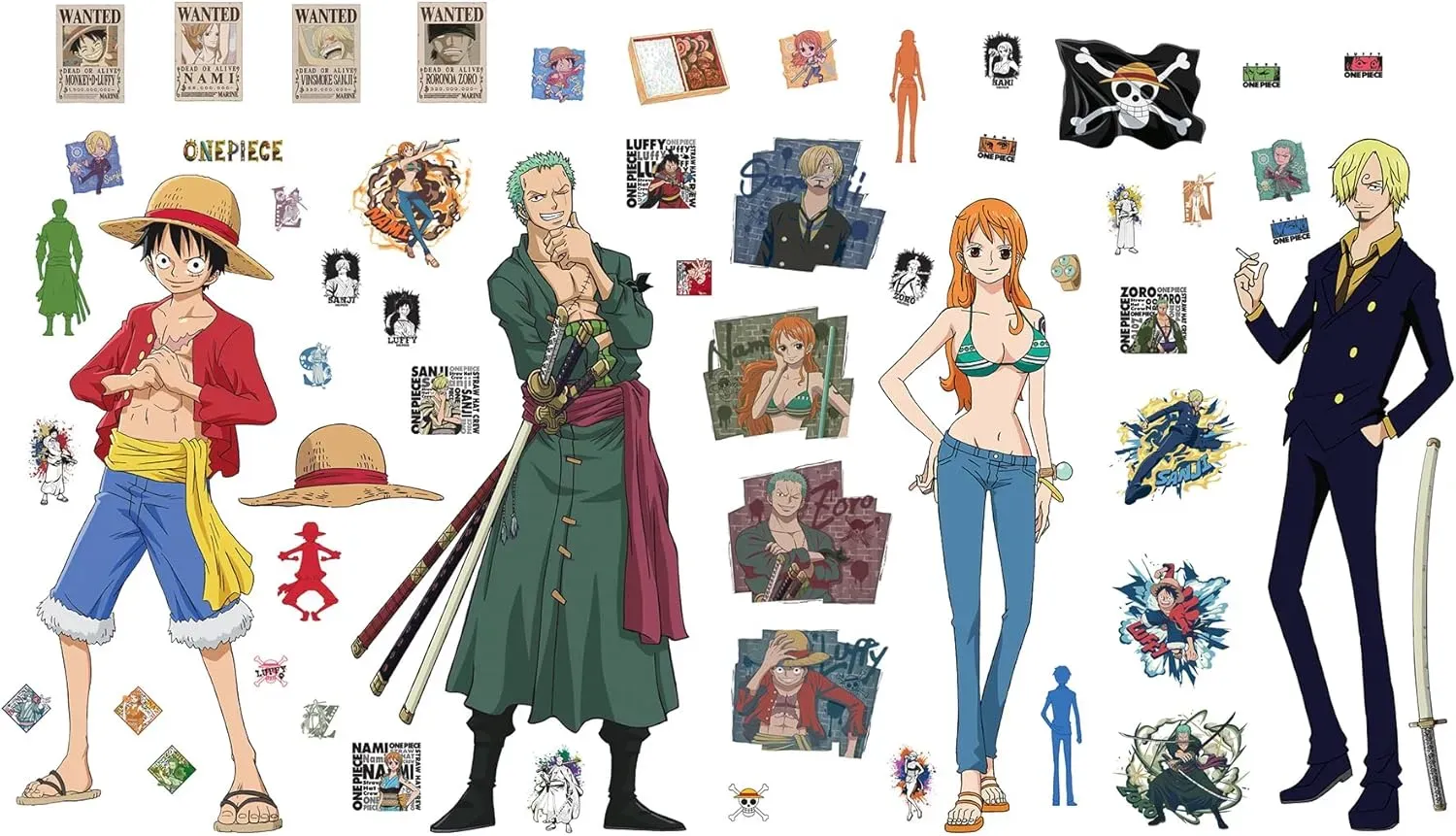
One dimension of anime's generational power that is easy to underestimate is its economic engine, particularly merchandising. The merchandise segment accounted for over 31% of the global anime market in 2025, driven by character-based intellectual property and fan conventions. From action figures and apparel to mobile games and theme park attractions, the commercial ecosystem surrounding anime is vast.
Mobile gaming has become a particularly significant revenue driver. Bandai Namco reported profits of $452 million in early 2025, driven almost entirely by anime-based games. Titles like Dragon Ball FighterZ, Naruto to Boruto: Shinobi Striker, and Blue Protocol attract players from both old and new generations, often serving as the point of entry through which non-watching fans discover the source material.
Challenges and Criticisms
Anime's global expansion is not without friction. The industry faces a significant labor crisis in Japan, where a core of approximately 15,000 animators — the majority freelance, only about 5% unionized — are expected to produce content for a rapidly growing global market. Talent shortages and wage pressures are structural problems that AI-assisted animation tools are beginning to address, but not yet resolve.
Critics also point to problematic tropes within anime — the sexualization of young-appearing characters, extreme violence in certain genres, and the persistent under-representation of diverse perspectives in a medium still predominantly created by Japanese men. As anime becomes a global cultural force, these critiques are receiving more serious attention from both fans and industry stakeholders.
There is also the question of cultural dilution. As non-Japanese studios enter anime-adjacent production (Netflix's anime originals, for example, now include significant non-Japanese titles), purists debate where the line between "anime" and "anime-influenced animation" should be drawn. This debate will likely intensify as the medium globalizes further.
Looking Ahead: 2026 and Beyond
The trajectory of anime in 2026 points unmistakably upward. With approximately 50% of animation studios expected to move to cloud-based production infrastructure by 2026, and AI-assisted tools dramatically reducing production costs, the conditions exist for an explosion of new content. Global co-productions between Japanese studios and international partners — already underway at Netflix, Amazon Prime Video, and others — will produce anime that reflects a more genuinely global creative sensibility.
India and Brazil are positioned not just as consumer markets but as emerging production hubs. Young Indian and Brazilian animators, trained on a diet of Japanese anime and equipped with increasingly accessible production tools, are beginning to create original work that blends their own cultural aesthetics with the anime format. This hybridization is likely to define the next phase of the medium's evolution.
For both the old generation — those who remember the raw emotional experience of watching Dragon Ball Z for the first time — and the new generation discovering Chainsaw Man and Blue Lock today, anime remains a living, growing art form. Its power lies precisely in this: it does not ask you to choose between nostalgia and discovery. It offers both, simultaneously, to anyone willing to watch.
Conclusion
Anime's global journey from a niche Japanese export to a $35+ billion worldwide industry is one of the great cultural stories of the early 21st century. In India, it bridges generations through shared nostalgia and new identity. In America, it transformed from counterculture rebellion to mainstream dominance. In Brazil, it built one of the world's most passionate and organized fan communities. And across Europe, Southeast Asia, the Middle East, and beyond, it continues to find new audiences, new languages, and new meanings.
The question for 2026 and the decade ahead is not whether anime will continue to grow. It will. The question is how it will evolve as it becomes truly global — shaped not just by Japanese studios, but by the millions of fans across India, America, Brazil, and beyond who have claimed it as their own.













// Comments