

Production Design
The transition from the East Blue to the Grand Line marked a massive shift in scale for Netflix's live-action adaptation of One Piece. In One Piece Season 2 behind scenes reports, the production design team faced the daunting task of creating distinct, immersive environments for iconic locations like Whiskey Peak, Little Garden, and Drum Island. Unlike the relatively grounded coastal villages of Season 1, the Grand Line required a "geopolitical and historical gravity" that reflected the escalating stakes of the story. For instance, Whiskey Peak was designed to look like a northwestern pueblo town, while the Drum Rockies needed to feel like a harsh, winter ecosystem. These sets weren't just backdrops; they were built as living villages to ensure the Grand Line felt like a real, inhabited world rather than a staged set.
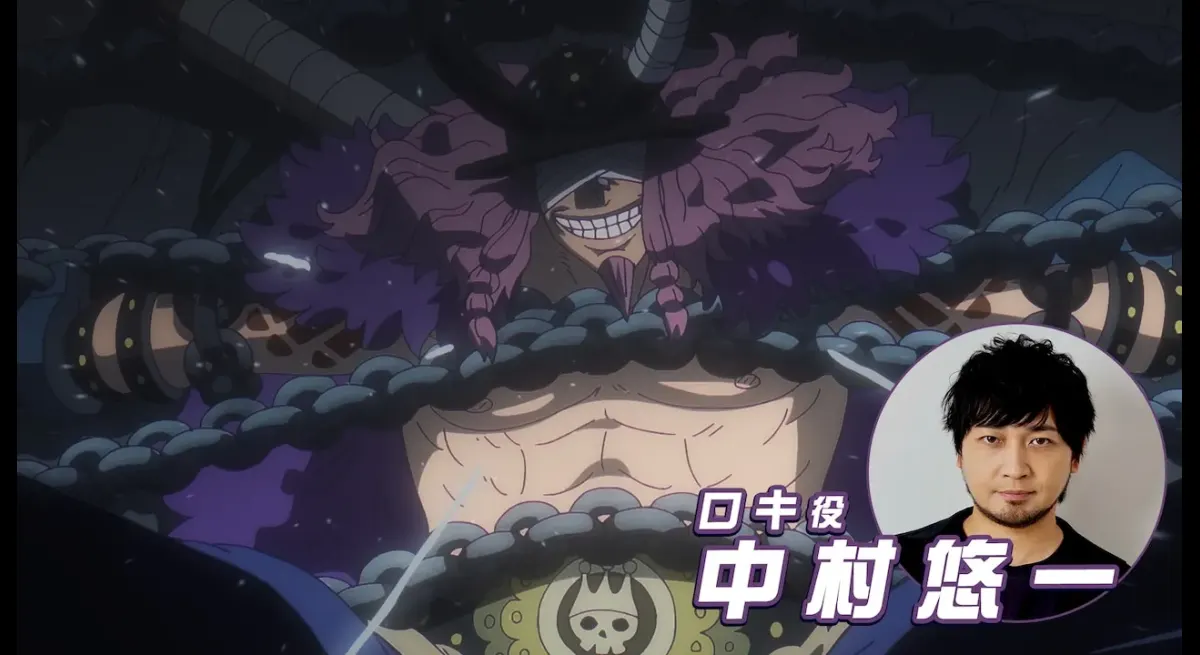 Also ReadYuichi Nakamura as Loki in "ONE PIECE": Elbaf Edition OP by Aina The End
Practical Effects
A core philosophy of the Netflix production team is to achieve as much as possible through practical means. This was particularly evident in the construction of the Baratie in Season 1 and continued into the second season with the various ships and weapons. To maintain realism, the crew utilized practical props for character-specific weapons, such as Zoro’s new cursed blade, the Sandai Kitetsu, and Vivi’s jeweled Peacock Slashers. By using physical half-swords or prop weapons on set, the actors could perform more convincing combat movements. This practical foundation is what allows the show to maintain its "swashbuckling adventure" feel while staying true to the exaggerated nature of the source material.
CGI Challenges
While practical effects provide the base, the Grand Line’s more "ridiculous" elements required a significant step up in visual effects. One Piece Season 2 behind scenes data shows that VFX studio Refuge delivered over 240 shots, many of which focused on complex weapon enhancements and character transformations. One of the biggest CGI challenges was the introduction of Tony Tony Chopper, a character that serves as a litmus test for the show's imaginative boundaries. Additionally, the team had to animate dynamic elements like Wapol’s spinning saw blade and the various prehistoric creatures of Little Garden. The goal was to ensure these digital augmentations integrated seamlessly with the live-action footage without flattening the expressive quality of the original manga.
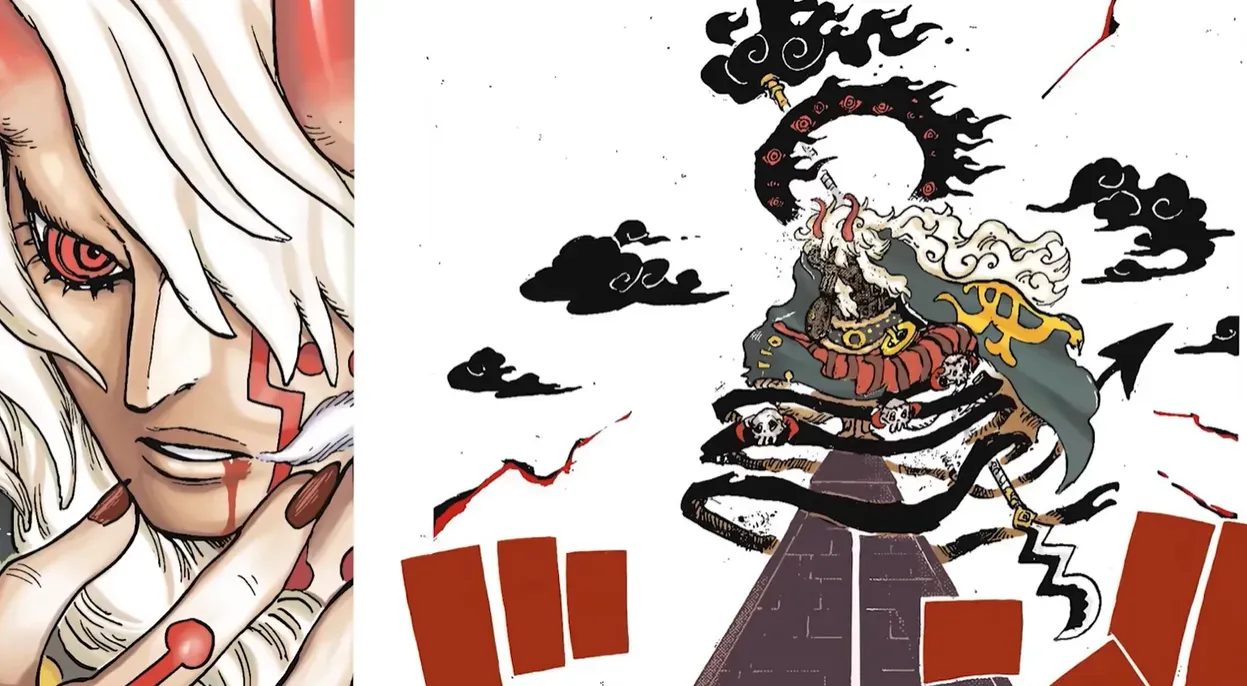 Also ReadOne Piece Chapter 1180 "Omen" Spoilers: Imu's God-Like Power Destroys Zoro & Sanji
Location Shooting
To capture the diverse climates of the Grand Line, Netflix production utilized extensive location shooting, primarily in South Africa. The filming schedule for Season 2 ran from June 2024 to December 2024, navigating various weather conditions to simulate the unpredictable nature of the Grand Line's sea. Locations were chosen to reflect the "bizarre islands" the Straw Hats encounter, from the prehistoric jungles of Little Garden to the snowy peaks of Drum Island. This commitment to physical locations, combined with intricate set design, helps ground the fantasy elements in a tangible reality, making the world of One Piece feel vast and interconnected.
Oda's Involvement
A major factor in the success of the series is the ongoing involvement of original creator Eiichiro Oda. Serving as a creative consultant, Oda-Sensei ensured that the adaptation remained faithful to the spirit of the manga while allowing for the "restructuring and streamlining" necessary for a prestige television format. Oda’s presence provided the creative team with the flexibility to expand on certain arcs, such as the internal politics of the Baroque Works criminal organization, without threatening the overall roadmap of the story. His approval was especially crucial for the design of new characters like Chopper and the depiction of the Grand Line’s harsher environments, ensuring the series met the high expectations of the global "nakama" fanbase.
FAQ
- When was One Piece Season 2 released? One Piece: Into the Grand Line premiered on Netflix on March 10, 2026.
- What manga chapters does Season 2 cover? The second season adapts approximately 60 chapters of the manga, covering the story from Loguetown through Drum Island (Chapters 96 to 154).
- Is the Arabasta Arc in Season 2? No, while Season 2 covers the Arabasta Saga, it concludes at Drum Island. The Arabasta Arc itself is expected to be the focus of Season 3.
- Who voices Tony Tony Chopper in the live-action? Mikaela Hoover provides the voice for the beloved reindeer doctor, with the character brought to life through a mix of VFX and practical craftsmanship.



// Comments