
Introduction to Shota Aizawa's Tragic Past
In the world of My Hero Academia, Shota Aizawa, also known as the Erasure Hero: Eraser Head, is often seen as a stern, apathetic, and rational homeroom teacher for Class 1-A. However, beneath his rugged appearance and "logical ruses" lies a deeply emotional foundation built on loss and self-doubt. The Shota Aizawa backstory is one of the most poignant narratives in the franchise, revealing how a gloomy student transformed into a hero who prioritizes the lives of others above all else. Understanding the Eraser Head tragic past is essential for fans who want to grasp the full weight of his character and his often harsh teaching methods at U.A. High School.
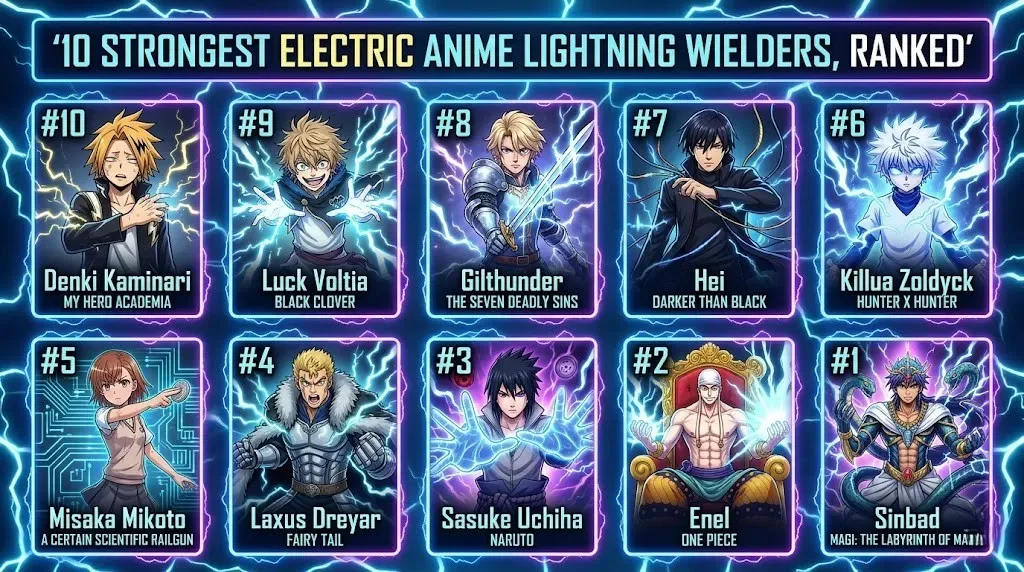 Also Read10 Strongest Electric Anime Lightning Wielders, Ranked
The UA High School Days: Aizawa and Present Mic's Friendship
During his time as a student at U.A., Aizawa was far from the confident pro hero he is today. He was an introverted young man who struggled with his non-offensive Quirk, Erasure. He often felt overshadowed by peers with flashy abilities, leading to a period of intense insecurity. Fortunately, he wasn't alone. The Aizawa and Present Mic friendship began here, alongside their mutual friend Oboro Shirakumo. Together, the trio was affectionately known as "the three dumbigos of Class A." While Hizashi Yamada (Present Mic) brought the noise and energy, it was the bond between these three that provided Shota with a sense of belonging. Hizashi was actually the one who came up with the hero name "Eraser Head" for Shota when he couldn't decide on one himself.
The MHA Vigilantes School Days Arc Explained
While the main series alludes to his history, the MHA Vigilantes school days arc provides the comprehensive details of Aizawa’s journey. Covering chapters 59 through 65, this arc explores the second year of high school for the trio. It highlights Shota’s internal struggle; at one point, he was so consumed by doubt that he couldn't even bring himself to rescue a stray kitten in the rain, questioning his worth as a hero. The arc showcases how his friends, particularly Oboro, pushed him to specialize in the "battler" route, convincing him that his ability to nullify Quirks was a tactical masterpiece rather than a "useless" secondary power. This period was meant to be the foundation for their future together, as they planned to open a hero agency as a team.
 Also Read10 Best Anime Characters With Green Hair & Green Dresses
The Death of Oboro Shirakumo: A Turning Point
The core of the My Hero Academia Aizawa origin is defined by a single, devastating event: the Oboro Shirakumo death. During their second-year work-studies at the Purple Revolution Agency, a villain named Garvey launched a massive attack. While protecting a group of nursery school children from falling debris, Oboro was struck and killed. Shota witnessed the aftermath, finding his friend's body beneath the rubble. This tragedy shattered the dreams of the "three dumbigos" and left an indelible mark on Aizawa’s soul. The loss was made even more horrific years later with the reveal that Oboro’s corpse was stolen by All For One and reanimated into the Nomu known as Kurogiri, a development that continues to haunt Aizawa in the current timeline.
How the Tragedy Shaped Eraser Head's Hero Philosophy
Oboro’s death completely rewired Aizawa’s approach to heroism and teaching. It is the direct reason he became an "underground hero," avoiding the spotlight and focusing on efficiency and stealth. His philosophy became centered on the cold reality that "a hero who can't save themselves can't save anyone." This is why he is so quick to expel students he deems lacking in "potential"—he isn't being mean; he is trying to prevent them from dying in the field as Oboro did. His iconic yellow goggles are even a memento of his friend, inspired by equipment Oboro used. Every "logical ruse" and harsh critique is a defensive mechanism intended to prepare his students for a world where one mistake can be fatal.
The Legacy of Oboro and Aizawa's Origin Summary
In summary, the legacy of Oboro Shirakumo lives on through every student Aizawa saves and every lesson he teaches. The My Hero Academia Aizawa origin isn't just a story of sadness; it's a story of resilience. By turning his trauma into a shield for the next generation, Eraser Head proves that even a "gloomy" hero can be the brightest hope for his students. The key takeaways from his past include:
- The vital role of the "three dumbigos" in forming his identity.
- The traumatic impact of witnessing a friend's death during a work-study.
- The transition from a self-doubting student to a rational, underground protector.
- The enduring connection between Aizawa, Present Mic, and the memory of Oboro.











// Comments