
Early East Blue Clues
Eiichiro Oda, the creator of One Piece, is widely regarded as a master of long-term storytelling. Many One Piece foreshadowing examples can be traced back to the very first arc, East Blue. One of the most famous instances of Oda foreshadowing is the mention of the "Sun God" and the "Warrior of Liberation," which appeared in Skypiea but had thematic roots even earlier. Additionally, the introduction of the Gomu Gomu no Mi was later revealed to be a much deeper mystery involving the World Government's pursuit of a specific fruit for 800 years.
Other early clues include:
- The appearance of Dragon in Loguetown, hinting at Luffy's mysterious lineage long before the Garp reveal.
- Shanks using Conqueror's Haki to scare off the Lord of the Coast in chapter one, a power not explained for over 500 chapters.
- Nami’s innate ability to sense changes in the weather, which later aligned with her role as the crew’s indispensable navigator.
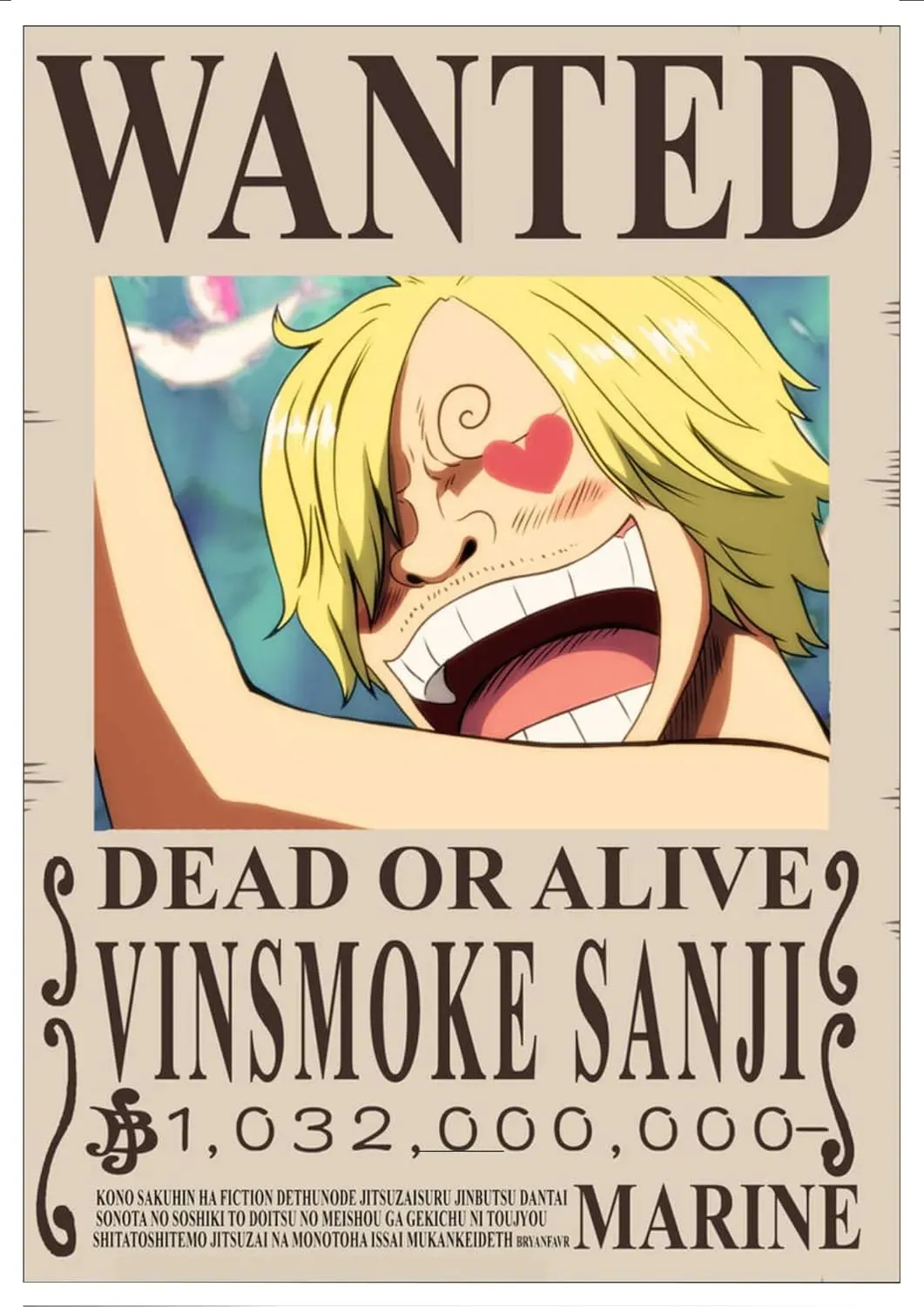
- Sanji mentioning he was from the North Blue, a detail that seemed minor until the Germa 66 reveal in Whole Cake Island.
- Usopp’s "lies" to Kaya, almost all of which—from giant goldfish to the land of dwarves—have eventually come true.
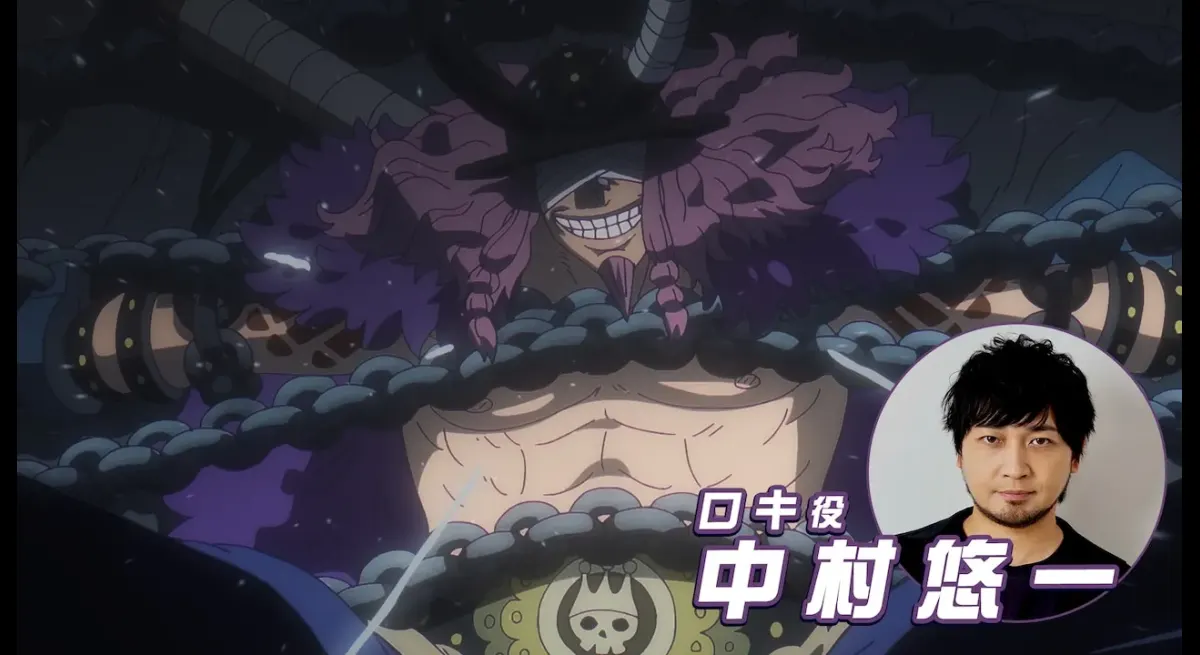 Also ReadYuichi Nakamura as Loki in "ONE PIECE": Elbaf Edition OP by Aina The End
Grand Line Hints
As the Straw Hats entered the Grand Line, the scale of Oda foreshadowing grew. During the Arabasta Saga, the mention of "Pluton" introduced the concept of Ancient Weapons, a plot point that remains central to the series' endgame. Similarly, the introduction of Ace and his blackbeard-hunting mission set the stage for the Paramount War years in advance. In the Jaya arc, the "Sky Island" was dismissed as a myth, mirroring how the One Piece itself is viewed by many in the world.
Key Grand Line foreshadowing examples include:
- Luffy’s "Voice of All Things" being hinted at when he could communicate with Ryu in filler and eventually Laboon and the Sea Kings.
- The mention of "Joy Boy" in the Fish-Man Island Poneglyph, tying back to the Void Century.
- The silhouettes of the Seven Warlords, which were teased long before their individual introductions.
- The concept of "Will" and "D." being a recurring theme that suggests a predestined clash with the gods.
- The shadow of the Florian Triangle, hinting at entities even larger than the shadows of Skypiea.
Time Skip Foreshadowing
The two-year time skip was a pivotal moment for One Piece foreshadowing examples. During the training period, Oda subtly set up the power ceiling for the New World. Rayleigh’s explanation of Haki wasn't just a power-up; it was a roadmap for Luffy’s eventual mastery of Advanced Haki and Gear 5. The introduction of the "Smile" fruits through Doflamingo and Caesar Clown was a direct setup for the Kaido conflict in Wano.
Significant setups during this era include:
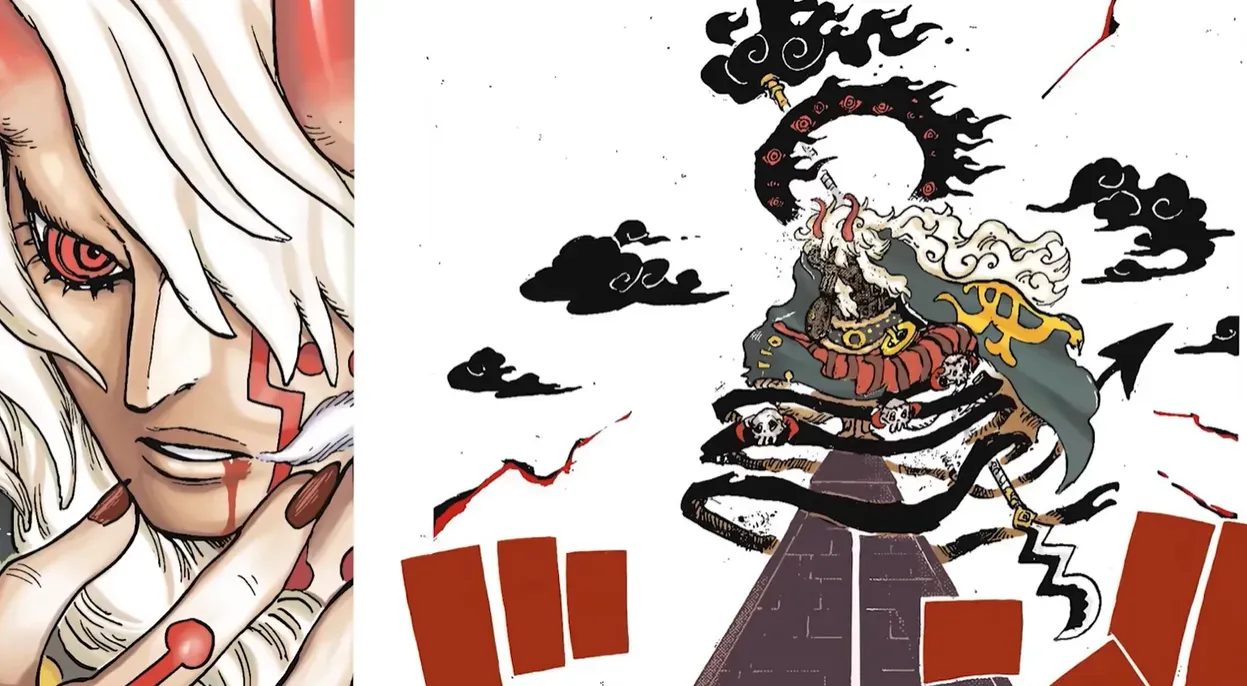 Also ReadOne Piece Chapter 1180 "Omen" Spoilers: Imu's God-Like Power Destroys Zoro & Sanji
- Jimbe’s promise to join the crew, which took several real-world years to actually happen.
- The Rocky Port Incident, a name mentioned in passing that became crucial to Law and Blackbeard's lore.
- Big Mom’s interest in giants and her missing "Road Poneglyph," setting the stakes for the Four Emperors saga.
- The true nature of the SMILE fruits and their tragic side effects on the people of Ebisu Town.
- The secret of the Straw Hat in Mary Geoise, showing that the hat is more than just a memento from Shanks.
New World Payoffs
The New World is where many of Oda's longest-running seeds finally bloomed. The revelation of the Hito Hito no Mi, Model: Nika, is perhaps the greatest example of Oda foreshadowing, as it recontextualized Luffy's entire journey from a simple rubber boy to a legendary deity. The Dressrosa and Wano arcs acted as massive payoff centers for plot points established as far back as Thriller Bark and Punk Hazard.
Notable New World payoffs include:
- The Return of Sabo, which was teased through the three cups of sake at the end of the Marineford arc.
- Ryuma’s legacy in Wano, which was first established when Zoro fought his zombie in Thriller Bark.
- Sanji’s "Black Leg" style and fire abilities being tied to his Vinsmoke DNA and Lunarian-like traits.
- Momonosuke’s "artificial" fruit being a direct clone of Kaido’s, explaining why they shared similar forms.
- The revelation of the "Sun God Nika" during the fight with Who's-Who, tying back to the Sun Pirates and the slaves' legends.
Elbaf Connections
Elbaf has been the longest-teased destination in the series, first mentioned in the Little Garden arc. Through Oda foreshadowing, we know that Elbaf is not just the land of giants, but a place of immense historical significance. The connection between Usopp's dream and the giant warriors Dorry and Brogy is one of the most heartwarming One Piece foreshadowing examples that is currently seeing its resolution.
Upcoming Elbaf-related clues include:
- The survival of the Ohara library, saved by the giants and hidden in Elbaf, as revealed by Vegapunk.
- The "Man Marked by Flames" who potentially resides or is connected to the giants' island.
- Loki, the Prince of Elbaf, who was mentioned during the Whole Cake Island flashback.
- Usopp finally achieving his dream of being a "Brave Warrior of the Sea" alongside his idols.
- The mystery of the "Sun" which is worshipped by the giants, potentially linking back to Nika.
FAQ
How far in advance does Oda plan his foreshadowing?
While some details are adapted as the story grows, Oda has stated he has known the ending of the series and major plot points, like Gear 5 and the nature of the One Piece, for decades.
What is the most famous example of Oda foreshadowing?
The most famous is likely the reveal of Sanji’s royal heritage or the true name of Luffy’s Devil Fruit, both of which had clues scattered throughout hundreds of chapters.
Do all of Usopp's lies come true?
Nearly all of them\! From the giant goldfish to the Cerberus and the "Captain Usopp" title with a grand fleet, Oda consistently turns Usopp’s tall tales into reality.






// Comments